Skip to content
Bringing your clothing designs to life requires collaboration with a manufacturer who can turn your vision into reality. However, submitting your designs involves more than just sharing sketches or ideas—it requires clear communication, proper documentation, and an understanding of manufacturing processes.
To submit clothing designs to a manufacturer, you need to prepare detailed tech packs, include all design specifications, and establish clear communication to ensure your vision is accurately executed.
Let’s explore the key steps to submit your clothing designs successfully and discuss why hiring a clothing tech pack designer might be essential.
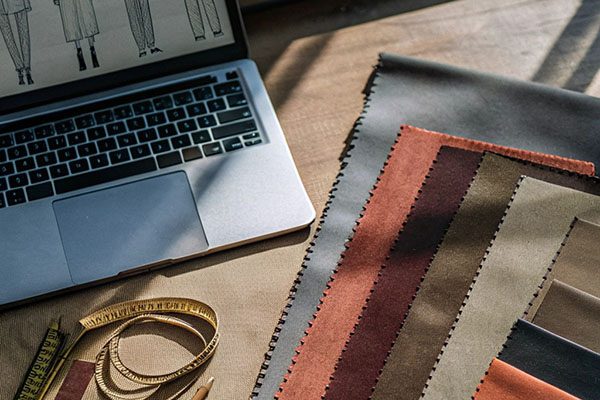
Do you need a clothing tech pack designer?
A tech pack is a blueprint that contains all the technical details manufacturers need to produce your garment. Creating a comprehensive tech pack ensures that your design is accurately interpreted and minimizes the risk of errors during production. But do you need a professional designer to create one?
Hiring a clothing tech pack designer is highly recommended if you’re new to the industry or working on complex designs. They specialize in translating creative ideas into precise specifications manufacturers can follow.
What is a tech pack?
A tech pack is a document that outlines every detail of your clothing design, including dimensions, materials, colors, stitching, labels, and more. Think of it as an instruction manual for your manufacturer clothing tech pack1.
Key components of a tech pack:
- Flat sketches: Detailed drawings of your design from multiple angles.
- Measurements: Exact dimensions for every part of the garment.
- Fabric and trims: Specifications for materials, buttons, zippers, and other components.
- Colorways: Information about colors and patterns, often with Pantone references.
- Construction details: Notes on seams, stitching, and finishes.
- Labels and packaging: Placement of tags, logos, and branding elements.
| Tech Pack Component | Purpose |
|---|---|
| Flat Sketches | Visualize the garment design. |
| Measurements | Ensure accurate sizing. |
| Material Details | Specify fabric and trims. |
| Stitching Instructions | Guide the sewing process. |
Why hire a tech pack designer?
Creating a tech pack requires precision and technical expertise. While you can create one yourself, a professional designer ensures the document is thorough and meets industry standards.
Benefits of hiring a tech pack designer:
- Accuracy: Reduces miscommunication with manufacturers.
- Efficiency: Speeds up the production process by providing clear instructions.
- Professional presentation: Increases your credibility with manufacturers.
- Complex designs: Handles intricate details for unique or custom garments.
Pro Tip: If your budget allows, invest in a professional tech pack designer2 for your first project. Once you’re familiar with the process, you can create simpler tech packs yourself using tools like Adobe Illustrator or CLO 3D software3 or Canva.

How to submit your clothing designs to a manufacturer
Submitting your designs involves more than just emailing sketches. A professional and organized approach ensures a smooth production process.
1. Research and choose the right manufacturer
Not all manufacturers are the same. Look for one that specializes in your type of clothing and aligns with your production goals reliable clothing manufacturer4.
How to find a manufacturer:
- Online directories: Use platforms like Alibaba marketplace5, Maker’s Row, or Sewport.
- Trade shows: Meet manufacturers in person to discuss your needs.
- Referrals: Ask industry contacts for recommendations.
Key considerations when choosing a manufacturer:
- Minimum order quantity (MOQ).
- Production capabilities for your fabric and design.
- Location and shipping logistics.
2. Prepare your tech pack
Once you’ve chosen a manufacturer, prepare your tech pack. Ensure it includes:
- Detailed sketches.
- Material specifications.
- Construction instructions.
- Measurement charts.
Pro Tip: Include high-quality visuals and annotations for better clarity.
3. Send initial designs for a prototype
Manufacturers typically create a prototype or sample before proceeding with full production. This is your opportunity to review the garment and request adjustments.
Sample process:
- Submit your tech pack and design files.
- Pay for a sample (usually higher than the unit price).
- Review the sample and provide feedback for revisions.
Pro Tip: Use this stage to test the fabric, fit, and overall quality.
4. Communicate effectively with the manufacturer
Clear communication is key to a successful partnership. Use email, video calls, or in-person meetings to address questions and provide feedback.
Tips for effective communication:
- Be specific in your instructions.
- Provide examples or references where possible.
- Establish timelines for production and delivery.
5. Approve the sample and finalize production
After reviewing and approving the sample, the manufacturer will proceed with mass production. Ensure you’ve agreed on the following:
- Delivery timeline.
- Payment terms.
- Quality control standards.

Tools and platforms to help you submit designs
1. Design software
Tools like Adobe Illustrator and CLO 3D help create professional tech packs and mockups.
| Software | Purpose |
|---|---|
| Adobe Illustrator | Vector-based design sketches. |
| CLO 3D | Realistic garment simulations. |
| Canva | Basic sketches and layouts. |
2. Communication tools
Platforms like Slack or Trello can streamline communication and project management with your manufacturer.
Common mistakes to avoid
When submitting clothing designs, avoid these pitfalls to ensure a smooth process:
1. Incomplete tech packs
Manufacturers rely on detailed instructions. Missing information can lead to errors or delays.
2. Unrealistic timelines
Production takes time, especially for custom designs. Factor in time for sampling, revisions, and shipping.
3. Poor communication
Failing to clarify details can result in misunderstandings. Always confirm important aspects in writing.
Why submitting your designs properly matters
A clear and professional submission process builds trust with your manufacturer, reduces errors, and ensures your clothing designs are executed as envisioned.
Key benefits:
- Better quality control: Detailed instructions lead to higher-quality garments.
- Faster production: Avoids back-and-forth revisions.
- Cost efficiency: Reduces waste and rework.
Conclusion
Submitting clothing designs to a manufacturer requires careful preparation and clear communication. A detailed tech pack is essential to convey your vision accurately, and hiring a professional designer can streamline the process. By following the steps outlined in this guide, you can establish a strong relationship with your manufacturer and bring your clothing designs to life with confidence.
-
Identify essential elements for detailed garment manufacturing requirements. ↩
-
Learn why expert support reduces production errors and miscommunication. ↩
-
Understand advanced 3D simulation tools for realistic apparel designs. ↩
-
Explore important criteria for selecting dependable and skilled production partners. ↩
-
Discover steps for locating reputable suppliers on Alibaba marketplace. ↩