Skip to content
Custom sweatshirts are a versatile way to showcase personal style, brand identity, or commemorate an event. They offer the comfort of a traditional sweatshirt with the added uniqueness of personalized designs, logos, or text. Whether for promotional purposes, team uniforms, or personal use, creating a custom sweatshirt involves selecting the right materials1, designs, and printing methods2.
Custom sweatshirts are garments made from soft, insulating fabrics that are personalized with graphics, text, or logos. You can create one by choosing the material, design, and printing or embroidery techniques that best suit your needs.
Let’s dive into what makes a custom sweatshirt unique and the steps to design one from scratch.
What material is used to make sweatshirts?
The fabric is the foundation of a good sweatshirt, influencing its comfort, warmth, and durability. Choosing the right material ensures your custom sweatshirt meets your expectations for quality and purpose.
Sweatshirts are typically made from cotton, polyester, fleece, or blended fabrics3. Each material has its unique benefits, ranging from breathability and softness to durability and insulation.
1. Cotton: The classic choice
Cotton is a popular material for sweatshirts due to its softness, breathability, and natural feel. It’s ideal for casual wear and mild weather.
Benefits of cotton:
- Soft and comfortable: Feels gentle on the skin.
- Breathable: Prevents overheating during wear.
- Eco-friendly: Biodegradable and natural.
| Property | Best For |
|---|---|
| Lightweight | Everyday wear, layering. |
| Soft Texture | Comfortable for prolonged use. |
2. Polyester: Durable and moisture-resistant
Polyester is a synthetic fabric known for its durability and quick-drying properties. It’s often blended with cotton for added strength and stretch.
Benefits of polyester:
- Wrinkle-resistant: Maintains its shape after washing.
- Moisture-wicking: Keeps you dry during physical activity.
- Durable: Withstands frequent use.
3. Fleece: Cozy and warm
Fleece, a type of brushed polyester, is favored for its warmth and lightweight feel. It’s an excellent choice for winter wear or outdoor activities.
Benefits of fleece:
- Warmth: Retains body heat in cold weather.
- Lightweight: Doesn’t feel bulky despite its insulation.
- Quick-drying: Ideal for outdoor or athletic use.
4. Blended fabrics: The best of both worlds
Blended fabrics3, such as cotton-polyester, combine the benefits of natural and synthetic fibers. These blends offer a balance of softness, durability, and flexibility.
Benefits of blended fabrics:
- Versatility: Suitable for a range of designs and purposes.
- Cost-effective: Affordable without sacrificing quality.
Pro Tip: For eco-conscious options, consider organic cotton or recycled polyester sweatshirts.
How do you put a print on a sweatshirt?
Adding a print to a sweatshirt involves selecting the right printing technique based on your design, budget, and durability requirements.
The most popular printing methods for sweatshirts include screen printing, direct-to-garment (DTG) printing, heat transfer, and embroidery4. Each method offers unique advantages for different design needs.
1. Screen printing: Durable and vibrant
Screen printing is one of the most common methods for printing on sweatshirts. It involves creating a stencil (screen) for each color in the design and pressing ink through the screen onto the fabric.
Benefits of screen printing:
- Durable: Prints can withstand multiple washes without fading.
- Vibrant colors: Produces bold, high-quality designs.
- Cost-effective for bulk orders: Ideal for larger quantities.
2. Direct-to-garment (DTG) printing: Detailed and customizable
DTG printing uses a specialized printer to apply water-based ink directly onto the sweatshirt. It’s perfect for intricate or multi-color designs.
Benefits of DTG printing:
- High detail: Captures fine lines and gradients.
- No setup fees: Great for one-off or small-batch orders.
- Soft finish: Ink blends seamlessly with the fabric.
Pro Tip: DTG works best on cotton sweatshirts, as the ink adheres better to natural fibers.
3. Heat transfer: Versatile and affordable
Heat transfer involves applying a design (printed on special vinyl or paper) onto the sweatshirt using a heat press. This method is versatile and widely used for custom apparel.
Benefits of heat transfer:
- Customizable: Works well for names, numbers, or small designs.
- Affordable for small orders: No setup fees required.
- Wide color range: Can produce vibrant and photo-realistic prints.
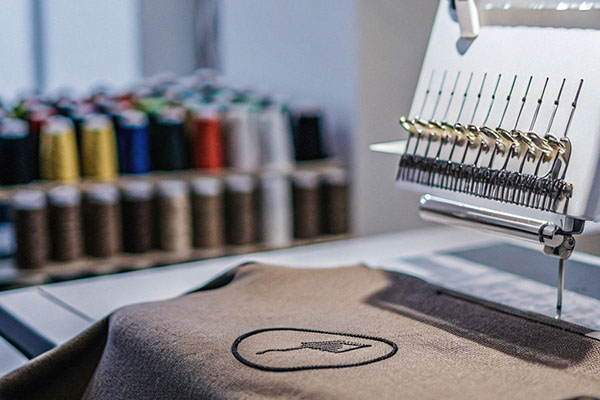
4. Embroidery: Premium and durable
Embroidery4 adds a premium look and long-lasting texture to your sweatshirt. It involves stitching the design directly onto the fabric.
Benefits of embroidery:
- Durable: Resistant to wear and tear over time.
- Sophisticated look: Ideal for logos or minimalistic designs.
Steps to create a custom sweatshirt
Designing a custom sweatshirt involves the following steps5:
- Define your purpose: Determine the goal, such as personal use, promotions, or resale.
- Choose the material: Align the fabric type with your intended audience and use case.
- Create your design: Select colors, logos, and placement to match your vision.
- Select a printing method: Choose from screen printing, DTG, heat transfer, or embroidery.
- Partner with a trusted supplier: Work with a reliable manufacturer to ensure quality production.
Conclusion
Custom sweatshirts combine comfort, functionality, and creativity, making them a versatile option for personal and professional use. Selecting the right material, design, and printing method ensures your sweatshirts are both stylish and durable. Whether you’re creating them for an event, a brand, or as a personal statement, following these steps will help you design the perfect custom sweatshirt tailored to your needs.
-
Guides on selecting the most suitable material for custom sweatshirts. ↩
-
Explains popular printing methods and their advantages for custom designs. ↩
-
Provides insights into why blends are versatile for custom apparel. ↩ ↩
-
A detailed breakdown of the process to design and produce custom sweatshirts. ↩