Skip to content
The type of thread used in T-shirt construction can significantly impact its durability, comfort, and overall quality. Whether you’re sewing a T-shirt from scratch or making repairs, choosing the right thread is essential for ensuring the garment stretches, wears well, and maintains its shape.
The best thread for T-shirts is polyester thread1 or cotton-wrapped polyester2 thread due to its durability, flexibility, and resistance to shrinkage. Stretch thread3 is also ideal for seams in knit fabrics.
Let’s explore what makes these threads ideal for T-shirts and how they pair with various stitching techniques.
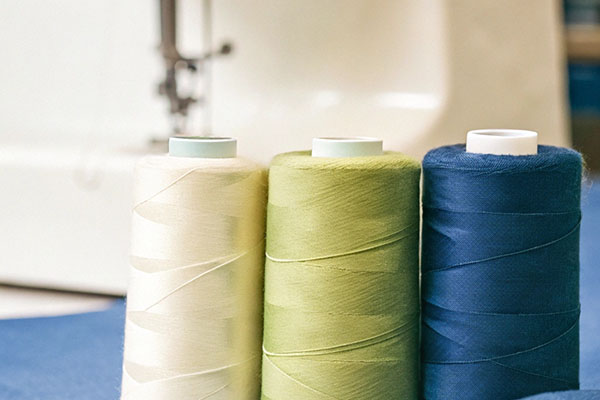
What stitch is best for T-shirts?
T-shirts are typically made of knit fabrics, which are stretchy by nature. The stitching technique must allow the fabric to stretch without breaking the thread or distorting the seams.
The best stitch for T-shirts is a stretch stitch, zigzag stitch, or overlock stitch4. These stitches accommodate the natural elasticity of knit fabrics and prevent seam breakage.

1. Stretch Stitch: Built for flexibility
A stretch stitch is specifically designed to handle the elasticity of knit fabrics. It allows the fabric to stretch and return to its original shape without placing stress on the seams.
Characteristics of a stretch stitch:
- Forms a slight zigzag pattern for added flexibility.
- Ensures seams won’t break when the fabric is pulled.
- Found on most modern sewing machines under "stretch stitch" settings.
Pro Tip: Use a stretch needle with stretch stitches for smoother results. Stretch needles have a rounded tip that glides through knit fabrics without causing snags.
2. Zigzag Stitch: A simple and versatile option
A zigzag stitch is one of the most commonly used stitches for sewing T-shirts, especially if you’re using a standard sewing machine.
Why it’s effective:
- Allows the fabric to stretch while maintaining seam integrity.
- Easy to adjust width and length based on fabric type.
- Suitable for hemming and basic seam construction.
Zigzag stitch tips:
- Use a narrow zigzag stitch for seams to avoid bulk.
- A wider zigzag works well for finishing raw edges.
3. Overlock (Serger) Stitch: Professional and durable
Overlock stitching, created by serger machines, is the gold standard for constructing T-shirts. Sergers sew, trim, and finish edges in one step, producing professional-quality seams.
Benefits of overlock stitching:
- Creates durable, stretchy seams that resist wear.
- Neatly finishes raw edges to prevent fraying.
- Ideal for mass production or high-quality garments.
| Stitch Type | Ideal Use |
|---|---|
| Stretch Stitch | Seams on knit fabrics. |
| Zigzag Stitch | Basic seams and hems. |
| Overlock Stitch | Seam finishing and durability. |
What thread types are best for T-shirts?
Thread choice is as crucial as the stitching method. The right thread ensures durability and complements the fabric’s stretch and softness.
The best threads for T-shirts include polyester1, cotton-wrapped polyester2, and stretch thread3. These options provide strength, flexibility, and compatibility with knit fabrics.
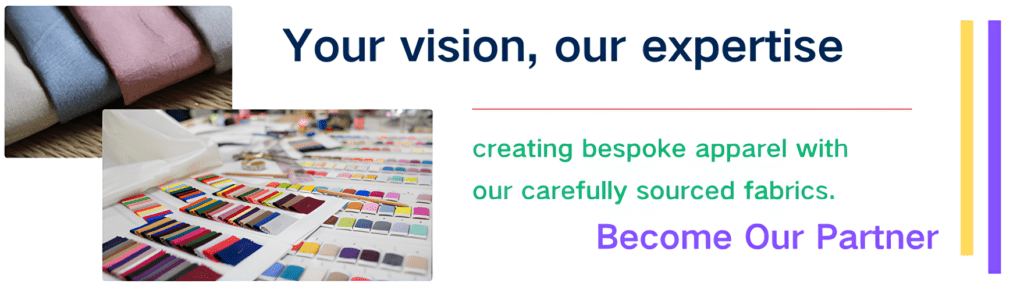
1. Polyester Thread: Strong and flexible
Polyester thread is a top choice for T-shirts due to its strength and elasticity. It can handle the stretch of knit fabrics without breaking and resists shrinking during washing.
| Property | Benefit |
|---|---|
| Elasticity | Moves with stretchy knit fabrics. |
| Durability | Resists fraying and breaking. |
| Shrink Resistance | Maintains integrity after washing. |
Polyester thread is also versatile, making it suitable for seams, hems, and decorative stitching.
2. Cotton-Wrapped Polyester Thread: The best of both worlds
Cotton-wrapped polyester combines the softness of cotton with the strength of polyester. It provides a smooth, natural finish while maintaining stretch and durability.
Why it’s great for T-shirts:
- Ideal for soft, casual garments where comfort is key.
- Works well for seams and decorative topstitching.
- Easy to sew with and compatible with most machines.
3. Stretch Thread: Specialized for knits
Stretch thread, such as Woolly Nylon or textured polyester thread, is designed to handle extreme elasticity. It’s commonly used in sergers for hemming and overlocking seams on stretchy fabrics.
| Feature | Benefit |
|---|---|
| High Stretchability | Perfect for activewear and fitted T-shirts. |
| Seam Softness | Reduces irritation on the skin. |
Pro Tip: Use stretch thread in the bobbin or looper of a serger for best results.
4. Recycled Polyester Thread: A sustainable option
For eco-conscious sewists, recycled polyester thread5 is an excellent choice. It offers the same durability and flexibility as regular polyester but is made from recycled materials like plastic bottles.
| Advantage | Why Choose It? |
|---|---|
| Environmentally Friendly | Reduces waste and carbon footprint. |
| Durable and Flexible | Matches the performance of new polyester. |
How to choose the right thread color for T-shirts?
Color selection plays a significant role in achieving professional-looking T-shirts. While functional threads often blend into the fabric, decorative threads can add contrast or design elements.
Tips for choosing thread colors:
- Match the Fabric: For a seamless look, choose a thread color that closely matches the fabric.
- Create Contrast: Use a contrasting color for topstitching to add visual interest.
- Neutral Colors: White, black, and gray threads are versatile options for most fabrics.
- Invisible Thread: Clear or monofilament thread works well for lightweight or sheer fabrics where visible seams are undesirable.
Why does thread quality matter?
The quality of the thread directly impacts the strength, longevity, and appearance of the finished T-shirt. Low-quality threads are more likely to break, fray, or cause uneven stitching.
Benefits of using high-quality thread:
- Better Seam Strength: Strong threads hold up better to washing, stretching, and everyday wear.
- Smoother Stitching: High-quality threads are less likely to snag or break during sewing.
- Professional Finish: They create neat, even stitches that enhance the garment’s appearance.
Investing in premium thread ensures your T-shirts look great and last longer.
Tips for sewing T-shirts like a pro
To get the best results when sewing T-shirts, consider the following tips:
1. Pre-wash the fabric
Knit fabrics often shrink after the first wash. Pre-washing ensures your seams and hems stay intact after laundering.
2. Use the right needle
Use stretch or ballpoint needles when working with T-shirt fabrics. These needles have rounded tips that prevent snagging or damaging the knit material.
| Needle Type | Use Case |
|---|---|
| Stretch Needle | Ideal for highly elastic knits. |
| Ballpoint Needle | Great for medium-weight knits. |
3. Adjust machine tension
Set your sewing machine’s tension to accommodate the thread and fabric. Too much tension can cause puckering, while too little can lead to loose, uneven seams.
4. Practice on scraps
Before starting your project, test the thread, stitch, and tension on a fabric scrap. This helps you fine-tune your settings for the best results.
Conclusion
The best thread for T-shirts depends on the fabric and intended use. Polyester1 and cotton-wrapped polyester2 threads are versatile, durable, and flexible, making them ideal for most T-shirt projects. For added stretch and softness, stretch threads3 work best, especially in seams and activewear. Pair these threads with the right stitching techniques, like stretch or overlock stitches4, to achieve durable, comfortable, and professional-looking T-shirts. By investing in high-quality threads and proper tools, you’ll ensure your T-shirts stand the test of time.
-
Discover strong, stretchy thread ensuring durable seams and consistent garment shape retention. ↩ ↩ ↩
-
Find balanced softness and strength delivering smooth finishes and natural feel in knit fabrics. ↩ ↩ ↩
-
Understand elastic thread providing comfort and reliability, perfect for flexible garment seams. ↩ ↩ ↩
-
Learn versatile finishing technique ensuring sturdy seams, neat edges, and professional results. ↩ ↩
-
Explore eco-conscious option turning waste into reliable sewing supplies supporting green fashion. ↩