Skip to content
Clothing production relies on various raw materials, but three primary types dominate the industry: natural fibers, synthetic fibers, and blended fibers. Each plays a unique role in shaping the clothes we wear, offering different properties like comfort, durability, and functionality.
The three main raw materials for clothes are natural fibers (like cotton and wool), synthetic fibers (like polyester), and blended fibers that combine both for enhanced performance.
In this article, we’ll explore the key materials used in clothing production, their benefits, and their role in sustainable fashion.
What is organic clothing made of?
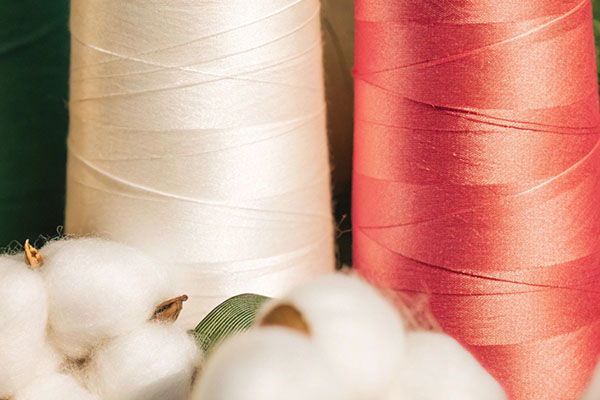
Organic clothing is made from natural raw materials that are grown or produced without the use of synthetic chemicals, pesticides, or genetically modified organisms (GMOs). This ensures a lower environmental impact and a healthier option for consumers.
Organic clothing is primarily made from materials like organic cotton1, organic hemp2, bamboo fibers3, and recycled fabrics4. These materials are produced sustainably and promote eco-friendly practices.

1. Organic cotton: The most popular choice
Organic cotton is grown without synthetic pesticides, fertilizers, or harmful chemicals, making it one of the most eco-friendly raw materials for clothing.
| Property | Benefit |
|---|---|
| Chemical-Free | Reduces environmental pollution. |
| Soft and Breathable | Ideal for sensitive skin. |
| Water Efficient | Uses less water compared to conventional cotton. |
Many sustainable brands rely on organic cotton for T-shirts, dresses, and children’s wear due to its comfort and eco-friendly qualities.
2. Organic hemp: A durable and sustainable option
Hemp is a fast-growing plant that requires minimal water and no pesticides. Organic hemp fibers are strong, durable, and naturally resistant to pests and UV rays.
| Feature | Benefit |
|---|---|
| Renewable Resource | Grows quickly with little water. |
| Durable and Long-Lasting | Produces strong, long-lasting fabric. |
| Breathable | Keeps the wearer cool and comfortable. |
Organic hemp is often used for casual wear, outdoor clothing, and sustainable denim.
3. Bamboo fibers: Soft and renewable
Bamboo is another popular material for organic clothing. It grows rapidly and regenerates naturally, making it highly renewable. Bamboo fabrics are incredibly soft, breathable, and moisture-wicking.
| Property | Benefit |
|---|---|
| Ultra-Soft | Feels smooth and luxurious. |
| Moisture-Wicking | Keeps the body dry and comfortable. |
| Antimicrobial | Naturally resists odor. |
Bamboo is often used in athletic wear, undergarments, and loungewear.
4. Recycled fabrics: Promoting circular fashion
Recycled fabrics, such as recycled cotton, polyester, or nylon, are made from post-consumer or post-industrial waste. These materials help reduce textile waste and lower the carbon footprint of clothing production.
| Material Type | Source |
|---|---|
| Recycled Cotton | Textile scraps and old garments. |
| Recycled Polyester | Plastic bottles and synthetic waste. |
| Recycled Nylon | Fishing nets and industrial waste. |
Recycled fabrics are increasingly popular in sustainable clothing lines, aligning with circular fashion5 principles.
What are the 3 main types of fabric?
Clothing fabrics can be broadly categorized into three main types: natural fabrics, synthetic fabrics, and blended fabrics. Each type has unique properties that make it suitable for specific uses, from luxury wear to activewear.
The three main types of fabric are natural fabrics like cotton and wool, synthetic fabrics like polyester and nylon, and blended fabrics that combine the best of both worlds.

1. Natural fabrics: Soft, breathable, and sustainable
Natural fabrics are made from fibers derived from plants, animals, or minerals. These fabrics are known for their comfort, breathability, and eco-friendly qualities.
| Type of Natural Fabric | Source and Benefits |
|---|---|
| Cotton | Derived from cotton plants; soft and breathable. |
| Wool | Obtained from sheep; insulating and durable. |
| Linen | Made from flax plants; lightweight and breathable. |
| Silk | Produced by silkworms; luxurious and smooth. |
Why are natural fabrics popular?
Natural fabrics are prized for their comfort and versatility. They allow the skin to breathe, making them ideal for warm weather and sensitive skin. Additionally, many natural fibers, like organic cotton and wool, are biodegradable, reducing their environmental impact.
2. Synthetic fabrics: Durable and functional
Synthetic fabrics are man-made fibers produced using chemical processes. These fabrics are known for their durability, moisture-wicking properties, and resistance to wear and tear.
| Type of Synthetic Fabric | Properties |
|---|---|
| Polyester | Strong, wrinkle-resistant, and quick-drying. |
| Nylon | Lightweight, durable, and elastic. |
| Acrylic | Soft, wool-like texture; resistant to wrinkles. |
| Spandex (Lycra) | Provides stretch and flexibility. |
Why are synthetic fabrics widely used?
Synthetic fabrics are ideal for activewear, sportswear, and outdoor clothing due to their moisture-wicking and durable nature. They’re also affordable, making them a popular choice for mass production.
However, synthetic fabrics are not biodegradable and often shed microplastics during washing, contributing to environmental pollution.
3. Blended fabrics: Combining the best qualities
Blended fabrics combine natural and synthetic fibers to create materials with enhanced performance. These fabrics offer the softness of natural fibers with the durability and functionality of synthetic ones.
| Common Blends | Features and Benefits |
|---|---|
| Cotton-Polyester Blend | Soft, durable, and wrinkle-resistant. |
| Cotton-Spandex Blend | Adds stretch and flexibility. |
| Wool-Polyester Blend | Warm, durable, and easy to maintain. |
Why are blended fabrics beneficial?
Blended fabrics are versatile and cost-effective. They offer the comfort of natural fibers while improving durability, moisture resistance, and ease of care.
Why is the choice of raw material important in clothing?
The raw material used in clothing impacts its comfort, durability, and environmental footprint. Choosing the right material ensures the garment performs well for its intended use and aligns with sustainable values.
The choice of raw material determines a shirt’s breathability, softness, longevity, and impact on the environment. Natural fibers are eco-friendly, while synthetics offer durability and performance.
Impact on comfort
Natural fabrics like cotton, wool, and linen are breathable and soft, making them ideal for comfortable everyday wear. Synthetic materials, on the other hand, provide elasticity and moisture-wicking, which is perfect for activewear.
Impact on durability
Synthetic fibers like polyester and nylon are more durable than natural fibers, which tend to wear out faster. However, blends combine the strengths of both, offering longevity and comfort.
Environmental considerations
Sustainable materials like organic cotton, hemp, bamboo, and recycled fabrics are gaining popularity as they help reduce pollution, conserve resources, and minimize waste.
Conclusion
The three main raw materials for clothes are natural fibers, synthetic fibers, and blended fabrics. Natural materials like cotton, wool, and linen offer comfort and breathability, while synthetic fabrics like polyester and nylon provide durability and functionality. Blended fabrics combine the best qualities of both, offering versatility and performance. As sustainability becomes increasingly important, materials like organic cotton, bamboo fibers, and recycled fabrics are shaping the future of fashion. By understanding these materials, we can make better choices for comfort, performance, and the planet.
-
Explore chemical-free fiber ensuring softer, healthier, truly sustainable clothing options. ↩
-
Discover durable plant-based textile offering resilient eco-friendly comfort. ↩
-
Learn about silky renewable fibers delivering moisture-wicking softness effortlessly. ↩
-
Uncover fabric reuse reducing waste while encouraging circular fashion. ↩
-
Understand closed-loop apparel systems transforming waste into new garments. ↩