Skip to content
Embroidered hoodies have become a staple in modern fashion, blending craftsmanship with durability and style. Unlike printed designs1, embroidery offers a textured, high-quality look that elevates a simple hoodie into a premium product. But is embroidery really a good choice for hoodies, and why does it often come with a higher price tag?
Embroidery is an excellent option for hoodies due to its durability, premium appearance, and ability to withstand regular wear and washing. It’s particularly ideal for custom designs, logos, and branding.
In this article, we’ll explore why embroidered hoodies tend to be expensive, the best materials for embroidery, and why this technique is a worthwhile investment for both casual wear and business purposes.
Why are embroidered hoodies so expensive?
Embroidered hoodies often come with a higher price tag compared to printed ones, and for good reason.
Embroidered hoodies are expensive because the process requires advanced machinery, skilled labor, and high-quality materials. Additionally, the durability and premium look of embroidery make it a valued feature.
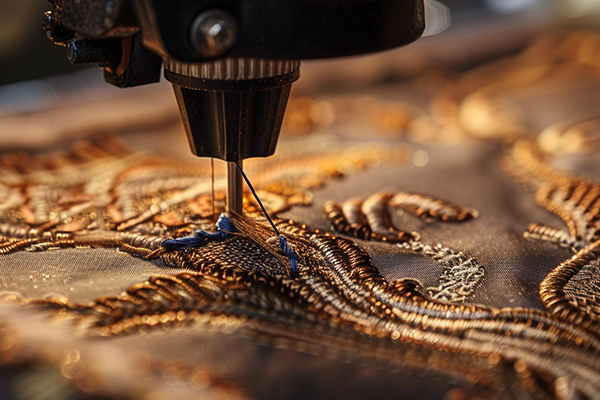
1. Labor-Intensive Process
- Setup Costs:
- Each embroidery design must be digitized into a stitch file2, which requires specialized software and expertise.
- Machine Operation:
- Embroidery machines need skilled operators to ensure precision, especially for intricate designs.
- Time-Consuming:
- Unlike printing, embroidery involves stitching each design into the fabric, which takes more time.
2. Material Costs
- Embroidery Thread:
- High-quality threads made from polyester or rayon3 are used for durability and vibrant colors. These threads are more expensive than ink used in printing.
- Stabilizers:
- Stabilizers are required to hold the fabric in place during stitching, adding to the production cost.
3. Equipment Investment
- Embroidery Machines:
- These machines are costly, with advanced models running into tens of thousands of dollars.
- Maintenance:
- Regular upkeep and repairs of embroidery machines add to operational costs.
4. Customization and Detail
- Intricate Designs:
- Embroidery works well for detailed logos, text, and graphics, but such precision requires additional time and resources.
- Limited Production Runs:
- For small-batch or custom orders, the cost per hoodie increases because the setup process is the same regardless of quantity.
| Factor | Why It Increases Cost |
|---|---|
| Labor-Intensive Process | Skilled labor and longer production time |
| High-Quality Materials | Premium threads and stabilizers |
| Equipment Investment | Expensive machinery and maintenance |
| Customization | Time-consuming setup for detailed designs |
The combination of craftsmanship, materials, and time explains why embroidered hoodies are considered a premium product.
What is the best material for embroidery hoodies?
Choosing the right fabric is crucial for creating high-quality embroidered hoodies. The material must be durable enough to support the stitches without puckering or stretching.
The best material for embroidery hoodies is a cotton-polyester blend, as it balances softness, durability, and stability, making it ideal for supporting detailed embroidery designs.

1. Cotton
- Benefits:
- Soft, breathable, and provides a stable surface for embroidery.
- Offers a premium feel, making it a favorite for casual and high-end hoodies.
- Drawbacks:
- Pure cotton can shrink slightly, so pre-shrunk cotton hoodies4 are ideal for embroidery.
2. Cotton-Polyester Blends
- Benefits:
- Combines the softness of cotton with the durability and wrinkle resistance of polyester.
- Holds embroidery stitches well without puckering or stretching.
- Drawbacks:
- May not feel as soft as 100% cotton but offers better longevity.
3. Fleece Hoodies
- Benefits:
- Fleece provides warmth and a plush interior, making it perfect for winter hoodies.
- Works well for embroidery designs, as the outer surface is smooth and stable.
- Drawbacks:
- Thicker fabric may require specialized needles and adjustments during embroidery.
4. French Terry5
- Benefits:
- Lightweight and breathable, ideal for mid-season hoodies.
- Offers a smooth surface for embroidery without compromising comfort.
- Drawbacks:
- Less insulating than fleece or heavier blends.
| Material | Benefits for Embroidery | Best Use |
|---|---|---|
| Cotton | Stable surface, premium feel | Casual and premium hoodies |
| Cotton-Polyester Blends | Durable, resists puckering | Everyday and athletic wear |
| Fleece | Smooth surface, ideal for winter | Warm, cozy hoodies |
| French Terry | Lightweight, breathable | Spring and fall hoodies |
The choice of material depends on the intended use of the hoodie and the complexity of the embroidery design.
Why is embroidery a great choice for hoodies?
Embroidery enhances hoodies in ways that other decoration methods, such as printing, cannot match.
1. Durability
- Embroidery threads are stitched directly into the fabric, making them resistant to fading, peeling, or cracking, even after frequent washing.
2. Premium Appearance
- The raised, textured design of embroidery gives hoodies a high-end look that stands out compared to printed designs.

3. Customization
- Embroidery allows for intricate designs, including logos, names, or patterns, making it perfect for branding, uniforms, or personalized gifts.
4. Versatility
- Works well on various hoodie styles, from casual pullovers to zip-up fleece jackets.
5. Long-Term Value
- Although more expensive upfront, embroidered hoodies offer better longevity and maintain their quality over time, providing excellent value for money.
| Advantage | Why It Matters |
|---|---|
| Durability | Withstands washing and regular wear |
| Premium Appearance | Adds texture and elevates the garment |
| Customization | Ideal for branding and personalization |
| Versatility | Suits various styles and materials |
Embroidery combines function and aesthetics, making it a superior choice for hoodie customization.
How to Care for Embroidered Hoodies
To ensure your embroidered hoodie lasts, proper care is essential:
-
Washing
- Turn the hoodie inside out before washing to protect the embroidery.
- Use a gentle cycle with cold water and mild detergent.
-
Drying
- Air-dry when possible to prevent shrinkage. If using a dryer, opt for a low-heat setting.
-
Ironing
- Place a cloth over the embroidery when ironing to avoid direct heat.
| Care Step | Why It’s Important |
|---|---|
| Turn Inside Out | Protects stitches from abrasion |
| Use Gentle Cycle | Prevents damage to fabric and threads |
| Air-Dry or Low Heat | Maintains fabric quality |
Proper care ensures your embroidered hoodie stays vibrant and intact for years.
Conclusion
Embroidery is an excellent choice for hoodies, offering durability, customization, and a premium look that other methods can’t match. While embroidered hoodies are more expensive due to labor-intensive processes and high-quality materials, their longevity and elevated style make them a worthwhile investment. The best materials for embroidered hoodies include cotton-polyester blends and fleece, which provide the stability and comfort needed for intricate stitching. Whether for personal use or branding, embroidered hoodies deliver unmatched quality and value, making them a standout choice in any wardrobe.