Skip to content
Activewear and athleisure are two of the most popular trends in modern fashion, often blurring the lines between function and style. While both categories cater to comfort and flexibility, they differ significantly in purpose, materials, and use. But what exactly defines activewear and athleisure, and how do they compare to streetwear?
Activewear is designed for physical activity, focusing on performance and functionality, while athleisure blends athletic-inspired clothing with casual, everyday fashion.
In this article, we’ll break down what is considered activewear, how athleisure differs, and where it stands compared to streetwear.
What is considered activewear?
Activewear refers to clothing specifically designed for physical activities such as running, yoga, gym workouts, or outdoor sports.
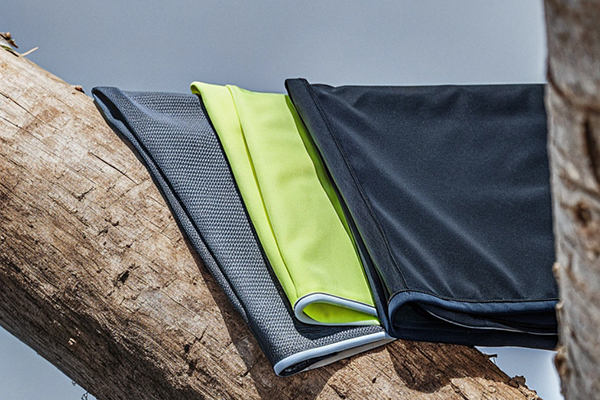
Activewear is performance-focused apparel made with technical fabrics1 that prioritize comfort, movement, and durability during exercise.
Key Features of Activewear
-
- Materials like spandex, polyester, and nylon are commonly used for their stretchability, moisture-wicking properties2, and durability.
- Breathable fabrics keep the wearer cool and dry during intense workouts.
-
Functional Design
- Includes features like elastic waistbands, flat seams to prevent chafing, and pockets for storage.
- Compression wear3 (e.g., leggings, tops) enhances muscle recovery and support.
-
Activity-Specific Items
- Running: Lightweight shorts, moisture-wicking tops.
- Yoga: Flexible leggings, fitted tank tops.
- Gym: Durable T-shirts, athletic shorts, and sports bras.
Best Use Cases for Activewear
- Gym sessions and strength training.
- High-intensity sports like running, cycling, or basketball.
- Yoga and Pilates where flexibility is key.
| Feature | Description |
|---|---|
| Fabric | Moisture-wicking, stretchable, breathable |
| Design | Activity-specific, supports performance |
| Use | Physical activities, sports, and fitness |
Activewear is all about optimizing performance, providing comfort and durability for athletes and fitness enthusiasts.
What is considered athleisure?
Athleisure4 is a more recent fashion trend, blending the functionality of athletic wear with the casual style of everyday clothing.
Athleisure is versatile clothing inspired by sportswear but designed for casual and semi-formal settings, prioritizing comfort and style over performance.

Key Features of Athleisure
-
Casual Fabrics with Athletic Influence
- Often made with stretchy or soft materials like cotton blends, but not necessarily performance-driven fabrics.
- Includes pieces like joggers, oversized hoodies, and knit sneakers.
-
Hybrid Design
- Combines athletic elements (e.g., drawstrings, zip-ups) with fashionable details like clean silhouettes, neutral tones, or bold prints.
- Designed to transition seamlessly from running errands to casual outings.
-
Focus on Comfort and Aesthetics
- Athleisure prioritizes a relaxed fit and stylish appeal, making it suitable for lounging, commuting, or informal social gatherings.
Best Use Cases for Athleisure
- Traveling or commuting.
- Casual brunches or coffee dates.
- Relaxing at home or running errands.
| Feature | Description |
|---|---|
| Fabric | Comfortable, stylish, not always technical |
| Design | Relaxed fit, versatile for casual wear |
| Use | Everyday wear, not intended for workouts |
Athleisure bridges the gap between functionality and fashion, making it a go-to choice for people seeking effortless style and comfort.
What is the difference between athleisure and streetwear?
While athleisure and streetwear5 share similarities in their casual and relaxed vibe, they cater to different style preferences and cultural roots.
Athleisure focuses on blending athletic and casual wear for a polished, sporty look, while streetwear draws inspiration from urban culture, emphasizing bold, edgy designs and statement pieces.

Key Differences
-
Style Origin
- Athleisure: Rooted in sports and fitness culture, prioritizing clean, versatile designs.
- Streetwear: Influenced by skateboarding, hip-hop, and youth culture, featuring oversized fits, graphic prints, and bold logos.
-
Fabric Choices
- Athleisure: Lightweight, stretchy fabrics like cotton-poly blends or jersey knit.
- Streetwear: Heavier materials such as denim, fleece, or canvas.
-
Target Audience
- Athleisure: Appeals to professionals, fitness enthusiasts, and minimalists seeking stylish yet comfortable clothing.
- Streetwear: Attracts younger, trend-driven audiences who prioritize individuality and bold aesthetics.
-
Purpose
- Athleisure: Functional enough for light activity, designed for everyday wear.
- Streetwear: Focused on self-expression and cultural relevance, less functional.
Best Examples
| Feature | Athleisure | Streetwear |
|---|---|---|
| Key Pieces | Joggers, sleek sneakers, leggings | Oversized hoodies, graphic tees |
| Fabric | Soft, stretchable | Sturdy, bold textures |
| Occasions | Casual outings, lounging | Concerts, urban events |
Athleisure offers a sporty, refined aesthetic, while streetwear leans into edgy, statement-making fashion.
Why Does the Difference Matter?
Understanding the distinctions between activewear, athleisure, and streetwear helps you choose the right apparel for your needs:
- For Physical Activities: Activewear provides the technical performance required.
- For Everyday Comfort: Athleisure is perfect for casual yet stylish looks.
- For Bold Fashion Statements: Streetwear stands out as a cultural and stylistic choice.
By identifying your priorities—whether functionality, versatility, or style—you can curate a wardrobe that fits your lifestyle.
Conclusion
The difference between activewear and athleisure lies in their purpose and design: activewear is engineered for optimal performance in physical activities, while athleisure blends sporty elements with casual fashion for everyday wear. Additionally, streetwear offers a distinct cultural aesthetic, emphasizing bold, urban designs. Each category has its own appeal, allowing you to mix and match pieces depending on your activity and style preferences. Whether you’re heading to the gym, relaxing at home, or making a fashion statement, there’s a category for every occasion.