Skip to content
Sublimated sportswear is changing the game in athletic apparel, combining functionality with vibrant, durable designs. Unlike traditional printing methods, sublimation embeds the design directly into the fabric, ensuring it won’t crack, peel, or fade over time. But what exactly does sublimation mean in clothing, and why is it so popular in sportswear?
Sublimated sportswear refers to clothing made using sublimation printing, a process where designs are transferred into the fabric’s fibers using heat and special inks, resulting in long-lasting and breathable garments.
Let’s explore what sublimation means in clothing, how long it lasts, and which fabrics work best for this innovative printing method.
What does sublimated mean in clothing?
Sublimation is a unique printing process that stands out from other methods because of how it integrates designs into the fabric.
In clothing, sublimation means transferring a design onto fabric by turning ink into gas, which penetrates the fibers and bonds with them permanently.
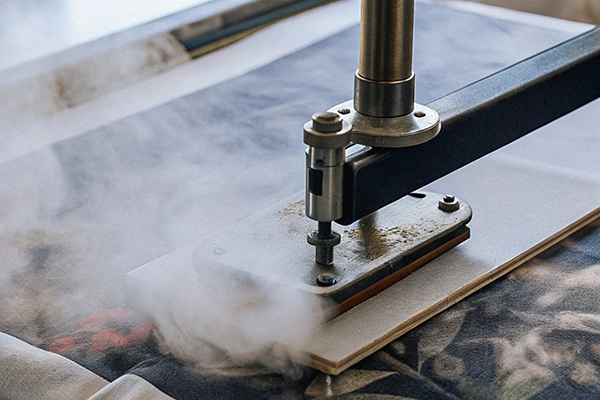
How the Sublimation Process Works
-
Design Creation
- The process starts with a digital design, which is printed onto sublimation paper using special sublimation inks.
-
Heat Transfer
- The sublimation paper is placed onto the fabric, and heat (usually around 400°F) is applied using a heat press1.
-
Ink-to-Gas Transformation
- The heat turns the ink into gas, which permeates the fabric’s fibers and solidifies upon cooling.
-
Permanent Bond
- The design becomes part of the fabric rather than sitting on its surface, resulting in vibrant, lightweight prints.
Key Features of Sublimated Clothing
-
Durable Designs: Sublimation doesn’t crack, peel, or fade, even after repeated washing.
-
Lightweight Feel: The process doesn’t add layers to the fabric, keeping it breathable and flexible.
-
Vivid Colors: Produces bright, detailed designs with no limits on color combinations or gradients.
Sublimated clothing is especially popular for sportswear because it combines aesthetic appeal with performance-focused features like moisture-wicking2 and stretchability.
How long does sublimation last on clothing?
Durability is one of the biggest advantages of sublimation, particularly for sportswear that undergoes heavy use.
Sublimation lasts as long as the garment itself because the design is embedded into the fabric, making it resistant to fading, cracking, and peeling.

Why Sublimation is So Durable
-
Integration with Fabric Fibers
-
Sublimation embeds the ink into the fabric, unlike traditional methods like screen printing or heat transfer, which apply the design on top.
-
This integration ensures the design stretches and moves with the fabric.
-
-
Wash Resistance
- Sublimation prints are highly resistant to washing, making them ideal for athletic gear that’s laundered frequently.
-
UV and Weather Resistance
- Sublimated designs don’t fade easily under UV exposure, making them perfect for outdoor sportswear.
Care Tips for Prolonging Sublimation
-
Wash in Cold Water: Prevents wear on the fabric and ink.
-
Avoid Bleach: Harsh chemicals can degrade the fabric over time.
-
Low Heat Drying: Air drying or low-heat settings keep the fabric and design intact.
How Long Does It Really Last?
If properly cared for, sublimated designs can last as long as the garment itself. For polyester sportswear, this means years of use with minimal fading or damage.
| Printing Method | Durability |
|---|---|
| Sublimation | Long-lasting, permanent |
| Screen Printing | Moderate, prone to cracking over time |
| Heat Transfer | Moderate, may peel after heavy washing |
Sublimation’s durability makes it the go-to choice for high-performance sportswear, ensuring the design remains vibrant and functional throughout the garment’s lifespan.
What fabric can you not sublimate on?
While sublimation is a versatile printing method, it doesn’t work on all fabrics.
You cannot sublimate on fabrics that are 100% cotton or made of natural fibers, as these materials don’t bond with sublimation inks.
Fabrics Suitable for Sublimation
-
Polyester
-
The ideal fabric for sublimation because its synthetic fibers bond effectively with sublimation ink.
-
Works best with 100% polyester or polyester blends with at least 65% polyester content.
-
-
Polyester-Coated Fabrics
- Hard surfaces like mousepads or mugs must have a polyester coating to accept sublimation ink.
Fabrics That Don’t Work
-
Cotton
-
Cotton fibers cannot absorb sublimation ink, leading to faded or incomplete designs.
-
Alternative: Use heat transfer vinyl3 or DTG printing4 for cotton garments.
-
-
Natural Fibers (Wool, Silk, Linen)
- Natural fibers lack the chemical structure needed for sublimation bonding.
-
Dark-Colored Fabrics
- Sublimation works best on white or light-colored fabrics. On dark fabrics, the ink becomes invisible since sublimation doesn’t include a white base layer.

Workarounds for Cotton and Dark Fabrics
-
Use a polyester coating spray5 on cotton to make it sublimation-compatible.
-
For dark fabrics, use a combination of heat transfer printing and sublimation for more vibrant results.
| Fabric Type | Sublimation Compatibility |
|---|---|
| Polyester | Best choice, excellent bonding |
| Polyester-Coated Surfaces | Works well for hard goods and non-fabric items |
| Cotton | Not compatible without coating |
| Natural Fibers | Not suitable |
| Dark Fabrics | Limited, works only with white/light colors |
Choosing the right fabric is crucial to ensuring sublimation prints are vibrant, long-lasting, and high quality.
Why is sublimation ideal for sportswear?
Sublimation’s unique features make it particularly well-suited for sportswear, where durability and performance are essential.
Benefits for Sportswear
-
Lightweight and Flexible
- Sublimated designs don’t add weight or stiffness, allowing athletes to move freely.
-
Moisture-Wicking Compatibility
- Polyester fabrics used in sublimation enhance moisture-wicking2, keeping athletes dry and comfortable.
-
Customization
- Sublimation allows for full-color, edge-to-edge designs, perfect for team uniforms or personalized gear.
-
Durability for Intense Use
- Sublimated sportswear withstands the rigors of heavy washing, stretching, and outdoor exposure.
Examples of Sublimated Sportswear
-
Team Jerseys: Custom names, numbers, and vibrant designs.
-
Running Apparel: Lightweight, breathable T-shirts and shorts.
-
Cycling Gear: All-over prints with aerodynamic designs.
Sublimation ensures sportswear looks professional while maintaining high performance for athletes.
Conclusion
Sublimated sportswear combines durability, vibrant designs, and performance, making it a top choice for athletic apparel. Sublimation printing integrates designs directly into polyester fabrics, ensuring they last as long as the garment itself without fading, cracking, or peeling. While it doesn’t work on cotton or natural fibers, its compatibility with polyester makes it perfect for moisture-wicking, lightweight sportswear. With proper care, sublimated clothing offers years of high-quality use, making it an excellent investment for teams, athletes, and active individuals.