Skip to content
Jeans are one of the most iconic pieces of clothing in fashion history. But have you ever wondered what makes them so durable, comfortable, and versatile?1
Jeans are primarily made from denim, a rugged cotton twill fabric, though modern variations often include elastane or polyester for added stretch and comfort.
Let’s dive into the materials and history behind this wardrobe staple.
What material is used to make jeans?
The choice of materials is crucial to the functionality and appeal of jeans.
Most jeans are made from denim,1 a cotton-based fabric known for its durability and distinct diagonal weave pattern.
Here’s why denim is ideal for jeans.
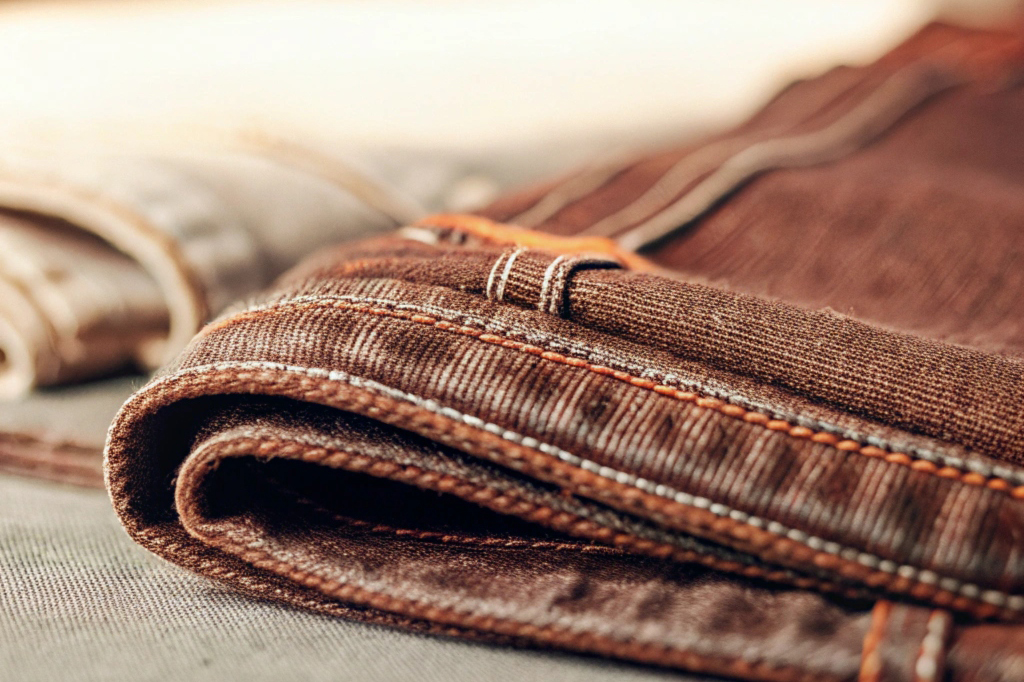
What Makes Denim Special?
- Twill Weave: The diagonal ribbing in denim provides strength and flexibility.
- Durability: Denim can withstand wear and tear, making it perfect for everyday use.
- Versatility: It’s easy to dye, especially with indigo, giving jeans their signature look.
Other Common Materials
While traditional jeans are made from 100% cotton denim, modern variations often include:
- Elastane or Spandex: For stretch and comfort in skinny or slim-fit jeans.
- Polyester: Adds durability and reduces shrinkage.
- Lycra: Enhances elasticity for a better fit.
The blend of materials often depends on the style and purpose of the jeans, from rugged workwear to fashionable skinny jeans.
Are jeans made of 100% cotton?
With so many fabric blends available, you might wonder if jeans are still made from pure cotton.2
Yes, some jeans are made of 100% cotton, especially traditional or vintage-style jeans. However, most modern jeans include synthetic fibers for stretch and durability.
Here’s how the fabric composition impacts the jeans’ characteristics.
100% Cotton Jeans
- Sturdier Feel: These jeans feel heavier and more rigid, perfect for classic styles.
- Breathable: Cotton is naturally breathable, making it ideal for warmer climates.
- Longer Break-in Period: Pure cotton jeans take time to soften and conform to your body.
Stretch Denim
- Enhanced Comfort: Blends with elastane or spandex provide flexibility.
- Ideal for Slim Fits: Stretch denim is used in styles like skinny or jeggings.
- Shape Retention: Synthetic fibers help jeans maintain their fit over time.
| Fabric Type | Key Features | Best For |
|---|---|---|
| 100% Cotton | Durable, breathable | Workwear, relaxed fits |
| Cotton + Elastane | Stretchy, comfortable | Slim and skinny fits |
| Cotton + Polyester | Lightweight, less shrinkage | Everyday wear, durability |
Understanding the fabric composition helps you choose jeans that match your preferences for comfort and style.

What are authentic jeans made of?
Authenticity in jeans often comes down to craftsmanship and materials.
Authentic jeans are typically made from heavyweight cotton denim with minimal synthetic fibers, staying true to traditional manufacturing techniques.
Characteristics of Authentic Jeans
- Selvedge Denim: Often considered the gold standard, selvedge denim is woven on old-school shuttle looms, resulting in clean, self-finished edges.
- Heavyweight Fabric: Authentic jeans usually weigh 12–16 oz per square yard, giving them a sturdy feel.
- Natural Indigo Dye: Many authentic jeans use natural or raw indigo dye for a rich, deep color that fades beautifully over time.
Modern vs. Authentic Jeans
| Feature | Authentic Jeans | Modern Jeans |
|---|---|---|
| Fabric | 100% heavyweight cotton | Cotton blends with synthetics |
| Weaving | Selvedge or traditional denim | Mass-produced denim |
| Design | Classic fits | Trend-driven styles |
Authentic jeans prioritize durability and timeless appeal, while modern jeans often focus on comfort and trends.
What were jeans originally made of?
Jeans have a fascinating origin story, rooted in practicality and innovation.
What were jeans originally made of?4
Originally, jeans were made of 100% cotton denim or a similar durable fabric known as “serge de Nîmes,” created for miners and laborers in the 19th century.
Let’s trace their history.
The Birth of Denim
The term “denim” comes from “serge de Nîmes,” a sturdy fabric originating in Nîmes, France. This material made its way to America, where it became the foundation for jeans.

Levi Strauss and the First Jeans
In 1873, Levi Strauss and Jacob Davis patented riveted work pants made from denim. These pants were designed for miners during the Gold Rush, offering:
- Exceptional Durability: Reinforced with copper rivets.
- Comfortable Fit: Loose enough for physical labor.
- Affordable Materials: Cotton was widely available and cost-effective.
Learn more about the history of denim and Levi Strauss.4
Evolution of Materials
Over time, denim’s composition evolved to meet changing demands:
- Mid-1900s: Introduction of pre-shrunk denim for easier wear.
- Late 1900s: Stretch denim gained popularity in fashion circles.
- Today: Eco-friendly and organic cotton blends5 cater to sustainability trends.
This journey from workwear to fashion icon highlights denim’s versatility and enduring appeal.
Conclusion
Jeans, with their rich history and adaptable materials, continue to dominate wardrobes worldwide. From traditional 100% cotton denim to modern blends with stretch fibers, the choice of materials defines their comfort, style, and purpose. Whether you prefer authentic heavyweight jeans or stretchy skinny fits, understanding their composition helps you make informed choices for your wardrobe.
Footnotes
-
Explains the characteristics of denim and its role in making durable jeans. ↩ ↩
-
Provides insights into modern vs. traditional fabric compositions. ↩
-
Offers detailed information about selvedge denim and its craftsmanship. ↩
-
Chronicles the origins and evolution of denim and jeans. ↩ ↩
-
Highlights sustainable options in modern denim production. ↩