Skip to content
The t-shirt business is often seen as an easy entry point into entrepreneurship. With low startup costs and wide appeal, it attracts countless new sellers every year. But does that mean the market is oversaturated?
The t-shirt market is highly competitive but not completely oversaturated. Success depends on niche targeting, quality, and creative branding.
Let’s explore the realities of this market, its growth potential, and whether it’s worth starting a t-shirt business today.
Is the clothing market oversaturated?
The global clothing market is undoubtedly crowded, with countless brands vying for consumer attention. But that doesn’t mean there’s no room for new entrants.
The clothing market is competitive, but niche-focused brands and innovative marketing can still carve out significant opportunities.1
Why Saturation Is Not the End
-
Consumer Demand is Constant:
- Clothing is a basic necessity, and fashion trends ensure ongoing demand.
- In 2023, the global apparel market was valued at over $1.5 trillion, with steady growth expected.
-
Opportunities in Niches:
- Successful brands like Gymshark (fitness apparel) and Life is Good (positive messaging) have thrived by targeting specific markets.
-
Emerging Trends:
- Sustainable fashion2, personalization, and size inclusivity are areas with growing demand.
Overcoming Market Competition
Understand Your Unique Value Proposition (UVP)
To stand out, focus on what makes your brand unique:
- A niche design theme (e.g., retro gaming graphics).
- Premium quality or sustainable materials.
- Engaging storytelling and brand identity.
Leverage Digital Marketing
- Use targeted social media ads to reach your ideal customers.
- Collaborate with influencers in your niche for organic promotion.
Example Case Study:
A small business selling eco-friendly t-shirts saw significant growth by targeting environmentally conscious consumers. Their UVP was using recycled cotton and minimalistic designs, which resonated with their audience.
Is the t-shirt industry growing?
Despite its competitive nature, the t-shirt industry continues to expand, driven by new trends and evolving consumer preferences.
Yes, the t-shirt industry is growing, with the custom t-shirt market alone projected to reach $10 billion by 2025. 3

Growth Drivers in the T-Shirt Industry
-
Customization Trends:
- Print-on-demand services make personalized t-shirts more accessible.
- Businesses and events increasingly order custom designs.
-
E-Commerce Boom:
- Online shopping platforms like Etsy, Shopify, and Amazon enable small sellers to reach global markets.
- Social media trends often boost demand for niche designs.
-
Sustainability Movement:
- Eco-friendly materials like organic cotton and bamboo are in high demand.
- Brands focusing on ethical production attract a loyal customer base.
T-Shirt Industry Segments Driving Growth
1. Activewear T-Shirts
With the rise of fitness culture, activewear t-shirts that wick sweat and provide comfort are increasingly popular.
2. Graphic Tees
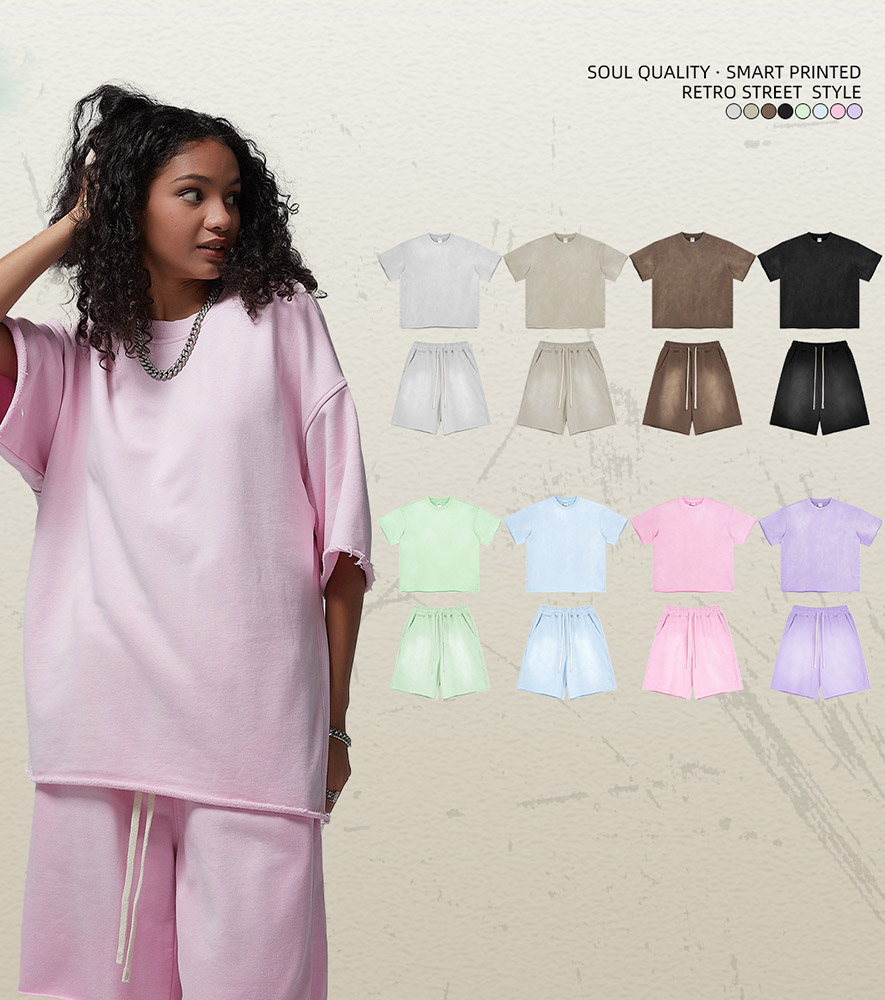
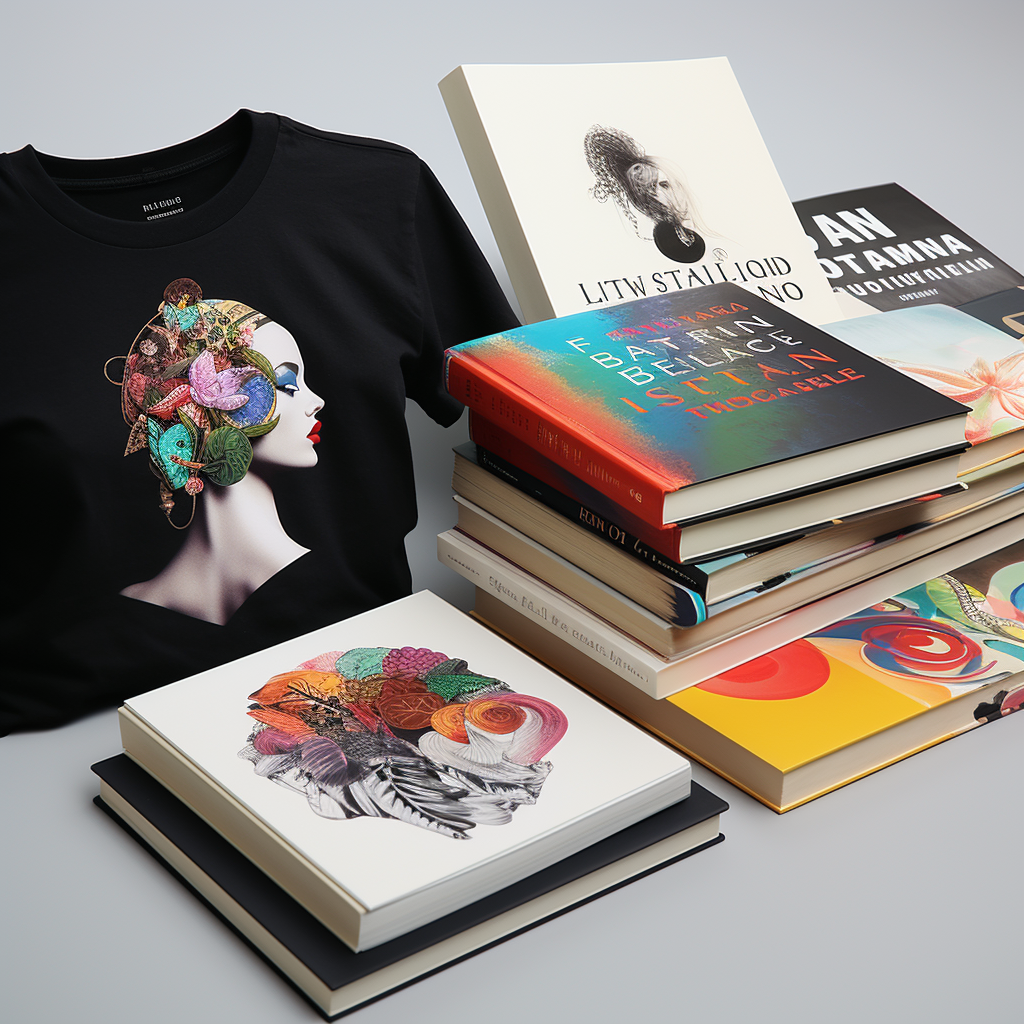
From pop culture references to political statements, graphic t-shirts remain a staple in self-expression.
3. Streetwear
Streetwear brands like Supreme and Off-White have elevated t-shirts into high-fashion items, commanding premium prices.
Growth Statistics:
- The CAGR (Compound Annual Growth Rate) of the global custom t-shirt market is estimated at 9.6% from 2021 to 2025.
- Asia-Pacific is the fastest-growing region due to manufacturing affordability and expanding consumer bases.

Is there a demand for t-shirts?
The demand for t-shirts is not just steady—it’s growing. As a wardrobe essential and versatile product, t-shirts have universal appeal.
The clothing market is competitive, but niche-focused brands and innovative marketing can still carve out significant opportunities.4
Why T-Shirts Remain in Demand
-
Versatility:
- T-shirts fit into various categories, from casual wear to uniforms, promotional items, and gifts.
-
Affordability:
- Their low cost makes them an accessible fashion item for all demographics.
-
Cultural Relevance:
- T-shirts often reflect personal identity, social movements, and pop culture trends.
Who Buys T-Shirts?
| Market Segment | Key Motivations | Examples |
|---|---|---|
| General Consumers | Comfort, style, affordability | Everyday casual wear |
| Businesses | Branding, promotional use | Company logo t-shirts |
| Nonprofits | Fundraising, awareness | Charity event t-shirts |
| Event Organizers | Souvenirs, group identity | Concert or marathon t-shirts |
Emerging Markets for T-Shirts
- Sustainable Apparel:
- Consumers are willing to pay a premium for eco-friendly and ethically made t-shirts.
- Personalized Gifts:
- Custom t-shirts are a popular choice for birthdays, weddings, and holidays.
Example Trend:
The rise of matching family t-shirts for vacations or holidays reflects how demand for personalized options is expanding.
Do t-shirts sell in the winter?
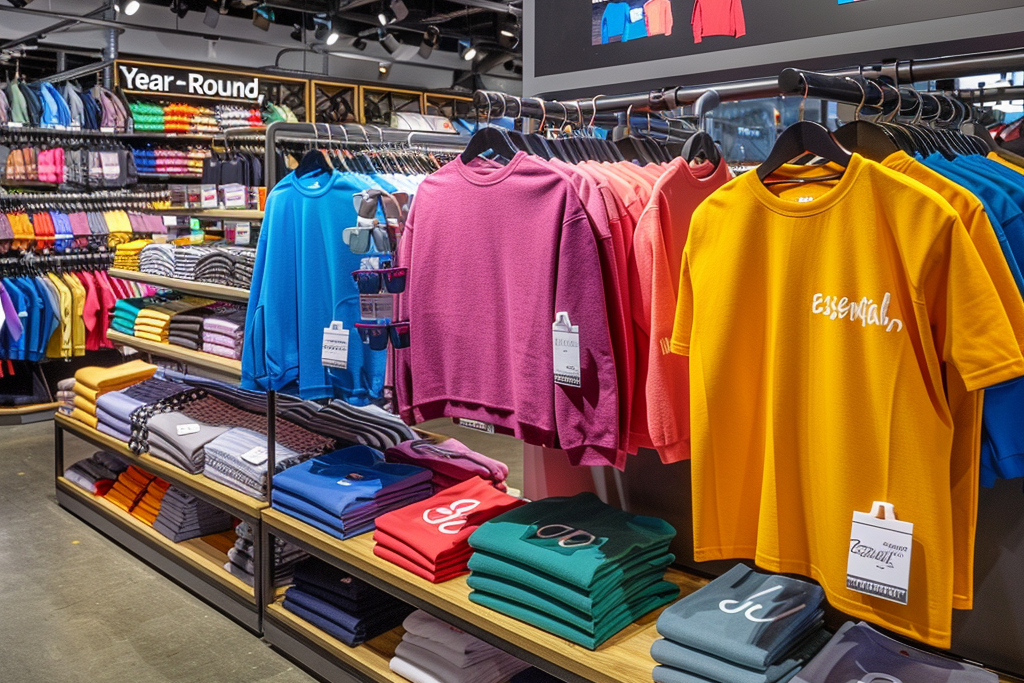
T-shirts are often seen as a summer staple, but they remain a year-round product thanks to their adaptability.
Yes, t-shirts sell in the winter, especially as base layers, promotional items, or styled with seasonal outfits. 5
How T-Shirts Stay Relevant in Winter
-
Layering Essential:
- T-shirts are often worn under sweaters, jackets, or coats during colder months.
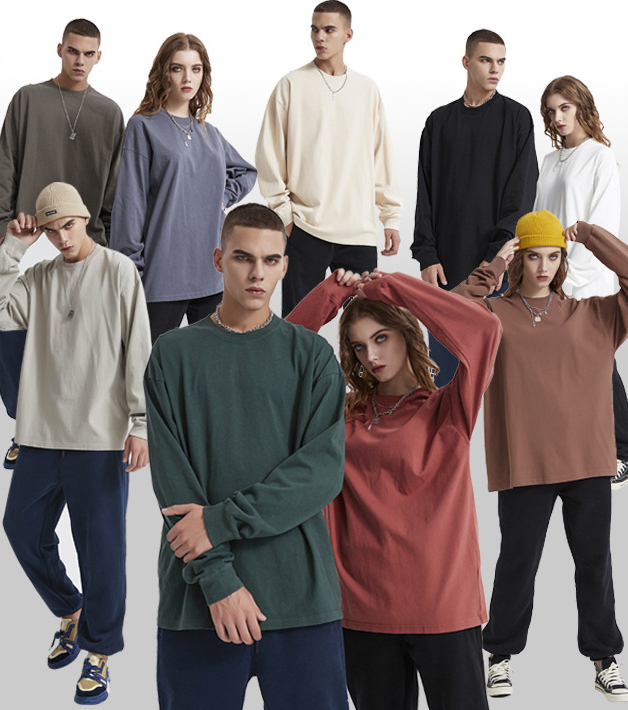
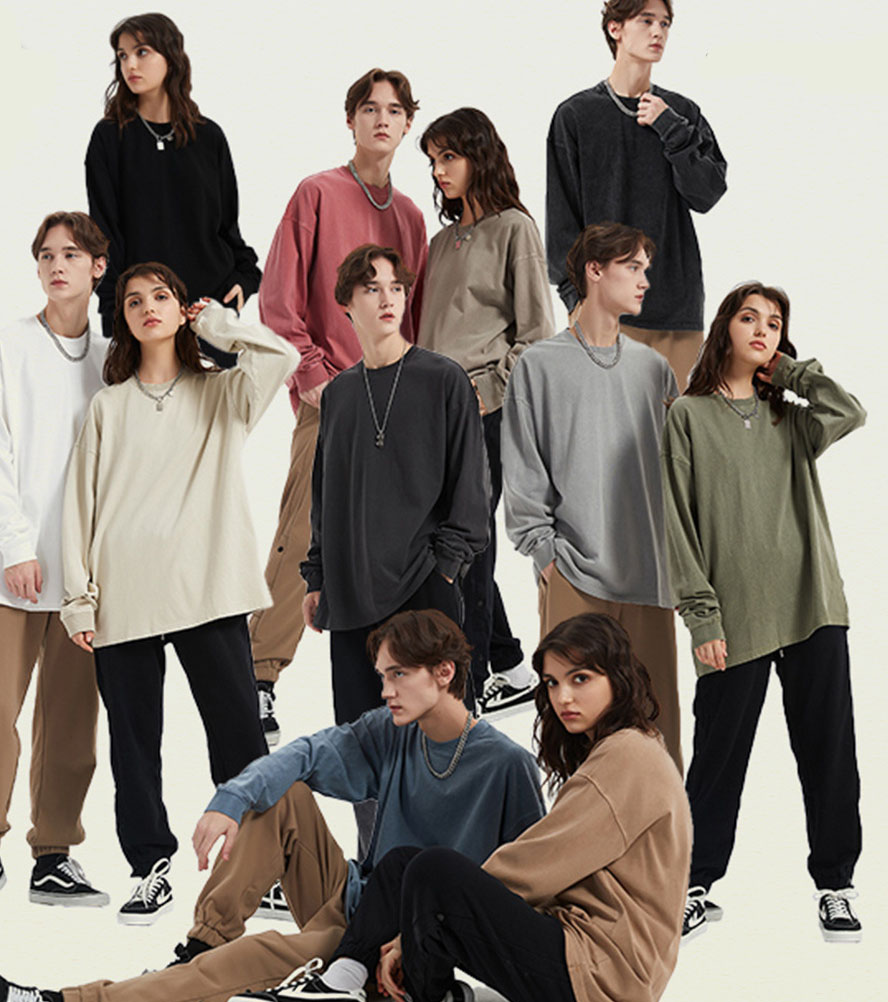
- Long-sleeve t-shirts and thermal tees see increased demand in winter.
-
Promotional Demand:
- Businesses and organizations continue to order t-shirts for events, branding, and giveaways, regardless of the season.
-
Fashion Trends:
- Graphic t-shirts paired with cardigans or oversized blazers remain a popular look in colder months.
Seasonal Strategies for Selling T-Shirts
Offer Long-Sleeve Options
Expand your inventory to include long-sleeve tees or lightweight sweatshirts during fall and winter.
Highlight Layering Styles
- Create marketing content showing how to style your t-shirts in winter outfits.
- Use terms like “perfect base layer” or “all-season essential” in product descriptions.
Seasonal Promotions
- Run holiday-themed campaigns featuring your best-selling designs.
- Example: “Holiday Bundle – Get 2 Graphic Tees and 1 Long-Sleeve Shirt at 20% Off!”
Winter Sales Case Study:
A small business focused on eco-friendly t-shirts saw steady winter sales by promoting their products as ideal gifts for holiday shopping. They added a few long-sleeve options and used festive packaging, boosting sales by 35% during the season.

Conclusion
While the t-shirt business is highly competitive, it is far from oversaturated. With steady growth in the industry, strong demand, and year-round relevance, success is achievable through niche targeting, creative designs, and effective marketing strategies. Whether it’s tapping into winter sales or exploring growing markets like sustainable fashion2, there’s plenty of opportunity for innovative t-shirt entrepreneurs.
-
Understand if the clothing market still has room for new entrants. ↩
-
Discover why eco-friendly t-shirts are becoming increasingly popular. ↩ ↩
-
Explore factors driving growth in the t-shirt market. ↩
-
Learn why t-shirts remain a popular product throughout the year. ↩
-
Understand how t-shirts adapt to seasonal sales trends. ↩