Skip to content
When choosing t-shirts, quality matters. Whether you’re creating a custom clothing line or shopping for personal use, the material significantly impacts comfort, durability, and style.
The highest quality material for t-shirts is typically 100% combed and ring-spun cotton1 for softness, durability, and breathability. For activewear, blends with polyester or bamboo excel.
Let’s explore how to identify premium t-shirt materials and what makes them the best choice for different needs.
What is the highest quality type of shirt printing?
The printing method used on t-shirts plays a vital role in the overall quality of the final product. A durable, vibrant print can elevate even a basic shirt.
Screen printing2 is widely regarded as the highest quality printing method for t-shirts due to its vibrant colors, longevity, and adaptability for different designs.
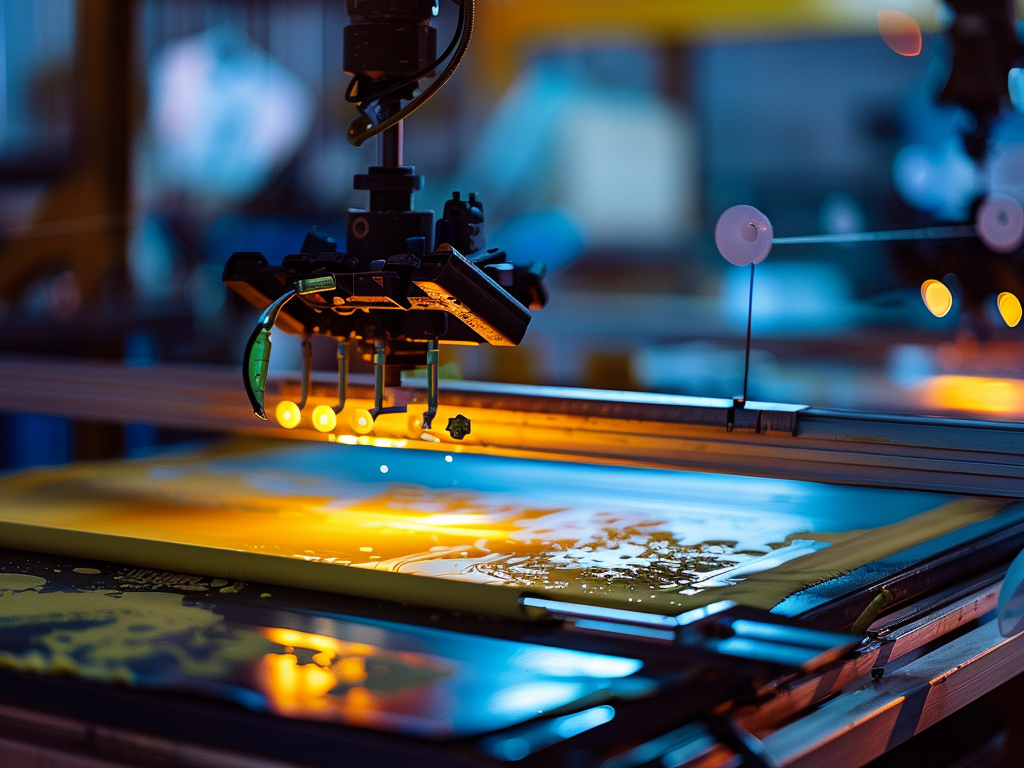
Popular T-Shirt Printing Methods
| Method | Key Benefits | Drawbacks |
|---|---|---|
| Screen Printing | Vibrant colors, durable, scalable | High setup cost for small orders |
| Direct-to-Garment (DTG) | High detail, no minimum orders | Less durable, slower for bulk |
| Heat Transfer Vinyl | Versatile finishes, cost-effective | Limited durability |
| Sublimation | Permanent prints, vibrant on polyester | Only works on light polyester fabrics |
Why Screen Printing Stands Out
- Vivid and Long-Lasting Prints: Screen printing creates bold, vivid designs that withstand multiple washes without fading.
- Adaptability: Works well on cotton, polyester, and blends.
- Bulk Friendly: Ideal for large orders, reducing per-unit cost.
Dive Deeper into Sublimation vs. DTG
Sublimation:
- Best for: Activewear and polyester-based garments.
- Longevity: Permanent print that becomes part of the fabric.
- Limitation: Requires light-colored garments.
DTG:
- Best for: Intricate, multi-colored designs on small batches.
- Longevity: Moderate but can fade after repeated washes.
Printing for High-End T-Shirts
For premium t-shirts, combine 100% combed cotton fabric with screen printing for an unbeatable blend of comfort and quality.

What t-shirts are the best quality?
The best quality t-shirts combine superior fabric, meticulous construction, and a well-thought-out design.
Premium-quality t-shirts often feature 100% combed and ring-spun cotton1, reinforced stitching, and pre-shrunk treatment for durability and comfort.
Key Features of High-Quality T-Shirts
-
Fabric:
- Combed and Ring-Spun Cotton: Provides a soft, smooth feel without loose fibers.
- Organic Cotton: Eco-friendly and softer than conventional cotton.
- Blends with Bamboo or Modal: Add stretch and moisture-wicking properties3.
-
Fit and Construction:
- Shoulder-to-shoulder taping for durability.
- Double-stitched hems for long-lasting wear.
-
Weight of the Fabric:
- Lightweight (4 oz.): Great for summer or layering.
- Midweight (5–6 oz.): Versatile for all seasons.
- Heavyweight (6.5+ oz.): Durable and sturdy for workwear.
What Makes a T-Shirt Premium?
Fabric Density and Finish
High-quality t-shirts often use tightly knit fabrics with a smooth finish. This improves the printing process and prevents the shirt from looking worn after a few washes.
| Type | Common GSM (Grams per Square Meter) | Feel/Usage |
|---|---|---|
| Lightweight Cotton | 120–140 GSM | Soft, breathable, casual wear |
| Midweight Cotton | 150–180 GSM | Versatile, everyday wear |
| Heavyweight Cotton | 190–220 GSM | Durable, premium look and feel |
Brand Examples
- American Apparel: Known for soft and form-fitting shirts made from combed cotton.
- Bella+Canvas: Offers durable yet lightweight t-shirts with eco-friendly options.
- Uniqlo Supima Cotton4: Affordable yet premium cotton with a polished look.
What t-shirt material lasts the longest?
Durability depends on the fabric’s ability to withstand frequent use, washing, and environmental factors without significant wear.
Polyester and polyester blends are the most durable t-shirt materials, resisting shrinkage, fading, and wrinkling better than cotton.
Top Materials for Longevity
-
Polyester:
- Highly resistant to tears and abrasions.
- Retains shape even after multiple washes.
- Dries quickly and resists wrinkles.
-
Blends (e.g., 50% Cotton, 50% Polyester):
- Combines the softness of cotton with polyester’s durability.
- Offers a balanced feel and longevity.
-
Tri-Blend (Cotton, Polyester, Rayon):
- Adds rayon for stretch and a silky texture.
- Ideal for athletic wear or casual use.
Cotton’s Role in Longevity
While cotton is not as durable as polyester, certain treatments enhance its lifespan:
- Combed and Ring-Spun Cotton: Removes impurities for stronger fibers.
- Mercerized Cotton5: Treated for extra strength and a shiny finish.
How to Extend the Lifespan of T-Shirts
Washing and Care Tips:
- Wash in cold water to prevent shrinkage.
- Use mild detergent to avoid damaging fibers.
- Avoid over-drying, which can weaken the fabric.
Practical Comparison: Cotton vs. Polyester
| Property | 100% Cotton | 100% Polyester |
|---|---|---|
| Durability | Moderate | High |
| Breathability | Excellent | Moderate |
| Shrinkage | High | Minimal |
| Environmental Impact | Biodegradable | Non-biodegradable |
Ideal Uses Based on Durability
- Choose cotton for casual, everyday wear.
- Use polyester blends for workwear or activewear.
Which material would be the best choice for the shirts?
Selecting the "best" material depends on your intended use, budget, and design requirements.
The best material for most t-shirts is 100% combed and ring-spun cotton1 for comfort or a cotton-polyester blend for performance and durability.
Tailoring Material Choices to Purpose
-
Casual Wear:
-
Activewear:
- Opt for polyester or moisture-wicking blends3.
- Keeps you dry and comfortable during exercise.
-
Eco-Friendly Options:
- Consider bamboo or recycled polyester.
- Sustainable without compromising quality.
How to Choose Based on Feel and Function
Fabric Texture
- For a soft, luxurious feel: Look for tri-blends or Supima cotton4.
- For rugged use: Heavyweight cotton or poly-cotton blends.
Climate Considerations
- Hot climates: Lightweight cotton or moisture-wicking fabrics.
- Cold climates: Heavyweight cotton for warmth and durability.
Cost vs. Quality
Premium fabrics like Supima4 or organic cotton are more expensive but offer long-term value. For budget-friendly options, cotton-poly blends provide durability at a lower cost.
| Purpose | Recommended Material | Key Benefit |
|---|---|---|
| Luxury T-Shirts | Supima4 or Organic Cotton | Soft, durable, eco-friendly |
| Custom Printing | Combed Cotton or Polyester Blend | Smooth surface, vibrant prints |
| Workwear or Uniforms | 50/50 Cotton-Polyester Blend | Durable, wrinkle-resistant |

Conclusion
The highest quality material for t-shirts depends on your priorities. For unmatched softness and comfort, choose combed and ring-spun cotton1. If durability and performance matter most, polyester blends are the way to go. By understanding the strengths of different fabrics, you can select the perfect t-shirt material for any purpose.