Skip to content
Linen-cotton fabric is a popular blend that combines linen’s cool breathability and natural texture with the softness and easy-care qualities of cotton.
This fabric is both versatile and durable, making it well-suited for everything from summer apparel to home textiles.
At Modaknits, we explore the unique properties, fashion applications, and environmental benefits of linen-cotton fabric, showcasing why it’s a preferred choice for consumers who value comfort, longevity, and sustainability in their clothing.
In this blog, we explore the unique qualities, environmental impact, and quality standards of linen-cotton fabric
What is Linen-Cotton Fabric?
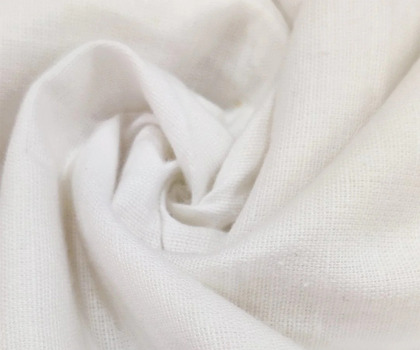
Linen-cotton fabric merges the breathable, textured qualities of linen with the soft, durable characteristics of cotton. Often blended in ratios such as 60% cotton to 40% linen, this fabric combines the airy feel of linen with cotton’s softness and flexibility, creating a material that’s ideal for warm-weather wear and home textiles. The blend balances linen’s moisture-wicking capabilities with cotton’s easy-care durability, offering comfort with a refined look.
Origin and Production of Linen-Cotton Fabric
Developed to improve upon the unique qualities of both fibers, linen-cotton fabric is made by weaving or knitting linen and cotton fibers, creating a versatile textile suitable for a range of applications. The blend is carefully crafted to ensure an ideal texture and breathability, popular in both fashion and interior design.

Historical Significance and Modern Usage
Originally blended to bring together the best of both fibers, linen-cotton fabric is now widely used in apparel and home decor. Today, it’s appreciated for its breathability, making it perfect for warm-weather clothing, loungewear, and light furnishings.
Linen-Cotton Fabric Today
At Modaknits, we focus on high-quality linen-cotton blends that offer a comfortable, breathable option for various styles. Our linen-cotton garments are designed to meet the needs of modern, eco-conscious consumers, ensuring versatility, comfort, and lasting durability.
What Makes Linen-Cotton Fabric Unique?
Linen-cotton fabric combines the breathable, airy qualities of linen with the softness and durability of cotton, creating a versatile textile suitable for both fashion and home use.
Key Characteristics and Qualities
- Softness and Comfort: Cotton’s smoothness enhances linen’s natural texture, creating a fabric that feels comfortable against the skin, ideal for warm-weather clothing and home textiles.
- Enhanced Breathability: Linen’s airy, moisture-wicking properties are complemented by cotton’s breathability, allowing for a cool, comfortable experience throughout the day.
- Durability and Easy Care: Cotton’s resilience improves the durability of linen, making this blend easier to care for and less prone to wrinkling than pure linen.
- Eco-Friendly Appeal: Linen is derived from the flax plant, and when paired with organic cotton, the fabric provides a more sustainable choice, appealing to environmentally-conscious consumers.
Comparison with Other Fabrics
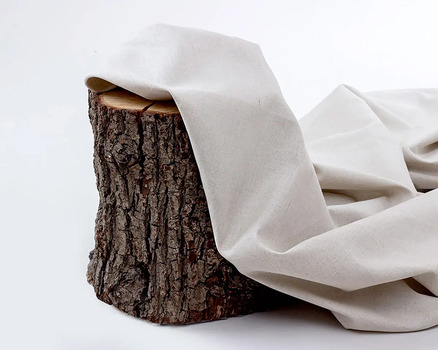
- Linen-Cotton vs. 100% Cotton: While 100% cotton is softer, linen-cotton offers improved moisture-wicking and a textured feel, making it perfect for those who seek both comfort and breathability.
- Linen-Cotton vs. 100% Linen: Pure linen is more prone to wrinkling and requires careful maintenance, whereas linen-cotton blends are easier to care for and have a softer touch.
- Linen-Cotton vs. Polyester Blends: Polyester blends are durable and low-maintenance but lack the natural feel, breathability, and eco-friendly benefits of linen-cotton, making the latter more appealing for sustainable and comfortable fashion.
The linen-cotton blend’s unique combination of breathability, softness, and durability makes it a sought-after choice for those looking for a sustainable, comfortable fabric suitable for various applications, from apparel to interior design.
How is Linen-Cotton Fabric Made?
Linen-cotton fabric combines the natural breathability and durability of linen with the softness and resilience of cotton, creating a versatile textile suitable for various apparel and home applications. The production process carefully balances these fibers to optimize comfort, durability, and eco-friendly attributes.
Production Process
- Fiber Blending: Linen-cotton blends generally consist of 60–70% cotton and 30–40% linen, although variations are available depending on the desired feel and appearance. This combination leverages cotton’s flexibility with linen’s strength and cool texture.
- Spinning: Linen and cotton fibers are spun together, creating a yarn that unites linen’s natural texture with cotton’s smoothness. This spinning process impacts the overall resilience, softness, and texture of the fabric.
- Weaving/Knitting: The fabric may be woven for structure or knitted for flexibility. Woven linen-cotton fabrics are popular in shirts and tailored garments, while knitted types are ideal for casual and loungewear, providing a soft, comfortable feel.
- Finishing: Linen-cotton fabric undergoes treatments like dyeing, softening, and pre-shrinking to enhance its color, texture, and durability. These treatments ensure that the fabric maintains its quality and appearance after multiple washes and wears.
Regions Known for Linen-Cotton Fabric Production
- China: As a global textile leader, China produces high-quality linen-cotton blends at competitive prices, serving both domestic and international markets.
- India: Known for sustainable textile practices, India produces linen-cotton blends emphasizing eco-friendly methods, meeting demand for breathable and durable fabrics.
- Turkey: With a strong textile industry, Turkey supplies linen-cotton blends to European markets, balancing high quality with efficient distribution.
This blend’s breathability, strength, and soft feel make it popular worldwide for various apparel and home textile needs, offering a practical yet eco-friendly option in the textile market.
What Are the Types of Linen-Cotton Fabric?
Linen-cotton fabric blends come in various types, each tailored for specific uses by combining linen’s strength and breathability with cotton’s softness. Here are the main types:
70/30 Linen-Cotton Blend
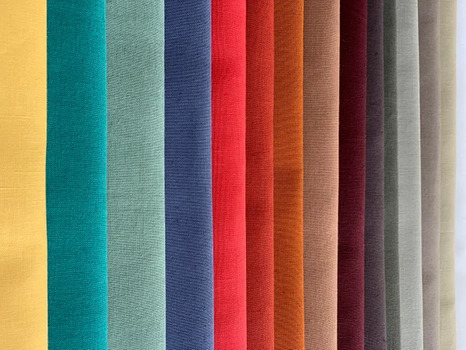
With 70% cotton and 30% linen, this blend prioritizes comfort and flexibility while maintaining linen’s cool texture. It is lightweight and breathable, ideal for casual wear and everyday garments like tops and dresses.
50/50 Linen-Cotton Blend
This equal blend balances the durability of linen with the softness of cotton, creating a fabric with moderate structure and comfort. It’s commonly used for shirts, blouses, and skirts where both drape and resilience are valued.
Brushed Linen-Cotton
Brushed linen-cotton fabric undergoes a special treatment to soften the fibers, adding warmth and a cozy feel. It’s ideal for cooler weather garments, such as sweatshirts and loungewear, combining linen’s breathability with cotton’s softness.
Lightweight Linen-Cotton
This blend has a higher percentage of linen (up to 80%), resulting in a lightweight, airy fabric suitable for warm weather. Its breathable texture makes it popular for summer garments like dresses, scarves, and blouses, providing a fresh and natural look.
These linen-cotton fabric types cater to a range of needs, from structured apparel to relaxed, breathable pieces, offering versatility and comfort in various styles.
How is Linen-Cotton Fabric Used in Textiles?
Linen-cotton fabric is a blend that combines the breathability and natural texture of linen with the softness and versatility of cotton, making it ideal across various textile applications. Here’s how it’s commonly used:
Fashion and Formal Wear
With a higher percentage of linen, linen-cotton blends bring a natural drape and subtle texture to garments like dresses, blouses, and skirts. This fabric provides a refined yet breathable option, making it popular for warm-weather formal and evening wear.
Casual and Everyday Apparel
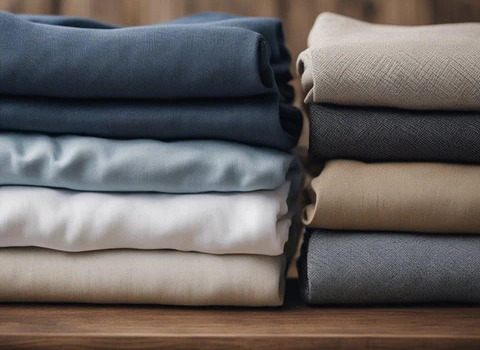
Enhanced with cotton’s durability, linen-cotton fabric is often used in tops, pants, and lightweight jackets. Its soft yet sturdy feel is perfect for everyday wear, ensuring comfort and long-lasting quality for all-day use.
Summer and Resort Wear
Linen-cotton blends are widely appreciated in summer clothing and resort wear for their breathability and moisture-wicking properties. These qualities make the fabric suitable for items like shorts, beach cover-ups, and airy blouses, allowing wearers to stay cool and comfortable.
Home Textiles and Bedding
In home textiles, linen-cotton is popular in bed linens, pillowcases, and cushion covers. Its breathable texture and natural aesthetic provide a luxurious yet functional option, offering comfort and a stylish look to home decor.
Linen-cotton fabric’s blend of comfort, durability, and natural appeal makes it a versatile choice for a wide range of fashion and home applications, embodying both eco-friendliness and style.
How Much Does Linen-Cotton Fabric Cost?
The cost of linen-cotton fabric varies based on the blend ratio, fabric quality, and production region. Here’s an overview for manufacturers and designers:
Linen-Cotton Fabric Costs in the United States
- High-Quality Blends (e.g., 70/30 or 60/40): Typically range from $10 to $25 per yard. These blends focus on linen’s natural texture combined with cotton’s softness, making them ideal for high-quality apparel and eco-conscious collections.
- Basic Blends: Generally priced between $6 and $12 per yard, offering a comfortable and cost-effective option suitable for casual wear and accessories.
Linen-Cotton Fabric Costs in China
- High-Quality Blends: Cost between $5 and $15 per yard due to lower labor and operational costs, supporting affordable bulk orders while maintaining fabric quality.
- Basic Blends: Usually priced between $3 and $8 per yard, making this blend an economical choice for widely-used apparel items like shirts, dresses, and home textiles.
Factors Influencing Linen-Cotton Fabric Prices
- Blend Ratio: Higher linen content can increase the price due to linen’s labor-intensive production, while cotton-heavy blends are generally more affordable.
- Production Location: U.S.-based production incurs higher costs due to labor expenses, while China remains a more cost-effective option.
- Quality Standards: Premium blends with specific performance characteristics or certifications may carry a higher price point.
Comparing Linen-Cotton Fabric Prices: U.S. vs. China
Linen-cotton fabrics sourced from China are generally 20% to 40% less expensive than in the United States, thanks to lower operational costs. This price flexibility allows Modaknits to source a variety of linen-cotton options, catering to both luxury and budget-friendly apparel lines.
How Does Linen-Cotton Fabric Impact the Environment?
The environmental footprint of linen-cotton fabric depends on how the linen and cotton fibers are cultivated and processed. Here’s a breakdown of both positive and negative environmental aspects associated with this blend:
Positive Environmental Impacts
- Renewable and Natural Fibers: Linen is derived from flax plants, and cotton from cotton plants, both renewable resources that, when organically sourced, reduce reliance on synthetic materials.
- Biodegradability: Linen-cotton blends are highly biodegradable compared to synthetic fabrics, which means they break down faster when disposed of, contributing less to landfill waste.
- Low Impact of Linen Production: Linen production is typically less water- and chemical-intensive than conventional cotton, making it a more environmentally friendly option in terms of resource use and soil health.
Negative Environmental Impacts
- Water and Pesticide Use in Cotton Production: Traditional cotton farming can be highly water- and pesticide-intensive, impacting local water supplies and potentially harming soil health. Non-organic cotton farming can also lead to pollution if chemicals are not managed carefully.
- Energy Use in Fabric Production: Although linen itself has a low environmental footprint, the production process for linen-cotton blends still requires energy, which can have an environmental impact if not managed sustainably.
Sustainable Practices
- Organic Cotton: Using certified organic cotton in linen-cotton blends helps minimize water usage and avoids synthetic pesticides, promoting healthier ecosystems and soil quality.
- Sustainable Linen Sourcing: Sourcing linen from suppliers who prioritize environmentally responsible practices, such as regenerative agriculture, helps further reduce its environmental impact.
- Eco-Friendly Dyeing Techniques: Employing low-impact dyes and water-saving dyeing methods helps reduce water pollution and conserves water, contributing to a more sustainable production process.
By incorporating these sustainable practices, Modaknits offers linen-cotton fabrics that align with eco-friendly standards while maintaining the comfort and quality expected in modern textiles.
Ensuring Linen-Cotton Fabric Quality and Certification
At Modaknits, we prioritize the quality and environmental responsibility of our linen-cotton fabrics, maintaining high standards of comfort, durability, and sustainability.
Key Quality Indicators
- Softness and Durability: By combining premium linen and cotton fibers, we produce a fabric that balances the softness of cotton with the strength and resilience of linen. This blend results in a fabric that’s comfortable for everyday wear and durable enough for long-term use.
- Breathability and Versatility: Our linen-cotton fabrics provide excellent breathability, making them comfortable for warm weather and a versatile choice for various styles. The natural qualities of both fibers help regulate body temperature, enhancing comfort across different applications.
Certifications and Sustainability
- OEKO-TEX® Certification: Our linen-cotton fabrics are certified to OEKO-TEX® Standard 100, ensuring they are free from harmful substances and safe for skin contact. This certification aligns with global environmental and safety standards, providing peace of mind for eco-conscious consumers.
- ISO Standards Compliance: Modaknits adheres to ISO standards in both quality management and environmental practices. Our commitment to efficient production and waste reduction helps minimize the ecological impact of our linen-cotton fabrics.
Through these quality standards and certifications, Modaknits ensures our linen-cotton fabrics offer sustainable, breathable, and reliable options for both fashion and everyday apparel needs.
For more information about our fabrics or to explore our product catalog, please contact us.