Skip to content
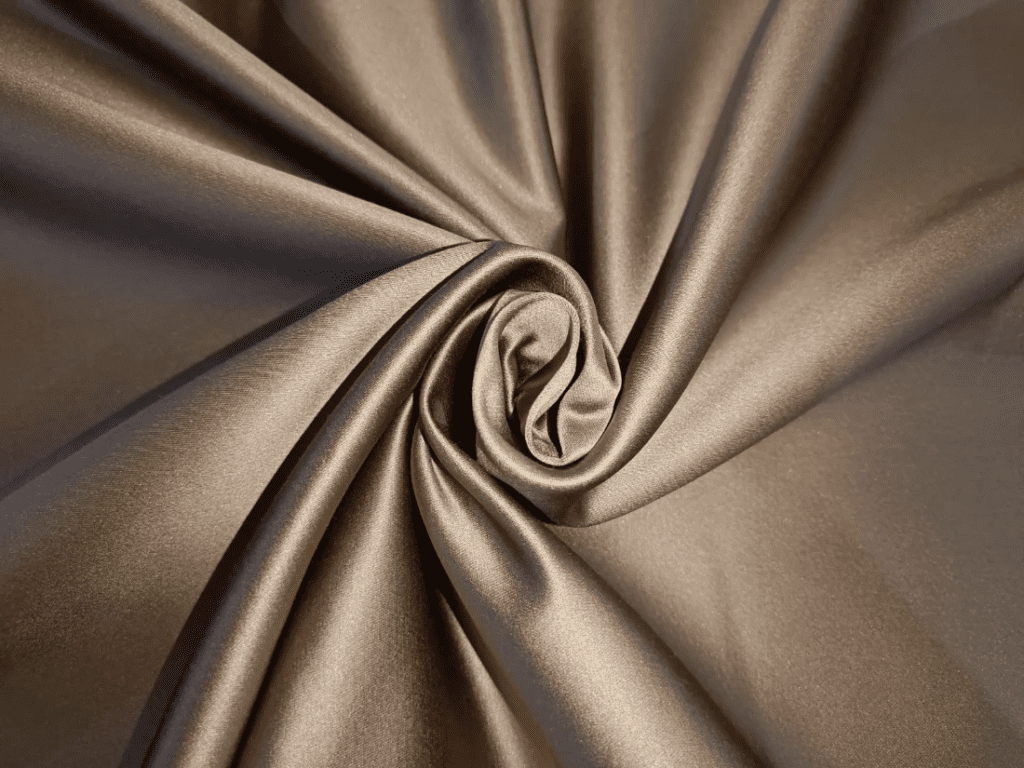
Silk-cotton fabric blends the luxurious softness and sheen of silk with the comfort and durability of cotton, creating a versatile textile that suits both elegant and casual applications.
This unique combination results in a fabric that is lightweight, breathable, and subtly lustrous, ideal for garments like blouses, dresses, and scarves.
In this blog, we explore the characteristics, uses, and environmental impact of silk-cotton fabric, as well as quality standards that ensure lasting quality and responsible production practices.

What is Silk-Cotton Fabric?
Silk-cotton fabric combines the luxurious sheen and smoothness of silk with the breathability and softness of cotton. Often blended in ratios like 70% cotton to 30% silk, this hybrid fabric achieves a unique balance of elegance and comfort, making it versatile for various fashion and decor applications. Silk fibers contribute luster and drape, while cotton enhances comfort and durability, making this fabric suitable for high-end garments that are both beautiful and practical.
Origin and Production of Silk-Cotton Fabric
The silk-cotton blend was developed to combine the best attributes of both fibers, offering a cost-effective alternative to pure silk without sacrificing quality. Production involves carefully weaving or knitting silk and cotton fibers to maximize each fiber’s strengths. This process is often carried out in specialized textile facilities, where advancements in fiber blending and finishing ensure an even distribution of silk’s sheen and cotton’s softness across the fabric.

Historical Significance and Modern Usage
Initially, silk-cotton fabric was created as an accessible luxury, allowing more people to enjoy the feel of silk at a lower cost. Today, it’s widely used in blouses, dresses, scarves, and even home decor, celebrated for its lightweight yet durable qualities. The fabric is particularly valued for its breathable, non-irritating feel on the skin, which makes it ideal for warm-weather clothing.
Silk-Cotton Fabric Today
At Modaknits, we focus on high-quality silk-cotton blends that provide a comfortable, sophisticated option for various styles. Our silk-cotton garments are designed to offer a balance of elegance and practicality, ensuring they retain their luster, comfort, and durability across diverse wardrobe needs.
What Makes Silk-Cotton Fabric Unique?
Silk-cotton fabric blends the softness and breathability of cotton with the luxurious sheen and drape of silk, creating a fabric that is both elegant and comfortable. Its unique properties make it versatile for high-end fashion and breathable enough for everyday wear.
Key Characteristics and Qualities
- Softness and Comfort: Cotton adds a soft, breathable layer, making the fabric cool and comfortable for all-day wear, especially in warmer weather. Silk’s smoothness enhances the tactile experience, giving garments a luxurious feel.
- Lustrous Appearance: Silk’s natural sheen provides a subtle shine that elevates the visual appeal, making it ideal for garments meant to make a statement, such as blouses, dresses, and scarves.
- Lightweight Yet Durable: Silk-cotton blends are lightweight but retain the strength needed for durability. Cotton contributes resilience, while silk ensures the fabric maintains its shape over time, reducing signs of wear and tear.
- Temperature Regulation: Silk and cotton’s combined breathability and moisture-wicking abilities make the fabric suitable for varied climates, keeping wearers comfortable in both warm and cool conditions.
Comparison with Other Fabrics
- Silk-Cotton vs. 100% Cotton: Cotton alone is soft and breathable but lacks silk’s shine and fluid drape. Silk-cotton blends offer a more luxurious alternative with similar comfort.
- Silk-Cotton vs. Pure Silk: While pure silk is prized for its shine and softness, it requires delicate care and can be less breathable than silk-cotton blends, which are easier to maintain.
- Silk-Cotton vs. Poly-Cotton: Poly-cotton blends are durable and low-maintenance, but they lack the natural sheen and softness of silk-cotton, making silk-cotton the preferred choice for upscale, breathable garments.
Silk-cotton fabric’s balanced blend of luxury and practicality makes it a favored choice in both high-end fashion and comfortable, breathable attire, ensuring that garments are both visually appealing and easy to wear.
How is Silk-Cotton Fabric Made?
Silk-cotton fabric combines the breathable softness of cotton with the luxurious feel and luster of silk, resulting in a blend highly valued for both comfort and elegance. The production process carefully balances both fibers to create a fabric suitable for a wide range of apparel, from high-end fashion to everyday wear.
Production Process
- Fiber Blending: Typically, silk-cotton fabric is made with a blend ratio around 70% cotton and 30% silk, though variations exist based on the desired texture and sheen. This blend optimizes silk’s smoothness and shine with cotton’s breathability and resilience.
- Spinning: The blended fibers are spun into yarn, a step that impacts the fabric’s smoothness and strength. High-quality spinning ensures consistency in texture and durability, preserving both silk’s luxurious finish and cotton’s comfort.
- Weaving/Knitting: Silk-cotton fabrics are usually woven to maintain a balanced drape and sheen. The weave enhances the fabric’s appearance, making it ideal for applications in both casual and luxury apparel.
- Finishing: The fabric undergoes treatments like dyeing, softening, and pre-shrinking. These processes ensure the fabric maintains color vibrancy, softness, and shape retention through wear and washing, resulting in a long-lasting, high-quality textile.
Regions Known for Silk-Cotton Fabric Production
- China: As a major textile producer, China leads in silk-cotton fabric production, meeting global demand with high-quality, cost-effective options.
- India: Known for its silk and cotton heritage, India produces silk-cotton blends that are popular locally and internationally, especially in traditional garments and high-fashion markets.
- Italy: Renowned for luxury textiles, Italy’s silk-cotton blends are crafted to meet high standards of quality, often catering to premium fashion markets in Europe.
This combination of silk and cotton yields a versatile, elegant fabric valued worldwide for its unique blend of comfort and sophistication.
What Are the Types of Silk-cotton Fabric?
Silk-cotton fabric blends are available in several varieties, each tailored to specific applications and offering a balance of silk’s luxurious feel with cotton’s breathable comfort. Here are the main types:
70/30 Silk-Cotton Blend
This blend contains 70% cotton and 30% silk, prioritizing cotton’s breathability while incorporating enough silk for a subtle sheen and smooth feel. It’s popular in summer garments like blouses and dresses, providing comfort with a touch of elegance.

50/50 Silk-Cotton Blend
An equal blend of silk and cotton, this type strikes a balance between softness, sheen, and breathability. Known for its luxurious drape and durability, it’s commonly used in high-end fashion for scarves, shirts, and dresses that require both elegance and comfort.
Brushed Silk-Cotton
Brushed silk-cotton fabric undergoes a special finishing process to soften its surface, creating a warm, cozy texture. This type is ideal for loungewear, bedding, and winter wear, as it provides warmth while maintaining the smooth feel of silk and the breathability of cotton.
Lightweight Silk-Cotton
This blend uses a higher percentage of silk, often up to 80%, with a small amount of cotton. It results in a lightweight, sheer fabric ideal for evening wear, scarves, and summer layers where a delicate, airy look is desired.
These silk-cotton fabric types cater to diverse fashion needs, from breathable casual wear to luxurious, lightweight pieces, offering a versatile blend of comfort, elegance, and style.
How is Silk-Cotton Fabric Used in Textiles?
Silk-cotton fabric blends the softness of cotton with the luxurious sheen of silk, making it a popular choice for both high-end and casual applications across the textile industry. Here’s how silk-cotton fabric is commonly utilized:
Fashion and Evening Wear
Silk-cotton blends with a higher percentage of silk are favored in fashion for creating elegant garments, such as dresses, blouses, and scarves. The fabric’s natural luster and drape add sophistication, making it a preferred choice for evening and formal wear where a soft, flowing look is desired.
Everyday Apparel
With blends containing more cotton, silk-cotton fabric is ideal for everyday clothing like shirts, skirts, and lightweight sweaters. This blend provides breathability and a comfortable fit, maintaining its elegance while being wearable for daily activities.
Bedding and Home Textiles
Silk-cotton fabric is often used in high-quality bed linens, pillowcases, and duvet covers. The blend combines silk’s smooth feel with cotton’s durability, offering comfort and a touch of luxury in home textiles. Its breathability also enhances comfort for year-round use.
Accessories
In accessories, silk-cotton is commonly used for items such as scarves, wraps, and headbands. Its lightweight and smooth texture make it ideal for creating accessories that feel gentle on the skin while adding a refined touch to any outfit.
The versatility and luxurious comfort of silk-cotton fabric make it a sought-after choice across both apparel and home decor, providing an adaptable, stylish solution for various applications.
How Much Does Silk-Cotton Fabric Cost?
The cost of silk-cotton fabric depends on factors like blend ratio, fabric quality, and production location. Below is a general price guide for manufacturers and designers:
Silk-Cotton Fabric Costs in the United States
- High-Quality Blends (e.g., 50/50): Typically range from $12 to $30 per yard. These blends, which balance silk’s softness and sheen with cotton’s breathability, are favored for premium garments and formal attire.
- Basic Blends: Generally priced between $8 and $15 per yard, suitable for everyday wear. This range offers a comfortable and attractive fabric while keeping production costs manageable.

Silk-Cotton Fabric Costs in China
- High-Quality Blends: Prices range from $7 to $20 per yard due to lower labor and production costs, making it affordable for large-scale production while maintaining quality.
- Basic Blends: Usually priced between $4 and $10 per yard, ideal for cost-effective production of widely-used apparel items like blouses and scarves.
Factors Influencing Silk-Cotton Fabric Prices
- Blend Ratio: Higher silk content increases cost due to silk’s premium nature, while higher cotton content tends to be more affordable.
- Production Location: Fabrics made in the U.S. often carry higher prices due to labor costs, while Chinese production remains more cost-effective.
- Quality Standards: Premium blends with refined textures or specific certifications may carry a higher price point.
Comparing Silk-Cotton Fabric Prices: U.S. vs. China
Silk-cotton fabrics sourced from China are generally 20% to 40% less expensive than in the United States, thanks to lower operational expenses. Sourcing from China allows Modaknits access to a wide range of silk-cotton blends, meeting various market needs while balancing cost and quality.
How Does Silk-Cotton Fabric Impact the Environment?
The environmental footprint of silk-cotton fabric depends on the sourcing and production methods of both fibers. Here’s an overview of the positive and negative environmental aspects related to silk-cotton fabric:
Positive Environmental Impacts
- Biodegradability: Both silk and cotton are natural, biodegradable fibers. This makes silk-cotton fabric more environmentally friendly than synthetic blends, as it decomposes more quickly and minimizes long-term waste.
- Reduced Need for Synthetic Fibers: By blending silk with cotton, this fabric reduces reliance on non-renewable synthetic fibers, potentially lowering the ecological impact compared to synthetic blends.
- Resource Efficiency: Cotton’s breathability reduces the need for synthetic performance finishes, while silk’s natural sheen often eliminates the need for chemical processing to add shine, making production cleaner.
Negative Environmental Impacts
- High Water Use in Cotton Production: Conventional cotton farming often requires significant water resources. This demand can strain local water supplies, especially in arid regions, impacting ecosystems and communities.
- Silk Production Challenges: Producing silk can be labor-intensive and requires energy, often involving resources like water and mulberry leaves for the silkworms. Some traditional methods may impact local resources if not sustainably managed.
- Pesticide Use in Conventional Cotton: Cotton farming can also involve pesticides and fertilizers, contributing to water and soil pollution. Unless organic cotton is used, this can negatively impact the environment and surrounding wildlife.
Sustainable Practices
- Organic Cotton: Using organic cotton in silk-cotton blends eliminates the need for harmful pesticides and fertilizers, promoting better soil health and reducing water pollution.
- Responsible Silk Sourcing: Choosing silk from farms that prioritize sustainable practices, such as regenerative agriculture, can help lower the environmental impact of silk production.
- Eco-Friendly Dyeing: Implementing low-impact dyeing techniques for silk-cotton fabrics reduces water and chemical waste, supporting cleaner production and minimizing pollution.
By incorporating these sustainable methods, we aim to lessen the environmental impact of silk-cotton fabric, offering high-quality, eco-conscious options for versatile, luxury garments.
Ensuring Silk-Cotton Fabric Quality and Certification
At Modaknits, we emphasize the quality and sustainability of our silk-cotton fabrics, ensuring they meet high standards for comfort, durability, and environmental responsibility.
Key Quality Indicators
- Softness and Strength: By sourcing high-quality silk and cotton, we ensure a balanced fabric that combines the smoothness of silk with the durability of cotton. This blend results in a fabric that can withstand regular wear while offering luxurious comfort, suitable for both everyday and high-end applications.
- Breathability and Feel: Our silk-cotton fabrics provide a lightweight, breathable experience. This blend retains the natural ventilation properties of cotton while adding silk’s smooth texture, making it versatile and comfortable across various garment styles.

Certifications and Sustainability
- OEKO-TEX® Certification: All our silk-cotton fabrics are certified under the OEKO-TEX® Standard 100, verifying that they are free from harmful chemicals. This certification ensures that our fabrics are safe for skin contact and meet international environmental standards.
- ISO Standards Compliance: Modaknits adheres to ISO standards in quality management and environmental practices. By maintaining efficient production and minimizing waste, we reduce the ecological footprint of our silk-cotton fabrics.
Through these quality practices and certifications, Modaknits guarantees that our silk-cotton fabrics deliver premium comfort, elegance, and sustainability, aligning with the needs of modern, eco-conscious fashion.
For more information about our fabrics or to explore our product catalog, please contact us.