Skip to content
Acrylic fabric is a synthetic textile known for its durability, affordability, and versatility.
It is widely used in the fashion industry for various types of garments due to its ability to mimic the look and feel of wool while offering superior resistance to weather and wear.
In this blog, we will explore the characteristics of acrylic fabric, its applications in fashion, and its impact on the environment.
What is Acrylic Fabric?
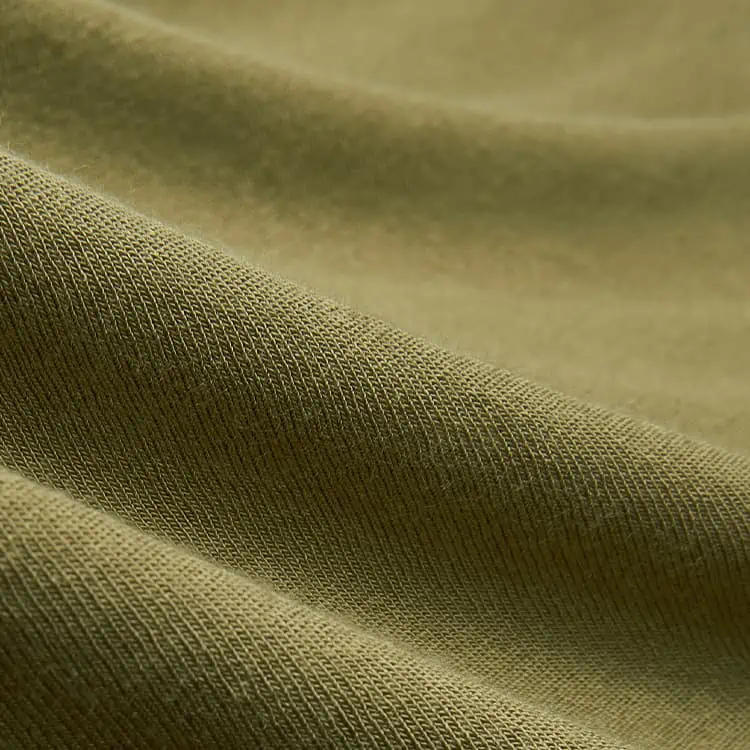
Acrylic fabric is a synthetic textile made from fibers derived from acrylonitrile, a compound obtained from petroleum byproducts. It was developed in the 1940s as a cost-effective alternative to wool and has since gained popularity for its warmth, softness, and durability. Acrylic fabric is often used in clothing, particularly in sweaters, socks, and outdoor gear, due to its wool-like qualities, making it ideal for colder climates.
Origin and Production of Acrylic Fabric
Acrylic fabric was first introduced commercially in the mid-20th century, offering a cheaper and more versatile alternative to natural fibers like wool. The production process starts by polymerizing acrylonitrile into a liquid, which is then spun into fibers through a wet or dry spinning method. These fibers are subsequently woven or knitted into fabric. Acrylic is also known for its ability to take on vibrant colors, making it a favorite for manufacturers looking to produce long-lasting, colorfast garments.

Historical Significance and Modern Usage
Since its inception, acrylic fabric has been embraced by the fashion industry for its versatility and affordability. During the 1950s and 60s, it was widely adopted in winter clothing, blankets, and upholstery. Today, acrylic is still used in fashion, outdoor apparel, and home textiles, often blended with other fibers to improve its texture and durability. Its moisture resistance and lightweight properties make it suitable for activewear and casual clothing.
Acrylic Fabric Today
Acrylic continues to be used as a functional and cost-efficient material in fashion and home textiles. While it offers many advantages such as warmth and easy care, there are environmental concerns related to its petroleum-based origin and its non-biodegradable nature. Advances in recycling and responsible production methods, however, aim to address some of these concerns. At Modaknits, we use acrylic fabrics thoughtfully, blending innovation with sustainability to create stylish yet functional garments.
What Makes Acrylic Fabric Unique?
Acrylic fabric is highly regarded in the textile industry due to its unique combination of practical and cost-effective qualities. These characteristics make it a versatile material for both fashion and home textiles.
Key Characteristics and Qualities
- Lightweight and Warm: Acrylic fabric offers excellent insulation while being much lighter than wool. It provides warmth without the bulk, making it ideal for winter garments such as sweaters, scarves, and blankets.
- Affordability: One of the most attractive aspects of acrylic fabric is its affordability. It delivers a wool-like texture and appearance at a lower cost, making it an accessible option for various budgets.
- Moisture-Wicking and Quick-Drying: Acrylic fabric repels water and dries much faster than many natural fibers. This makes it particularly useful in outdoor and sportswear, where quick-drying properties are essential for comfort.
- Wrinkle and Shrinkage Resistance: Acrylic fabric resists wrinkles and does not shrink easily, making it low-maintenance. It maintains its shape and appearance even after frequent washing, making it a practical choice for everyday clothing.
- Color Fastness: Acrylic fabric holds vibrant colors well and resists fading, even with repeated washing. This durability in color retention makes it popular in fashion for bold and bright garments.

Comparison with Other Fabrics
- Acrylic vs. Wool: While wool is heavier and can feel itchy, acrylic offers similar warmth but is lighter and softer. Acrylic is also more affordable and easier to care for since it resists shrinkage and is machine-washable.
- Acrylic vs. Polyester: Both are synthetic, but acrylic is softer and warmer than polyester. However, polyester may offer better breathability, while acrylic excels in insulation and warmth.
- Acrylic vs. Cotton: Cotton is breathable and natural but lacks the insulation acrylic offers. Acrylic is better for cold-weather garments, while cotton is preferred for summer wear due to its breathability.
Acrylic fabric’s blend of warmth, softness, durability, and cost-effectiveness makes it a popular choice in fashion, outdoor apparel, and home textiles. Its versatility ensures it remains a staple in modern textile manufacturing.
How is Acrylic Fabric Made?
The production of acrylic fabric involves several stages that transform petroleum-based materials into a synthetic textile.

Each step is crucial for ensuring the fabric’s durability, softness, and color retention, making acrylic a popular choice for a wide range of garments.
Production Process
- Polymerization: The process begins with polymerizing acrylonitrile, a petroleum-based compound, into a liquid form. This chemical transformation creates the long polymer chains that form the foundation of acrylic fibers.
- Extrusion: The liquid polymer is extruded through a spinneret, a device that forces the liquid into thin, continuous fibers. As the fibers are extruded, they are solidified by cooling or chemical treatment.
- Spinning: After extrusion, the fibers are spun into yarn. The thickness of the yarn can vary based on its intended application, with finer yarn used for lightweight fabrics and thicker yarn used for more durable textiles.
- Weaving or Knitting: The spun yarn is either woven or knitted into fabric, depending on the final use. Weaving creates a more structured, durable fabric, while knitting produces a softer, stretchier textile ideal for casual or activewear.
- Finishing: The last stage of acrylic fabric production involves dyeing and finishing treatments. The fabric is often dyed in bright, long-lasting colors and undergoes additional treatments to enhance its softness, durability, and resistance to shrinkage and wrinkles.
Regions Known for Acrylic Fabric Production
- China: A leading global producer of acrylic fabric, China manufactures large volumes of affordable acrylic textiles.
- India: India is another major producer, offering a wide range of acrylic fabrics for both domestic and export markets.
- United States: While not as dominant in volume, the U.S. focuses on specialty acrylic textiles, often for outdoor and performance apparel.
Acrylic fabric’s affordability, warmth, and versatility make it a staple in both fashion and home textiles.
What Are the Types of Acrylic Fabric?
Acrylic fabric is available in various forms, each offering unique benefits depending on the specific use case.
These types are categorized based on the fiber’s composition and processing method, catering to different performance requirements in the textile industry.
- Standard Acrylic: This is the most common form of acrylic fabric, known for its wool-like qualities. It is lightweight, soft, and warm, making it suitable for sweaters, scarves, and blankets. It provides an affordable alternative to natural fibers like wool, especially in winter clothing and home textiles.
- Acrylic Blends: Acrylic is often blended with other fibers such as cotton, wool, or polyester to enhance durability, elasticity, or softness. These blends are commonly used in a wide range of clothing, including outerwear, activewear, and everyday apparel, offering a balance of comfort, performance, and longevity.
- Micro Acrylic: A more refined version of acrylic, micro acrylic fabric is softer and finer than standard acrylic. It mimics the feel of luxury fibers and is often used in high-end clothing and textiles, such as cozy blankets, plush sweaters, and premium upholstery.
Each type of acrylic fabric offers distinct characteristics, making it a versatile material used across a range of fashion applications, from casual wear to luxury home décor. Its adaptability and affordability continue to make it a popular choice in the textile industry.
How is Acrylic Fabric Used in Textiles?
Acrylic fabric is highly adaptable and is widely used across various fashion and home textile applications due to its versatility, warmth, and durability. Here are some common uses of acrylic fabric:

- Casual Wear: Acrylic fabric is often used in sweaters, cardigans, and other winter garments. Its wool-like texture provides warmth and softness, making it a cost-effective alternative to wool for everyday wear, especially in cold weather apparel like scarves, hats, and gloves.
- Activewear: Thanks to its moisture-wicking and quick-drying properties, acrylic is a popular choice for activewear and outdoor clothing. It provides warmth without trapping moisture, making it ideal for sports and outdoor activities in cooler climates.
- Home Textiles: Acrylic fabric is frequently found in home décor items such as throw blankets, rugs, and curtains. Its durability, resistance to fading, and ability to hold vibrant colors make it a practical and visually appealing option for home furnishings.
- Outerwear: Acrylic is commonly blended with other fibers in jackets and coats to enhance insulation while keeping the fabric lightweight. This makes acrylic-blended outerwear warm, affordable, and easy to care for.
- Knitted Goods: Due to its flexibility and ease of handling, acrylic is a favored material for knitted products like blankets, shawls, and beanies. Its ability to mimic the softness of wool makes it perfect for cozy, knit textiles.
Acrylic fabric’s affordability, warmth, and resilience have made it a staple in both fashion and home textile markets, providing an accessible and functional alternative to natural fibers like wool.
How Much Does Acrylic Fabric Cost?
The price of acrylic fabric can vary based on its quality, type, and production location, which are key factors for manufacturers when making sourcing decisions.
Acrylic Fabric Costs in the United States
- Basic Acrylic Fabric: The price for basic acrylic fabric generally ranges from $5 to $10 per yard. This type of fabric is often used for affordable everyday garments like sweaters, scarves, and blankets. The low cost makes acrylic fabric an accessible alternative to natural fibers such as wool.
- Acrylic Blends: Blended acrylic fabrics, which mix acrylic with fibers like wool, polyester, or cotton for enhanced performance, can range from $15 to $30 per yard. These fabrics are valued for their added durability, warmth, and flexibility, making them ideal for both casual and formal clothing.

Acrylic Fabric Costs in China
- Basic Acrylic Fabric: In China, basic acrylic fabric is more competitively priced, ranging from $3 to $8 per yard. Lower production costs and large-scale manufacturing capabilities in China help keep prices affordable for manufacturers seeking budget-friendly options.
- Acrylic Blends: Premium acrylic blends, particularly those mixed with natural fibers like wool, range from $10 to $20 per yard in China. The cost-effectiveness of Chinese production allows for more affordable prices without sacrificing fabric quality.
Factors Influencing Acrylic Fabric Prices
- Type of Acrylic: The price can be affected by whether the acrylic is basic or blended with other fibers. Blends with wool or polyester generally command higher prices due to the additional benefits these combinations provide.
- Production Location: Manufacturing costs vary by region, with China offering lower production expenses, resulting in more affordable fabric prices. In contrast, U.S.-produced acrylic fabrics tend to be more expensive due to higher labor and production standards.
- Quality Certifications: Fabrics that are certified to meet specific standards, such as OEKO-TEX® certification for safety and sustainability, may come at a higher price.
Comparing Acrylic Fabric Prices: U.S. vs. China
Acrylic fabric prices in China can be 20% to 40% lower than in the United States, primarily due to lower labor and production costs. This makes China an attractive option for manufacturers aiming to produce cost-effective yet high-quality acrylic garments.
By leveraging competitive pricing, Modaknits can source acrylic fabrics that balance affordability and quality, ensuring that our garments meet the needs of both eco-conscious and budget-conscious consumers.
How Does Acrylic Fabric Impact the Environment?
Acrylic fabric, while popular for its affordability and versatility, poses several environmental concerns that manufacturers and consumers should consider. Understanding these impacts is essential for making informed, sustainable choices in the fashion industry.
Negative Environmental Impacts
- Non-Biodegradable Acrylic fabric is a synthetic material derived from petroleum-based chemicals, making it non-biodegradable. Once discarded, acrylic products can persist in landfills for hundreds of years, contributing to long-term environmental pollution.
- Microplastic Pollution When acrylic fabric is washed, it sheds tiny fibers known as microplastics. These microplastics can enter water systems and oceans, where they pose a threat to marine life and ecosystems. Microplastics are a growing concern in global water pollution, as they are difficult to filter out and can accumulate in the food chain.
- High Energy Consumption The production of acrylic fabric is energy-intensive. Acrylic fibers are produced from acrylonitrile, a substance that requires significant amounts of energy and fossil fuels during its manufacturing process. This increases the overall carbon footprint of the fabric.
- Petroleum Dependency As a petroleum-based synthetic fiber, acrylic contributes to the environmental issues associated with fossil fuel extraction and consumption. The production of acrylic fabric is closely tied to the petrochemical industry, which has significant environmental consequences, including greenhouse gas emissions and habitat destruction.
Efforts to Mitigate the Environmental Impact
- Recycling Initiatives Some manufacturers are exploring ways to recycle acrylic fibers to reduce waste and lower the demand for new raw materials. Recycling acrylic can reduce the environmental burden by reusing existing fibers, but these initiatives are still in the early stages and face challenges in scaling up.
- Improved Production Methods To lessen the environmental impact of acrylic production, researchers are working on developing more energy-efficient processes and eco-friendly alternatives. These efforts focus on minimizing energy consumption, reducing chemical use, and exploring renewable energy sources in production.
By understanding the environmental impact of acrylic fabric, fashion brands and consumers can make more conscious choices.
While acrylic presents challenges due to its non-biodegradability and reliance on fossil fuels, ongoing efforts to recycle and innovate could help reduce its footprint. However, compared to natural fibers like cotton or wool, acrylic remains a less sustainable option.
Ensuring Acrylic Fabric Quality and Certification
At Modaknits, we ensure that our acrylic fabrics meet the highest standards of quality and sustainability, adhering to globally recognized certifications and strict production practices.
This commitment guarantees that our products are safe, durable, and environmentally responsible.
Key Quality Indicators
- Durability and Strength Acrylic fabric is known for its resilience and long-lasting wear. At Modaknits, we ensure that our acrylic fibers are carefully selected to maintain the fabric’s strength, ensuring garments remain resistant to wear, tear, and shrinkage even after frequent use.
- Comfort and Breathability While acrylic offers excellent insulation, it also provides comfort and breathability, making it suitable for a variety of climates. Our production methods ensure that the fabric retains these qualities, keeping garments lightweight yet warm.
- Color Retention Acrylic fabrics are prized for their vibrant color retention. Modaknits guarantees that our acrylic textiles maintain their color vibrancy even after multiple washes, offering long-lasting appeal without fading.

Certifications and Sustainability
- OEKO-TEX® Standard 100 Modaknits’ acrylic fabrics are certified under OEKO-TEX® Standard 100, ensuring that they are free from harmful chemicals and safe for skin contact. This certification offers consumers the assurance that our fabrics meet stringent safety and environmental standards, promoting health and well-being.
- ISO Standards We adhere to ISO standards for quality management and environmental practices throughout the production process. This ensures that our acrylic fabric is manufactured with consistent quality, safety, and eco-conscious practices, minimizing environmental impact while maximizing performance.
By prioritizing these certifications and quality standards, Modaknits guarantees that our acrylic fabric garments are not only durable and comfortable but also aligned with global sustainability efforts.
For more information about our fabrics or to explore our product catalog, please contact us.