Skip to content
Nike sweatpants have become a staple in both athletic and casual wear, celebrated for their exceptional comfort, stylish design, and high-quality materials.
These sweatpants are favored by a diverse range of consumers, from athletes seeking performance gear to individuals looking for fashionable and comfortable everyday wear. Nike’s commitment to innovation and quality ensures that their sweatpants stand out in the market.
As a leading clothing manufacturer, Modaknits specializes in the intricate processes involved in apparel production. In this blog, we delve into various aspects of Nike sweatpants, providing detailed insights from a manufacturing perspective.
Whether it’s understanding the materials used, the differences between joggers and sweatpants, or the latest trends, we aim to shed light on what makes Nike sweatpants a preferred choice for many.
What is the difference between Nike joggers and sweatpants?
Nike joggers and sweatpants serve different purposes and cater to various consumer preferences.
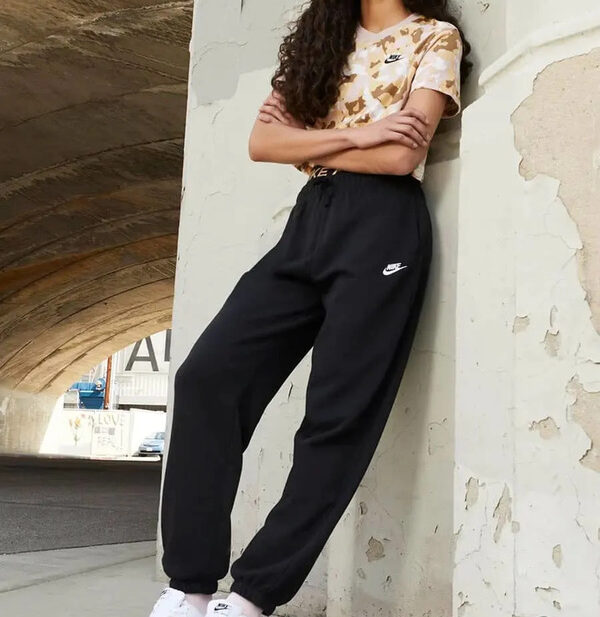
Here are the key distinctions:
- Fit and Design:
- Nike Joggers: Typically more fitted and taper towards the ankle, often featuring elastic cuffs. This design is intended for active wear, providing ease of movement and a sleek, modern look.
- Nike Sweatpants: Have a looser fit and may include elastic or open bottoms. They are designed primarily for comfort and casual wear.
- Purpose and Usage:
- Nike Joggers: Ideal for activities that require flexibility and agility, such as running or gym workouts. Their tapered design minimizes bulk, enhancing mobility.
- Nike Sweatpants: Suited for lounging, casual outings, and light activities. The relaxed fit emphasizes comfort over performance.
- Material Choices:
- Nike Joggers: Often use lightweight, stretchable fabrics like polyester or spandex blends. These materials offer breathability and flexibility, essential for athletic wear.
- Nike Sweatpants: Typically made from heavier, more insulating materials such as cotton or fleece. These fabrics provide warmth and comfort, making them ideal for casual use.
From a manufacturing perspective, the production processes for joggers and sweatpants differ significantly:
- Production of Joggers:
- Involves precise cutting and stitching to achieve the tapered fit.
- Requires attention to detail to ensure the elasticity and stretchability of the fabric.
- Utilizes advanced sewing techniques to maintain the sleek design and functionality.
- Production of Sweatpants:
- Generally involves a more straightforward process due to the relaxed fit.
- Uses materials that are easier to handle and stitch, such as cotton or fleece.
- Focuses on ensuring durability and comfort, often incorporating simple elastic or drawstring waistbands.
Understanding these differences helps us, as manufacturers, to tailor our production techniques to meet the specific needs of each garment type, ensuring high-quality results that align with consumer expectations and brand standards.
Why are Nike sweatpants so popular?
Nike sweatpants have gained immense popularity due to their exceptional blend of comfort, functionality, and style.
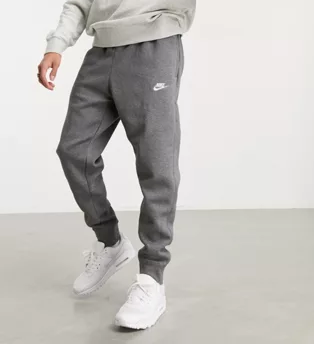
Here are the key factors that contribute to their widespread appeal:
- Comfort:
- Soft and Comfortable Fabrics: Nike sweatpants are crafted from high-quality materials such as cotton and fleece, ensuring maximum comfort.
- Ergonomic Designs: Thoughtful design elements, including elastic waistbands and adjustable drawstrings, provide a perfect fit for various body types.
- Functionality:
- Moisture-Wicking Fabrics: Many Nike sweatpants feature moisture-wicking technology, keeping wearers dry and comfortable during physical activities.
- Versatile Use: Suitable for a wide range of activities, from athletic performance to casual wear, making them a versatile addition to any wardrobe.
- Style:
- Modern Aesthetics: Nike sweatpants incorporate contemporary designs and color options that appeal to fashion-conscious consumers.
- Attention to Detail: Features such as well-placed logos and stylish cuts enhance the overall look and appeal of the sweatpants.
- Brand Reputation:
- Strong Brand Image: Nike’s global reputation for quality and innovation significantly boosts the popularity of their sweatpants.
- Effective Marketing Strategies: Nike’s powerful marketing campaigns and endorsements by athletes and celebrities help maintain high visibility and demand for their products.
For manufacturers, these features present specific requirements:
- High-Quality Materials: Using premium fabrics is essential to meet the comfort and performance standards set by Nike.
- Advanced Production Techniques: Implementing cutting-edge manufacturing processes ensures the durability and functionality of the sweatpants.
- Consistency in Quality: Adhering to Nike’s stringent design specifications and quality control measures is crucial to maintain the brand’s reputation and customer satisfaction.
By focusing on these aspects, manufacturers like Modaknits can produce sweatpants that consistently meet consumer expectations and uphold the brand’s esteemed image.
What material are Nike sweatpants?
Nike sweatpants are crafted from a range of materials designed to provide optimal comfort, durability, and performance.
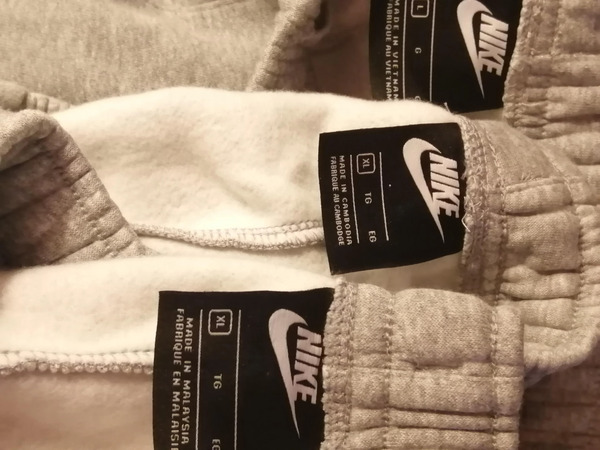
The most common materials used include:
- Cotton:
- Breathability and Softness: Cotton is highly breathable and soft, making it ideal for casual wear and comfort-focused designs.
- Natural Fiber: As a natural fiber, cotton is gentle on the skin and offers excellent comfort for everyday use.
- Polyester:
- Durability: Polyester is known for its strength and resistance to wear and tear, ensuring long-lasting garments.
- Moisture-Wicking Properties: This synthetic material excels in wicking away moisture, keeping the wearer dry and comfortable during physical activities.
- Blended Fabrics:
- Balance of Comfort and Performance: Blends of cotton and polyester combine the best properties of both materials, offering a versatile fabric that is both comfortable and functional.
- Enhanced Flexibility: Blended fabrics often include a small percentage of elastane or spandex to provide stretchability, enhancing the fit and mobility of the sweatpants.
In the manufacturing process, selecting the right material is crucial and depends on the intended use of the product:
- High-Intensity Activities:
- Higher Polyester Content: Sweatpants designed for athletic purposes typically incorporate more polyester to leverage its moisture-wicking and durable characteristics.
- Performance Enhancements: Adding technical features such as Dri-FIT technology further enhances the sweatpants’ suitability for sports and exercise.
- Casual Wear:
- Higher Cotton Content: For sweatpants intended for lounging or everyday use, a higher cotton content is preferred for its comfort and breathability.
- Softness and Comfort: Emphasizing softness and a relaxed fit makes these sweatpants ideal for casual settings.
By carefully selecting and combining these materials, manufacturers ensure that sweatpants meet the diverse needs of their consumers, whether for performance or comfort.
This material selection process is a critical aspect of maintaining the high standards associated with the clothing brand.
How does Nike ensure the quality of their sweatpants?
Nike employs stringent quality control measures to ensure their sweatpants meet the highest standards.
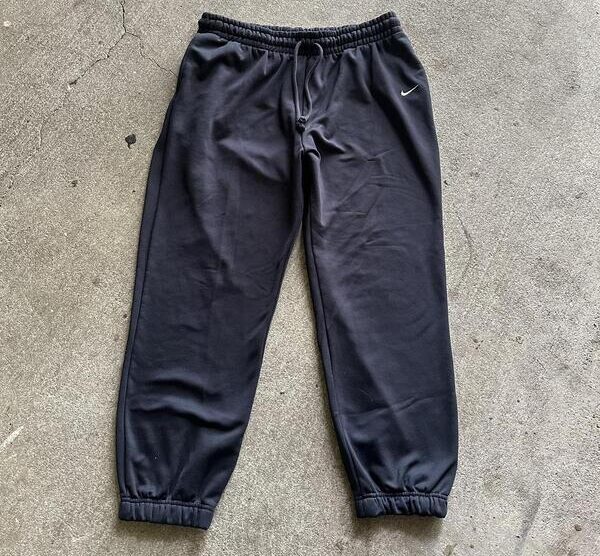
These measures include:
- Rigorous Fabric Testing:
- Durability: Fabrics are tested for strength and longevity to withstand regular wear and tear.
- Colorfastness: Ensuring that colors remain vibrant and do not fade with washing and wear.
- Comfort: Materials are evaluated for softness and comfort to ensure a pleasant wearing experience.
- Comprehensive Inspections:
- Raw Material Sourcing: Quality checks begin with the selection of raw materials, ensuring only the best fabrics are used.
- Production Stages: Each production batch undergoes multiple inspections at various stages, from cutting and sewing to finishing touches.
- Final Assembly: The completed sweatpants are thoroughly inspected to verify that they meet Nike’s stringent quality criteria.
For manufacturers, maintaining these quality standards involves:
- Reliable Suppliers:
- Partnering with trusted suppliers to source high-quality raw materials that meet Nike’s specifications.
- Skilled Labor:
- Employing experienced and skilled workers who can execute precise and consistent manufacturing processes.
- Thorough Quality Checks:
- Implementing comprehensive quality control procedures throughout the production process to catch and address any issues early on.
- Ensuring compliance with Nike’s specifications and certifications to maintain consistency and reliability in the final product.
By adhering to these rigorous quality control measures, manufacturers like Modaknits ensure that each pair of sweatpants meets the brand’s high standards for quality, durability, and comfort, thereby upholding brand’s reputation for excellence.
What are the latest trends in Nike sweatpants?
Current trends in Nike sweatpants reflect a blend of sustainability, innovation, and versatility.
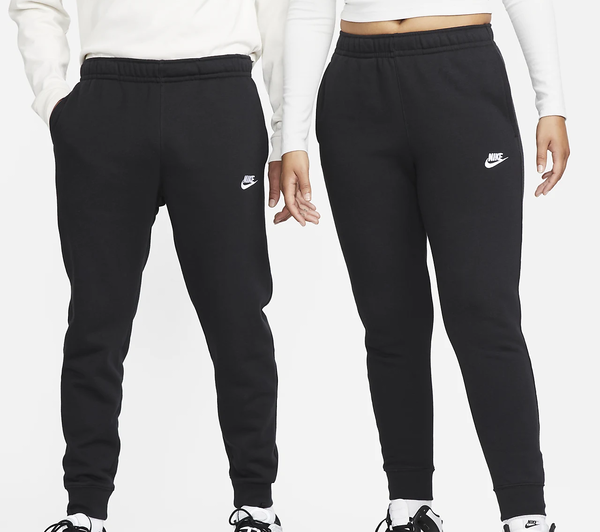
Here are some of the key trends shaping the market:
- Sustainable Materials:
- Eco-Friendly Fabrics: Increasing use of recycled fabrics and organic cotton to meet consumer demand for environmentally responsible products.
- Sustainable Production: Implementing eco-conscious manufacturing processes that reduce environmental impact.
- Innovative Design Features:
- Multifunctional Elements: Incorporation of practical features such as zippered pockets and adjustable waistbands for added convenience and functionality.
- Advanced Fabric Technologies: Utilization of cutting-edge fabric technologies, such as moisture-wicking and temperature-regulating materials, to enhance comfort and performance.
- Focus on Versatility:
- Adaptive Styles: Designs that transition seamlessly from athletic wear to casual wear, catering to the diverse needs of consumers.
- Customizable Fit: Features like drawstrings and elastic cuffs that allow for a personalized fit, enhancing comfort and usability.
For manufacturers, keeping up with these trends involves:
- Continuous Innovation:
- Regularly updating design and production techniques to incorporate the latest trends and technologies.
- Experimenting with new materials and processes to improve product quality and sustainability.
- Adaptation to Consumer Preferences:
- Staying attuned to market demands and consumer preferences to ensure that products remain relevant and appealing.
- Engaging in research and development to anticipate future trends and stay ahead of the competition.
By integrating these trends into their production processes, manufacturers like Modaknits can create sweatpants that meet the evolving needs and expectations of consumers, maintaining the brand’s reputation for quality and innovation.
How does the manufacturing process of Nike sweatpants impact their price?
The cost of producing Nike sweatpants is influenced by several key factors, each contributing to the final retail price.
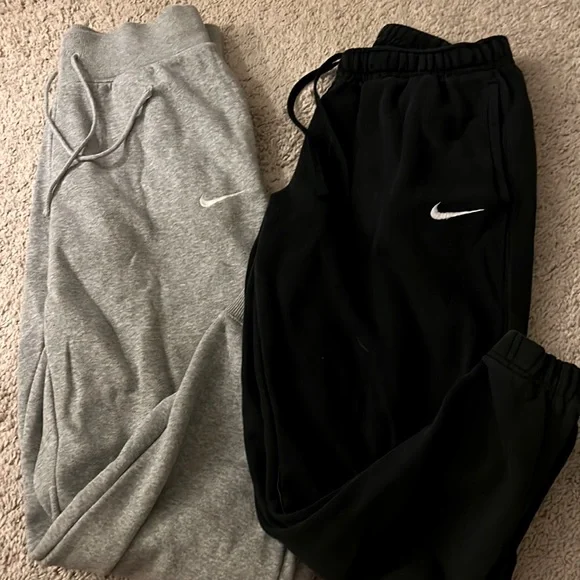
These factors include:
- Material Selection:
- High-Quality Materials: Using premium fabrics such as organic cotton, recycled polyester, and advanced performance textiles increases production costs.
- Specialized Fabrics: Incorporating innovative materials with moisture-wicking or temperature-regulating properties adds to the expense.
- Labor Costs:
- Skilled Workforce: Employing skilled labor to ensure precision in cutting, sewing, and finishing requires higher wages.
- Labor Regulations: Adhering to fair labor practices and regulations also impacts overall labor costs.
- Manufacturing Techniques:
- Advanced Production Processes: Utilizing state-of-the-art machinery and techniques for quality and efficiency raises production expenses.
- Quality Control: Implementing rigorous quality control measures throughout the production process to maintain high standards.
- Regulatory Compliance:
- Environmental Standards: Ensuring compliance with environmental regulations, such as sustainable manufacturing practices, can increase costs.
- Safety and Labor Laws: Meeting safety and labor laws requires investment in appropriate infrastructure and practices.
Despite these cost factors, manufacturers can employ strategies to mitigate expenses:
- Efficient Manufacturing Practices:
- Optimized Workflows: Streamlining production processes to reduce waste and increase efficiency helps control costs.
- Automation: Leveraging automation for repetitive tasks to save time and reduce labor costs.
- Economies of Scale:
- Bulk Purchasing: Buying materials in bulk to negotiate better prices and reduce per-unit costs.
- Large-Scale Production: Producing in larger quantities to spread fixed costs over more units, lowering the overall cost per unit.
By balancing these factors, manufacturers like Modaknits can maintain competitive pricing while ensuring that brand sweatpants meet high-quality standards and consumer expectations.
What are the sustainability practices in the production of Nike sweatpants?
Nike has made significant commitments to sustainability, integrating various eco-friendly initiatives into the production of their sweatpants.
One of the primary practices is the use of recycled materials. Nike incorporates recycled polyester, which is often made from recycled plastic bottles, into their fabric blends.
This not only reduces the reliance on virgin materials but also helps in minimizing waste and lowering the environmental impact.
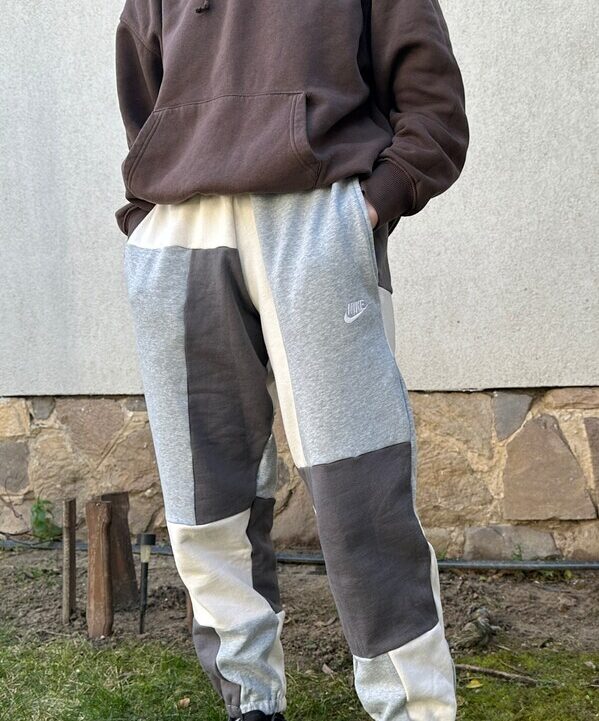
In addition to recycled polyester, Nike uses organic cotton in their sweatpants. Organic cotton is grown without synthetic pesticides and fertilizers, making it a more sustainable option compared to conventional cotton.
The use of organic cotton reduces harmful chemical use and promotes healthier ecosystems.
Nike also implements energy-efficient practices in their factories. This includes the use of renewable energy sources, such as solar and wind power, to reduce carbon emissions.
Energy efficiency is further enhanced by optimizing production processes to reduce energy consumption and waste.
These efforts contribute to Nike’s overall goal of reducing their carbon footprint and promoting sustainable manufacturing.
As a responsible manufacturer, Modaknits shares these sustainability values and prioritizes eco-friendly practices in our production processes.
We utilize sustainable materials and technologies to minimize our environmental footprint.
By collaborating with various apparel brands, we implement and enhance sustainable practices, contributing to a more sustainable fashion industry.
Through these combined efforts, the brands we work with are committed to creating high-quality, sustainable apparel that meets the demands of environmentally conscious consumers while promoting a greener planet.
By aligning our manufacturing processes with sustainable practices, we ensure that the apparel we produce supports the broader goals of environmental responsibility and sustainability in the fashion industry.
Conclusion
Nike sweatpants epitomize the perfect blend of comfort, functionality, and style, all achieved through meticulous manufacturing processes.
At Modaknits, we pride ourselves on our ability to produce high-quality apparel that aligns with the rigorous standards of leading brands.
Our expertise in fabric selection, innovative design, and sustainable practices ensures that we deliver products that not only meet but exceed expectations.
We invite brand clothing retailers, buyers, and fashion designers to explore the exceptional manufacturing services offered by Modaknits.
Partner with us to bring your apparel visions to life, confident in our commitment to quality, sustainability, and excellence. Let us help you create standout pieces that resonate with today’s discerning consumers.