Skip to content
In this article, we take an in-depth look at the pros and cons of custom hoodie manufacturing in China versus selected countries. As a giant in the global textile industry, China has strong production capabilities, mature supply chains and fast production turnaround times. However, as labor costs rise and environmental regulations become increasingly stringent, China’s manufacturing industry faces new challenges. This article reveals the unique advantages and challenges faced by each by comparing the differences in technological innovation, cost control, environmental impact and market strategies. Through such comparative analysis, we can not only better understand the current situation of the global textile market, but also gain insight into future development trends and potential business opportunities.
The global market under the trend of personalization. An in-depth analysis of the rise and impact of customized hoodies.
Hoodies occupy a position that cannot be ignored in the global clothing market. This casual yet stylish garment originally appeared as part of sportswear and has now become a mainstream choice for everyday wear. Its popularity cuts across all age groups and cultural backgrounds, from street fashion for young people to casual attire for adults, demonstrating the hoodie’s broad appeal.

The trend of custom hoodies has grown significantly in recent years. As consumers’ demands for personalization and self-expression increase, customization has become an important trend in the apparel industry. Consumers not only pursue unique designs, but also want to express their personal style and values through clothing. This has prompted manufacturers and brands to offer more customization options, such as personalized patterns, special material selections, and personalized tailoring.
In addition, with the rise of social media and online marketing, it is easier for personalized and customized products to gain exposure through these platforms and attract target customer groups. Especially among young consumers, displaying personalized products through social media has become a popular trend.
Taken together, the hoodie has a solid and growing position in the global market as a versatile, cross-seasonal product. The rise of customized hoodies reflects consumers’ growing demand for personalization and self-expression.
Global perspective: Comparative analysis of hoodie customization between China and emerging market countries
When comparing China to other countries (such as India, Bangladesh, Vietnam) in the manufacturing of custom hoodies, we first need to recognize the prominent position of these countries in the global textile manufacturing industry. China has long been the world’s largest apparel exporter, known for its huge production capacity, mature supply chain and rapid market response. However, as costs rise and other markets emerge, China’s textile manufacturing industry faces new challenges and competition.
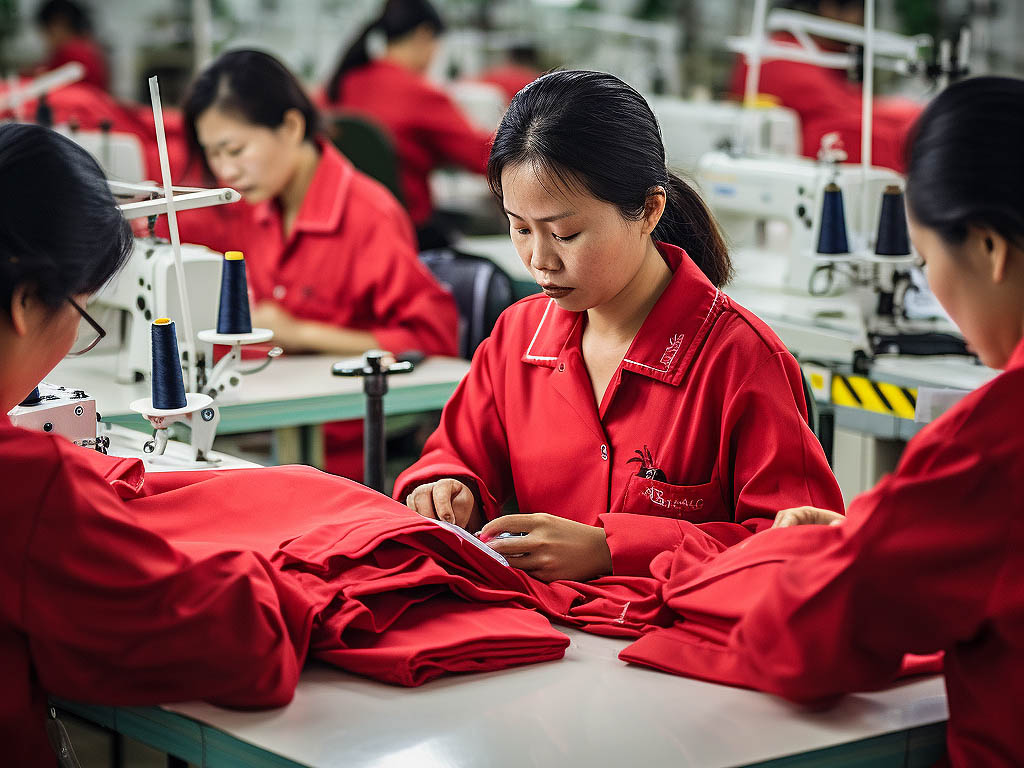
On the other hand, countries such as India, Bangladesh, and Vietnam are also playing an increasingly important role in the textile manufacturing industry. These countries are quickly becoming important centers for apparel manufacturing due to their low labor costs and aggressive export policies. Vietnam, for example, is becoming a popular choice for apparel brands seeking to diversify their supply chains, thanks to its favorable trade agreements and growing manufacturing capabilities. Bangladesh stands out for labor-intensive garment production, while India is known for its rich raw materials and traditional craftsmanship.
Comparing the custom hoodie manufacturing situation between China and these countries can not only reveal their respective advantages and challenges, but also reflect the transformation and development trends of the global apparel manufacturing industry. Through such analysis, we can better understand the dynamics of the international market and provide insights for apparel brands and manufacturers to help them make informed strategic decisions in an increasingly competitive market.
Pros and cons of custom hoodie manufacturing in China
advantage

- Mass production capabilities: China has one of the largest textile production bases in the world, enabling high-volume garment production, which is critical to meeting global market demand.
- Mature supply chain network: Over the years, China has established an efficient and complex supply chain system. This includes not only production plants, but also raw material suppliers, accessory manufacturers, logistics companies, etc., making the entire production process from raw materials to finished products smoother.
- Fast production cycle: China’s manufacturing industry can complete the entire process from design to production in a relatively short period of time, which is a huge advantage for brands that pursue quick response and market sensitivity.
- Technological innovation: With increased investment in automation and smart manufacturing, China continues to innovate in apparel manufacturing technology, including the application of advanced technologies in customized and personalized production.
shortcoming
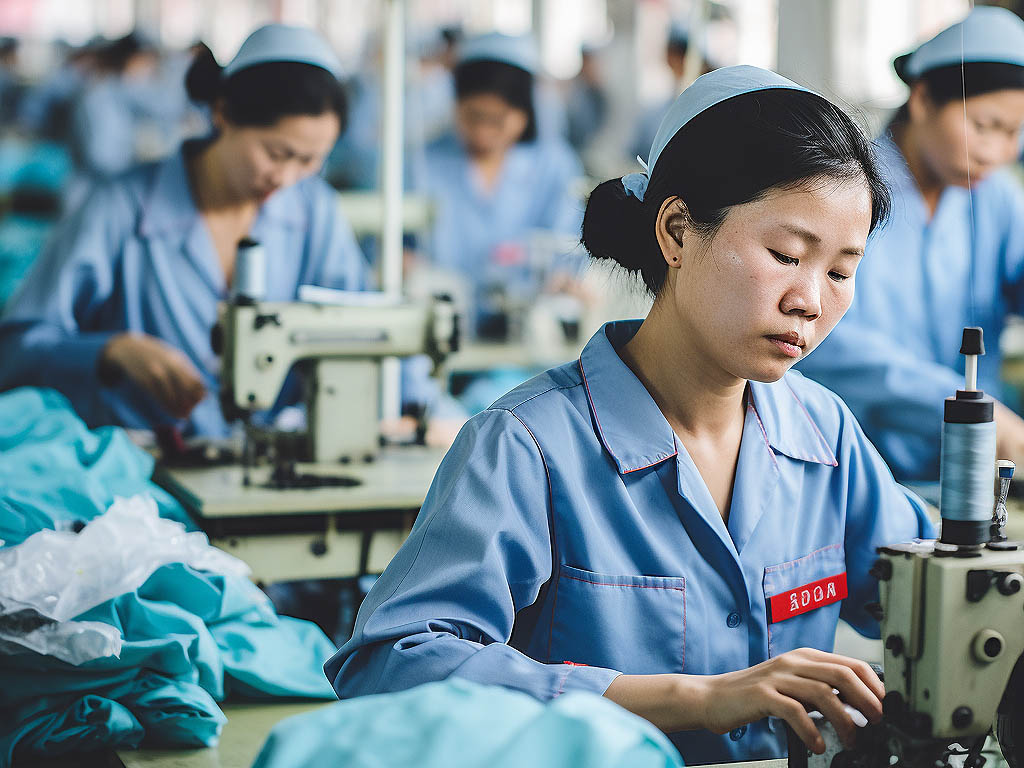
- Rising labor costs: With the development of China’s economy and the improvement of living standards, labor costs have increased year by year, which is a challenge to the textile manufacturing industry, which takes low cost as its competitive advantage.
- Environmental regulations challenges: In order to deal with environmental pollution problems, the Chinese government has strengthened environmental protection regulations. These stricter regulations increase operating and compliance costs for manufacturers.
- Market saturation and fierce competition: Due to the presence of numerous manufacturers in the market, competition has become increasingly fierce, which may lead to price wars and reduced profit margins.
- Impact of foreign trade policies: Uncertainty in the international trade environment, such as trade wars and tariff issues, may have an impact on Chinese manufacturers that rely on exports.
Overall, China has significant advantages in custom hoodie manufacturing, but it also faces cost, environmental and market competition challenges.
Pros and cons of custom hoodie manufacturing in Vietnam
For the purpose of comparative analysis, we can choose Vietnam as the country for comparative analysis with China to explore the advantages and disadvantages of Vietnam in custom hoodie manufacturing.
advantage
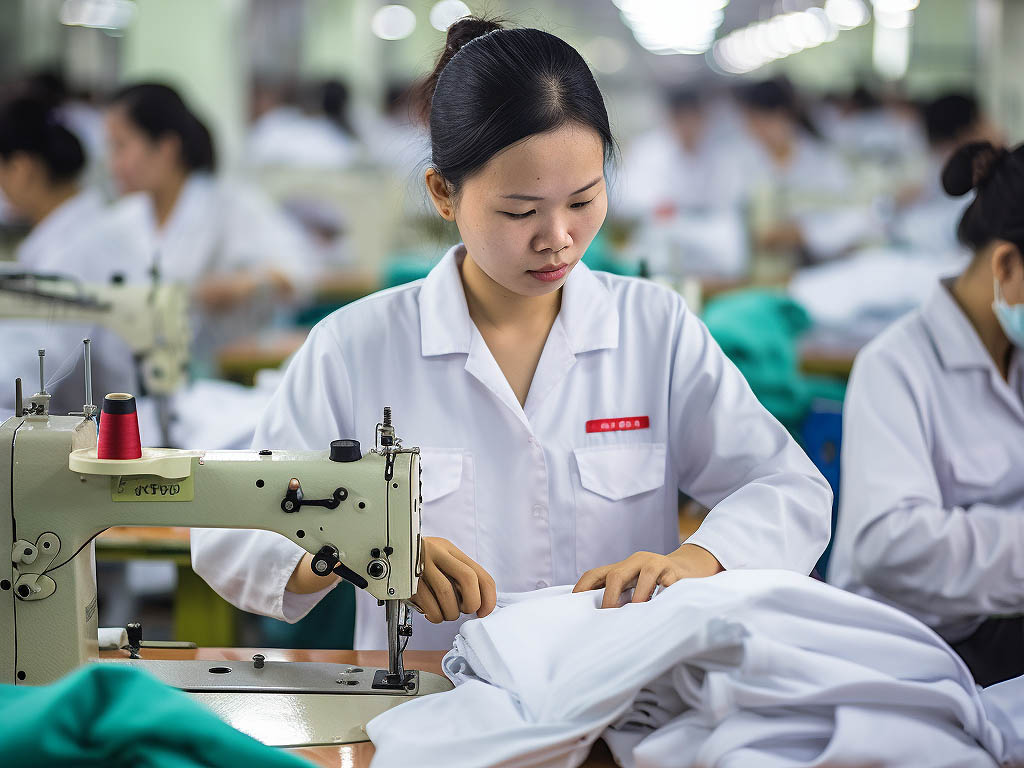
- Low labor costs: Vietnam’s labor costs are more economical than those in China, which is a significant advantage for the labor-intensive garment manufacturing industry.
- Active trade agreements: Vietnam actively participates in international trade and has signed a number of trade agreements, such as the free trade agreement with the European Union, which helps promote its export business and provide more market opportunities for manufacturers.
- Strategic location: Vietnam is centrally located in Southeast Asia, close to other major manufacturing centers and markets such as China, India, and ASEAN countries, which facilitates logistics and supply chain management.
- Gradually increasing manufacturing capabilities: Vietnam’s garment manufacturing industry is continuing to mature, gradually improving its production quality and technical capabilities.
shortcoming
- Production scale limitations: Compared with China, Vietnam’s production scale is relatively small and may not be able to meet large-scale order demand.
- Infrastructure and technology development: Although Vietnam is developing rapidly, in some areas, its infrastructure and technology development still lag behind China, which may affect production efficiency and product quality.
- Political and economic stability issues: As a developing country, Vietnam’s political and economic environment is relatively less stable than China, which may have an impact on long-term business investment and operations.
- Environmental and social responsibility challenges: Vietnam’s garment manufacturing industry faces environmental protection and social responsibility challenges, which may affect its image and competitiveness in the international market.
In general, Vietnam has obvious labor cost advantages and strategic geographical location advantages in custom hoodie manufacturing, but it also faces challenges in production scale, technological development, political and economic stability, and environmental and social responsibility.
Comparative analysis of China and Vietnam in custom hoodie manufacturing
technology
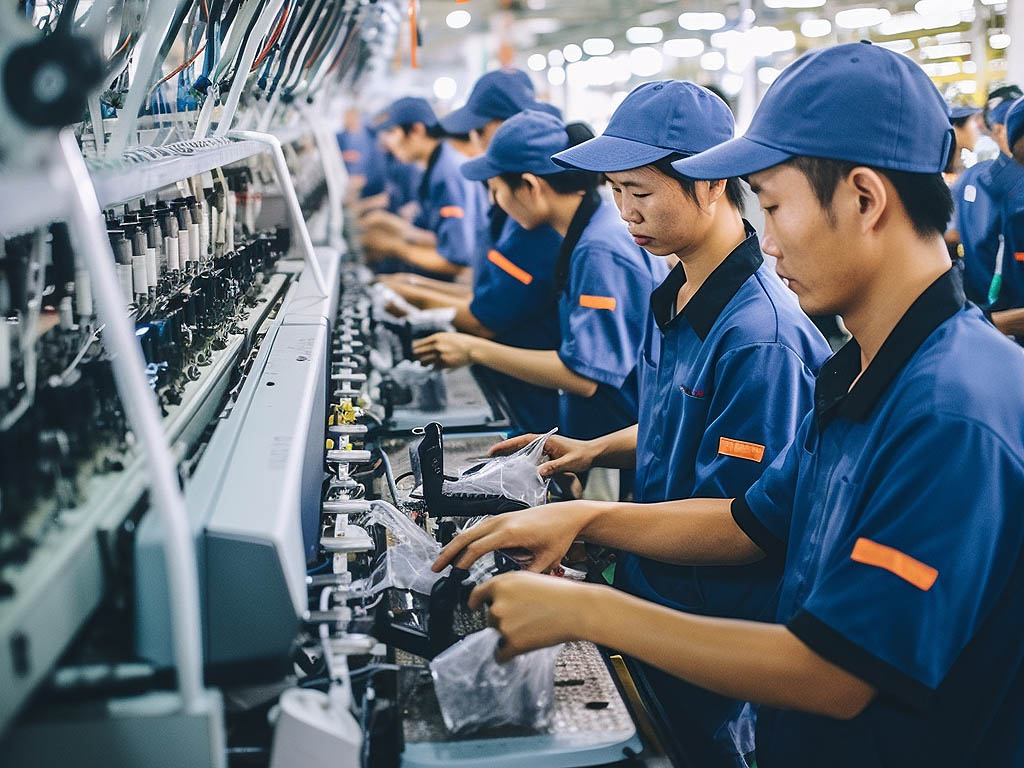
- China: has relatively advanced clothing manufacturing technology, including automated and intelligent production lines, as well as technological innovation in customized and personalized production.
- Vietnam: is gradually improving its technological level, but compared to China, its technological development is still in the catching-up stage.
cost
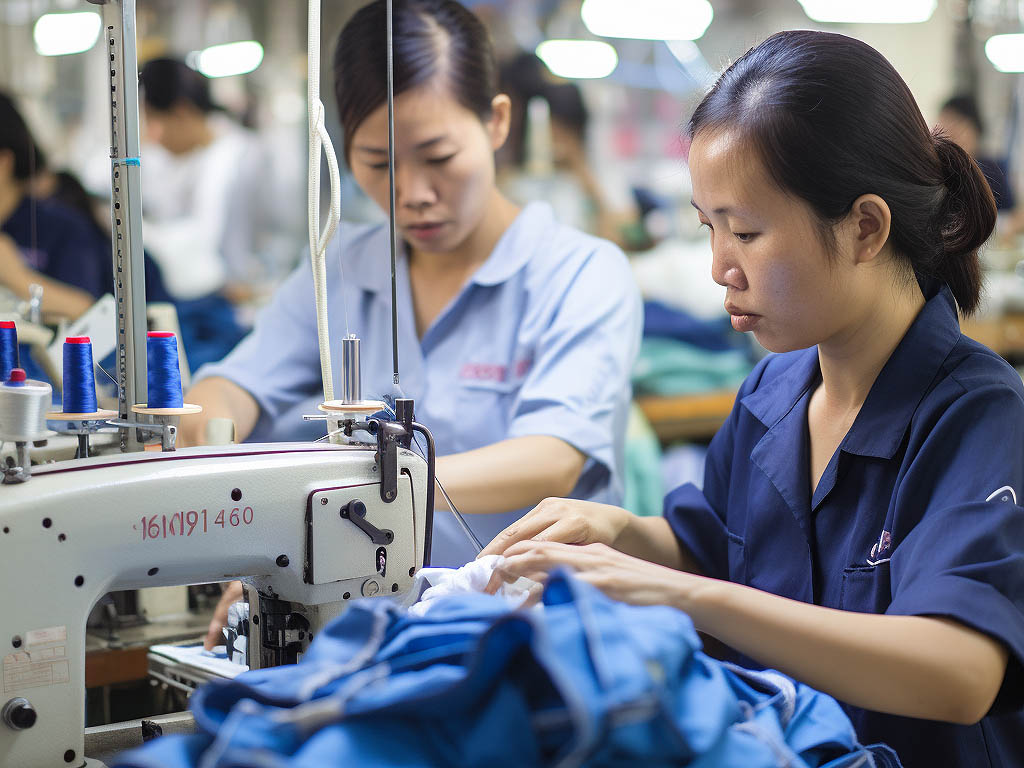
- China: China’s cost advantage is waning due to rising labor and operating costs.
- Vietnam: Low labor costs give Vietnam an advantage in manufacturing costs, especially for labor-intensive textile products.
supply chain management
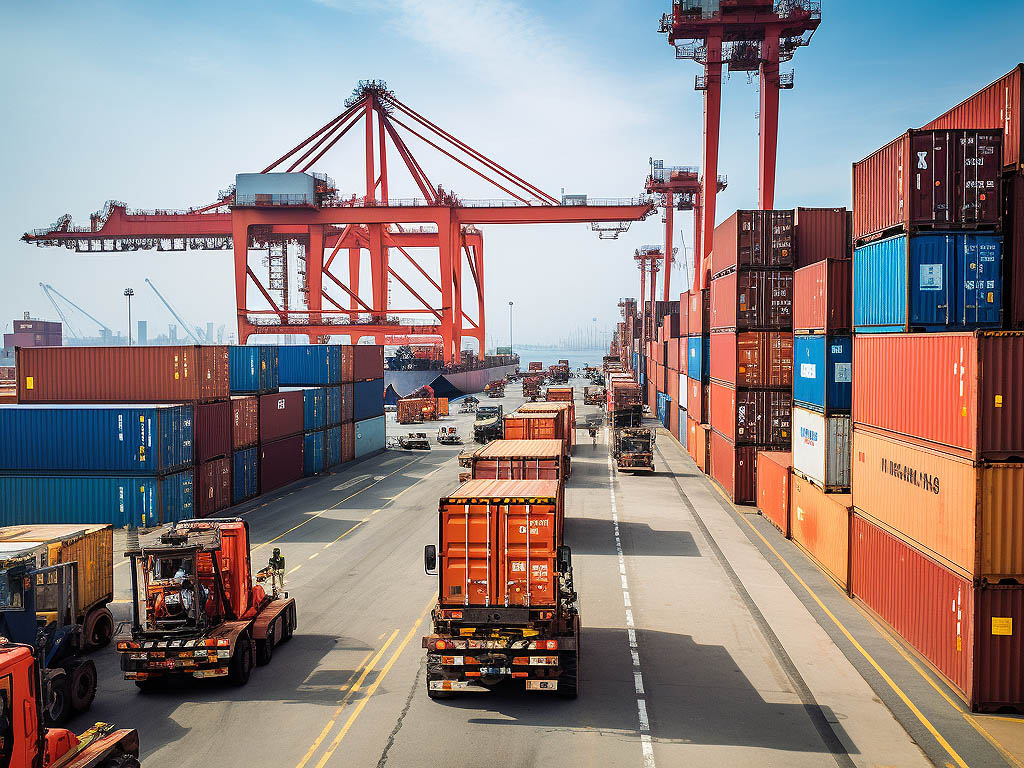
- China: It has a mature and efficient supply chain network that can quickly respond to market changes and effectively manage the entire process from raw material procurement to finished product output.
- Vietnam: Although the supply chain is improving, it is still not as mature as China in some aspects, especially in raw material supply and logistics.
Productivity
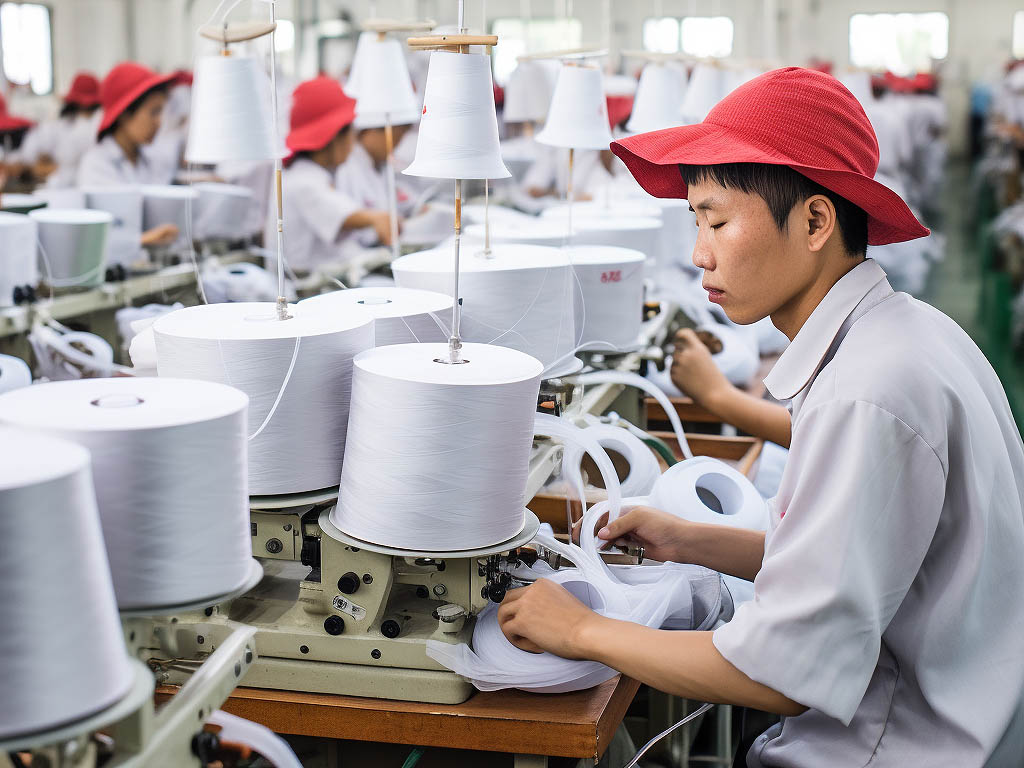
- China: High production efficiency, able to handle large-scale and diverse orders while maintaining high quality control standards.
- Vietnam: Production efficiency is gradually improving, but it may not be as good as China in terms of large-scale and complex order processing capabilities.
environmental sustainability
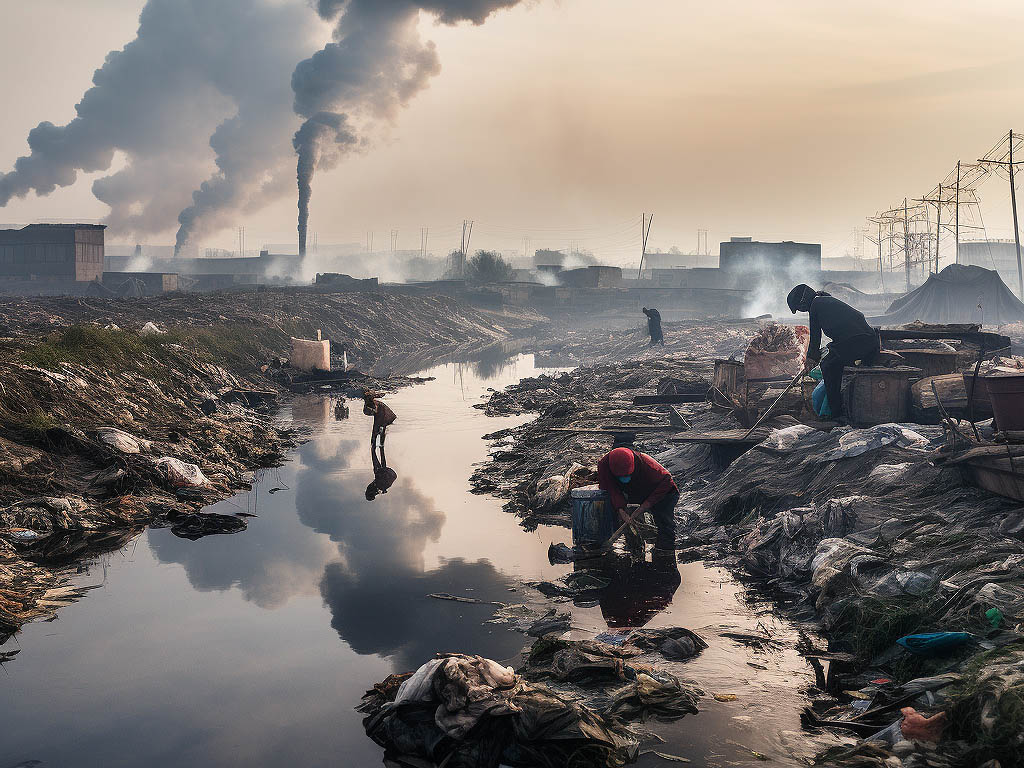
- China: Facing the challenges of environmental pollution and sustainable development, it is also actively taking measures to improve, such as strengthening environmental protection regulations.
- Vietnam: Challenges in environmental protection and sustainability also exist, but environmental regulations and practices may not be as mature as in China.
In general, China has advantages in technological innovation, supply chain management and production efficiency, while Vietnam is more attractive in terms of cost. Environmental sustainability is an area that both countries need to pay attention to and improve. This comparative analysis shows that although Vietnam is developing rapidly, China still maintains a leading position in some key areas. However, as the global market and production environment continue to change, the competitive landscape of the two countries in the apparel manufacturing industry may also change.
Business strategies and market opportunities in different market environments.
When discussing the business strategies and market opportunities of China and Vietnam in different market environments, we can analyze them from the following aspects:
Business strategies and market opportunities in China

- High-end market positioning: As costs rise, China can attract high-end markets by improving product quality and innovation capabilities. Focusing on high value-added products and services, such as customized and technology-driven clothing design, can help Chinese manufacturers maintain market competitiveness.
- Domestic demand market development: China’s huge domestic demand market provides huge opportunities for apparel manufacturers. Targeting the preferences and needs of local consumers and developing products and designs adapted to the domestic market can effectively increase sales and brand influence.
- Environmental Sustainability and Social Responsibility: By adopting environmentally friendly materials and sustainable production methods, Chinese manufacturers can increase their appeal in international markets while responding to global concerns about environmental sustainability.
- Global supply chain integration: Chinese companies can leverage their mature supply chain and production capabilities to provide international brands with one-stop production and supply chain solutions.
Business strategies and market opportunities in Vietnam
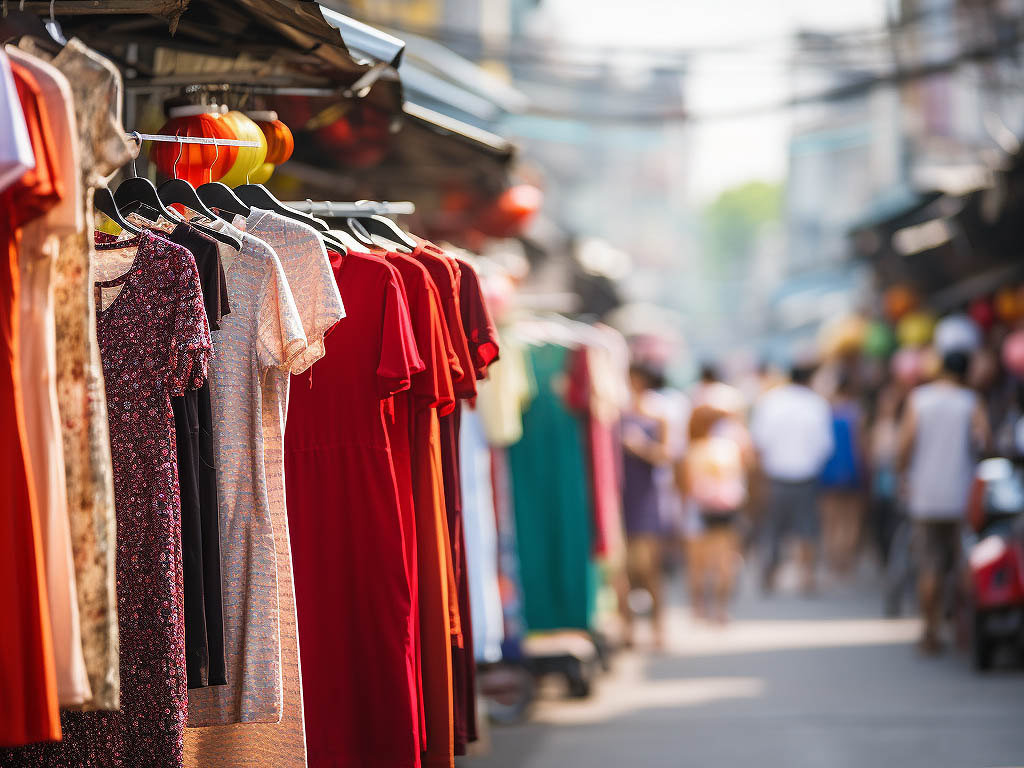
- Utilization of cost advantages: Taking advantage of its lower labor costs, Vietnam can attract cost-sensitive mid- to low-end markets, especially large-volume standardized production orders.
- Advantages of international trade agreements: Vietnam can further explore international markets by actively participating in international trade agreements, such as those with the EU and the United States.
- Invest in infrastructure and technology upgrades: Vietnam needs to continuously invest in infrastructure and technology upgrades to improve production efficiency and product quality to better compete in the international market.
- Develop specialty markets: Vietnam can focus on developing its specialty markets, such as handicrafts or clothing using traditional materials, to provide unique products for specific markets.
Overall, China and Vietnam both have unique business strategies and market opportunities in different market environments. China can rely on its technological innovation and efficient supply chain management to attract high-end markets, while Vietnam can leverage its cost advantages and international trade agreements to expand its market share. At the same time, both countries need to pay attention to environmental sustainability and social responsibility to adapt to long-term trends in global markets.
The future of the custom hoodie industry: Sustainability and technological innovation
In the future of apparel manufacturing, especially in the market for custom hoodies, we can foresee three main trends: sustainable development, technological innovation and changes in market demand. These trends will profoundly affect major producing countries such as China and Vietnam.

First, sustainable development is becoming a core issue in the industry. The use of environmentally friendly materials, reduction of production waste, improvement of supply chain transparency and social responsibility are all aspects that consumers and businesses will pay more and more attention to in the future. As awareness of environmental protection increases, apparel manufacturers need to adopt more environmentally friendly production methods and materials while ensuring transparency and ethics in the supply chain.
Secondly, technological innovation will continue to drive the industry forward. The application of technologies such as automation, artificial intelligence, and machine learning will greatly improve production efficiency, especially in meeting personalization and customization needs. Digital technologies, such as 3D printing, body scanning and virtual fitting, will make the production of customized clothing more efficient and precise.
Finally, changes in market demand will reshape the future of the apparel industry. Consumers are less dependent on fast fashion and are instead looking for more unique and personalized products. This trend will push brands and manufacturers to shift to products that focus more on quality and personalization. At the same time, the growth of e-commerce will continue to change the way shopping is done, providing new opportunities for the sale of customized and personalized clothing.
For major apparel producing countries such as China and Vietnam, adapting to these trends is key to maintaining competitiveness. China may need to focus more on technological innovation and improvements in production efficiency, while Vietnam needs to strengthen sustainable practices and improve technological capabilities. Anticipating and adapting to changes in market demand will be a key success factor for these countries