
 Skip to content
 Graphic hoodies became central to streetwear because they combine visual identity, cultural reference, and everyday wearability in a single garment. They do more than decorate a hoodie. They turn it into a visible statement about taste, affiliation, and social context.
This page explains why graphic hoodies gained lasting importance in streetwear culture. The focus is not on hype or trend alone, but on how graphics help hoodies function as cultural symbols, personal expression tools, and practical daily clothing.
Graphic hoodies became important because streetwear grew from youth-driven environments where clothing carried social meaning.
In those settings, graphics made garments easier to recognize, interpret, and remember.
The hoodie became especially effective because it already belonged to everyday urban use.
Graphic clothing became important in early street culture because garments often worked as visible markers of belonging, attitude, and local identity.
In informal urban environments, clothing was not treated as neutral covering alone. It helped communicate who someone listened to, where they moved socially, and what visual language they recognized.
Hoodies became a useful base for this because they were practical, familiar, and widely worn. Once graphics were added, the hoodie shifted from simple casualwear into a more expressive form. The cultural value came from visibility.
A graphic hoodie could be read quickly in public space, which made it especially suited to environments where identity was signaled visually rather than formally explained.


Skate, hip-hop, and youth culture helped define graphic hoodies because each of these environments treated clothing as part of visible cultural participation.
Skate scenes valued recognizable logos, raw artwork, and brand symbolism tied to community identity. Hip-hop culture amplified the role of bold visuals, large silhouettes, and statement-making garments.
Youth culture connected both of these influences through repetition, peer visibility, and social adoption. Graphic hoodies fit this combination well because they offered comfort, movement, and a surface large enough for clear visual communication.
Their popularity did not come from function alone. It came from the way function and image met in one garment. That made them easy to wear and easy to interpret inside streetwear culture.
Graphic garments became visual identity markers because they allowed wearers to signal affiliation without direct explanation.
A logo, symbol, illustration, or phrase could communicate brand preference, music influence, cultural reference, or social alignment in one glance. In streetwear, this kind of quick readability matters because clothing often operates as public-facing language.
Graphic hoodies became especially effective in this role because the hoodie silhouette is casual, familiar, and highly visible in daily life. The garment already carried cultural weight, and the graphic intensified that meaning. The result was a piece of clothing that could be both practical and symbolic.
This combination is one of the main reasons graphic hoodies remained central rather than temporary in streetwear.

Graphic hoodies matter because they allow personal expression through visible design choices.
Unlike plain garments, they carry imagery, words, or symbols that communicate something beyond color and silhouette.
This makes them useful for people who want casual clothing to say more than comfort alone.
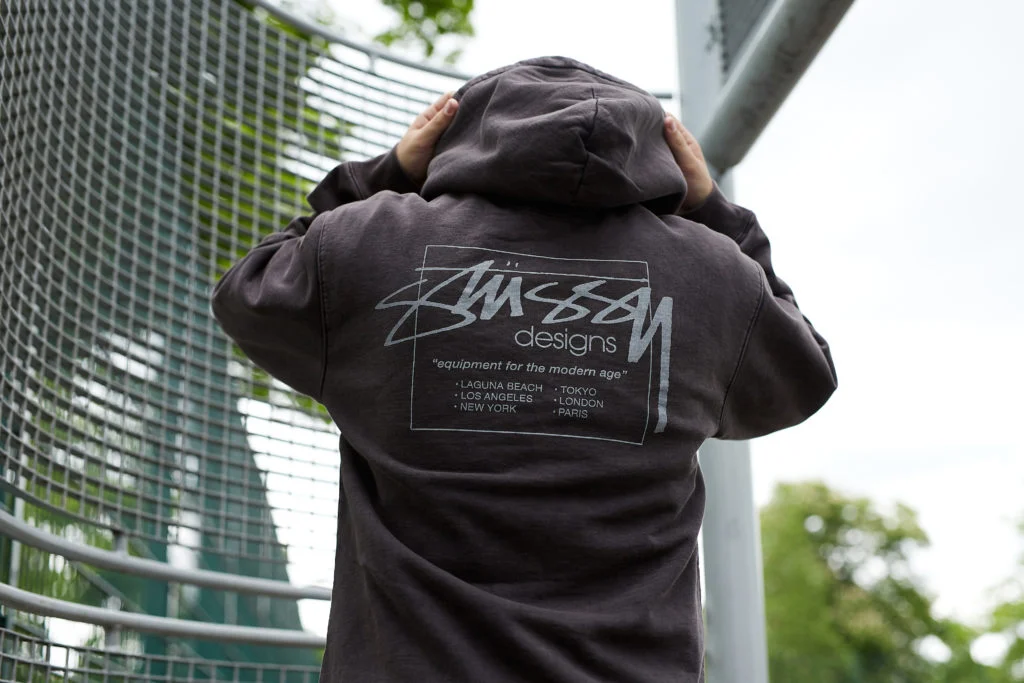
Graphic hoodies support visual storytelling because they let wearers express references, values, or moods without relying on verbal explanation.
A print can suggest artistic preference, humor, attitude, memory, or social belonging depending on what it shows and how it is designed. In streetwear, that storytelling function matters because clothing is often used to communicate quickly in public settings.
The hoodie works especially well for this because it offers a broad visual surface while remaining easy to wear. Good graphic storytelling does not require complexity. It requires recognizability and intent.
When the design clearly reflects a point of view, the garment becomes more than casual clothing. It becomes a visible extension of how the wearer wants to be read.
Graphics became important in hoodies because they could carry references from music, art, and subcultures into everyday dress.
A single garment could reflect a scene, an aesthetic code, or a creative influence without requiring a full styled outfit around it. This is part of why graphic hoodies became such effective streetwear pieces.
They allowed daily clothing to remain connected to wider cultural signals. In practice, that meant artwork could reference underground design language, band culture, street iconography, regional identity, or scene-specific typography.
The hoodie worked as the carrier because it was already part of urban daily life. Graphics gave it content. That content made the hoodie feel culturally specific rather than generic.
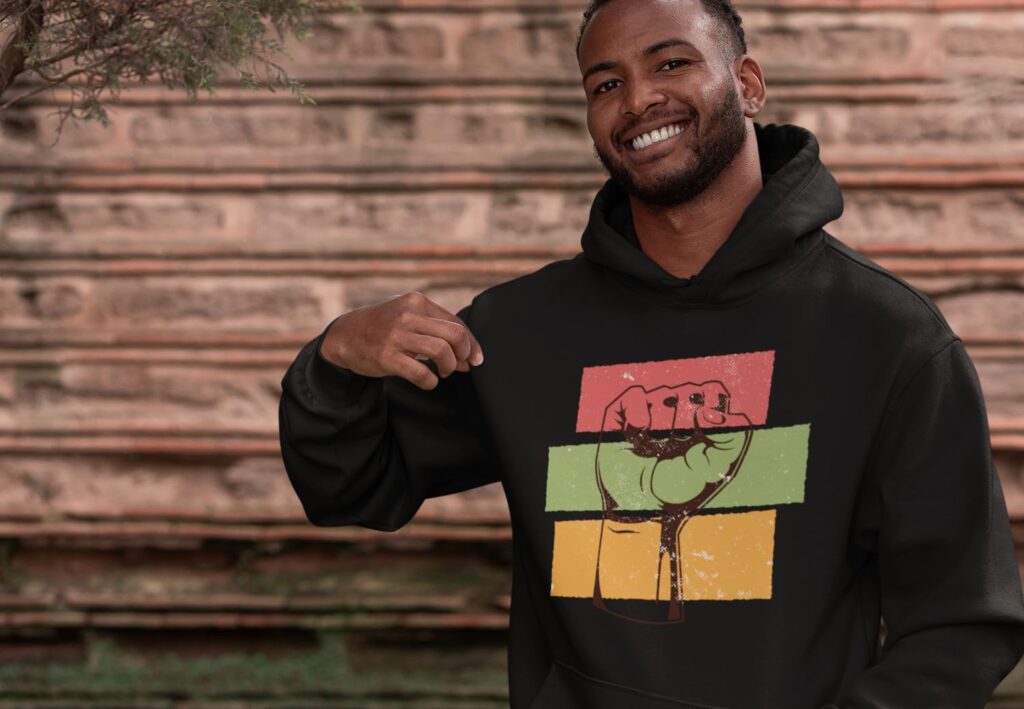
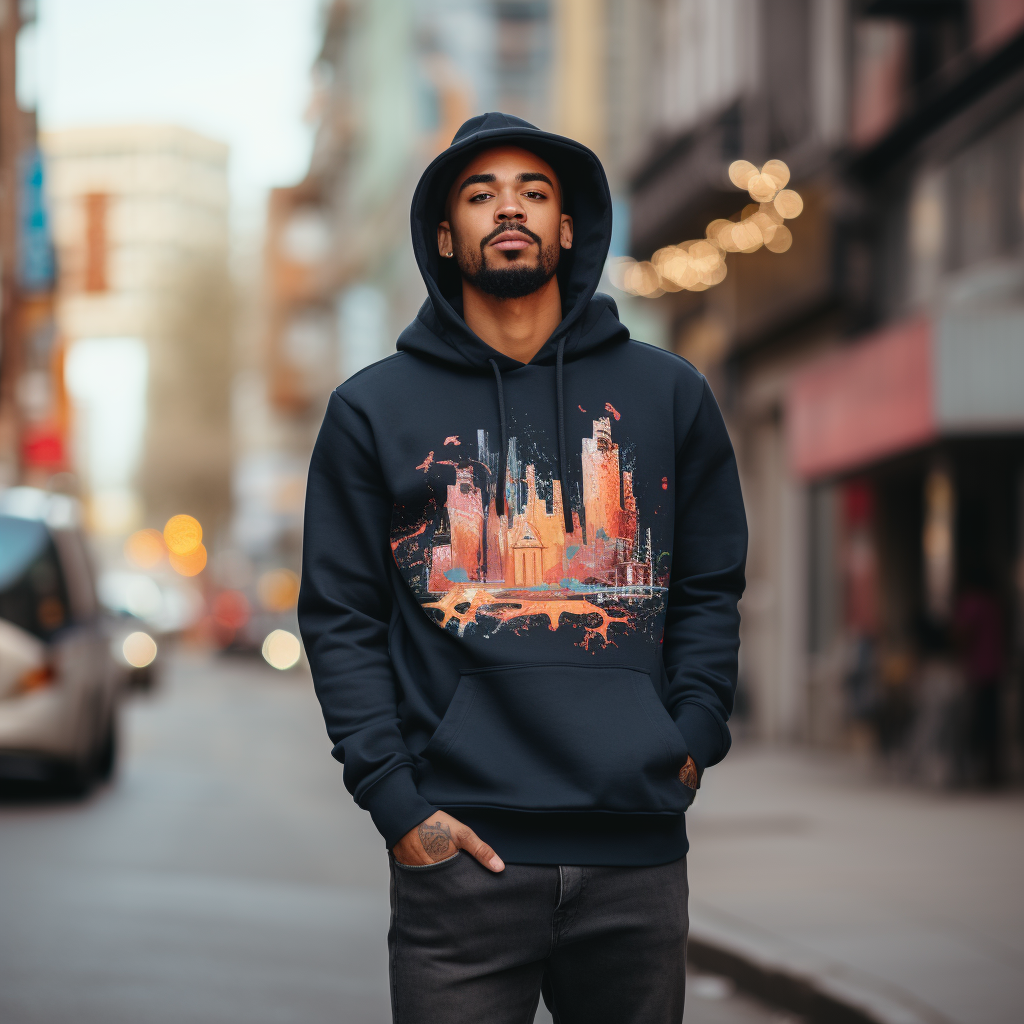
Graphic hoodies became powerful because they made clothing function as a communication medium.
In streetwear, garments often operate as social signals before conversation begins. A print can indicate what a person values, recognizes, rejects, or aligns with.
This makes the hoodie useful not only as an item of comfort, but also as a form of visible self-positioning. The communication is often indirect, but still effective. The wearer does not need to state identity explicitly if the garment already gives social clues.
This is one reason graphic hoodies have remained culturally active. They allow people to participate in visual culture through everyday dress, which makes them especially suited to casual environments shaped by symbols, recognition, and image-based interaction.
Streetwear depends heavily on visual identity, and graphics became one of its clearest tools.
They helped distinguish garments, build brand recognition, and create stronger presence in public space.
In this system, the graphic hoodie became one of the most efficient carriers of streetwear language.
Bold graphics create visual presence because they allow a hoodie to register immediately in movement, at distance, and in layered outfits.
Streetwear values this kind of visibility because the category often relies on strong silhouettes, recognizable motifs, and garments that do not disappear into the background.
A plain hoodie can still work in streetwear, but a graphic hoodie introduces a clearer focal point. That focal point gives the garment identity even before brand or fabric details are noticed. The popularity of bold graphics comes from this readability.
They help transform a familiar basic into something more culturally legible. When controlled well, that visibility feels deliberate rather than excessive, which is why bold graphic hoodies remain so common in streetwear systems.
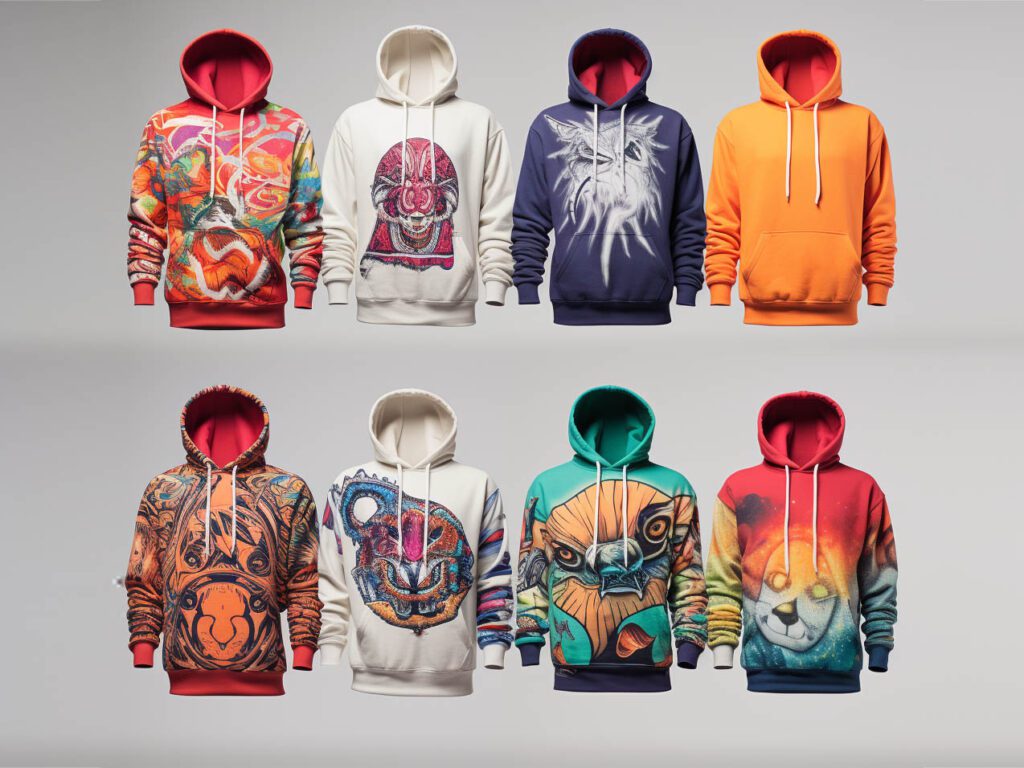

Logos and artwork became central to streetwear because they helped brands create distinct visual language across repeat garments.
A graphic hoodie is one of the most effective places for this because the silhouette is simple enough to hold a clear design and common enough to circulate widely. Brand identity becomes stronger when the same visual codes appear repeatedly across collections.
That may include logos, type treatments, recurring characters, iconography, or scene-specific graphics. The hoodie works well for this because it is both wearable and visible. Over time, these graphics stop functioning as decoration alone. They become the visual shorthand for the brand itself.
This is one reason graphic hoodies became so important in streetwear branding and recognition.
Graphic garments become cultural symbols when they move beyond individual design and begin representing a wider meaning. In streetwear, a hoodie can come to symbolize a brand era, a community, a creative scene, or a period of youth culture.
This symbolic role develops when a graphic is repeated, recognized, and socially circulated enough that it starts carrying reference value on its own. The hoodie is especially effective here because it is worn frequently and read easily in public space.
Once a graphic garment reaches symbolic status, it becomes more than apparel. It becomes part of the cultural memory of a style community.
That symbolic capacity helps explain why graphic hoodies hold such a lasting position in streetwear culture.

Graphic hoodies remain popular because they are easy to wear in ordinary life.
Their cultural importance would be weaker if they only worked in styled or niche situations.
Instead, they succeed because they combine expression with practical daily use.
Graphic hoodies work in daily life because the hoodie itself is already a comfort-oriented garment.
It supports walking, commuting, layering, and long casual wear without requiring the formality or restriction of more structured clothing.
That comfort matters because repeated use is one of the main drivers of streetwear relevance. Garments that stay in rotation build stronger cultural visibility over time. This also matches broader apparel expectations around comfort, fabric quality, and cross-scenario use in modern wardrobes. The graphic adds identity, but the hoodie keeps the garment usable.
That combination is what makes graphic hoodies more durable in culture than garments that rely on visual effect alone.
Graphic hoodies are popular because they integrate easily into casual wardrobes without requiring complicated styling.
They work with jeans, cargos, sweatpants, shorts, jackets, and sneakers, which makes them highly repeatable. That repeatability matters because streetwear adoption often depends on whether a garment can be worn often without losing relevance.
A hoodie with a strong but manageable graphic can become the focal point of an outfit while the rest stays simple. This makes it useful for people who want visible identity without constant outfit construction. The practicality of that system helps explain why graphic hoodies remain widely adopted.
They are expressive enough to stand out and flexible enough to fit ordinary daily dressing.
Graphic hoodies succeed because they balance expression and practicality better than many other statement garments.
The wearer gets a visible design element, but also receives warmth, softness, and daily usefulness. This balance is central to their cultural power. If the hoodie were only practical, it would be less distinctive. If it were only expressive, it would be worn less often.
Streetwear tends to reward garments that can do both. This fits with the broader idea that clothing performs best when comfort, structure, and use are coordinated rather than separated.
Graphic hoodies became lasting pieces because they allow people to communicate something visually while still dressing in a way that feels natural and repeatable.
Graphic hoodies work well in streetwear wardrobes because they function as both base garments and statement pieces.
They can anchor an outfit, support layers, or provide the main visual interest without losing comfort. That makes them unusually efficient inside streetwear outfit systems.
Graphic hoodies often act as visual focal points because the print naturally draws the eye to the center or back of the outfit. This allows the rest of the clothing to remain relatively simple while still producing a recognizable streetwear look.
The focal-point function is important because streetwear often depends on one or two strong visual anchors rather than full visual overload. A hoodie with a clear graphic can provide that anchor by itself.
This makes it especially useful in daily dressing, where the wearer may want easy outfit structure without losing individuality. The popularity of graphic hoodies is partly explained by this efficiency.
They can do a large amount of visual work with relatively little styling effort.
Graphic hoodies remain useful because they work well inside layered streetwear systems.
They can sit under outerwear, over basics, and alongside accessories without losing their visual role. The hood itself adds shape, while the graphic adds identity, which means the garment continues to matter even when partially covered.
This layering versatility matters in streetwear because the category often builds outfits through stacked proportions and mixed garment types. A piece that can survive layering while still communicating clearly becomes more valuable in everyday wardrobes.
Graphic hoodies fit that requirement well. They offer enough surface identity to remain present while still being structurally familiar enough to work with other casual urban clothing.
Graphic hoodies are compatible with casual urban clothing because their shape, comfort, and cultural coding align naturally with sneakers, denim, cargo pants, caps, workwear pieces, and other relaxed items.
They do not require a separate wardrobe logic. Instead, they fit directly into existing systems of casual dressing. This compatibility is one reason they spread widely across different parts of streetwear culture.
A graphic hoodie can work in cleaner, minimal outfits or in more layered, expressive ones depending on the design. That flexibility increases its usefulness. In practical terms, the garment sits at an effective intersection of visibility and ease.
It connects with many other categories without losing its own identity.
Graphic hoodies became deeply tied to youth culture because younger audiences often use clothing to shape visible identity and social belonging.
Streetwear grew through these same mechanisms. As a result, the graphic hoodie became one of the easiest garments for youth-driven adoption, recognition, and repetition.
Youth culture often relies heavily on visual identity, which makes graphic garments especially effective.
Younger audiences tend to adopt clothing not only for function, but also for what it signals socially and aesthetically.
A graphic hoodie suits this well because it is casual, accessible, and visually legible. It allows the wearer to participate in image-based culture without needing formal dress or expensive complexity. In settings shaped by peer recognition, online imagery, and fast symbol reading, the hoodie becomes a useful identity surface.
Its popularity is therefore not accidental. It comes from the fact that youth culture often treats clothing as part of public self-definition, and graphic hoodies make that process easy and repeatable.
Streetwear developed as more than a product category.
It became a cultural movement linked to music, skating, art, youth codes, and urban life. Graphic hoodies became central within that movement because they condensed many of those influences into one wearable item. They could carry logos, references, artwork, or slogans while remaining practical enough for daily use.
That made them ideal for a movement built on cultural participation rather than only seasonal fashion change. Their popularity comes partly from this role. They helped make streetwear visible in ordinary life.
A person did not need a full styled system to participate. One hoodie could already communicate enough to place them inside the visual language of the movement.
Graphic garments function as belonging signals because they help people recognize shared codes. In youth culture, this can matter as much as individual expression.
A hoodie with a specific brand mark, scene reference, or design language can show that the wearer understands a certain visual world. That signal may be subtle or explicit, but it still shapes social reading. Graphic hoodies became especially useful because they made that belonging visible in an easy, comfortable format. The garment did not need to feel formal or highly constructed to carry meaning.
It could remain casual while still helping the wearer enter or reflect a particular community identity. That dual role helped secure its place in youth-oriented streetwear culture.
Streetwear brands rely on graphic hoodies because the garment gives them a direct way to communicate ideas, symbols, and identity. It is one of the clearest storytelling tools in the category.
Through repeated graphics, brands build recognition and create cultural association over time.
Graphics communicate brand philosophy because they can express tone, worldview, cultural reference, or design priorities more directly than plain garments.
A streetwear brand may use typography, illustration, icon systems, or recurring motifs to show whether it is rooted in skate culture, art culture, minimalism, provocation, or local identity.
The hoodie works especially well for this because it offers enough visibility to make those signals legible in daily wear. Over time, repeated graphic choices build a recognizable philosophy even when the message is not written literally.
This is why brands continue to use hoodies as communication tools. The garment allows brand meaning to appear in ordinary life rather than only in campaigns or descriptions.
Iconic designs build brand recognition because repetition creates memory.
When a graphic hoodie carries a design that is consistent, distinct, and repeatedly seen, the graphic begins to stand for the brand even without a full label explanation.
This matters in streetwear because visual recognition often travels faster than formal brand storytelling. A well-known back print, chest mark, or recurring artwork can become enough to identify the maker. The hoodie supports this process because it is both highly visible and highly wearable.
As a result, brands often use graphic hoodies as one of their main recognition vehicles. The popularity of the garment is therefore tied not only to wearer preference, but also to brand-building logic.
Limited designs create cultural value because scarcity can increase attention, memory, and symbolic weight. In streetwear, a graphic hoodie often becomes more meaningful when its design is tied to a specific drop, collaboration, or short-lived release.
This does not automatically make it better designed, but it can make it more culturally charged. The garment becomes part of a moment rather than just part of inventory. That moment-based value matters because streetwear culture often responds strongly to visibility, circulation, and community recognition.
Graphic hoodies are well suited to this because they can carry a unique visual identity while still being wearable enough to appear in public repeatedly. Limited design helps turn that wearability into cultural exposure.
Graphic hoodies are most effective in environments where casual dress, visual identity, and relaxed social interaction are accepted.
Their popularity is tied partly to context. They thrive where expression is visible and formality is low enough for the hoodie to feel natural.
Graphic hoodies work best in informal social settings because those environments allow personal style to remain visible without pressure toward formal dress codes.
This includes casual gatherings, travel, campus life, everyday errands, and low-pressure social meetings. In these situations, the hoodie can provide both comfort and recognizable identity.
That dual role helps explain why it remains a repeated choice. It feels socially appropriate while still carrying enough visual interest to matter. The garment would be less culturally central if it only worked in niche style contexts. Its strength comes from how often it can be worn where people actually spend time socially.
Urban lifestyle environments support graphic hoodies because these settings often combine movement, layering, public visibility, and relaxed dress expectations.
People move between transit, streets, shops, cafés, creative spaces, and informal work environments where casualwear feels normal. The hoodie performs well here because it offers comfort, moderate warmth, and a clear visual surface.
This fits broader urban clothing priorities around versatility, movement, and practical style value. Graphic hoodies therefore thrive in city-based routines where clothing needs to function physically while still carrying visual identity.
Their popularity is reinforced by how well they fit those everyday conditions.
Creative and expressive communities often adopt graphic hoodies because these environments place value on image, reference, authorship, and recognizable aesthetic language.
Designers, artists, musicians, and visually engaged groups often use clothing as part of how they participate in public culture. A graphic hoodie supports that well because it can carry artwork or symbolic codes while remaining casual enough for regular use.
The garment does not interrupt everyday work or movement, but it still allows expression to remain visible. This makes it especially effective in communities where style is not only social, but also creative.
Its popularity in those spaces comes from its ability to support both comfort and authored visual meaning.
A graphic hoodie becomes culturally relevant when it combines originality, recognizability, wearability, and visual longevity.
Relevance is not created by loudness alone. It comes from whether the garment can hold meaning, fit daily use, and remain visually persuasive over time.
1.Graphic originality check
2.Cultural relevance check
3.Wearability in everyday streetwear
4.Long-term visual appeal check
Graphic hoodies became popular because they combine identity, expression, and everyday wearability in one garment.
Their roots are tied to early street culture, skate scenes, hip-hop influence, and youth-driven visual identity.
Graphics made hoodies useful as social signals, not just as casual layers.
Streetwear adopted graphic hoodies because bold visuals help define brand language and cultural presence.
Their popularity lasts because they work easily in daily outfits, layering systems, and informal urban environments.
Youth culture helped expand graphic hoodies by using clothing as a tool for self-definition and belonging.
Streetwear brands rely on graphic hoodies for storytelling, recognition, and culturally memorable design.
Graphic hoodies work best where casual dress, public visibility, and expression are socially accepted.
A culturally strong graphic hoodie should be original, relevant, wearable, and visually lasting.
We’ll get back to you within 24 hours. Attach your logo/design if needed.
💡 1 . Share your logo, fabric, and quantity for T-shirts, hoodies, and more.
📐 2. We’ll prepare samples for your approval.
🚚 3. Bulk production starts after deposit.
✅ We value your privacy. Your information is 100% safe and confidential.
📦 Need help? Chat with us via WhatsApp anytime!

Note: Your email information will be kept strictly confidential.
Note: Your email information will be kept strictly confidential.
Request a quote, discuss MOQ, lead time, fabrics & QC.
Visit our brand store: Modaknitswear

Retail orders (and dropshipping options) are available on Modaknitswear.