
 Skip to content
 Practical Situations Where Hoodies Fit Modern Routines
Men’s hoodies perform optimally in environments that balance comfort, mobility, and casual practicality.
Their relaxed construction, moderate warmth, and adaptable layering make them suitable for commuting, errands, social settings, and indoor–outdoor transitions.
Understanding these real-life contexts helps identify where hoodies integrate seamlessly into everyday routines.
Hoodies align closely with the structure of modern daily life.
Their comfort-focused design and flexible construction allow them to function across diverse urban environments.
These qualities make hoodies practical daily garments rather than occasional casualwear.
Urban routines often involve frequent movement and informal settings.
Activities like commuting, walking, or running errands require garments that allow natural movement. Hoodies provide this flexibility while maintaining comfort throughout the day.

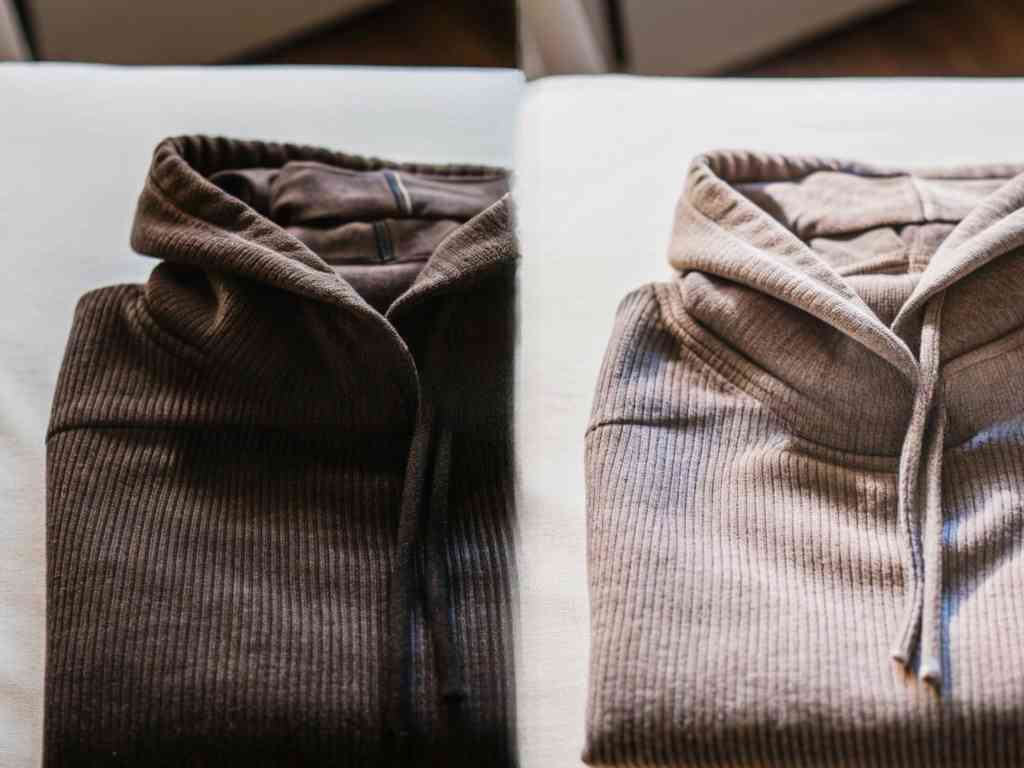
Everyday garments must remain comfortable over extended periods.
Soft fabrics, moderate weight, and flexible construction allow hoodies to support long periods of wear without causing strain or discomfort.
Daily life includes indoor, outdoor, and transitional spaces.
Hoodies adapt well across these environments due to their breathable fabrics and relaxed fit, making them suitable for multiple contexts without changing garments.

Certain contexts highlight hoodie practicality.
They excel during casual, relaxed routines where comfort and moderate warmth are priorities.
Recognizing these situations clarifies when hoodies are most effective.

Routine tasks such as shopping, walking, or casual office work benefit from comfortable garments.
Hoodies provide moderate warmth and unrestricted movement, supporting ease of activity throughout the day.
Social gatherings with informal dress codes accommodate casual clothing.
Hoodies integrate naturally into these settings due to their understated design and neutral silhouettes.


Transitions from home to urban spaces often involve varying temperatures and environments.
Hoodies allow seamless comfort across these transitions, providing warmth and flexibility without the need for multiple garments.
Commuting and travel are primary scenarios where hoodies excel.
Their structure supports movement, temperature changes, and extended wear.
This makes them practical for city life and daily routines.
Urban commuting often involves standing, walking, and crowded environments.
Hoodies allow unrestricted shoulder and torso movement while maintaining moderate warmth, supporting comfort throughout the commute.


Outdoor environments require balanced insulation.
Hoodies retain enough warmth for cool weather without causing overheating in mild conditions.
Extended travel demands garments that maintain comfort over time.
Hoodies’ soft fabrics and flexible fit allow prolonged wear without restricting movement or creating discomfort.

Layering extends hoodie usability across different weather conditions.
They can function as mid-layers or standalone garments depending on temperature.
Understanding layering roles helps maximize comfort and adaptability.
Hoodies provide effective insulation when worn beneath jackets or coats.
This configuration balances warmth and flexibility, allowing adaptation to colder outdoor conditions.
During mild weather, hoodies pair well with light outerwear.
They provide an intermediate layer of warmth without adding excessive bulk, supporting ease of movement.
In cold conditions, hoodies serve as practical mid-layers.
Combined with heavier outerwear, they add insulation while maintaining comfort and mobility.
Hoodies perform best in moderate or transitional climates.
They remain comfortable in indoor and outdoor settings while providing adaptable warmth.
Understanding environmental suitability clarifies daily usability.
Spring and fall often present ideal temperatures for hoodie wear.
Hoodies offer moderate warmth while remaining breathable, ensuring comfort throughout daily routines.
Temperature fluctuations during the day create cooler periods.
Hoodies provide adequate insulation during these times without overheating during midday activity.
Air-conditioned or heated indoor environments may feel cooler than outdoors.
Hoodies provide light insulation that maintains comfort without excessive warmth.
Hoodies have limitations in certain formal or extreme conditions.
Recognizing these boundaries ensures appropriate wardrobe choices.
Understanding these contexts prevents discomfort or social mismatch.
Events requiring suits or tailored clothing demand more structured garments.
Hoodies are typically too casual for ceremonies, formal meetings, or professional occasions.
Certain workplaces maintain formal attire standards.
Hoodies may not meet these requirements, limiting their practicality in professional contexts.
High temperatures reduce hoodie comfort.
Dense fabrics can trap heat and restrict airflow, making lighter garments more suitable.
Hoodies adapt well to variable daily routines.
Their layering capacity and relaxed construction support transitions across multiple activities and environments.
These qualities make them versatile for modern urban life.
Urban routines often involve moving between climate-controlled buildings and outdoor environments.
Hoodies maintain comfort across these transitions due to moderate insulation and breathable fabrics.
Layering with hoodies allows adaptation to temperature changes.
Hoodies can be worn alone or combined with jackets, supporting comfort during active urban routines.
Hoodies perform consistently across informal social, commuting, and leisure environments.
Their combination of comfort, warmth, and mobility ensures reliable performance for everyday use.
Certain conditions favor alternative garments over hoodies.
High heat, formal settings, and intensive physical activity can reduce hoodie practicality.
Recognizing limits ensures optimal comfort and suitability.
Warm or humid climates can make hoodies uncomfortable.
Lightweight shirts or breathable fabrics are preferable in these conditions.
Ceremonial or dress-focused events require elevated clothing.
Hoodies are typically too casual and may conflict with expected attire.
Intense physical activity may exceed hoodie breathability and mobility.
Specialized athletic garments perform better under these circumstances.
A systematic approach helps determine whether a hoodie is suitable for a given context.
Factors include activity, environment, social expectations, and layering needs.
Following this framework ensures practical use.
1.Activity type check
2.Environmental condition check
3.Social formality check
4.Layering requirement check
Men’s hoodies are most effective in casual urban routines, commuting, and transitional weather.
Their combination of comfort, moderate warmth, and layering adaptability allows them to perform across varied daily contexts.
Hoodies are less suitable for formal, high-heat, or high-intensity activity scenarios.
We’ll get back to you within 24 hours. Attach your logo/design if needed.
💡 1 . Share your logo, fabric, and quantity for T-shirts, hoodies, and more.
📐 2. We’ll prepare samples for your approval.
🚚 3. Bulk production starts after deposit.
✅ We value your privacy. Your information is 100% safe and confidential.
📦 Need help? Chat with us via WhatsApp anytime!

Note: Your email information will be kept strictly confidential.
Note: Your email information will be kept strictly confidential.
Request a quote, discuss MOQ, lead time, fabrics & QC.
Visit our brand store: Modaknitswear
Retail orders (and dropshipping options) are available on Modaknitswear.