...

When and Where Men’s Hoodies Work Best

Practical Situations and Everyday Environments for Hooded Sweatshirts

Men’s hoodies perform best in environments that prioritize comfort, mobility, and casual practicality.

Their relaxed construction, moderate warmth, and adaptable layering make them well suited for daily routines and urban lifestyles.

Understanding the situations where hoodies work best helps clarify their role as reliable everyday garments.

Hoodies in Everyday Life

Hoodies align closely with the structure of modern daily routines.

Their comfort-focused design supports movement, flexibility, and extended wear.

These qualities allow hoodies to function as practical garments across many everyday situations.

Casual clothing in modern urban lifestyles

Modern urban lifestyles often emphasize practicality in clothing.

Daily routines frequently involve commuting, walking, and informal social interaction. These activities favor garments that allow comfortable movement and adaptable layering.

Hoodies naturally fit this environment because their relaxed structure supports mobility while maintaining sufficient warmth for outdoor movement.

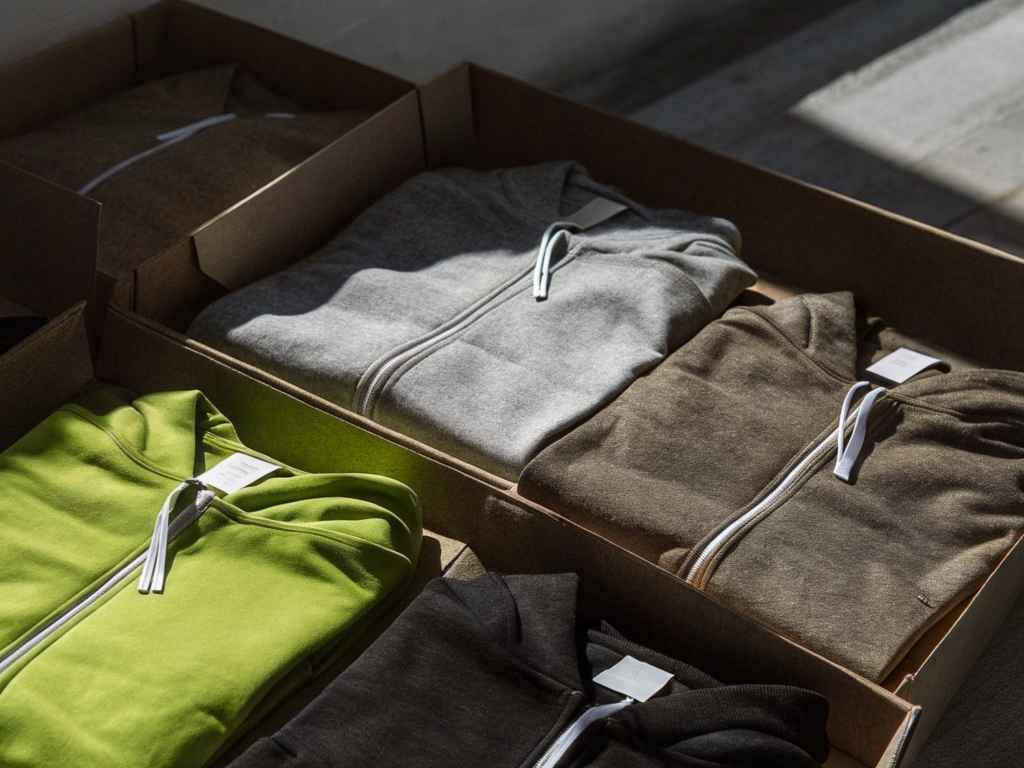
Folded hoodies in green, gray, black, and brown tones arranged in cardboard boxes.

Comfort-focused daily garments

Everyday clothing increasingly prioritizes comfort.

Garments worn throughout the day must remain comfortable during extended periods of sitting, walking, and transitioning between environments. Hoodies support these requirements through soft fabrics and flexible construction.

This comfort-driven design explains their widespread presence in casual wardrobes.

Flexibility across everyday activities

Hoodies support a wide range of daily activities.

Unlike specialized garments designed for specific conditions, hoodies function well across errands, commuting, casual work environments, and relaxed social interactions.

This flexibility allows a single garment to remain appropriate across multiple daily contexts.

Happy surfers in bright hoodies and shorts on sunny beach.

Ideal Situations for Everyday Wear

Certain situations highlight the strengths of hoodies as practical garments.

These environments typically emphasize comfort, movement, and relaxed social expectations.

Understanding these contexts clarifies when hoodies are most effective.

Casual daily activities

Hoodies perform well during routine daily tasks.

Activities such as shopping, walking through the city, or meeting friends in informal settings benefit from clothing that allows comfort and easy movement.

Hoodies provide moderate warmth and relaxed fit, making them suitable for these everyday routines.

Relaxed social environments

Informal social settings support casual clothing choices.

Situations such as café visits, casual gatherings, or weekend outings typically allow garments that prioritize comfort and simplicity.

Hoodies integrate naturally into these environments without appearing overly formal.

Two creatives discussing fabric swatches on board in sunny studio.
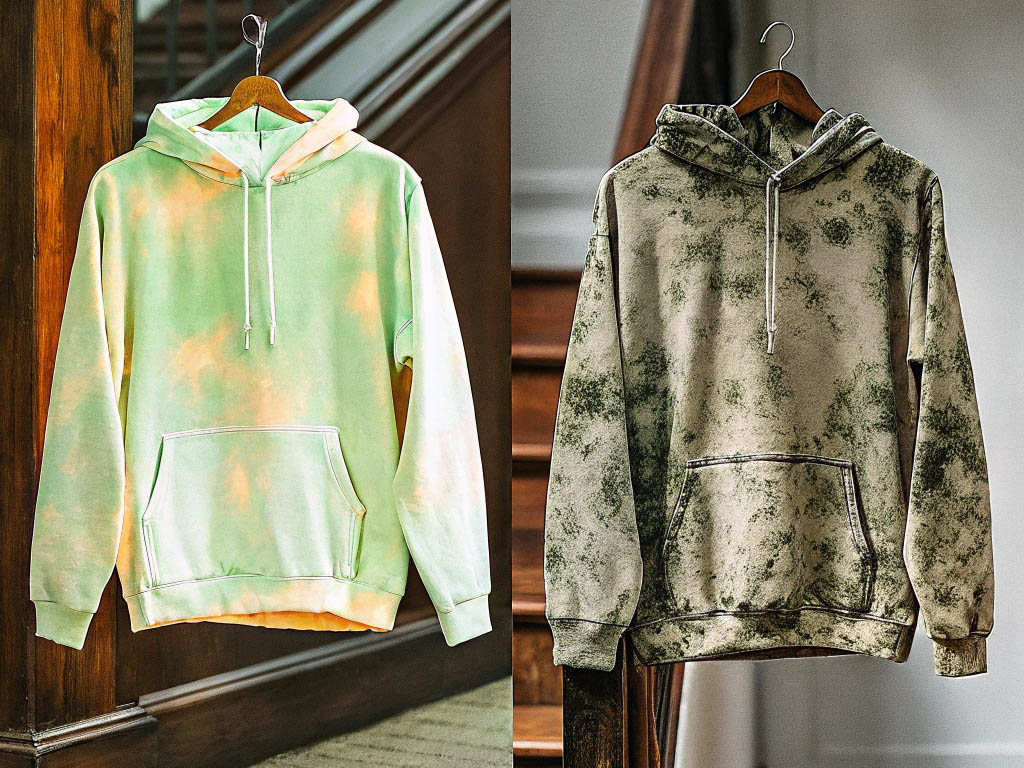
Side-by-side comparison of a pastel tie-dye hoodie and a distressed, aged-effect hoodie on hangers.

Comfortable home-to-city routines

Daily routines often begin at home and extend into public environments.

Individuals may transition from indoor spaces to outdoor errands or travel within a short period. Hoodies support this transition by offering comfortable warmth and adaptability across environments.

This flexibility improves everyday usability.

Hoodies for Commuting and Travel

Commuting and travel are among the most practical use cases for hoodies.

These activities involve movement, temperature changes, and extended wear.

Hoodies help maintain comfort during these conditions.

Comfort during walking and public transport

Urban commuting often requires extended movement.

Walking between transit stations, standing during transportation, or navigating crowded spaces requires clothing that allows mobility and comfort.

Hoodies support these activities through flexible fabrics and relaxed silhouettes.

hoodies mens hoodie

Temperature adaptability during travel

Travel often involves frequent temperature changes.

Moving between outdoor streets, transit vehicles, and indoor buildings exposes clothing to varying conditions. Hoodies provide moderate insulation while remaining breathable enough for indoor environments.

This adaptability improves commuting comfort.

Practical warmth during outdoor movement

Moderate warmth is useful during daily travel.

Morning and evening commutes often occur during cooler parts of the day. Hoodies provide enough insulation to remain comfortable without requiring heavy outerwear.

This balance supports everyday movement.

Hoodie Layering in Changing Conditions

Layering increases the adaptability of hoodies across different weather conditions.

Depending on temperature, hoodies can function as standalone garments or as intermediate layers.

Understanding this role helps clarify their practical use.

Hoodies as mid-layer garments

Hoodies frequently function as mid-layers within layered clothing systems.

Placed between base garments and outerwear, hoodies provide additional warmth while maintaining flexibility. This position allows them to contribute insulation without restricting movement.

Mid-layer functionality expands seasonal usability.

Layering under lightweight jackets

Light outerwear often pairs naturally with hoodies.

When worn under lightweight jackets, hoodies provide additional warmth without adding excessive bulk. The flexible knit structure allows comfortable layering.

This combination is common during mild weather.

Layering under coats in colder weather

In colder climates, hoodies often function beneath heavier coats.

The hoodie provides an intermediate insulation layer, while the coat offers additional protection from wind and cold. The hood may also add warmth around the neck and head.

Layering extends hoodie practicality in winter conditions.

Hoodies in Casual Social Settings

Modern social environments increasingly accept casual clothing.

Because of this shift, hoodies often fit naturally into many social contexts.

Understanding these environments helps clarify where hoodies are socially appropriate.

Informal gatherings and casual outings

Many social activities encourage relaxed clothing.

Events such as casual dinners, informal meetups, or weekend outings often allow comfortable garments that emphasize practicality.

Hoodies function well in these environments due to their relaxed design.

Relaxed creative or casual workplaces

Some workplaces maintain informal dress expectations.

Creative industries, startups, and academic environments often allow casual clothing styles. Hoodies may appear appropriate in these contexts because they balance comfort and simplicity.

These environments emphasize productivity and comfort over formal presentation.

Urban lifestyle environments

Urban environments frequently normalize casual clothing.

In many cities, garments such as hoodies have become widely accepted in everyday public life. Their practicality aligns with fast-paced urban routines.

This cultural acceptance supports their widespread use.

Environmental Conditions Where Hoodies Work Best

Climate and temperature play an important role in hoodie comfort.

Certain environmental conditions highlight the strengths of hoodies as everyday garments.

Understanding these conditions helps determine practical usage.

Mild and transitional weather

Hoodies perform well during moderate temperatures.

Spring and autumn often involve fluctuating temperatures throughout the day. Hoodies provide enough warmth for cooler moments while remaining breathable enough for mild conditions.

This balance supports everyday wear.

Cool mornings and evenings

Temperature changes during the day often create cooler periods.

Early mornings and late evenings frequently require light insulation even during warmer seasons. Hoodies provide comfortable warmth during these times.

This makes them useful across different times of day.

Indoor temperature-controlled spaces

Many indoor environments maintain moderate temperatures.

Air-conditioned buildings, offices, and public spaces may feel cooler than outdoor environments. Hoodies provide light warmth without feeling overly heavy indoors.

This flexibility supports extended wear.

Situations Where Hoodies May Be Less Suitable

Although hoodies are versatile, they have clear contextual limits.

Certain environments or occasions require more formal clothing choices.

Recognizing these boundaries helps maintain appropriate attire.

Formal professional environments

Workplaces with formal dress expectations often require structured clothing.

Garments such as suits, dress shirts, or blazers typically align better with these environments than casual hooded sweatshirts.

Hoodies may therefore appear out of place in formal workplaces.

Highly formal social occasions

Formal events often encourage more refined clothing.

Ceremonies, professional gatherings, or elegant social events typically require attire that conveys a higher level of formality.

Hoodies generally fall outside these expectations.

Extremely warm climates

Hot weather conditions limit hoodie practicality.

In high temperatures, insulated garments may trap excess heat and reduce comfort. Lightweight clothing may be more suitable in these climates.

Understanding climate limitations helps guide garment selection.

Daily Flexibility of Hoodies

Despite certain limitations, hoodies remain adaptable garments.

Their combination of comfort, layering capability, and casual design supports everyday use.

These characteristics explain their lasting popularity.

Ease of layering in changing conditions

Layering allows hoodies to adapt to temperature changes.

By adding or removing outer garments, individuals can adjust insulation levels throughout the day. Hoodies function effectively within these layered systems.

This flexibility improves seasonal usability.

Compatibility with casual wardrobes

Hoodies integrate easily with everyday clothing items.

Garments such as jeans, casual trousers, and sneakers often complement hoodie silhouettes. This compatibility simplifies outfit assembly.

Compatibility increases wardrobe efficiency.

Reliable comfort during daily movement

Comfort remains one of the hoodie’s defining qualities.

Soft fabrics and relaxed construction allow the garment to support walking, commuting, and casual activity without restriction.

This reliability reinforces its role in everyday wardrobes.

Practical Use Evaluation Framework

Determining whether a hoodie fits a particular situation requires evaluating several factors.

These factors include activity type, environment, temperature, and social expectations.

A simple framework helps guide this decision.

1.Activity type check

  • Consider whether the planned activity involves casual movement or relaxed environments.
  • Hoodies perform best during everyday tasks and moderate activity.

2.Environmental condition check

  • Evaluate temperature and climate conditions.
  • Moderate temperatures and transitional weather typically favor hoodie comfort.

3.Social formality check

  • Assess whether the environment requires formal attire.
  • If the setting expects professional or formal clothing, a hoodie may be less appropriate.

4.Layering requirement check

  • Consider whether additional layers may be needed for warmth.
  • Hoodies often function effectively as standalone garments or mid-layers.

Quick Checklist — When Men’s Hoodies Work Best

  • Casual daily activities and errands

  • Urban commuting and public transportation

  • Relaxed social gatherings

  • Mild or transitional weather conditions

  • Indoor environments with moderate temperatures

  • Situations prioritizing comfort and mobility

  • Layered outfits during cooler conditions

TL;DR

Men’s hoodies work best in casual environments that prioritize comfort, mobility, and practicality.

They perform particularly well during commuting, daily errands, relaxed social settings, and transitional weather.

However, their casual nature makes them less suitable for formal workplaces, formal events, or extremely hot climates.

📝 Get a Custom Apparel Quote – Fast, Secure & Easy!

We’ll get back to you within 24 hours. Attach your logo/design if needed.

📦 How It Works:

💡 1 . Share your logo, fabric, and quantity for T-shirts, hoodies, and more.

📐  2. We’ll prepare samples for your approval.

🚚  3. Bulk production starts after deposit.

✅ We value your privacy. Your information is 100% safe and confidential.
📦 Need help? Chat with us via WhatsApp anytime!

The ULTIMATE Guide to Costume Design in 2024

Catalog cover image

Note: Your email information will be kept strictly confidential.

The ULTIMATE Guide to Costume Design in 2023

Catalog cover image

Note: Your email information will be kept strictly confidential.

Before you go — choose the right site

Manufacturing (OEM/ODM)?

Request a quote, discuss MOQ, lead time, fabrics & QC.

Shopping for personal use?

Visit our brand store: Modaknitswear

Retail orders (and dropshipping options) are available on Modaknitswear.