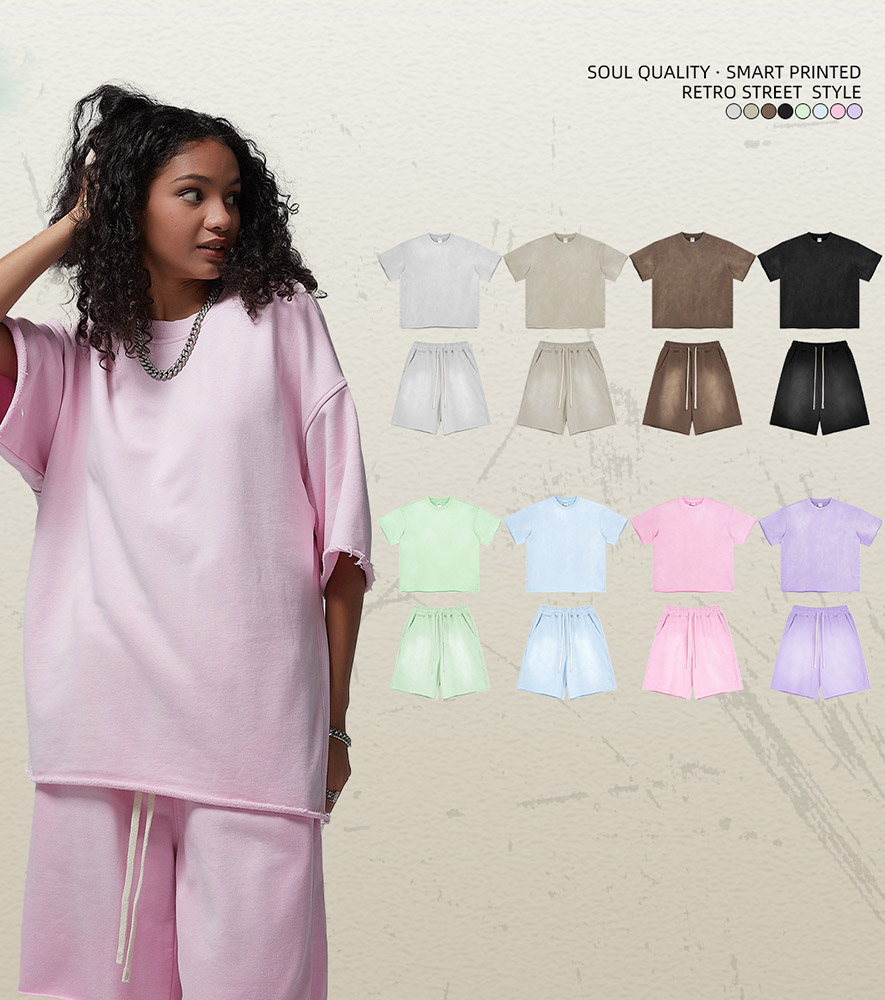
Fashion is a battlefield. Many brands chase trends, but only a few manage to stand at the top and enjoy true profits. I’ve seen firsthand how the right product, model, and manufacturing decisions can make or break a women’s clothing line.
The most profitable clothing lines for women achieve high margins by blending brand value, efficient supply chains1, and premium quality. Luxury brands like Hermès and innovative players like Lululemon2 lead the pack because they control every detail, from design to delivery.
A decade ago, I thought the brands with the biggest shops and flashiest ads must be the most profitable. I was wrong. After partnering with both luxury labels and up-and-coming DTC startups, I discovered that real profit in women’s fashion comes from smart decisions behind the scenes. Let’s dig in.
Defining Profitability in the Fashion Industry?
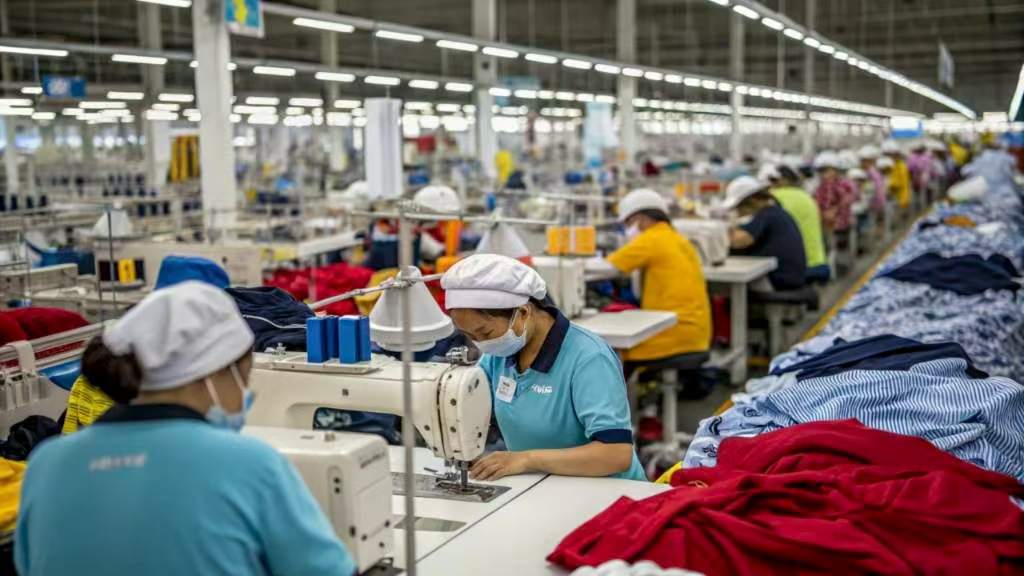
Sewing line
Many new designers and business owners ask me, “How do I know if my line is really profitable?” This question is more complex than it seems.
In the fashion world, profitability is measured not just by sales, but by net margins, brand equity3, and the ability to keep customers coming back. True profit means a brand survives market shifts, maintains quality, and scales sustainably.
When I first entered the business, I focused too much on top-line sales. But it was the brands with stable cash flow, loyal customers, and consistent quality that built real wealth. One of my early clients ran a boutique women’s line with modest sales but nearly 30% net margin—he never worried about economic cycles or seasonality.
How is profitability measured—net margin, brand value, or gross revenue?
It’s easy to get lost in big sales numbers. But which financial metric matters most?
Net profit margin is the most direct way to measure profitability. Brand value and gross revenue matter, but without strong margins and sustainable operations, even a popular brand can fail.
Here’s how I look at it day-to-day:
| Metric | What It Means | My Experience |
|---|---|---|
| Gross Revenue | Total sales made | Looks good on paper, but can mislead |
| Net Margin | Profit after all expenses | Shows the true health of the business |
| Brand Value | Power and reputation of the brand | Long-term insurance against downturns |
I once consulted for a brand with $10M in annual revenue, but their net profit was less than 5%. They were always stressed. Another, smaller brand had $2M in sales but 25% margin—they reinvested, grew slowly, and were much happier.
What business models make women apparel manufacture more profitable?
The path to profit starts with your business model. What works best for women’s apparel?
Direct-to-consumer (DTC)4 models, exclusive brand collaborations, and owning the manufacturing process boost profit by cutting out middlemen and controlling costs. Brands that innovate in design and logistics see the highest returns.
Model Comparison in Real Life
Let me break down a few models I’ve worked with:
OEM (Original Equipment Manufacturer)5
- You design, they produce under your label
- Low design control, lowest margins
- Example: Many fast-fashion brands
ODM (Original Design Manufacturer)
- Supplier handles design and production
- More control, higher margin, unique products
- Example: Trend-driven DTC brands
In-House Manufacturing
- Full control, highest margin, bigger investment
- Only works with enough volume
DTC (Direct-to-Consumer)
- Sell directly online, skip retailers, own your data
- Flexible pricing, instant customer feedback
| Model | Profit Potential | Control Over Product | Typical Brand Size |
|---|---|---|---|
| OEM | Low | Low | Large, generic |
| ODM | Medium | Medium | Small to medium |
| In-House | High | High | Medium to large |
| DTC | High | High | Startup to large brands |
My own experience with ODM changed everything. Once we started co-developing fabrics and designs with our factory, margins improved by 10% almost overnight.
Top Performing Clothing Lines in the Women’s Fashion Sector?
Everyone wants to know who is actually winning the profit game. The reality is both inspiring and humbling.
The most profitable women’s clothing brands are not always the biggest names. Hermès, Lululemon, and some focused DTC startups consistently report industry-leading profit margins. Their secret is a relentless focus on quality, branding, and efficient production.
I remember visiting a Hermès boutique and seeing clients buy $10,000 handbags without asking about discounts. That’s the power of brand equity.
Not all winners look the same. Some brands are massive; others are niche but ultra-profitable.
Hermès and Chanel post some of the highest net profit margins in the world. In the premium sportswear category, Lululemon leads by combining innovation with brand loyalty. Mass-market giants like Zara and Uniqlo succeed with scale but usually see lower margins.
Numbers at a Glance
| Brand | Net Margin | Global Market Share | Unique Strength |
|---|---|---|---|
| Hermès | 33%+ | Niche, luxury global | Unmatched exclusivity |
| Chanel | 26%+ | Luxury, global | Timeless style, quality |
| Lululemon | 17%+ | Global activewear | Patented fabrics, community |
| Zara | 12% | Global fast fashion | Agile supply chain |
| Uniqlo | 10% | Asia, global | Tech-driven basics |
What makes luxury labels like Hermès and LVMH stand out in profitability?
Price is only part of the equation. What really sets these brands apart?
Luxury houses like Hermès and LVMH keep profit high by limiting supply, owning factories, and never chasing trends. Their customers pay more for scarcity and craftsmanship. These brands can weather economic storms because their clients are fiercely loyal.
The Power of Scarcity
- Hermès keeps iconic products like the Birkin bag on strict waitlists.
- LVMH controls everything from raw material sourcing to retail.
- No deep discounts. Old stock is destroyed, not marked down.
A luxury consultant once told me: “Hermès would rather destroy unsold bags than devalue the brand.” That’s how you protect margins.

The Role of Women Apparel Manufacturers in Driving Profitability?
Manufacturing is the heartbeat of every clothing brand. Yet most consumers never think about what happens before clothes hit the shelves.
Efficient, quality-focused manufacturers help brands lower costs, reduce waste, and launch products quickly. Brands that own their manufacturing—or partner closely with factories—capture more profit and adapt faster to market changes.
I’ve seen brands double their net margins by switching to a better-run factory, even if the unit price was slightly higher.
How do efficient manufacturing processes increase profit margins?
The path from sketch to sample to production is full of hidden costs. What separates leaders from laggards?
Advanced factories use technology, streamlined processes, and rigorous quality checks. These upgrades cut fabric waste, reduce returns, and boost customer satisfaction, all of which increase profit.
Key Manufacturing Upgrades in Action
Digital Pattern Making
- Less fabric waste, faster revisions
Lean Production
- Shorter lead times, more flexibility
- Lower inventory holding costs
Quality Control at Every Step
- Fewer defects, less rework, happier customers
| Upgrade | Financial Impact |
|---|---|
| Digital patterns | 5-10% savings on materials |
| Lean production | 30% faster delivery |
| 100% QC | Fewer returns, higher ratings |
One client upgraded to digital patterning and cut fabric costs by 8%. That saving went straight to profit.
Why do brands with in-house or exclusive women apparel manufacturers scale faster?
Time kills profits. Fast, reliable manufacturing is a real superpower.
Brands with in-house or exclusive manufacturers move from design to shelf faster, avoid production bottlenecks, and keep their innovations secret. This lets them ride trends, scale quickly, and protect margin.
How Speed Creates Profit
When I worked with a fitness brand that built its own factory, their designers could test and launch a new style in under 20 days. Competitors needed months. That speed meant more bestsellers and less unsold inventory.
Scaling With Exclusive Manufacturing
| Advantage | Brand Outcome |
|---|---|
| Faster sampling | More trend launches |
| Design secrecy | Less copying by rivals |
| Consistent quality | Fewer returns, better reviews |
Case Studies: Profitable Brands Leveraging Smart Women Apparel Manufacture?
Theory is good. Real stories are better. Here are two examples that shaped my views.
Brands like Lululemon and Gymshark show that profit comes from quality, tight control of the supply chain, and creative marketing. Startups can thrive by staying nimble, leveraging technology, and focusing on core products.
How has Lululemon built profitability through design, quality, and supplier control?
Lululemon’s rise is no accident. Their model is one to study.
Lululemon invests heavily in patented materials, tests every supplier, and keeps a tight grip on production schedules. Their ability to combine technical innovation with strong branding keeps their prices—and margins—high.
Lululemon’s Formula
- Unique fabrics like Luon and Nulu create loyal fans
- Only a handful of trusted suppliers meet strict audits
- Community events turn customers into advocates
| Strength | Impact |
|---|---|
| Fabric patents | Defensible, high-margin SKUs |
| Supplier audits | Consistent quality |
| Local marketing | Strong customer connection |
I once met a Lululemon supplier who said, “Every stitch, every thread, must meet the spec. If not, it’s rejected.” This relentless pursuit of quality pays off in loyalty and profit.
What can startups learn from the manufacturing strategies of fast-growing DTC brands?
Not every brand can be Lululemon, but small brands can learn from the best.
Startups should choose flexible manufacturers, focus on a few signature products, and use small batch orders to test demand. Data and direct customer feedback drive smarter inventory and higher margins.
Startup Tactics for Profit
- Use minimum order quantity (MOQ) runs to avoid overstock
- Build strong, long-term partnerships with 1-2 factories
- Invest in digital marketing, not big showrooms
A friend launched a leggings brand with 200 pieces per color. He listened to customer reviews, improved fast, and sold out in weeks. Over three years, he grew to 10,000 units per style with the same trusted factory.

Tips to Build a Profitable Clothing Line from Day One?
Success leaves clues. These are my best lessons from years in the business.
Choose a manufacturer who can grow with you, focus on product quality, and be ruthless with inventory control. Invest early in branding and never sacrifice margin for fast sales. Use data to refine your pricing and buying decisions.
Early on, I lost money by chasing big orders and overpromising styles. Now, I tell every new brand: “Start small, listen to feedback, and only double down on proven winners.”
How do you choose a women apparel manufacturer that supports scalable growth?
A good manufacturer is not just a supplier—they’re your partner in success.
Look for factories with experience in your category, great sample-making, strong references, and the ability to increase output as you grow. Never ignore red flags in communication or quality.
| Checklist for Supplier Selection | Why It Matters |
|---|---|
| Sample accuracy | Predicts bulk quality |
| Production capacity | Supports future orders |
| Transparent communication | Solves problems early |
| Certifications & compliance | Avoids legal headaches |
I still work with a factory I met eight years ago. They started with small orders and now handle my biggest clients.
What pricing, inventory, and brand strategies lead to high margins?
Margins are not just about cost—they’re about value.
Set prices based on perceived value, not just cost. Use limited drops and pre-orders to test the market. Invest in storytelling and branding to justify higher price points and keep discounts rare.
Practical Margin Strategies
- Price new styles 20-30% above cost baseline, then adjust
- Offer “members only” or early access sales to loyal customers
- Plan monthly inventory checks and reorder only proven bestsellers
Here’s a simple rule I follow: If a product sits on the shelf for more than 60 days, I never reorder it at the same quantity. Data is your best defense against waste.
Conclusion
The secret to a profitable women’s clothing line lies in product focus, supply chain control, and relentless attention to brand value and customer feedback. Whether you want to build a luxury label or a fast-moving DTC brand, start with strong manufacturing, invest in quality, and always keep an eye on the real numbers—not just the hype.
-
Understand the role of supply chains in enhancing profitability for clothing brands. ↩
-
Explore Lululemon’s successful strategies that have led to high profitability. ↩
-
Discover the significance of brand equity in building a successful clothing line. ↩
-
Explore the advantages of DTC models in maximizing profits for clothing brands. ↩
-
Learn about the OEM model and its implications for clothing manufacturers. ↩