Sri Lanka stands out as one of the world’s most ethical and advanced apparel manufacturing destinations. But in a country filled with top-tier suppliers, which company truly dominates the market?
MAS Holdings1 is the largest apparel manufacturer in Sri Lanka, followed by Brandix2 and Hirdaramani3. These three giants shape the country’s export economy and supply chain, serving leading global fashion brands with innovation and sustainability.
In this comprehensive analysis, we’ll uncover what makes these companies leaders, how they compare, and why Sri Lanka is a strategic sourcing destination for global apparel brands.
Which Company Leads the Apparel Manufacturing Industry in Sri Lanka?
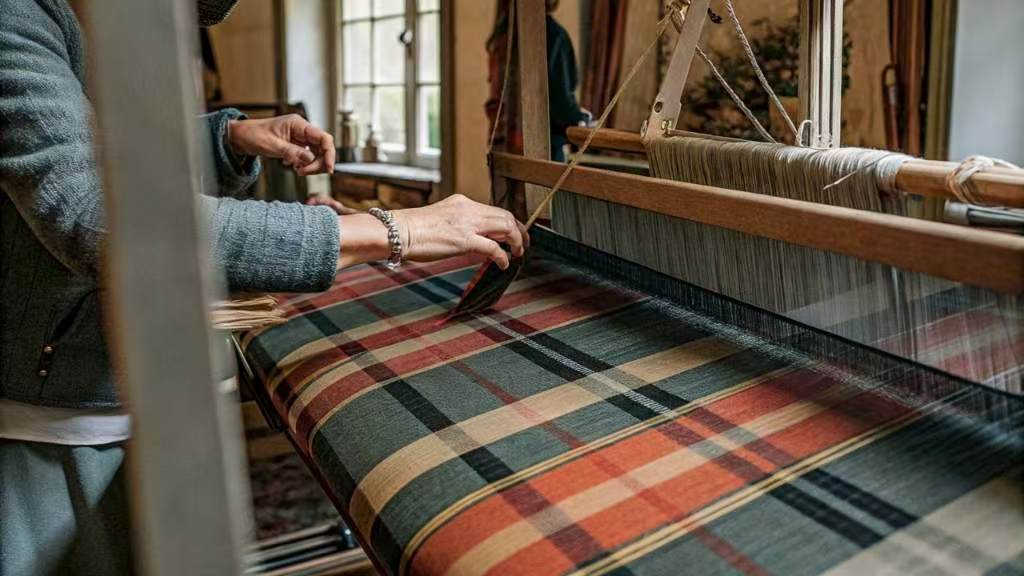
Handloom Weaving Fabric
Sri Lanka’s apparel sector generates over $5 billion in annual exports4, employs 350,000+ workers5, and accounts for nearly 6% of national GDP. At the top of this ecosystem is MAS Holdings, the undisputed leader in scale, revenue, and global influence.
Why Is MAS Holdings Considered the Largest Apparel Manufacturer in Sri Lanka?
MAS Holdings operates as a global manufacturing powerhouse with:
- Revenue: Over $2 billion annually
- Operations: 50+ facilities across 15 countries
- Employees: Over 118,000 worldwide
- Product Specialties: Activewear, lingerie, performance apparel
Why It Matters: MAS Holdings sets benchmarks for compliance and sustainability, making Sri Lanka a top sourcing choice for premium and ethical fashion brands.
Industry Insight: MAS’s partnerships with Nike, Victoria’s Secret, Lululemon, and PVH showcase the trust it commands among global leaders.
How Do Brandix and Hirdaramani Group Compare in Scale and Influence?
- Brandix: A sustainability leader, with carbon-neutral manufacturing and major clients like Gap and Marks & Spencer.
- Hirdaramani: Established in 1890, it has evolved into a modern, compliance-driven brand supplier working with Levi’s, Tommy Hilfiger, and Calvin Klein.
Comparative Analysis Table
| Company | Employees | Major Clients | Strengths |
|---|---|---|---|
| MAS Holdings | 118,000+ | Nike, Lululemon | Scale, innovation |
| Brandix | 85,000 | Gap, Marks & Spencer | Sustainability leader |
| Hirdaramani | 55,000 | Levi’s, Tommy Hilfiger | Compliance & heritage |
While MAS dominates by size and global reach, Brandix leads in carbon neutrality and Hirdaramani excels in ethical compliance, illustrating how differentiated competitive strategies drive Sri Lanka’s apparel sector.
What Makes MAS Holdings a Leader Among Apparel Manufacturers in Sri Lanka?
MAS Holdings’ leadership is not just about scale—it’s about future-proofing the apparel industry through innovation, technology, and ESG alignment.
How Has MAS Holdings Grown Its Local and Global Presence?
- Strategic Expansion: Multi-continent footprint minimizes risk of supply chain disruption.
- Joint Ventures: Collaborates with Nike and PVH for technical apparel.
- Talent Development: MAS invests heavily in training, ensuring skilled labor for complex garment categories.
Why It Matters: Global brands seek partners who combine cost efficiency with risk mitigation—MAS delivers both.
What Innovations and Sustainable Practices Set MAS Holdings Apart?
- Water-Saving Dyeing Technologies: Millions of liters saved annually.
- Circular Economy Initiatives: Textile waste converted into new fibers.
- Smart Apparel: Integration of sensors for fitness and health applications.
Sri Lanka ranks among the top 5 ethical sourcing destinations globally, and MAS’s advanced sustainability practices make it a preferred vendor for brands under ESG pressure.

MAS’s high CAPEX investments in automation and R&D create a barrier to entry for smaller competitors, reinforcing its dominance.
How Do Leading Sri Lankan Apparel Manufacturers Support Global Brands?
Sri Lanka’s apparel giants cater to luxury, sportswear, and lifestyle brands, ensuring compliance, quality, and innovation.
What Major International Brands Source from Sri Lanka’s Top Companies?
- Nike, Lululemon, Gap, Victoria’s Secret, Levi’s, Calvin Klein, Tommy Hilfiger
- These partnerships demand traceability, eco-certifications, and high agility.
How Do Sri Lankan Manufacturers Ensure Quality, Compliance, and Ethical Standards?
- Certifications: WRAP, Fair Trade, OEKO-TEX, ISO
- Audits: Routine third-party compliance checks
- Digital Traceability: Real-time production tracking systems
Compliance Benchmark Table
| Standard | Why It Matters |
|---|---|
| WRAP | Ethical manufacturing |
| OEKO-TEX | Chemical safety |
| GOTS | Organic textiles |
Where Are the Main Apparel Manufacturing Hubs in Sri Lanka?
Major hubs include Colombo, Katunayake, Biyagama, and Koggala, all supported by export-oriented infrastructure.
Why Are Colombo, Katunayake, and Biyagama Key Locations?
- Colombo: Corporate HQs, design centers
- Katunayake: Free Trade Zone, near airport for export efficiency
- Biyagama: Advanced production for high-tech apparel
How Does Infrastructure Support Large-Scale Apparel Manufacturing?
- Ports: Colombo Port among South Asia’s busiest
- Logistics: Road and air connectivity for fast exports
- Energy: Growing shift toward renewable energy in factories
How Can Buyers Connect with the Largest Apparel Manufacturers in Sri Lanka?

Finding reliable suppliers involves due diligence and strategic engagement.
What Are the Best Practices for Sourcing from Sri Lankan Factories?
- Verify Certifications: WRAP, BSCI, ISO
- Start Small: Use trial orders to confirm quality
- Negotiate Smart: Secure MOQs and lead times upfront
How Can Brands Build Strong Partnerships with Leading Manufacturers?
- Invest in Transparency: Share production forecasts
- Collaborate Digitally: Use PLM tools for real-time updates
- Sign Long-Term Deals: Lock in capacity and pricing
The History and Evolution of Sri Lanka’s Apparel Industry
From 1970s Free Trade Zones to current ESG-driven operations, Sri Lanka evolved into a premium sourcing hub, distancing itself from the “low-cost” image of its Asian peers.
Impact of ESG and Global Trade Dynamics
- EU GSP+ Benefits: Duty-free access to Europe
- US Market Access: Key destination for lingerie and activewear
- ESG Pressures: Brands now demand carbon neutrality and ethical compliance
Sri Lanka vs Vietnam vs Bangladesh vs India
| Country | Labor Cost/hr | Compliance | Lead Time | Specialization |
|---|---|---|---|---|
| Sri Lanka | $0.60 | High | 45 days | Lingerie, sportswear |
| Vietnam | $0.50 | Medium | 40 days | Footwear, fashion |
| Bangladesh | $0.35 | Low | 50 days | Basics, mass market |
| India | $0.75 | Medium | 50 days | Knits, casual wear |
Critical View: Sri Lanka competes on quality, compliance, and sustainability, not cost.
Future of Sri Lankan Apparel Manufacturing
- Automation & AI: Cutting sewing costs by 20%
- Green Factories: ESG as a selling point
- Nearshoring Trends: Post-pandemic, buyers prefer diversified sourcing
Projected Growth Table
| Year | Export Value | Key Driver |
|---|---|---|
| 2025 | $6.8B | ESG compliance |
| 2030 | $8.5B | Automation & AI |
Conclusion
Sri Lanka’s apparel industry, anchored by MAS Holdings, continues to be a strategic hub for ethical, innovative, and premium apparel sourcing. With Brandix and Hirdaramani reinforcing this reputation, global brands trust Sri Lanka for quality and sustainability.
-
Explore how MAS Holdings leads the apparel industry with innovation and sustainability. ↩
-
Discover Brandix’s carbon-neutral practices and its impact on the apparel sector. ↩
-
Learn about Hirdaramani’s evolution and its role in ethical compliance. ↩
-
Understand the economic impact of the apparel sector on Sri Lanka’s GDP. ↩
-
Explore the employment landscape and its importance to the local economy. ↩