Most people know clothing brands, but few really understand the world behind them: apparel manufacturing companies1. These organizations are the backbone of the fashion industry, working quietly behind the scenes to transform ideas into wearable reality. Over my years in the industry, I’ve seen how truly great manufacturers drive innovation, solve supply chain challenges, support designers, and bring products to market—no matter how complex the collection or fast the timeline.
Apparel manufacturing companies oversee everything from initial concept and design to sourcing materials2, large-scale production, strict quality control3, and final delivery. They play a critical role for both new and established brands—making sure every garment meets style, fit, safety, and sustainability requirements, on time and within budget.
In this expanded guide, I’ll break down how these companies work, what makes each type unique, and how they’re adapting to new market realities, from digital tech to eco-conscious production.
What Are the Main Functions of Apparel Manufacturing Companies?
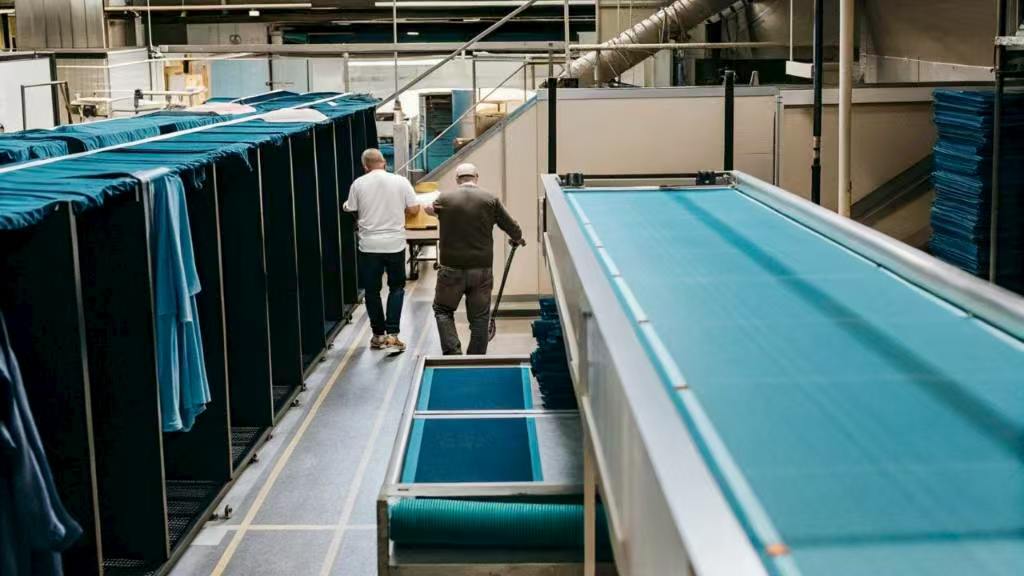
Textile Production Area
The modern apparel manufacturer is a multi-tasking problem solver and partner, not just a factory.
How Do Apparel Companies Handle Design, Production, and Sourcing?
- Design and development: Many manufacturers have in-house teams for pattern making, CADs, and sample development, helping brands shape ideas into production-ready specs.
- Material sourcing: They draw on vast global networks to find the right fabrics, trims, and hardware—balancing cost, function, aesthetics, and increasingly, sustainability certifications.
- Production management: Overseeing each order from start to finish: planning timelines, managing inventory, scheduling production runs, and keeping the client updated.
- Flexibility: The best companies can handle everything from a small capsule collection to a global mass-market rollout—adapting to shifts in demand or sudden design changes.
What Role Does Quality Control Play in Apparel Manufacturing?
- Material inspections: Fabrics and trims are tested for quality, compliance, and performance before production begins.
- In-line and post-production checks: Dedicated QC teams review every stage, using both human expertise and automated systems to spot defects early.
- Lab testing and compliance: For export and premium brands, testing for colorfastness, shrinkage, safety (like lead-free trims), and meeting international standards is a must.
- Protecting reputation: High QC standards mean fewer defective goods, lower return rates, and a stronger brand in the eyes of retailers and end customers.
How Do Apparel Manufacturing Companies Operate from Concept to Finished Product?
The journey from concept to finished clothing involves a carefully managed series of steps.
What Are the Key Steps in the Apparel Production Process?
- Design support: Pattern making, tech packs, fit samples, and prototype development help refine concepts before production.
- Material sourcing: Factories secure the best fabric and trims, often leveraging bulk purchasing power for savings.
- Sample making: Prototype and pre-production samples are reviewed, revised, and approved—sometimes over several rounds for new or technical designs.
- Bulk production: Cutting, sewing, finishing, and branding are scheduled and managed for efficiency and quality.
- Finishing and packaging: Final QC, folding or hanging, adding branded packaging, and preparing shipments for local or international delivery.
- Shipping and logistics: Arranging freight, clearing customs, and tracking deliveries so products reach their destinations on time.
How Do Companies Manage Material Sourcing, Cutting, Sewing, and Finishing?

- Long-term vendor partnerships: Manufacturers develop relationships with reliable mills and trim suppliers, sometimes even owning or managing these sources directly.
- Technology integration: Many factories now use laser cutting, automated embroidery, digital printing, and ERP systems for faster, more precise production.
- Expert labor: For premium brands or complex pieces, skilled craftspeople still handle many finishing and detail tasks by hand.
What Types of Apparel Manufacturing Companies Exist?
Today’s brands can choose from a wide variety of manufacturing partners, each with unique strengths.
What Is the Difference Between OEM4, ODM5, and Private Label Manufacturers?
- OEM (Original Equipment Manufacturer): The brand controls the design; the manufacturer builds exactly to their spec.
- ODM (Original Design Manufacturer): The manufacturer provides design options, which brands can customize or sell as-is—ideal for startups or rapid launches.
- Private Label: Companies can select pre-made designs or slightly customize stock products, allowing for ultra-fast turnarounds and lower costs.
| Manufacturer Type | Who Owns Design? | Customization Level | Best For |
|---|---|---|---|
| OEM | Brand | High | Unique, proprietary collections |
| ODM | Manufacturer | Medium | Fast-growing, trend-driven brands |
| Private Label | Manufacturer | Low | Retailers, e-commerce, fast launch |
How Do Full-Service Apparel Companies Support Brands and Designers?
- End-to-end service: Some firms manage everything—trend research, pattern development, fabric innovation, production, packaging, and even delivery logistics.
- Compliance and R&D: They support brands with global certifications (e.g., OEKO-TEX, GRS, BSCI), and often offer R&D for new materials or unique finishes.
- Dedicated client teams: Many assign account managers or project teams to coordinate every detail and keep communication seamless.
How Do Apparel Companies Collaborate with Brands and Retailers?
The best partnerships are built on trust, transparency, and a shared vision for quality.
What Services Do Manufacturing Companies Offer to Emerging and Established Brands?
- Sampling and prototyping: Turning ideas into market-ready samples for sales, marketing, and testing.
- Flexible order sizes: Some specialize in low MOQs for new brands, while others are built for large-scale, ongoing retail programs.
- Market and trend insights: Sharing seasonal fabric collections, trend reports, and global sourcing updates to keep clients ahead of the curve.
- Supply chain solutions: Managing warehousing, dropshipping, and direct-to-consumer fulfillment for modern brands.
How Do Partnerships Work from Product Development to Delivery?
- Collaborative planning: Brands and manufacturers work together to set realistic timelines, agree on quality standards, and solve challenges as they arise.
- Step-by-step approvals: Prototypes, pre-production, and bulk samples are all reviewed and approved at each stage.
- Transparent communication: Frequent updates, virtual factory tours, and cloud-based order management tools help bridge distances and build trust.
- Aftermarket support: Leading companies assist with returns, defects, re-orders, and continuous product improvement.

What Are the Latest Trends in the Apparel Manufacturing Industry?
The landscape is shifting—technology and sustainability are leading the way.
How Are Technology and Sustainability Changing Apparel Production?
- Digital transformation: 3D sampling, AI-powered design, and cloud-based PLM systems are making production faster, more accurate, and less wasteful.
- Eco-friendly practices: Recycled fibers, plant-based dyes, closed-loop water systems, and carbon-neutral shipping are becoming industry standards.
- Data-driven efficiency: Big data helps optimize production runs, forecast demand, and reduce excess inventory.
- Transparency and traceability: Brands—and end consumers—can now track every step, from raw material to finished product, often via QR codes or blockchain.
What Innovations Are Apparel Manufacturing Companies Bringing to Market?
- Smart textiles and wearables: Clothes with built-in sensors, health tracking, or responsive features are moving from the lab to the sales floor.
- On-demand and local production: More companies offer made-to-order or small-batch manufacturing for direct-to-consumer brands, reducing waste and enabling fast reaction to trends.
- Sustainable packaging: From compostable polybags to recycled shipping boxes and garment bags that double as backpacks, packaging is now part of the sustainability conversation.
- Automated factories: Robotics and AI manage everything from fabric cutting to QC scanning—boosting speed, accuracy, and scalability.
Conclusion
Apparel manufacturing companies are the heartbeat of the fashion industry, turning vision into reality through creativity, precision, and constant adaptation. The best manufacturers combine technology, global sourcing, quality control, and customer partnership to help brands of all sizes launch, grow, and thrive. In a market driven by speed and sustainability, choosing the right partner isn’t just about price—it’s about finding a company that will evolve with you and help build a brand that stands out.
-
Explore this link to understand the vital functions and impact of apparel manufacturing companies in the fashion industry. ↩
-
Learn about sustainable sourcing practices that can enhance your brand’s eco-friendliness and market appeal. ↩
-
Discover how quality control ensures product excellence and brand reputation in the competitive fashion market. ↩
-
Gain clarity on the OEM model and how it can benefit your brand’s production strategy. ↩
-
Explore the ODM model to understand its advantages for startups and brands looking for quick market entry. ↩