
 Skip to content
 Definition, Structure, Proportion, and Modern Standards
In modern urban wear, an “oversized T-shirt” does not simply mean a larger shirt.
It refers to a pattern-driven design choice based on structure, proportion control, and clear wearing intent, rather than accidental sizing or exaggerated looseness.
This page serves as the definition authority for oversized T-shirts, establishing stable judgment standards that all related subpages should reference.
Before discussing style or aesthetics, oversized must be clearly defined.
This section separates true oversized construction from common misunderstandings.
The core difference between an oversized T-shirt and a regular T-shirt lies in structure, not size.
Regular T-shirts are patterned around the body’s natural shoulder points, sleeve joints, and balanced proportions.
Oversized T-shirts intentionally alter shoulder treatment, body width, and sleeve volume to create a relaxed yet controlled silhouette.
If a T-shirt is merely scaled up without structural change, it remains a regular fit in essence.


Sizing up only enlarges existing proportions—it does not create oversized structure.
When a standard T-shirt is sized up, length, chest width, and sleeve length increase together, while shoulder points and armholes remain unchanged. This often leads to dragging length, shoulder wrinkling, or unbalanced sleeves.
Oversized is a design outcome, not a sizing shortcut.
A true oversized T-shirt should read as intentional at first glance.
Its looseness should be understandable as a design choice, supported by proportion and structure.
When a garment can only be explained as “too big,” it falls outside the oversized category.
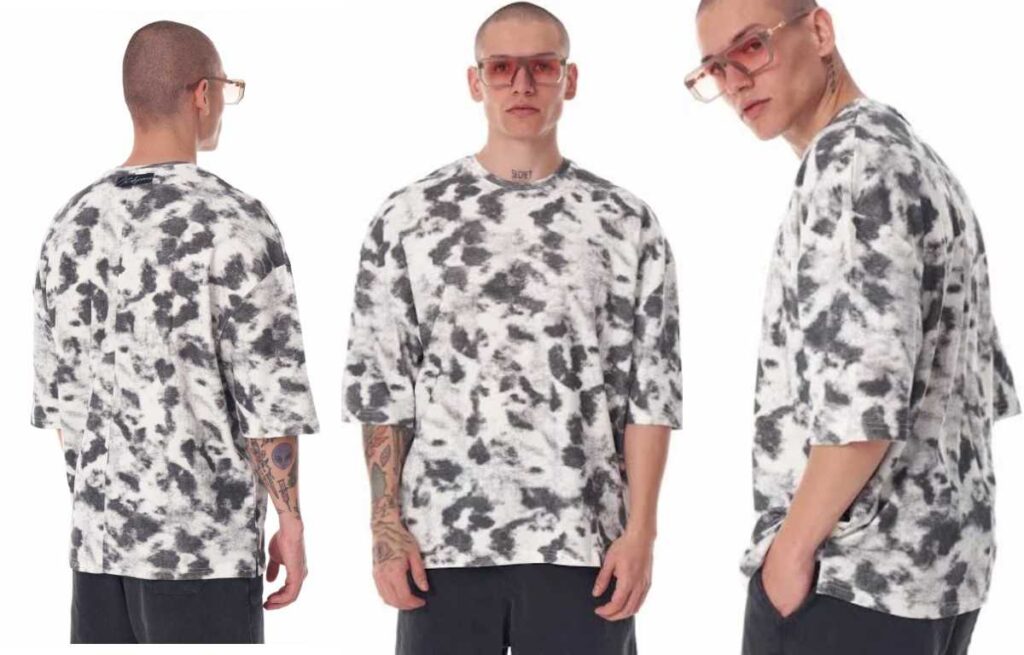
The meaning of oversized has evolved alongside urban lifestyles.
This section anchors oversized within contemporary city wear, not past trend cycles.
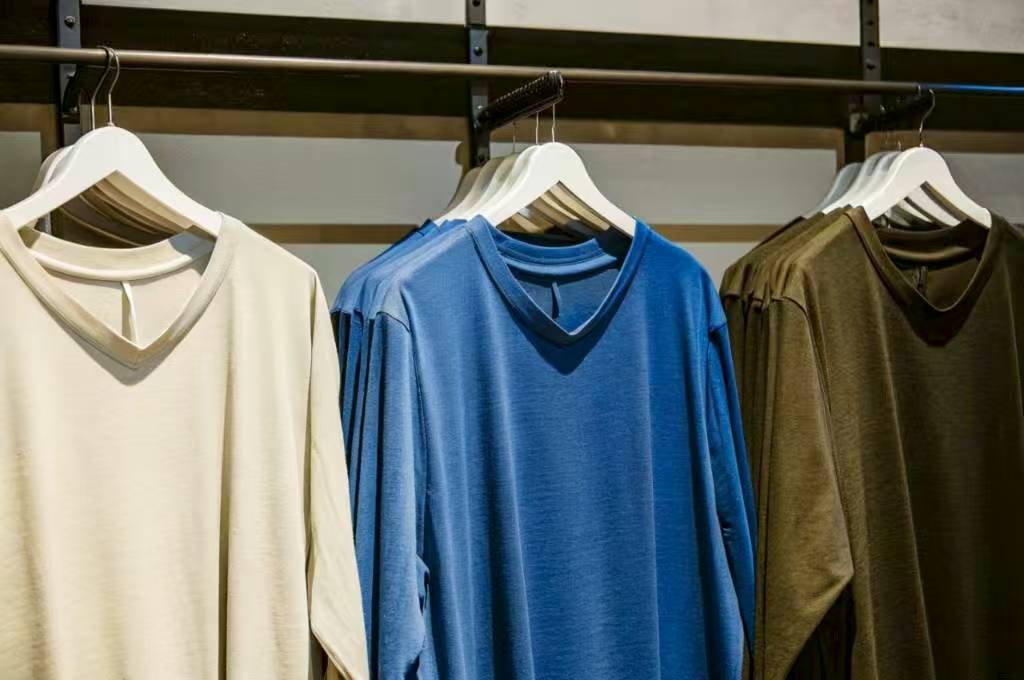
Modern urban wear prioritizes comfort without abandoning visual order.
Unlike earlier streetwear phases that emphasized extreme volume, today’s urban clothing must function across daily movement, work, and social settings.
As a result, modern oversized leans toward relaxed structure rather than uncontrolled scale.
Modern oversized represents a refinement of earlier extremes.
Where past oversized relied on exaggerated width, length, or graphics, contemporary oversized emphasizes proportion, clean lines, and balance.
Volume remains present, but within clear boundaries.

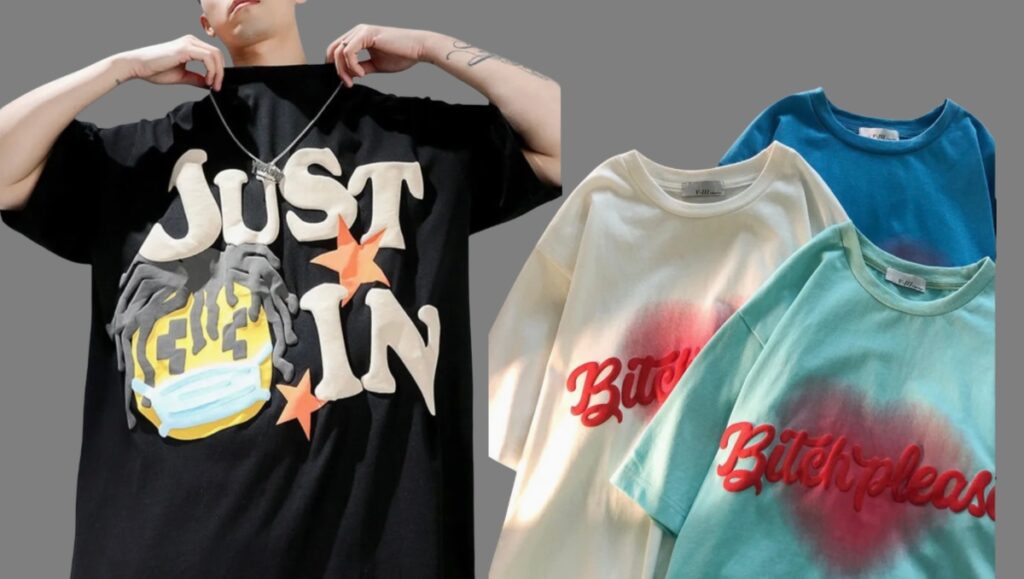
The goal of modern oversized is long-term wearability, not short-term impact.
By reducing visual noise and relying on cut and fabric quality, oversized garments integrate naturally into daily urban life.
This restraint is what allows oversized to feel modern rather than trend-bound.
Oversized is not abstract—it is built from physical pattern changes.
This section explains what actually changes in construction.
The shoulder area is the most defining structural shift in oversized patterns.
Common approaches include subtly extended standard shoulders, intentionally dropped shoulders, or widened shoulder spans.
Regardless of method, the shoulder line must be redesigned rather than passively enlarged.
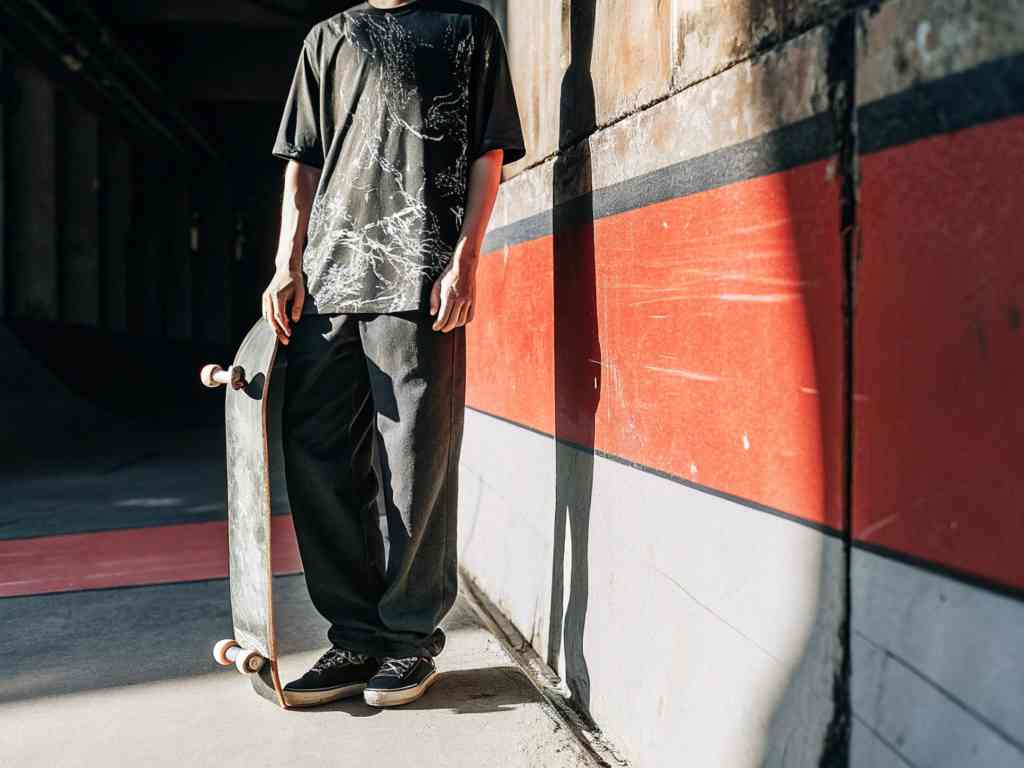

Oversized success depends on how volume is distributed, not how much volume exists.
Well-designed oversized T-shirts maintain balance between chest width, hem width, and length. Poor designs often fail by becoming both excessively wide and overly long.
Volume should be placed where it remains visually legible.
Sleeves act as a stabilizer in oversized silhouettes.
Proper sleeve length and opening prevent the body from appearing box-like.
Ignoring sleeve proportion is one of the fastest ways oversized loses its modern character.
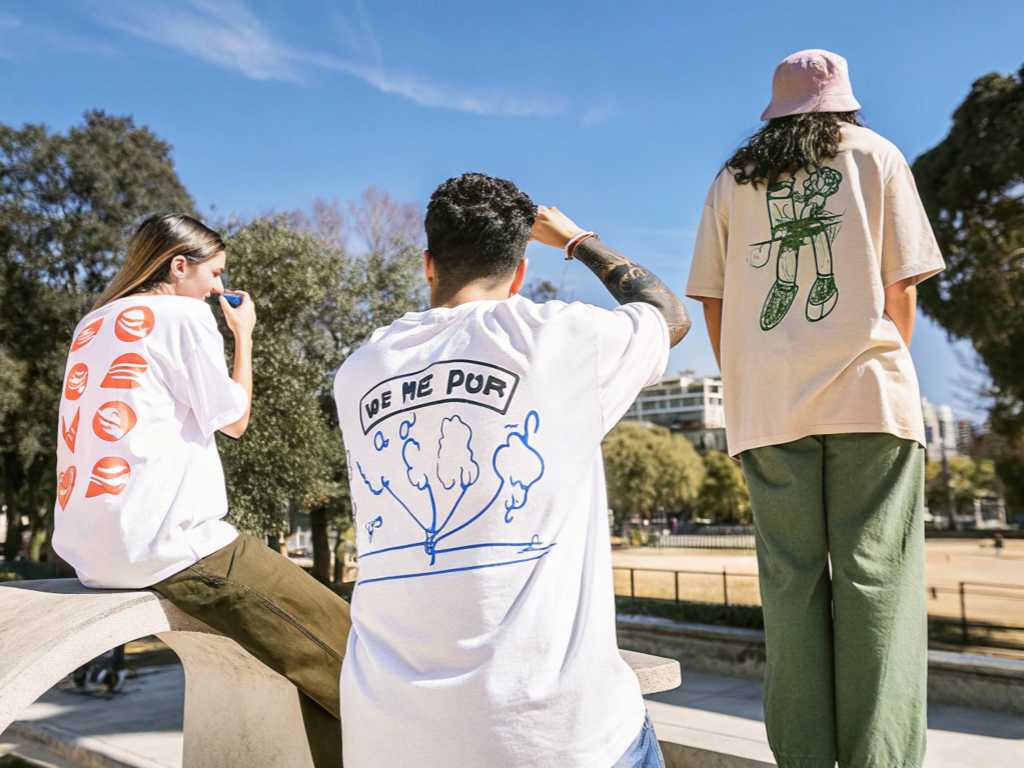
The most common concern with oversized is visual messiness.
This section addresses how control prevents that outcome.
Modern oversized is defined by boundaries.
Looseness itself is not the problem—lack of stopping points is.
When volume has no clear limit, the result appears accidental rather than designed.
Proportion imbalance is more damaging than size mismatch.
Width, length, and fabric drape must support each other. Any single element taken too far will break the silhouette.
Good oversized looks relaxed without appearing unstable.
Size labels cannot predict visual outcome—proportion can.
The same labeled size can produce vastly different results depending on cut and body type.
Oversized should always be judged by worn proportion, not tag information.
Oversized does not imply unlimited looseness.
This section defines wearable boundaries.
Functional looseness supports comfort and movement; exaggerated volume serves visual effect.
Modern urban oversized favors functional looseness.
When volume interferes with daily activity or coordination, it exceeds its purpose.
A wearable oversized T-shirt adapts naturally to walking, sitting, and reaching.
If constant adjustment is required, looseness has crossed into inefficiency.
Wearability is a baseline requirement, not a bonus.
Oversized fails when clarity and function are compromised.
Excessive width, length, and softness often restrict the garment to static use only.
Modern oversized must remain usable in real daily life.
Correct patterning alone is insufficient.
Fabric behavior plays a decisive role.
Moderate fabric weight helps oversized silhouettes hold form.
Overly light fabrics collapse; overly heavy fabrics become rigid.
Modern oversized relies on fabrics with self-supporting structure.
Effective oversized fabrics balance drape with recovery.
Drape provides flow; recovery preserves silhouette.
Fabrics lacking recovery quickly erode visual clarity.
Excessive softness often pushes oversized toward dated aesthetics.
Modern urban wear favors clean, stable lines over complete collapse.
In oversized designs, “too soft” is frequently more problematic than slightly firm.
Oversized is not new, but its execution determines relevance.
Modern oversized avoids excessive graphics and aggressive detailing.
It relies on proportion and construction rather than symbolic elements.
Neutral, balanced proportions outlast extreme silhouettes.
Pushing oversized to extremes often shortens its relevance.
Durability over time is a key marker of modern design.
Modern oversized is built for repeated, long-term wear—not seasonal impact.
Oversized is not reserved for special occasions.
This section explains its everyday value.
Modern oversized improves comfort while maintaining visual clarity.
This distinguishes it from purely casual or home wear.
Oversized T-shirts integrate easily into multiple outfit systems.
With correct proportion, they work both alone and layered.
The value of modern oversized lies in consistency.
Stable construction and fabric allow frequent, confident wear.
Most failures result from conceptual confusion.
Baggy prioritizes looseness; oversized prioritizes structure.
They are not interchangeable.
Incorrect fabrics magnify looseness-related issues.
Especially materials with poor recovery.
Volume without proportional control leads to heaviness, not design.
Proportion remains central to oversized success.
Use the checklist below as a fast reference for evaluation.
1.Structure and pattern check
2.Proportion and looseness check
3.Fabric behavior and daily wear check
Oversized is a structural design choice, not a sizing error
Modern oversized emphasizes controlled proportion, not extreme volume
Shoulders, sleeves, and body shape define the silhouette
Fabric behavior determines whether oversized feels modern
True oversized must support long-term, everyday urban wear
We’ll get back to you within 24 hours. Attach your logo/design if needed.
💡 1 . Share your logo, fabric, and quantity for T-shirts, hoodies, and more.
📐 2. We’ll prepare samples for your approval.
🚚 3. Bulk production starts after deposit.
✅ We value your privacy. Your information is 100% safe and confidential.
📦 Need help? Chat with us via WhatsApp anytime!

Note: Your email information will be kept strictly confidential.
Note: Your email information will be kept strictly confidential.
Request a quote, discuss MOQ, lead time, fabrics & QC.
Visit our brand store: Modaknitswear
Retail orders (and dropshipping options) are available on Modaknitswear.