Every year, thousands of brands—big and small—ask the same question: “Which country really has the best clothing manufacturers1?” As someone who’s worked with global sourcing2 teams, factories, and designers, I know there’s no one-size-fits-all answer. The “best” depends on your goals: luxury3, speed, scale, or sustainability4. But some countries do consistently stand out, both for quality and reliability.
Italy5, Portugal, Japan, and Turkey are widely recognized for leading the world in clothing manufacturing. These countries combine skilled labor, innovation, advanced technology, and strong quality controls, making them the go-to choice for both emerging brands and global icons.
In this guide, I’ll break down what makes these countries so special, how Seamapparel helps brands access them, and what you need to consider for your own sourcing success. Whether you’re launching your first line or scaling up, these insights can help you make smarter decisions—and avoid costly mistakes.
Which Countries Are Globally Recognized for Top-Quality Clothing Manufacturing?
Choosing a country for production is more than a numbers game. It’s about reputation, know-how, and the values behind the “Made in” label. Some regions have built their name over centuries; others have risen fast with technology and efficiency.
Italy, Portugal, Japan, and Turkey lead the industry, each offering unique strengths—from luxury and craftsmanship to modern sustainability and rapid delivery.
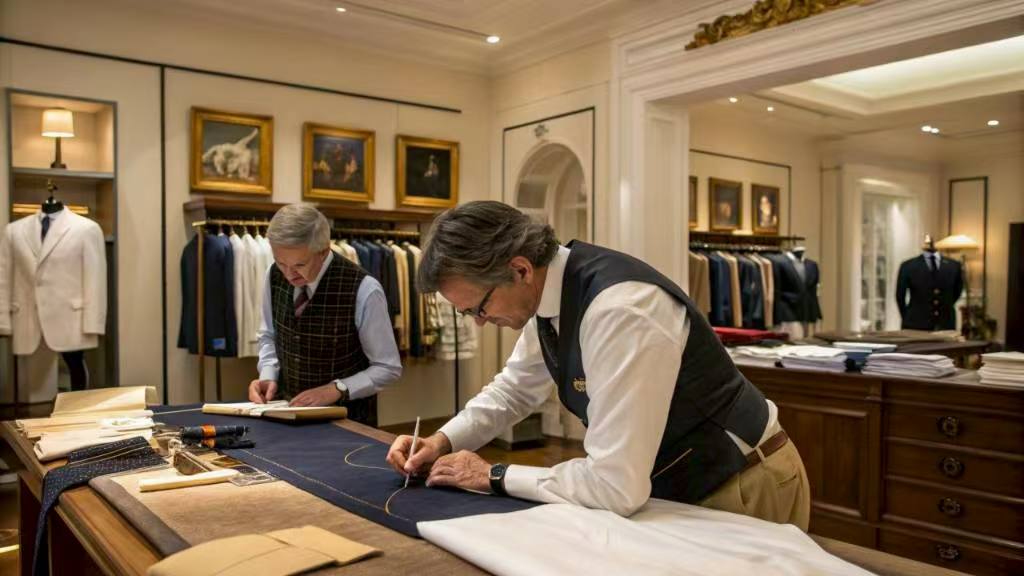
Tailor Workshop
Why Is Italy Famous for Luxury Fashion and High-End Garment Production?
When people think of “the best,” Italy is usually the first country that comes to mind—especially for high-end and luxury clothing. Italian factories have an unmatched reputation for attention to detail, artisanal skills, and close relationships with top designers.
Italy is famous for luxury garment manufacturing because of its rich fashion heritage, highly skilled artisans, innovative textiles, and the global power of the “Made in Italy” label.
What Makes Italian Production Unique?
- Generations of craftsmanship passed down in family-owned factories
- World-leading fabric mills in Como (silk), Biella (wool), and Prato (knitwear)
- Iconic brands (Gucci, Prada, Versace) setting global trends
- Strong regional clusters (Milan, Florence, Naples) for easy sourcing
Key Benefits of Italian Manufacturing
- Perfect for tailored suits, luxury outerwear, designer dresses
- Close collaboration with designers—factories often co-create new finishes or details
- Speedy innovation (Italy can launch capsule collections in weeks)
- Instantly recognized value with “Made in Italy” for global marketing
Real Example:
When a premium streetwear brand I worked with switched from Asian production to Italy for their limited-edition outerwear, they saw not just higher quality but also a major boost in retail pricing power and customer trust.
How Do Countries Like Portugal, Japan, and Turkey Stand Out for Quality and Innovation?
Each of these countries has its own “superpower” for clothing production, often shaped by geography, history, and investment.
Portugal is respected for sustainable knitwear, small-batch flexibility, and ethical production. Japan excels in textile innovation and craftsmanship, perfect for brands chasing technical excellence. Turkey is prized for scale, speed, and a strong supply chain—blending European quality with competitive pricing.
Key Features by Country
| Country | What Sets Them Apart? |
|---|---|
| Portugal | Eco-friendly practices, high-quality jersey, flexibility |
| Japan | Technological leadership, unique fabrics, “perfectionist” culture |
| Turkey | Vertical integration (many own their fabric mills), fast lead times, great value for mid- to high-end |
In-Depth: Portugal
- Factories often run on renewable energy, many are GOTS or OEKO-TEX certified
- Known for specialty in jerseys, sweatshirts, athleisure, and basics
- Minimums often as low as 200–300 pcs per style
- Strong English skills and modern project management
In-Depth: Japan
- Pioneers of selvedge denim, performance wear, and technical outerwear
- Strong focus on precision, from pattern to finishing
- Used by brands seeking unique, standout products—think engineered knits or futuristic fabrics
In-Depth: Turkey
- Strategic location for serving both Europe and the Middle East
- Can deliver trend-driven collections in as little as 2–4 weeks
- Ideal for fashion brands who need high capacity, but want better than “commodity” level quality
Insider Tip:
Many premium European brands actually “split” production: high fashion in Italy, core basics or sportswear in Portugal/Turkey, and innovative capsules in Japan.
What Makes These Countries the Best for Clothing Manufacturing?
What separates these countries from the rest isn’t just price or tradition. It’s their ability to combine skills, investment, supply chain, and a relentless focus on quality.
The best manufacturing countries have skilled labor, world-class technology, proven supply chains, and enforce strict quality standards—giving brands peace of mind and product consistency.
How Do Skilled Labor, Advanced Technology, and Design Expertise Drive Quality?
No machine can replace a skilled operator. The world’s best factories invest in training, pay fair wages, and keep workers for years. Paired with modern machinery and design knowledge, this creates true excellence.
Highly trained staff, advanced technology, and collaborative design expertise mean better fit, finish, and innovation—raising the bar for what’s possible in fashion.

What Sets Top Factories Apart?
- Patternmakers and sewers with 20+ years’ experience
- Latest machines for digital patterning, laser cutting, bonding, and eco-dyeing
- R&D teams working side-by-side with designers on every collection
- Culture of “zero defects” and pride in the finished garment
Quick List: Tech & Talent Investments
- 3D design and fit sampling to reduce waste
- RFID and traceability for supply chain transparency
- Partnerships with textile universities and fashion institutes
What Role Do Certifications and Strict Quality Standards Play?
Modern brands (and their customers) expect more than just “good enough.” The world’s leading factories build trust with globally recognized certifications—and prove it with every shipment.
Certifications like OEKO-TEX, GOTS, ISO 9001, and BSCI prove ethical, sustainable, and high-quality production. Top factories also run their own in-house QC and regular third-party audits.
Certifications Table
| Certification | Focus Area | Why It Matters |
|---|---|---|
| OEKO-TEX | Chemical safety, textile standards | No harmful substances for consumers |
| GOTS | Organic textile chain of custody | Appeals to eco- and health-conscious brands |
| ISO 9001 | Quality management | Structured, repeatable processes |
| BSCI/Sedex | Social responsibility, compliance | Ensures worker welfare, fair pay |
How Certifications Protect Brands
- Lower risk of customs or retailer rejection
- Boosts brand story and consumer trust
- Easier access to premium or international markets
How Does Seamapparel Help Brands Access the World’s Best Manufacturers?
The global factory landscape is complex—filled with hidden gems and hidden risks. That’s why Seamapparel acts as a sourcing partner, not just a broker.
Seamapparel connects brands with pre-vetted, high-quality factories worldwide, saving clients months of research and thousands in costly mistakes.
What Screening and Vetting Processes Does Seamapparel Use?
We say no to 9 out of 10 factories that apply to our network. Every partner faces a rigorous screening before we’ll recommend them to our clients.
Seamapparel’s vetting process includes in-depth factory audits, certification verification, sample evaluation, production checks, and ongoing monitoring for quality and compliance.
Seamapparel Vetting Checklist
- On-site (or live video) inspections of equipment, workflow, and labor practices
- Verification of legal documents, certifications, and compliance records
- Analysis of past work, reference checks, and test orders
- Monitoring feedback from clients on communication, on-time delivery, and after-sales service
What This Means for Brands:
- No more “mystery factories” or empty promises
- Faster onboarding and reliable samples
- Full transparency on who’s really making your clothes
How Does Seamapparel Match Brands with Top Factories Based on Their Needs?
Every brand is different. That’s why we dig deep: understanding your vision, product specs, order volume, timeline, and market goals. Then we pair you with a shortlist of best-fit factories.
Seamapparel’s brand-factory matching process considers everything from technical capability to communication style, helping you build a real, long-term partnership.
Matching Criteria Table
| Factor | How Seamapparel Matches Brands |
|---|---|
| Product type | Only factories with proven category experience |
| MOQ & lead time | Based on your launch plans |
| Certifications | Environmental or ethical requirements prioritized |
| Price & positioning | Luxury, mid-market, value, or performance |
| Language & service | Direct project management in your time zone |
Example:
A sustainable streetwear brand wanted small runs and organic fabrics. Seamapparel connected them to a Portuguese factory with GOTS certification, low MOQs, and fluent English support—speeding up launch by months.
How Do Leading Countries Compare in Terms of Cost, Quality, and Service?
There is no single “best” country for everyone. Choosing a country means balancing cost, quality, minimums, flexibility, and logistics. The ideal country for your brand may not be the same as for another.
Italy, Portugal, Japan, and Turkey all offer different mixes of value, quality, lead time, and communication style. Your priorities should shape your sourcing decision.
How Does Manufacturing in Italy Differ from Portugal or Japan?
Italy’s sweet spot is luxury—think suits, dresses, outerwear—at a premium cost and higher minimums. Portugal delivers flexible, sustainable basics, and premium knitwear. Japan is best for high-tech, detail-obsessed or niche products.
Italy = luxury + high price, Portugal = flexible + eco, Japan = technical + small batch.
Country Comparison Table
| Country | Cost | Quality Level | Typical MOQs | Best for | Limitations |
|---|---|---|---|---|---|
| Italy | High | Luxury | 300–500+ pcs | High-end/luxury fashion | Cost, slow for basics |
| Portugal | Medium | Premium/eco | 150–300 pcs | Athleisure, basics, knitwear | Limited tech products |
| Japan | Very High | Ultra-premium | 100–200 pcs | Technical, niche, innovation | Small scale, price |
| Turkey | Low-Medium | Mid-premium | 400+ pcs | Fast fashion, jeans, sports | Not as strong for high luxury |
Insider Stories
- Italian factories will often “close” their client lists for the year—exclusivity is real.
- Japanese partners may ask for extra lead time but deliver perfect, zero-defect pieces.
- Turkish suppliers offer WhatsApp support and can turn orders around in a matter of weeks—ideal for fast-moving brands.
What Should Brands Consider When Choosing a Country for Production?
Too often, brands chase the lowest price and regret it later. The “best” country is the one that aligns with your brand, your customer, and your growth plan.
Brands should assess: quality needs, order size, market positioning, speed to market, sustainability goals, and communication style.
Decision Checklist
- What quality tier does my target customer expect?
- What is my budget—and am I willing to pay more for a premium “Made in” label?
- Do I need small MOQs or am I ready to scale big?
- How important is sustainability or certifications to my brand story?
- Do I need fast turnaround for trend-driven products?
- Can I communicate easily with the factory team?

How Can Brands Leverage Seamapparel to Work with Top Clothing Manufacturers?
Sourcing across borders brings both opportunity and risk. Seamapparel is designed to remove the friction, letting brands focus on design, sales, and growth.
Seamapparel gives brands plug-and-play access to a global network of trusted factories, with full support for sourcing, QC, communication, and logistics.
What Are the Benefits of Seamapparel’s Global Network and Local Expertise?
With a presence in all key sourcing countries, Seamapparel combines global reach with local service. Our teams speak the local language, understand local business culture, and act as your eyes and ears on the ground.
Seamapparel’s network means faster problem-solving, easier sampling, better negotiations, and peace of mind—wherever your production happens.
Seamapparel Service List
- Free initial consultation and needs assessment
- Factory shortlist, with side-by-side comparisons
- Local staff to oversee samples, pre-production, and in-line QC
- Live updates and video walkthroughs of your production in real time
- Full transparency and contract protection for every order
How Can Seamapparel Support Brands with Sourcing, Quality Control, and Logistics?
We’re more than a directory. Our team manages everything—so you avoid language gaps, missed deadlines, or costly errors.
Seamapparel handles the whole journey: from sourcing and sampling, to quality checks, project management, and global shipping.
Services Table
| Service | What You Get from Seamapparel |
|---|---|
| Sourcing | Best-fit factory matches, negotiation |
| Sampling | Hands-on review, fit/finish improvements |
| Quality Control | In-person and remote inspections |
| Logistics | Shipping coordination, customs help |
| Communication | 24/7 bilingual support, live status |
My Advice to Brands
- Use Seamapparel’s sample review service before confirming any large orders—this alone saves time and expensive remakes.
- Ask about ongoing QC and how issues are resolved before you ship.
- Leverage local teams for faster fixes if you have a timeline crunch.
Conclusion
The best country for clothing manufacturing depends on your brand’s product, audience, and values. Italy, Portugal, Japan, and Turkey each have unique strengths—but the key to success is working with the right partner, not just the right place. With Seamapparel, you gain insider access, less risk, and expert support every step of the way.
-
Explore this link to discover the leading clothing manufacturers and their unique offerings. ↩
-
This resource will guide you through effective sourcing strategies for clothing production. ↩
-
Explore the characteristics that set luxury clothing manufacturing apart from others. ↩
-
Understand the significance of sustainable practices in the clothing industry and their impact. ↩
-
Learn about Italy’s rich fashion heritage and why it remains a top choice for luxury clothing. ↩