In the final installment of our complete sleeve guide, we turn our attention to the creative, modern, and statement-making sleeve designs that have gained popularity in both runway and ready-to-wear collections. These sleeves aren’t just about structure or function—they are about aesthetic impact, brand identity, and consumer emotion.
While Part 1 covered foundational sleeves like Set-in, Raglan, and Gusseted, and Part 2 explored expressive styles like Puff, Bell, and Angel sleeves, Part 3 dives into avant-garde shapes, transformational functionality, and gender-neutral designs. Expect to see sleeves that redefine fashion boundaries—from balloon and lantern sleeves to cold-shoulder and exaggerated over-sleeves.
Cold Shoulder Sleeve
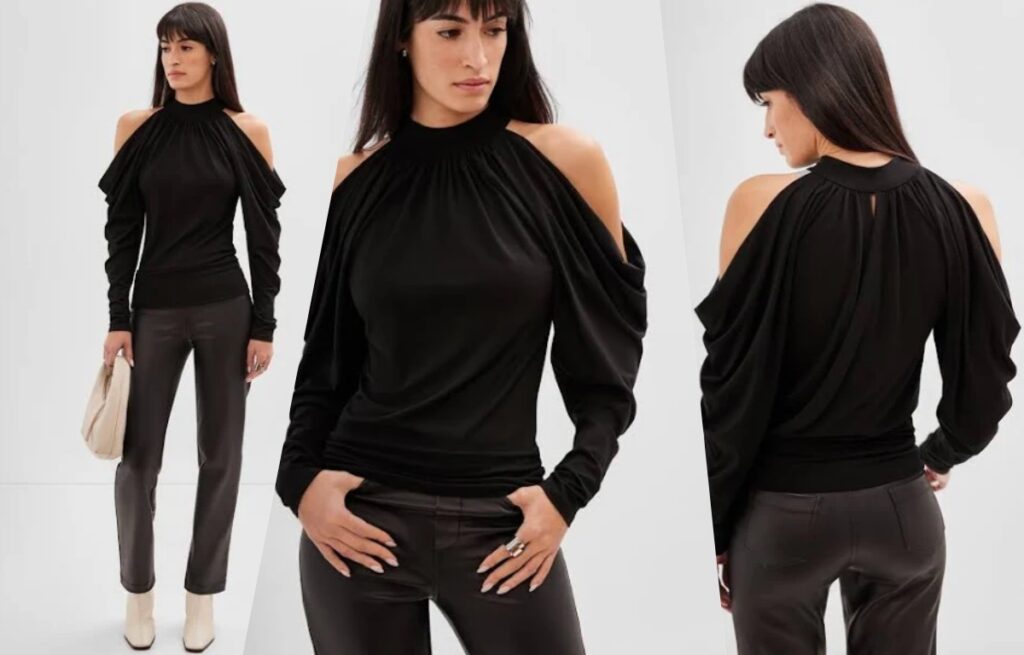
What is a Cold Shoulder Sleeve?
A cold shoulder sleeve is a stylish hybrid between sleeveless and full-coverage sleeves. It features a cut-out section at the top of the shoulder, creating a peekaboo effect while still retaining a sleeve that covers the upper arm or longer. This design adds a touch of sensuality and modernity without fully baring the arm, making it ideal for casual, resort, and semi-formal fashion.
Why is the Cold Shoulder Sleeve a Timeless Trend in Women’s Fashion?
Design Anatomy & Construction Insights
Cold shoulder sleeves may look simple at first glance, but their structure requires precise cutting and seam alignment to maintain symmetry and comfort. They usually start with a base sleeve (e.g., short, long, or flutter) and feature a semi-circular or rectangular cut-out above the biceps area.
| Component | Details |
|---|---|
| Base Sleeve Type | Short sleeve, long sleeve, bishop sleeve, or flutter sleeve |
| Cut-Out Shape | Circular, oval, or slit, placed strategically on the top shoulder |
| Finishing Technique | Edged with binding, rolled hem, or lace trim to prevent curling |
| Fabric Consideration | Works best with stable knits, rayon, cotton blends, or soft crepes |
Precise stitching around the cut-out is essential to prevent gaping or warping after washing.
Functional Benefits and Aesthetic Impact
- Visual Balance: The cold shoulder design draws attention upward, balancing wider hips or heavy lower silhouettes—ideal for pear-shaped body types.
- Comfortable Ventilation: Offers breathability in warmer weather while keeping part of the arm covered, making it perfect for spring/summer collections.
- Versatile Styling: Can be worn in casual t-shirts or elevated for eveningwear with embellishments.
Market Application & Customer Appeal
| Use Case | Description |
|---|---|
| Resort & Vacation Wear | Offers feminine charm without being overly revealing |
| Casual Chic Fashion | Perfect for day-to-night tops paired with jeans or skirts |
| Evening & Event Wear | Enhances gowns when paired with lace, embroidery, or metallic fabrics |
| Plus-Size Market | Highly favored as it adds visual interest without baring the full arm |
Designers from brands like Zimmermann, Lulus, and Forever 21 have consistently incorporated cold shoulder sleeves into collections due to their flattering, trend-transcending appeal.
Best Fabric Matches
| Fabric Type | Reason for Use |
|---|---|
| Rayon Spandex | Soft drape, stretchable for comfort |
| Polyester Blends | Wrinkle-resistant, easy to cut precise openings |
| Lace | Adds delicacy and vintage appeal around the cut-out |
| Tencel | Offers breathable luxury with smooth finishing |
Off-Shoulder Sleeve
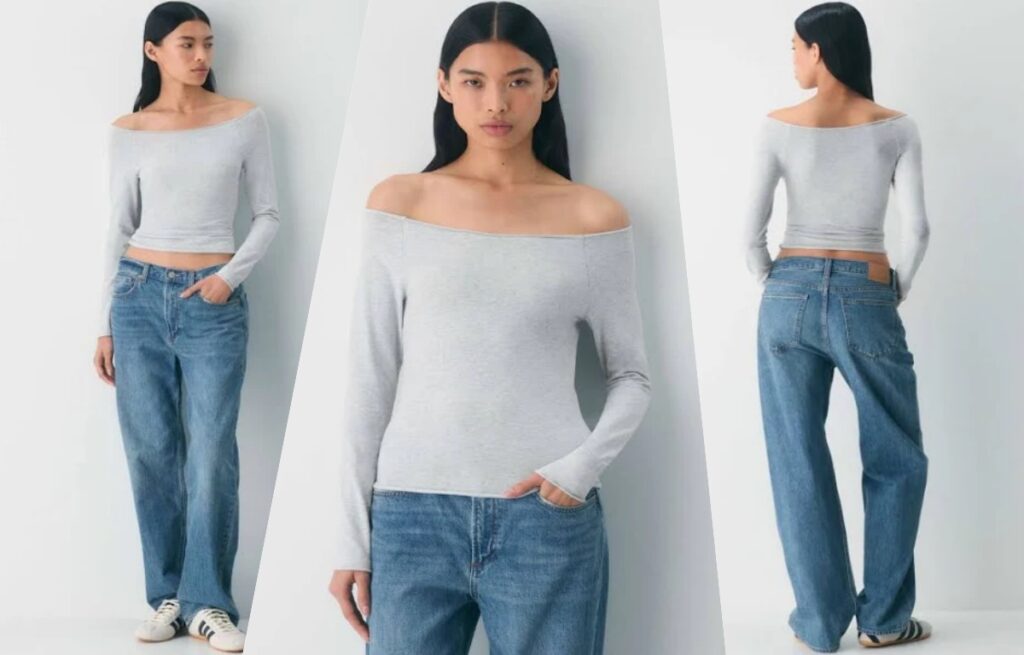
What is an Off-Shoulder Sleeve?
The off-shoulder sleeve is a feminine and romantic design where the sleeve starts below the shoulder line, leaving the collarbones, shoulders, and sometimes the upper arms completely exposed. Popular across eveningwear, summer collections, and bridal fashion, this sleeve type instantly adds a sensual yet elegant vibe.
Why Are Off-Shoulder Sleeves a Staple in Fashion Design?
Construction Challenges & Design Precision
Unlike standard sleeves that anchor into the shoulder seam, off-shoulder sleeves require creative pattern drafting and often rely on elastic bands, interfacing, or structured boning to hold the garment in place. The key technical elements include:
| Design Element | Function/Reason |
|---|---|
| Elastic Neckline | Ensures flexibility and helps secure the garment to the body |
| Boning or Corset Base | Provides stability in dresses without shoulder support |
| Sleeve Variation | Can be puffy, long, short, ruffled, or flounced depending on garment style |
| Inner Lining | Helps prevent slippage and provides additional comfort |
A poorly constructed off-shoulder garment may result in slippage, restricted movement, or discomfort around the bust and arms. Hence, professional tailoring and fabric support are essential.
Fabric Selection & Functional Considerations
Choosing the right fabric directly affects the drape, support, and comfort of an off-shoulder design:
| Recommended Fabrics | Reason |
|---|---|
| Crepe & Chiffon | Provide flowy, soft drape for romantic silhouettes |
| Cotton Poplin | Great for structured summer tops and casual dresses |
| Satin or Silk Blend | Adds luxury and sheen for bridal and eveningwear |
| Knitted Jersey | Adds stretch and ease for casual or loungewear garments |
Soft and breathable linings are often used to reduce irritation under the arms and neckline—especially for long wear.
Style Impact: What Does It Communicate?
- Visual Elongation: Exposing the neckline and shoulders creates a lengthening effect, flattering short necks or broader upper bodies.
- Versatile Expression: Off-shoulder sleeves range from dramatic (ball gowns) to subtle (casual summer tops).
- Cross-season Appeal: With proper layering or sleeve design (e.g., bishop or bell sleeves), off-shoulder looks can span from spring to early fall collections.
Popular Applications in the Market
| Segment | Common Usage Examples |
|---|---|
| Bridalwear & Formal Gowns | Lace or satin off-shoulder sleeves for elegance |
| Resortwear & Summer Fashion | Lightweight cotton or linen off-shoulder tops for casual vacations |
| Evening Dresses | Velvet or silk off-shoulder with embellishments for sophistication |
| Maternity & Photoshoots | Jersey off-shoulder gowns that highlight femininity and curves |
Many premium and high-street brands like Zimmermann, Reformation, and House of CB frequently use off-shoulder designs in their best-selling collections because of their timeless feminine appeal.
Balloon Sleeve
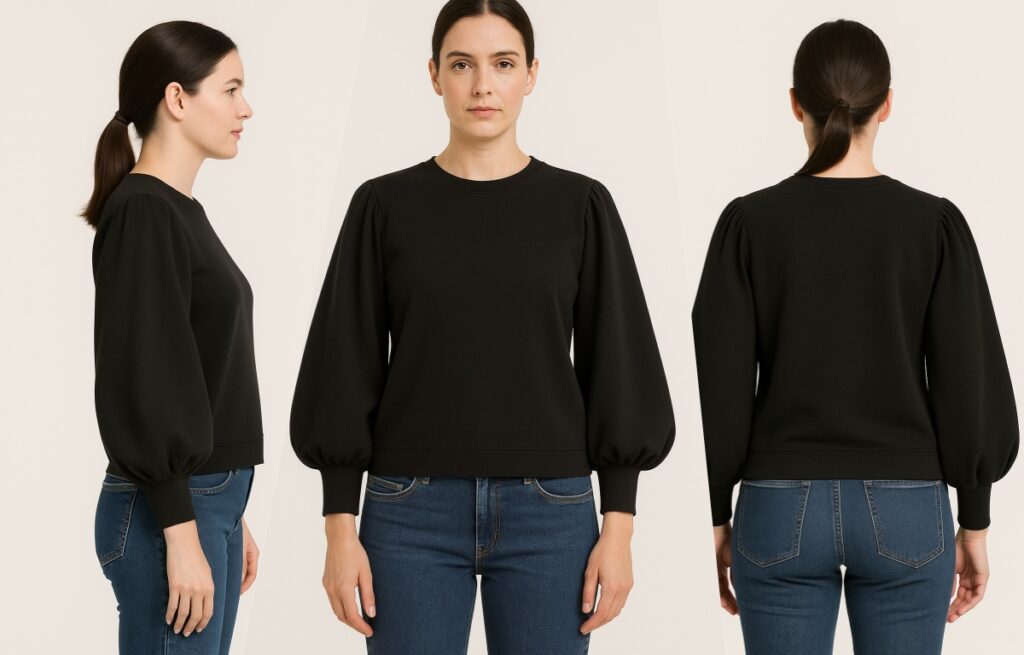
What is a Balloon Sleeve?
A balloon sleeve is a voluminous, rounded sleeve style that puffs out from the shoulder or elbow and cinches tightly at the wrist or cuff. Its signature “inflated” silhouette gives garments a dramatic, fashion-forward appearance, making it a favorite in both runway couture and trend-led ready-to-wear collections.
Why Balloon Sleeves Are a Bold Statement in Modern Fashion
Structural Breakdown: Anatomy of the Balloon Sleeve
Balloon sleeves are all about volume control—too little and it looks ordinary, too much and it overwhelms the body. The design is usually created by gathering or pleating extra fabric at the sleeve cap and cuff, allowing for a “bubble” shape between these two anchor points.
| Design Element | Purpose |
|---|---|
| Extended Width | More fabric width than traditional sleeves creates fullness |
| Elastic/Gathered Cuff | Containment of volume, prevents sleeve from sliding |
| Sleeve Cap Gathering | Enhances fullness at shoulder line |
| Lined or Unlined | Lining may be used to control structure or allow transparency |
This type of sleeve requires precise pattern drafting to avoid a disproportionate or bulky look. High-end tailoring often includes tapered armholes, shoulder pads, or inner facing to balance the volume.
Fabric Considerations: Choosing the Right Material for Controlled Volume
The fabric’s stiffness, weight, and drape determine how dramatic or soft the balloon effect will be. Designers typically choose materials based on how well they hold shape without collapsing.
| Fabric Type | Effect on Sleeve Volume |
|---|---|
| Taffeta or Organza | Creates stiff, sculptural balloon shapes |
| Cotton Poplin | Maintains structured volume while remaining breathable |
| Linen or Chambray | Adds volume with a more relaxed, casual feel |
| Chiffon or Georgette | Adds ethereal, floaty softness to the balloon silhouette |
| Knits with Recovery | Used for contemporary, flexible interpretations of balloon sleeves |
Styling Function & Body Impact
Balloon sleeves visually widen the upper body, making them ideal for balancing narrow shoulders or elongating the waist-to-hip ratio in hourglass figures. For brands targeting fashion-forward audiences, balloon sleeves:
- Add theatrical volume for drama and attention.
- Are ideal for editorial or statement pieces.
- Work well in seasonal collections, especially Spring/Fall.
They pair well with fitted bodices, peplum waists, or minimalist silhouettes to avoid visual overwhelm.
Brand Examples & Market Usage
| Fashion Segment | Application Example |
|---|---|
| High Fashion | Brands like Alexander McQueen and Zimmermann use silk balloon sleeves for high drama |
| Contemporary Labels | Ganni, Staud, and Aje feature cotton or organza balloon sleeves in bestsellers |
| Occasionwear | Bridal designers use balloon sleeves in sheer fabrics for whimsical elegance |
| Streetwear | Knit balloon sleeves paired with sweatshirts or cropped tops |
Flounce Sleeve
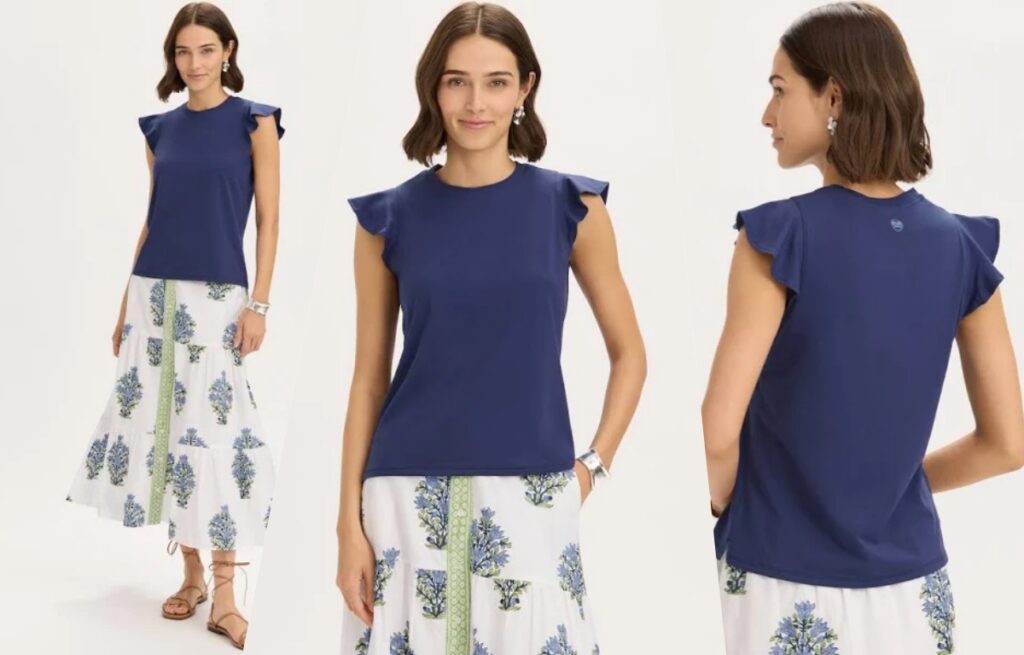
What is a Flounce Sleeve?
A flounce sleeve features an added circular or semi-circular piece of fabric—called a flounce—that is attached to the base of a sleeve, usually at the hem or mid-arm. This creates a soft, ruffled wave effect that adds feminine drama and visual movement without relying on gathers or pleats. Unlike bell sleeves, flounces are constructed using circular cutting techniques, which produce more fluid drape.
The Engineering Behind the Romantic Flow of Flounce Sleeves
Why Flounce Sleeves Move Differently
The elegance of a flounce sleeve lies in how it’s cut, not how it’s sewn. While ruffles rely on gathering, a flounce is typically:
- Cut as a circular strip or donut shape, allowing for wave-like motion.
- Attached to a straight or fitted sleeve at a chosen insertion point (elbow, wrist, or above).
- Designed to have asymmetrical or layered tiers, offering depth and softness.
| Feature | Design Purpose |
|---|---|
| Circular Cutting | Enables smooth, undistorted drape |
| Bias Grain Orientation | Enhances flow and flutter |
| Seamless Flounce Joinery | Avoids bulkiness at attachment point |
| Multiple Flounce Layers | Adds volume, asymmetry, or flamenco-style drama |
Proper patternmaking ensures that the flounce lies flat at the seam and flutters naturally at the edges.
Fabric Selection: Lightness Is Key to Movement
To achieve the signature flutter of a flounce sleeve, lightweight and fluid fabrics are ideal. These allow the circular shapes to drape and move gracefully with the wearer’s gestures.
| Fabric Type | Flounce Effect |
|---|---|
| Chiffon | Soft, airy, romantic |
| Georgette | Slightly textured with controlled drape |
| Organza | Crisp flounce, holds dramatic volume |
| Silk Crepe | Luxurious bounce and fluidity |
| Rayon or Viscose | Lightweight with natural flow, ideal for layering |
Avoid stiff or heavy materials, as they restrict the natural movement and may appear bulky when cut in a flounce shape.
Visual Impact & Styling Functionality
Flounce sleeves create feminine, graceful silhouettes, and depending on placement and volume, they can shift the overall style of a garment:
- Single flounce at the wrist – adds soft drama, perfect for evening wear.
- Mid-arm flounce – creates a romantic bohemian vibe.
- Tiered flounces – introduce movement and volume, often seen in flamenco or Latin-inspired designs.
This sleeve type is often used in:
- Romantic dresses
- Resortwear and summer blouses
- Formal occasionwear or performance costumes
Brand Application & Style Trends
| Fashion Segment | Example Usage |
|---|---|
| Contemporary Brands | Zimmermann, LoveShackFancy, Reformation integrate flounce sleeves into romantic collections |
| Resortwear | Linen tops with short flounces for summer breeziness |
| Bridalwear | Soft lace or chiffon flounces for movement and elegance |
| Latin/Bohemian Lines | Bright-colored tiered flounces for expressive styling |
Tulip Sleeve
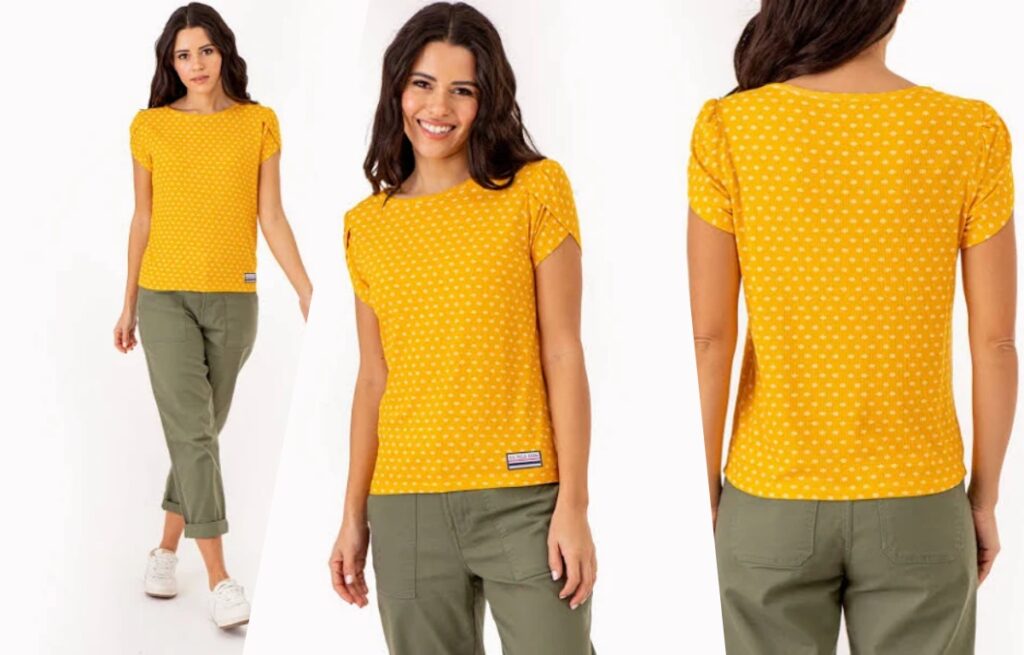
What is a Tulip Sleeve?
A tulip sleeve, also known as an overlapping sleeve, is a short sleeve style that features two curved panels overlapping each other at the top of the armhole. The design mimics the natural petal structure of a tulip flower, creating a soft, feminine shape that flatters the upper arm while offering subtle movement and ease.
Construction, Purpose & Design Benefits
Patternmaking Mechanics: The Overlap Principle
The core of the tulip sleeve is its layered petal structure, achieved through:
- Two asymmetrical curved panels drafted to overlap at the sleeve head.
- Offset seam allowances, ensuring the sleeve lays flat and doesn’t bulk up.
- No gathering or pleating, keeping the silhouette clean and refined.
| Design Element | Functional Benefit |
|---|---|
| Overlapping Panels | Softens shoulder width; adds elegance without volume |
| Curved Hemlines | Enhances drape and natural petal-like contour |
| No Underarm Seam | Improves comfort for short sleeves |
| Bias Cut Recommended | Allows slight stretch and more fluid movement |
This sleeve structure is both flattering and efficient for short-sleeved designs, especially in warm-weather garments.
Fabric Considerations: Crisp vs. Fluid Petals
Tulip sleeves work best with fabrics that hold their shape yet offer soft drape. The goal is to strike a balance—too stiff, and the overlap becomes bulky; too soft, and the sleeve loses its definition.
| Fabric Type | Effect on Tulip Sleeve |
|---|---|
| Crepe | Soft drape, ideal for officewear blouses |
| Cotton Poplin | Crisp petal edges, excellent for structured pieces |
| Silk Satin | Flowing elegance with luxurious shine |
| Linen Blends | Natural, breathable look for resort or casual collections |
| Lightweight Wool | Fall-friendly tulip sleeves in suiting or dresses |
Bias cutting is often used to enhance the natural drape and flexibility of the panels.
Aesthetic Function: Subtle Yet Stylish
Tulip sleeves are ideal for designs that aim to highlight femininity without loud embellishments. Their gentle curves offer:
- Soft shoulder framing without exaggerating volume
- Upper arm coverage while staying breezy
- Polished look suitable for both casual and semi-formal attire
They are frequently seen in:
- Business casual tops
- Day-to-night dresses
- Resort or spring collections
- Bridesmaid or cocktail dresses
Popular Brand Applications & Design Directions
| Fashion Segment | Application Example |
|---|---|
| Contemporary Brands | Ted Baker, Banana Republic, and Ann Taylor use tulip sleeves for soft elegance |
| Bridal & Bridesmaid | Flowy satin tulip sleeves for delicate upper arm coverage |
| Sustainable Fashion | Linen tulip sleeves in minimalist collections |
| Kidswear | Soft cotton tulip sleeves for added charm and comfort |
Lantern Sleeve
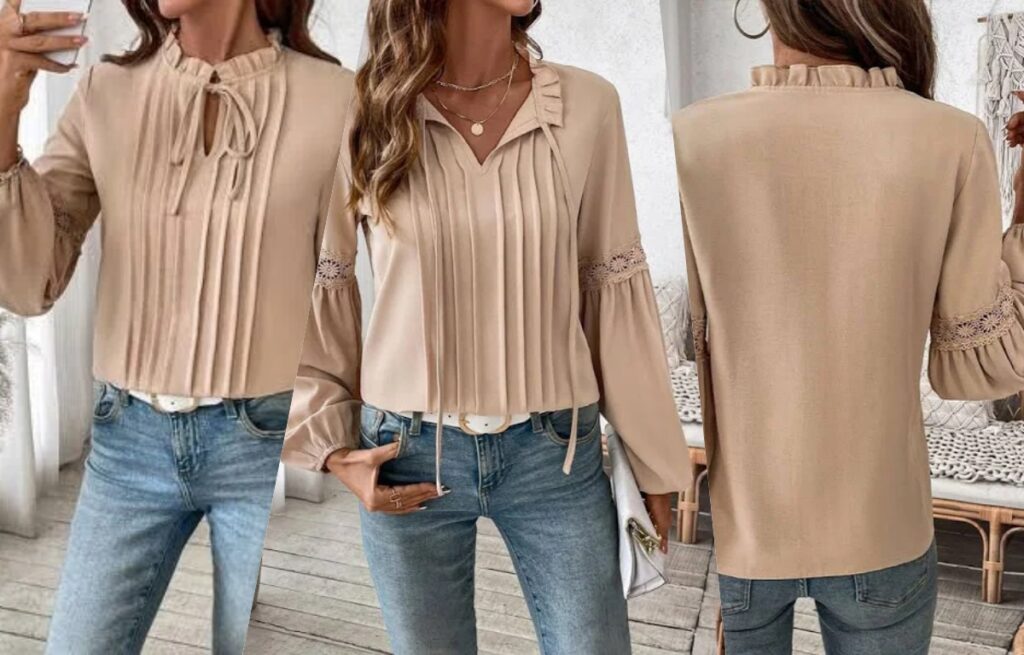
What is a Lantern Sleeve?
A lantern sleeve is a voluminous sleeve style characterized by a balloon-like shape between the elbow and wrist. It typically narrows at both the upper arm and the cuff, creating a rounded silhouette similar to a traditional lantern. This dramatic shape adds visual interest, movement, and statement to garments—commonly seen in contemporary and historical-inspired fashion.
Patterning, Volume Control & Fabric Performance
Sleeve Engineering: How Lantern Sleeves Are Built
Lantern sleeves are created by:
- Using extra width between the elbow and wrist.
- Employing either a single-piece puffed sleeve or a two-part construction: one slim upper sleeve and a gathered or pleated lower sleeve.
- Adding elastic, smocked, buttoned, or cuffed closures at the wrist to gather volume.
| Key Component | Design Role |
|---|---|
| Extra Fabric Width | Creates volume and rounded lantern shape |
| Structured Cuff | Tapers the sleeve, anchoring the silhouette |
| Panel Division (optional) | Allows hybrid construction and fabric blocking |
| Upper Sleeve Fitting | Keeps volume controlled and wearable |
Lantern sleeves often require reinforcement or interfacing when a more structured or architectural look is needed, especially in formalwear or couture garments.
Fabric Choice: Balancing Volume and Drape
Selecting the correct fabric is crucial for achieving the intended puff without excessive bulk. The sleeve’s fullness must be supported without overwhelming the overall silhouette.
| Fabric Type | Effect on Lantern Sleeve |
|---|---|
| Taffeta | Holds sculptural shape; ideal for statement sleeves |
| Organza | Sheer but structured; great for layering or evening looks |
| Cotton Poplin | Everyday lantern sleeves with crisp definition |
| Chiffon | Creates soft, dreamy puff with high fluidity |
| Jacquard / Brocade | Elevates drama; adds texture and depth |
Fabrics with medium stiffness are ideal. Extremely soft or slippery materials like silk charmeuse may collapse unless underlined or fused.
Aesthetic Use & Brand Identity
Lantern sleeves instantly elevate a garment with a romantic, dramatic, or avant-garde flair, making them ideal for:
- Runway pieces
- Formal gowns
- Fashion-forward blouses
- Period-inspired collections
They’re a common element in:
| Brand Type | Usage Example |
|---|---|
| High Fashion / Couture | Zimmermann, Alexander McQueen use exaggerated lanterns |
| Romantic Contemporary | Self-Portrait, Needle & Thread feature soft organza styles |
| Streetwear / K-Influenced | Balloon lanterns with oversized silhouettes in Seoul fashion |
| Resortwear / Boho | Lightweight versions in cotton or linen with embroidery |
Bishop Balloon Hybrid Sleeve
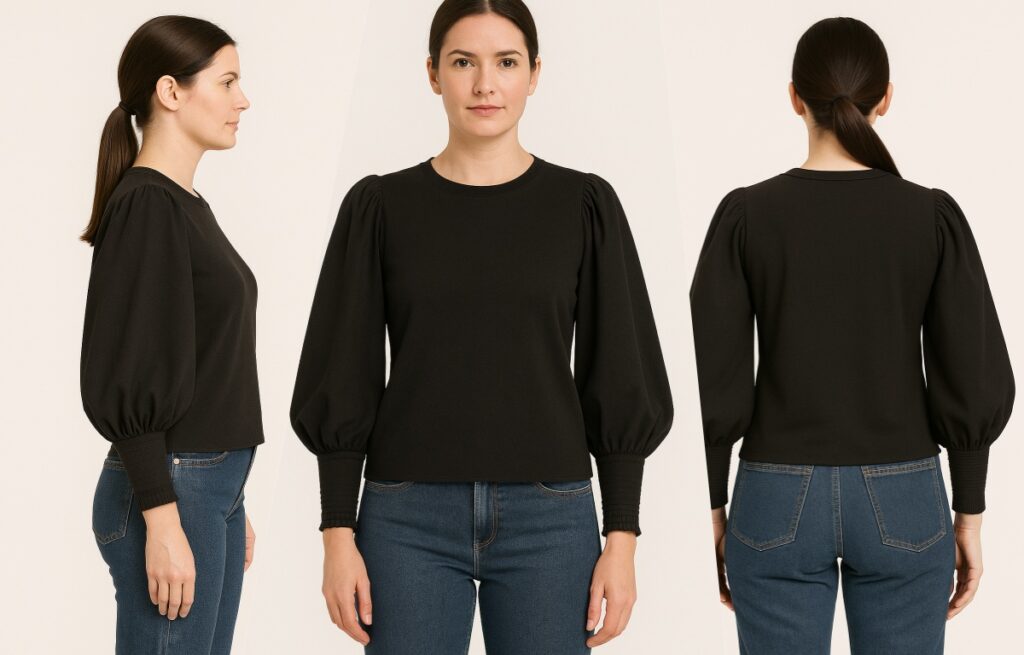
Bishop-Balloon Hybrid Sleeve
The Bishop-Balloon Hybrid Sleeve is a modern fusion that combines the graceful drape of bishop sleeves with the voluminous structure of balloon sleeves. It starts with a softly gathered sleeve cap, expands with exaggerated fullness through the mid-arm, and cinches into a fitted cuff or smocked band at the wrist. The result is a sleeve that feels both romantic and architectural, offering bold silhouette impact without compromising movement.
Construction Techniques & Design Value
Structural Fusion: How It’s Built
To achieve the bishop-balloon hybrid silhouette, designers manipulate volume across three sleeve zones:
| Sleeve Zone | Design Purpose |
|---|---|
| Sleeve Cap | Light gathering for softness (like bishop sleeve) |
| Mid-Arm Panel | Excessive width or pleating creates balloon form |
| Wrist Cuff/Closure | Controls volume for elegant finish |
Construction may include:
- A single large pattern piece with strategic gathers at the cap and wrist.
- Or, a two-piece sleeve, with a separate balloon-shaped lower sleeve attached to a narrower upper.
Often, elasticated, smocked, or buttoned cuffs are used to hold volume without sacrificing comfort or adjustability.
Fabric Considerations: What Works Best
To maintain shape while preserving a romantic flow, fabric selection is critical:
| Fabric Type | Behavior in Hybrid Sleeve |
|---|---|
| Organza | Crisp and sheer, holds balloon shape dramatically |
| Chiffon | Lightweight and ethereal, adds dreamlike flow |
| Poplin/Cotton | Creates casual volume, ideal for everyday styles |
| Satin/Silk | Adds fluidity and luxury for evening wear |
Designers must balance structural stiffness (for ballooning) with soft drape (for bishop flow). Interfacing or lining may be added for shape retention.
Styling Usage & Brand Applications
The bishop-balloon hybrid sleeve is widely embraced in both contemporary fashion and occasion wear. It aligns well with trends like romantic maximalism, K-fashion, and elevated boho.
| Application Context | Styling Notes |
|---|---|
| Evening & Bridal Wear | Embroidered organza hybrids add drama and elegance |
| High-Street Fashion | Cotton versions elevate casual blouses and dresses |
| Resortwear | Linen hybrids add volume while remaining breathable |
| Youth/Gen Z Styles | Often exaggerated for social-media-ready aesthetics |
Trumpet Sleeve
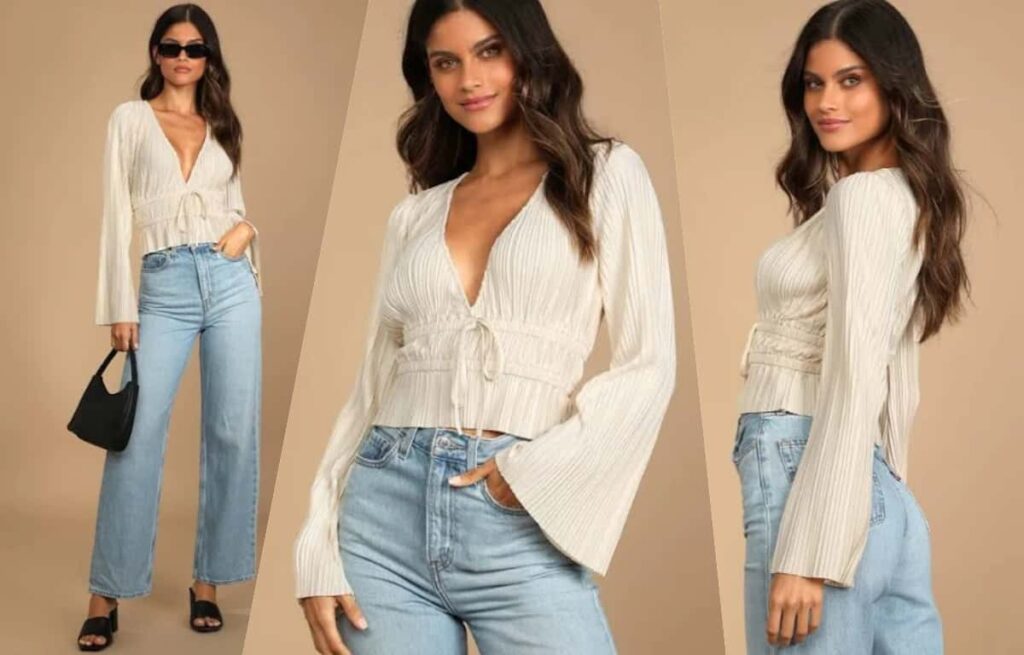
The Trumpet Sleeve is a feminine and elegant sleeve style that starts slim from the shoulder or elbow and flares out dramatically toward the wrist or hem—resembling the bell of a trumpet. Often used in formalwear and bohemian styles, this sleeve creates a visually striking silhouette that adds movement and drama to a garment.
Design Structure, Fit, and Fabric Dynamics
Construction Breakdown
Trumpet sleeves can vary in flare intensity and starting point. There are two common types of trumpet construction:
| Type | Description |
|---|---|
| Elbow-start trumpet | Fitted from shoulder to elbow, then flares to the wrist |
| Full-length trumpet | Gradually flares from shoulder to wrist |
The sleeve is typically cut in a curved or A-line pattern, with added width at the lower edge. This shape requires careful balancing to avoid bulk at the seam and maintain flow in the flare.
Fabric Selection for Shape and Movement
Fabric plays a pivotal role in achieving the right flare and fluidity. The ideal textile will depend on the desired look:
| Fabric | Effect |
|---|---|
| Crepe | Drapes softly, suitable for formal looks |
| Chiffon/Georgette | Lightweight, flowing movement, ideal for romantic styles |
| Taffeta | Structured flare with volume and crispness |
| Jersey Knit | Adds flexibility for casual or modern silhouettes |
For structured trumpet sleeves, fabrics with body like taffeta or organza are preferred. For soft-flowing sleeves, chiffon or silk creates more relaxed movement.
Functional & Aesthetic Considerations
- Length Adjustability: Trumpet sleeves can range from 3/4 length to full length, giving designers flexibility to fit different seasons or garment purposes.
- Layering Compatibility: Due to the flare, they’re better suited to outer-layer garments like dresses or statement tops—not easily paired under jackets.
- Movement Impact: Trumpet sleeves sway with movement, drawing attention to the arms and creating a sense of fluidity—often used to elongate the arms and create graceful gestures.
Commercial Use & Brand Adaptation
| Fashion Segment | Usage of Trumpet Sleeve |
|---|---|
| Eveningwear/Formalwear | Enhances gowns and cocktail dresses with elegance |
| Boho/Resort Fashion | Adds whimsical appeal in lightweight fabrics |
| Officewear Fusion | Modern blazers or blouses using subtle trumpet shapes |
| Bridal & Occasion Wear | Frequently seen in modern bridal designs |
Butterfly Sleeve
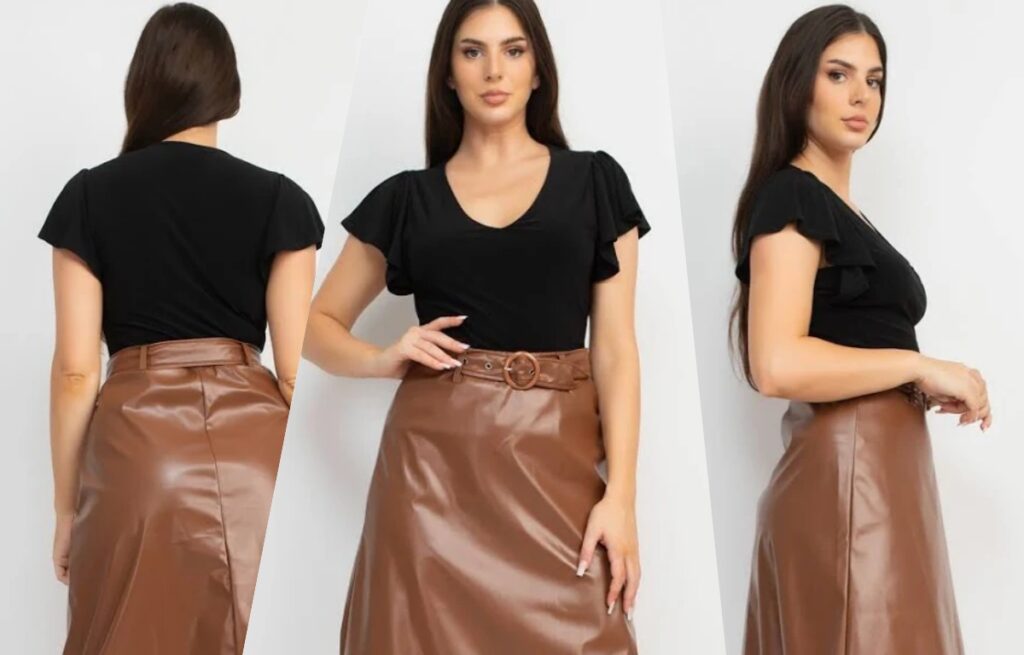
The Butterfly Sleeve is a romantic and free-flowing sleeve style characterized by its wide, fluttering shape that resembles the delicate wings of a butterfly. Typically cut in one piece and loosely attached to the armhole, it flows outwards with a soft drape. This sleeve is a staple in feminine and vintage-inspired designs, offering both aesthetic beauty and unrestricted movement.
Structure, Fabric Behavior, and Brand Applications
Construction & Pattern Dynamics
Butterfly sleeves are often cut as a continuation of the bodice or as a wide flare pattern attached at the shoulder seam. Their width and length can vary significantly:
| Feature | Description |
|---|---|
| Armhole Fit | Loosely set-in or slightly gathered for a soft drape |
| Sleeve Length | Commonly short, extending to the upper arm or elbow |
| Hemline Shape | Often curved or scalloped to enhance the “wing” appearance |
This construction avoids tight sleeve caps, making it ideal for lightweight, unstructured garments that prioritize flow and airiness.
Fabric Selection for Maximum Flutter
The beauty of the butterfly sleeve lies in its light, airy movement, which is directly influenced by fabric choice. Ideal materials include:
| Fabric | Behavior |
|---|---|
| Chiffon | Ultra-lightweight, flows freely with each movement |
| Silk Georgette | Offers drape with a hint of texture, ideal for layering |
| Rayon | Breathable and soft, gives smooth fall and comfort |
| Organza | For a stiffer, more sculptural take on the butterfly look |
Designers must avoid heavy or structured fabrics which would weigh down the sleeve and diminish its signature fluttering effect.
Style Function & Visual Impact
Butterfly sleeves are favored for their ability to soften the shoulder line and add a touch of femininity to a silhouette without adding bulk.
- Body Flattery: Especially effective for balancing broader hips or adding volume to narrow shoulders.
- Comfort Factor: No tight seams or cuffs—offering natural air ventilation, making it ideal for warm-weather or resort wear.
- Motion Aesthetics: When the wearer moves, the sleeve creates visual rhythm and elegance, especially when walking or dancing.
Use in Contemporary and Classic Fashion
| Fashion Category | Implementation of Butterfly Sleeves |
|---|---|
| Bohemian Dresses | Loose maxi or wrap dresses with flutter sleeves |
| Vintage Revival | Inspired by 1930s and 1940s gowns with silk or rayon fabrics |
| Modern Tops | Blouses or tunics with printed butterfly sleeves |
| Bridal & Bridesmaid | Adds softness to delicate gowns or summer wedding dresses |
Layered Sleeve
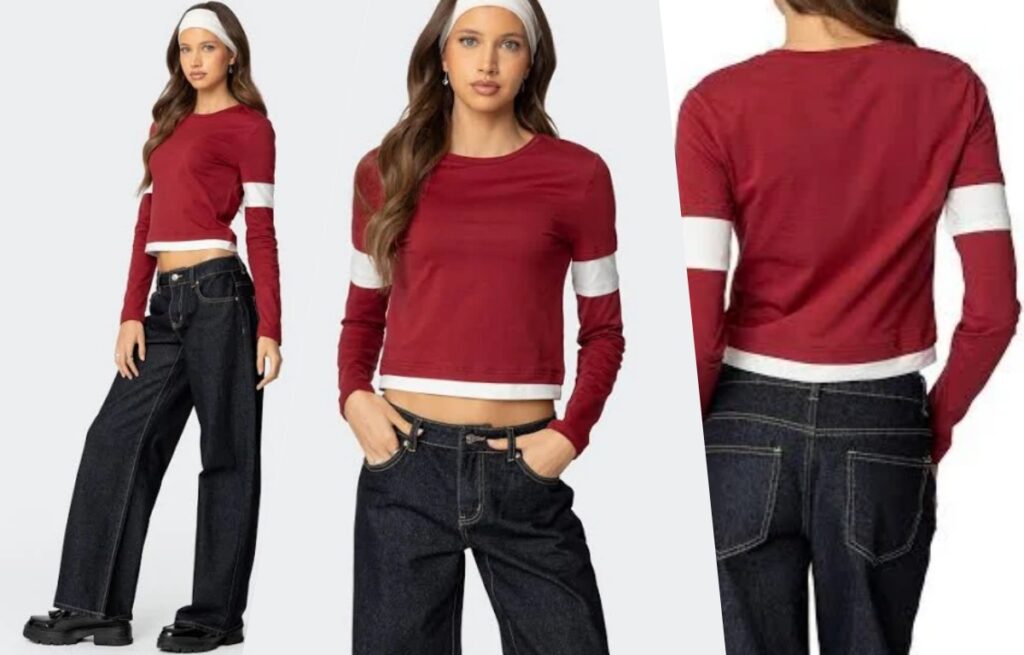
A Layered Sleeve is a design element where two or more fabric layers are stacked or cascaded over each other, creating depth, movement, and visual interest. Unlike ruffles, which are typically gathered or pleated, layered sleeves are often flat-cut in tiers or panels, giving the sleeve volume without bulkiness. This design adds dimension to garments and can range from subtle sophistication to bold theatrical flair, depending on fabric and cut.
Construction Logic, Design Variations, and Market Positioning
Structural Anatomy & Pattern Considerations
Layered sleeves can be crafted in several ways, each yielding a different aesthetic:
| Layer Type | Construction Technique | Visual Impact |
|---|---|---|
| Horizontal Tiers | Multiple flared panels sewn at intervals | Romantic and voluminous |
| Vertical Layers | Overlapping vertical panels stitched at shoulder seams | Streamlined with subtle flare |
| Asymmetric Cuts | Uneven or cascading layers with high-low hemlines | Dramatic and fashion-forward |
Each layer must be carefully shaped and aligned to maintain proportion, mobility, and silhouette harmony. Improper grading or misaligned seams can cause the sleeve to look bulky or awkward.
Fabric Compatibility and Behavior
Layered sleeves work best with light to medium-weight fabrics that drape well. The goal is to add volume without stiffness:
| Fabric | Ideal Application |
|---|---|
| Chiffon | For soft, flowing layers in evening wear |
| Organza | To add structured transparency |
| Cotton Voile | Great for casual, breathable layered tops |
| Tulle or Mesh | Used in editorial or couture designs |
The fabric’s opacity also plays a key role—sheer layers add sensuality and dimension, while opaque fabrics provide solid visual weight and layering contrast.
Aesthetic Role & Brand Usage
Layered sleeves are used strategically to enhance movement, drama, and sophistication:
- Visual Texture: Helps elevate otherwise plain fabrications by adding shadow and dimension.
- Balance & Proportion: Adds upper-body volume, useful for balancing out body proportions in A-line or pencil silhouettes.
- Motion Dynamics: Layers flutter during movement, enhancing the garment’s liveliness in fashion shows or videos.
Brands like Zimmermann, Marchesa, and Lela Rose frequently incorporate layered sleeves in romantic collections, especially for spring/summer resort wear or bridal markets.
Commercial Value and Customization
For manufacturers and designers, layered sleeves offer great customization flexibility:
- Add embroidery or beadwork to top layers for extra luxury.
- Mix fabrics (e.g., lace over chiffon) for contrast and texture.
- Adjust layer count (2–5 typical) depending on garment cost and weight targets.
Pocket Sleeve
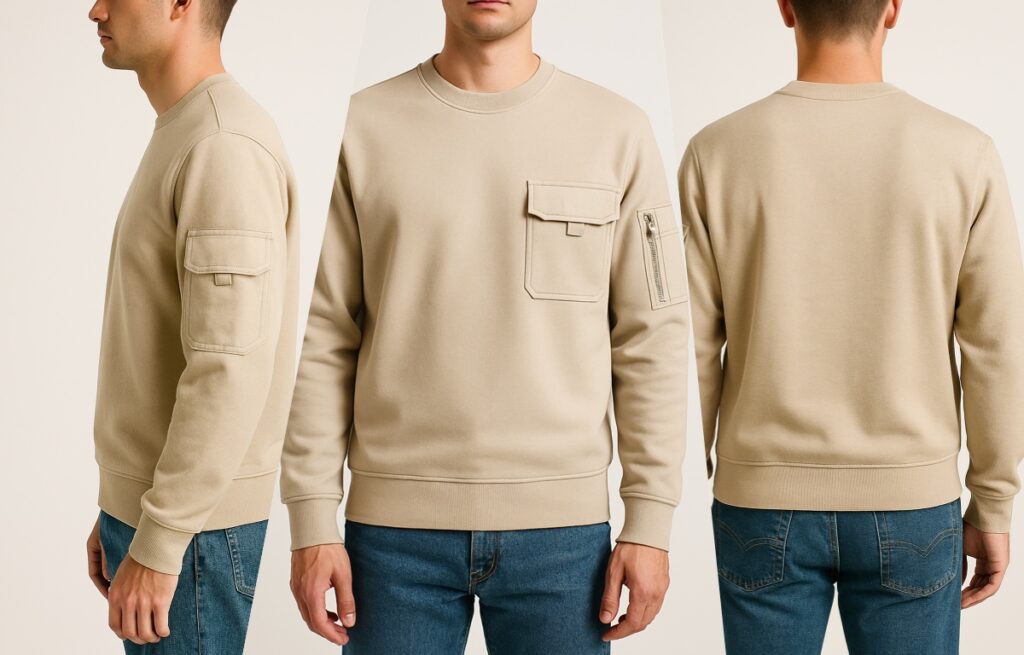
A Pocket Sleeve is a functional and design-forward sleeve that features an integrated or attached pocket—either concealed or visible—on the sleeve itself. Often seen in utility, military, or streetwear-inspired garments, this sleeve type enhances both functionality and aesthetics by offering storage capacity while contributing to the garment’s overall silhouette and visual complexity.
Construction, Functionality, and Market Relevance
Structural Design & Placement
Pocket sleeves vary widely in form but generally fall under these categories:
| Pocket Style | Position on Sleeve | Typical Features |
|---|---|---|
| Patch Pocket | Upper arm or bicep | Visible stitching, sometimes flap-secured |
| Zipper Pocket | Outer sleeve or forearm | Concealed or exposed zippers for security |
| Flap Pocket | Mid-arm or cuff area | Button or Velcro closures for utility styling |
| Cargo Style | Full sleeve volume | Boxy shape, often gusseted for expansion |
Designers must consider arm curvature, motion zones, and fabric bulk when placing and sizing sleeve pockets. Improper placement can lead to discomfort or visual imbalance.
Fabric Considerations & Reinforcement
Due to the added weight and structural requirements, sleeve pockets typically demand:
- Medium to heavy-duty fabrics like twill, canvas, nylon blends, or ripstop.
- Interfacing or bar-tack reinforcement at stress points to handle frequent use.
- Topstitching not just for aesthetics but also to prevent distortion from wear and wash.
Functionality Meets Fashion
Pocket sleeves are not just a stylistic choice—they are a practical solution rooted in utility wear and adapted for fashion-forward purposes. Common applications include:
- Techwear & Streetwear: Integrated phone, card, or earbud pockets on sleeves.
- Military-Inspired Jackets: Left-arm pen slots, flap pockets with Velcro, or badge holders.
- Functional Outerwear: Ski or hiking jackets with card/key zip sleeves for convenience.
Brand Use Cases & Style Positioning
- Stone Island and Acronym utilize pocket sleeves in techwear collections to create an edgy, tactical aesthetic.
- Alpha Industries often uses zippered pocket sleeves in bomber jackets as a signature military detail.
- Luxury Brands like Prada and Rick Owens have explored exaggerated sleeve pockets for high-fashion utilitarian looks.
Utility Strap Sleeve
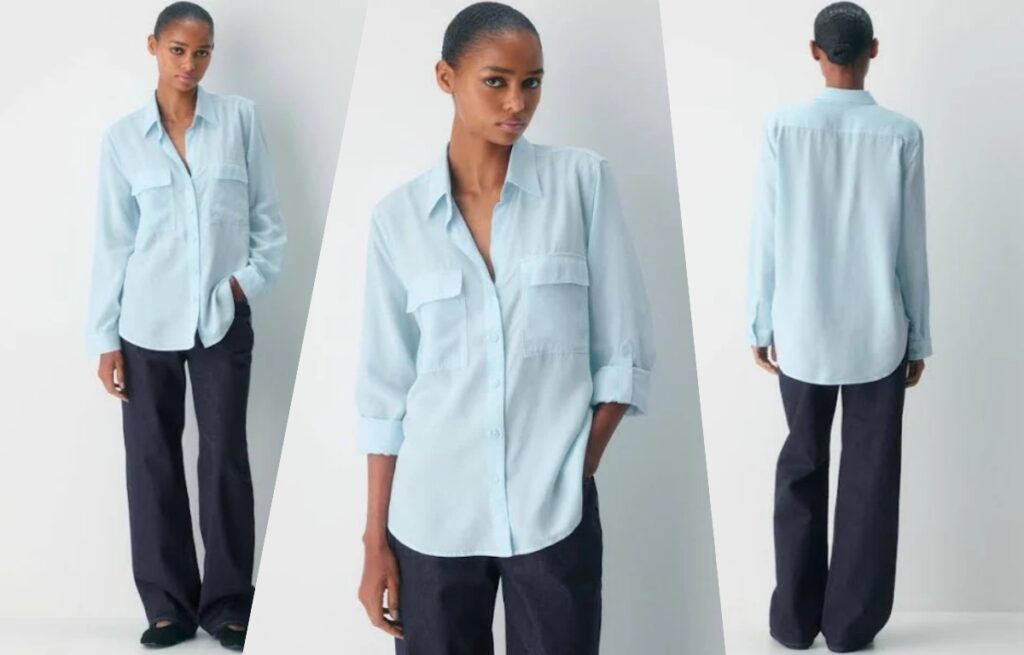
A Utility Strap Sleeve is a functional design element typically seen in streetwear, military, or techwear-inspired garments. Characterized by external straps, webbing, or D-ring attachments on the sleeve, this style is built for both utility and aesthetics—allowing for adjustability, attachment of accessories, or purely decorative enhancements.
Design Logic, Function, and Fashion Application
Structural Design & Components
Utility strap sleeves are generally defined by these features:
| Component | Description |
|---|---|
| Webbing Strap | Typically made from nylon or cotton, stitched onto the sleeve |
| D-Ring / Buckle | Provides adjustability or attachment for gear or accessories |
| Velcro / Snap Tabs | Enables fit modification or creates a tapered look near the cuff |
| Modular Loops | Used for carabiner attachments or decorative hanging elements |
Designers need to carefully balance placement (upper arm, forearm, or full-length) with wearer mobility. Poorly placed straps may restrict movement or cause fabric distortion during arm motion.
Fabric Selection & Reinforcement Needs
Due to its utilitarian nature, utility strap sleeves are often constructed using durable, weight-bearing fabrics, such as:
- Ripstop Nylon or Canvas for outdoor wear
- Cotton Twill or Polyester blends for urban/streetwear
- Reinforcement areas under the straps using interfacing or bar-tack stitching
This construction ensures the straps do not sag or warp after frequent use or washing.
Functionality and Visual Statement
While many straps serve practical functions in tactical or outdoor jackets, fashion brands are increasingly using them as visual storytelling elements:
- Functional Use:
- Compression straps to tighten sleeves or prevent wind entry
- Attachment points for tools or pouches (e.g., small flashlight, ID badge)
- Aesthetic Use:
- Adds dimensionality and movement to the garment
- Suggests a techwear or military influence, even without function
Brands That Popularized It
| Brand | Style Use Case |
|---|---|
| Acronym | Modular sleeves with integrated straps and buckles |
| Stone Island | Strapped bomber jackets with functional hardware |
| Y-3 & Nike ACG | Tech-sportswear jackets featuring adjustable sleeves |
| Rick Owens | High-fashion adaptation with exaggerated strap designs |
Patchwork Sleeve
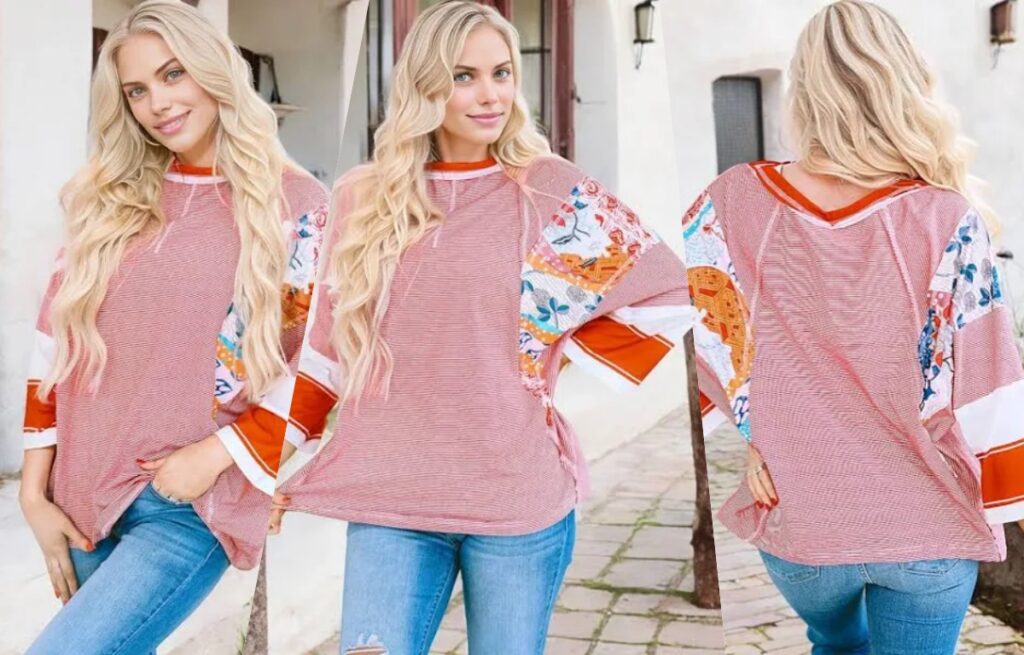
A Patchwork Sleeve is a visually striking sleeve style constructed from multiple fabric pieces sewn together in a deliberate design. This sleeve type is known for its eclectic, artistic look, often used to express craftsmanship, sustainability, or brand individuality.
Material Strategy, Stitch Techniques, and Brand Applications
Construction Techniques
Patchwork sleeves are not just random fabric assemblies. A well-crafted design requires:
| Construction Element | Description |
|---|---|
| Piece Planning | Balanced color/pattern arrangement to ensure visual harmony |
| Fabric Compatibility | Blending similar-weight fabrics (e.g., cotton with linen) to maintain drape |
| Precision Cutting | Accurate cuts prevent puckering or misalignment during stitching |
| Seam Reinforcement | Overlocked seams, French seams, or topstitching add durability |
Poor planning can lead to bulkiness at seams, uneven tension, and fabric distortion after washing.
Sustainable and Storytelling Value
Patchwork sleeves are increasingly linked to eco-conscious fashion:
- Upcycling Waste Fabric: Brands use leftover swatches, reducing textile waste
- Unique per Piece: No two patchwork sleeves are the same, creating one-of-a-kind garments
- Storytelling: Each patch may represent cultural heritage, personal memory, or brand identity
For ethical fashion lines, this adds a deeper connection between garment and consumer.
Fabric Suggestions
To ensure high wearability and commercial success:
| Fabric Type | Recommended Use |
|---|---|
| Cotton Poplin | Clean finish, crisp visual structure |
| Denim | Adds contrast and structure in casual outerwear |
| Chiffon/Organza | For sheer or layered patchwork fashion pieces |
| Tencel/Linen | Breathable and sustainable with soft drape |
Fashion Brand Examples
| Brand | Patchwork Usage Style |
|---|---|
| Sacai | Patchwork blending denim, nylon, and poplin |
| Marine Serre | Mixes deadstock jerseys with sportswear for sleeves |
| Needles Japan | One-of-a-kind remade flannel patchwork jackets |
| JW Anderson | Patchwork sleeves with bold geometric symmetry |
Color-block Sleeve
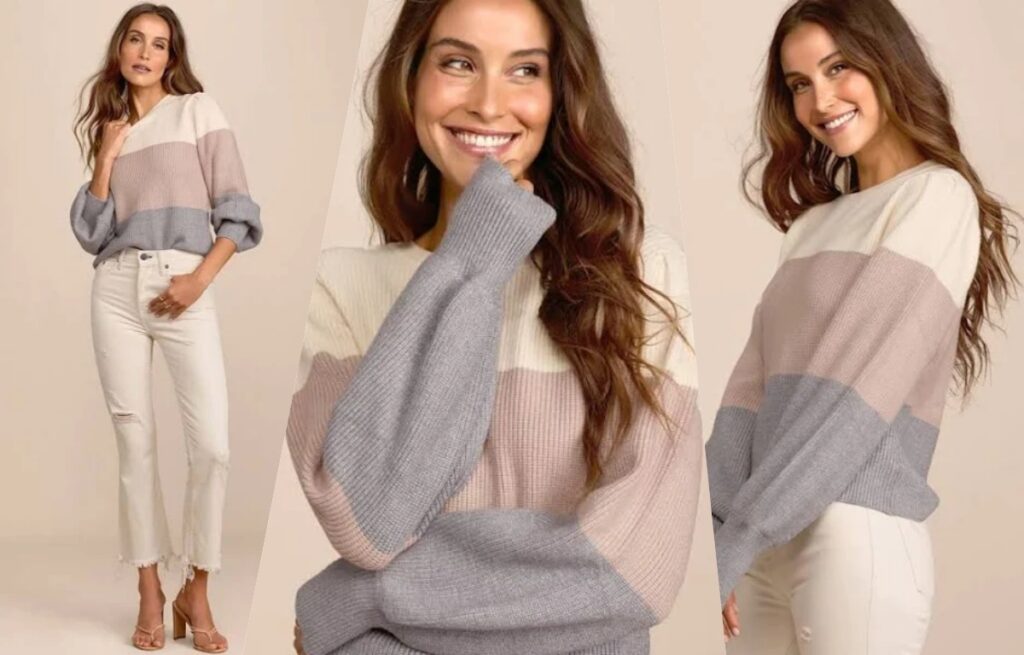
Color-block sleeves are designed by combining two or more contrasting or complementary color panels within a single sleeve. This design not only elevates visual interest but also serves as a statement of modern minimalism or bold streetwear aesthetics, depending on the palette and silhouette used.
Design Principles, Fabric Matching & Brand Use Cases
Design Philosophy & Psychological Impact
Color-block sleeves follow fundamental visual design rules:
| Design Principle | Application in Sleeves |
|---|---|
| Contrast & Balance | Juxtapose dark/light or warm/cool hues for impact |
| Visual Direction | Vertical blocks elongate the arm, horizontal ones broaden it |
| Focal Point Control | Use bright or neon colors on the bicep to attract attention |
Color psychology also plays a part—red blocks express energy, while blue implies calmness. Designers can leverage this to reflect brand tone or seasonal mood boards.
Fabric Pairing & Technical Considerations
Fabric compatibility is essential. Using mismatched materials (e.g., heavy denim with lightweight rayon) can cause puckering or seam strain. Best practices include:
| Component | Consideration |
|---|---|
| Fabric Weight | Keep color-blocked fabrics within ±10% GSM range |
| Color Fastness | Ensure all panels resist bleeding during wash |
| Stretch Alignment | Match elasticity in activewear or knitwear |
For clean finishes, factories often use flat-felled seams or twin-needle topstitching to reinforce color-block panel joins.
Popular Formats of Color-block Sleeves
| Style Type | Description |
|---|---|
| Vertical Blocks | Creates length illusion, commonly in coats |
| Horizontal Blocks | Used in varsity jackets for retro aesthetic |
| Diagonal/Asymmetric | Adds movement and modernity, seen in streetwear |
| Multi-color Patch | Often seen in kidswear and festival fashion |
Fashion Brand Examples
| Brand | Implementation Style |
|---|---|
| Nike Sportswear | Color-block raglan sleeves in performance jackets |
| Telfar | Uses monochrome body with contrasting sleeve panels |
| Daily Paper | Integrates tribal color patterns across sleeves |
| Kenzo | Sharp diagonal color-blocking for urban appeal |
Quilted Sleeve
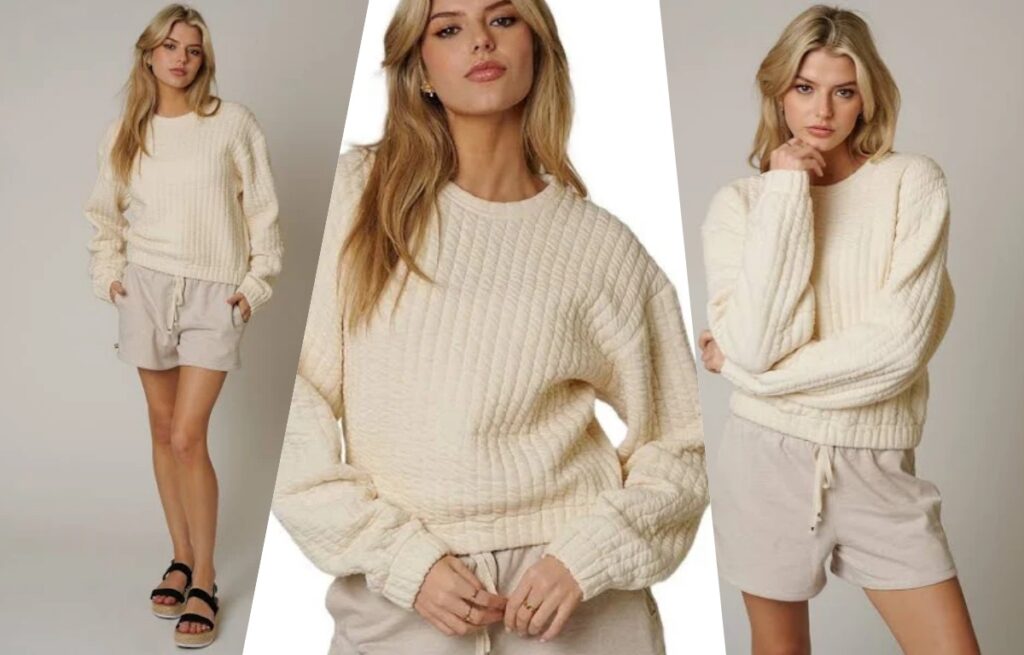
Quilted sleeves are constructed by sewing multiple fabric layers together—typically with a layer of insulation in between—to create a padded effect. Originally designed for warmth and protection, quilted sleeves have become a fashion-forward feature in outerwear, offering texture, structure, and visual interest.
Technical Structure, Aesthetic Function & Market Application
Construction & Materials
A standard quilted sleeve is built using three layers:
| Layer | Function |
|---|---|
| Outer Fabric | Visible textile; often nylon, polyester, twill, or PU leather |
| Insulation Layer | Provides warmth; commonly polyester batting, down, or Thinsulate |
| Lining | Smooth inner layer; enhances comfort and wearability |
The stitching can follow a variety of patterns—diamond, horizontal, herringbone, or custom geometric—which not only hold the layers together but also define the sleeve’s overall aesthetic.
Style Variations
| Quilted Sleeve Type | Characteristics | Common Garments |
|---|---|---|
| Full Quilted Sleeve | Entire sleeve is padded; ideal for full insulation | Winter jackets, bombers |
| Partial Quilted Sleeve | Quilted only on upper arm or elbow for flexibility & design | Moto jackets, hybrids |
| Contrast Quilted Panels | Mix with knit or leather for visual and tactile contrast | Streetwear, techwear |
Benefits & Use Cases
- Thermal Insulation: Ideal for cold-weather gear, especially in padded parkas and down coats.
- Design Statement: Adds volume and texture, useful in high-fashion or experimental collections.
- Protection: In moto or utility jackets, quilted sleeves offer minor impact resistance.
Popular Brands Using Quilted Sleeves
| Brand | Approach to Quilted Sleeves |
|---|---|
| Burberry | Classic diamond quilting in trench-inspired padded coats |
| Moncler | Premium down-filled quilted sleeves in luxury outerwear |
| Rick Owens | Elongated quilted sleeves with asymmetrical puff patterns |
| Carhartt WIP | Utility-focused quilted sleeve jackets for streetwear market |
Mesh Sleeve
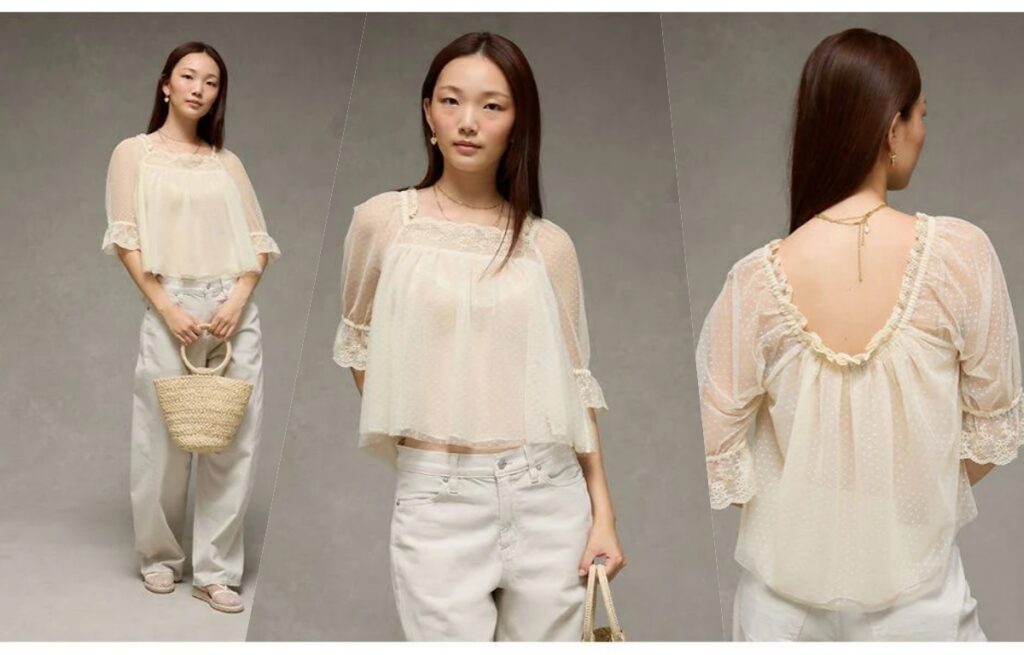
Mesh sleeves are crafted from breathable, lightweight fabrics featuring an open weave or perforated structure. Often semi-transparent, they strike a balance between function and fashion—allowing ventilation while adding a textural or sensual aesthetic to a garment. Popular across sportswear, streetwear, and eveningwear, mesh sleeves are as versatile as they are striking.
Functional Design, Fabrication Strategies & Market Segmentation
Fabric Properties & Technical Considerations
Mesh fabrics are typically made from synthetic fibers like polyester, nylon, or spandex blends. Key variations include:
| Type of Mesh | Characteristics | Common Use |
|---|---|---|
| Power Mesh | Durable with 4-way stretch | Activewear, compression tops |
| Tulle/Illusion Mesh | Soft, sheer, often used in layering | Eveningwear, bridal, lingerie |
| Athletic Mesh | Large perforations for ventilation | Sportswear, varsity jackets |
| Fishnet Mesh | Edgy, open-loop structure | Punk fashion, streetwear, layering |
Factories must use ballpoint needles and micro-overlock stitching to prevent snagging or distortion during construction.
Functional Benefits
- Breathability: Ideal for warm-weather or high-activity garments.
- Weight Reduction: Mesh sleeves minimize bulk, especially on jackets or hoodies.
- Style Versatility: From romantic to edgy, mesh fits many aesthetics depending on design.
Design Applications
| Design Use Case | Description |
|---|---|
| Panel Insertion | Mesh used as a stripe or panel within a sleeve |
| Full-Length Mesh Sleeve | Common in partywear, paired with solid bodices |
| Layered Mesh | Adds dimension and structure without bulk |
| Contrast Fabric Combination | Mixed with satin, cotton, or leather for edge and drama |
Mesh sleeves often use elasticated hems, cuffs, or bias binding to maintain structure without affecting stretch.
Brands That Frequently Use Mesh Sleeves
| Brand | Notable Designs |
|---|---|
| Adidas | Mesh raglan sleeves in training gear |
| Oh Polly | Sheer long mesh sleeves in bodycon and cocktail dresses |
| Alo Yoga | Power mesh inserts for sweat-wicking performance |
| Alexander Wang | Fishnet mesh sleeves in luxe streetwear silhouettes |
Sheer Sleeve
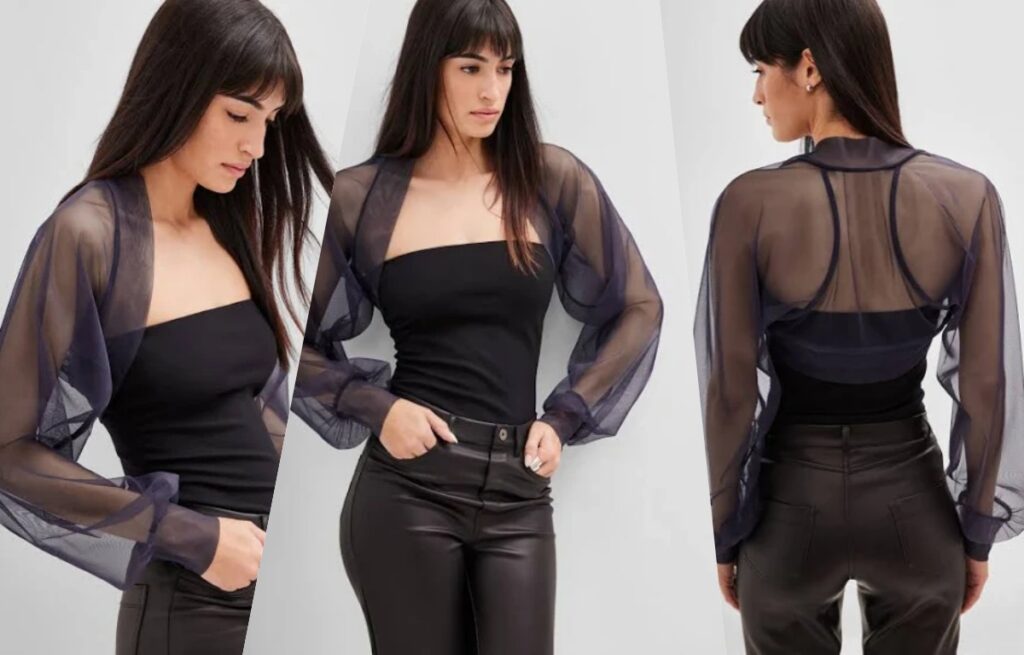
Sheer sleeves are made from semi-transparent fabrics that offer a delicate, airy, and often romantic aesthetic. These sleeves are popular in both casual and formalwear, adding an element of sensuality or softness to a garment without compromising coverage. They’re commonly seen in cocktail dresses, blouses, bridalwear, and high-end outerwear.
Fabric Selection, Technical Construction & Commercial Relevance
Common Fabrics for Sheer Sleeves
Sheer sleeves depend heavily on the right material. Below are common fabric choices and their applications:
| Fabric Type | Key Features | Best Use Cases |
|---|---|---|
| Chiffon | Lightweight, soft drape | Flowing sleeves on dresses & tops |
| Organza | Crisp, structured transparency | Voluminous or puffed sheer sleeves |
| Tulle | Net-like, romantic, slightly stiff | Bridal, ballet-inspired sleeves |
| Georgette | Slight texture, matte finish | Casual sheer blouses |
| Mesh/Illusion Net | Stretchy, close-to-skin finish | Eveningwear, cutout-look sleeves |
Design Techniques and Aesthetic Intent
- Volume Play: Designers often exaggerate the sleeve volume with bishop, puff, or balloon silhouettes using sheer fabrics for dramatic but weightless designs.
- Layering: Sheer sleeves can be single, double, or even multi-layered to adjust transparency, structure, or color depth.
- Embellishment: Common embellishments include embroidery, beading, or lace overlays, adding luxury while keeping the sleeve light.
Construction Challenges and Best Practices
Sheer sleeves are delicate and can be difficult to produce consistently in mass manufacturing. Key recommendations include:
- Use French seams or narrow baby hems to maintain neat, clean finishes without bulk.
- Avoid overhandling during sewing to prevent stretching or distorting fabric edges.
- Stabilize fabrics during cutting with tissue paper or spray starch to improve precision.
- Edge finishing with contrast binding or piping can add structure and visual interest.
Brand Positioning and Consumer Trends
- Zara and H&M often use sheer sleeves in seasonal collections to add trend relevance at a low cost.
- Self-Portrait and Zimmermann use embellished sheer sleeves in feminine, romantic silhouettes for the premium market.
- Luxury brands like Dior and Valentino utilize sheer sleeves in haute couture collections to symbolize elegance and fragility.
When to Choose Sheer Sleeves
Sheer sleeves are ideal when a designer wants to:
- Soften bold silhouettes without adding weight.
- Add subtle drama to minimalistic pieces.
- Provide coverage while maintaining a summery or breathable aesthetic.
- Enhance romantic or ethereal storytelling through fabric.
Leather Panel Sleeve
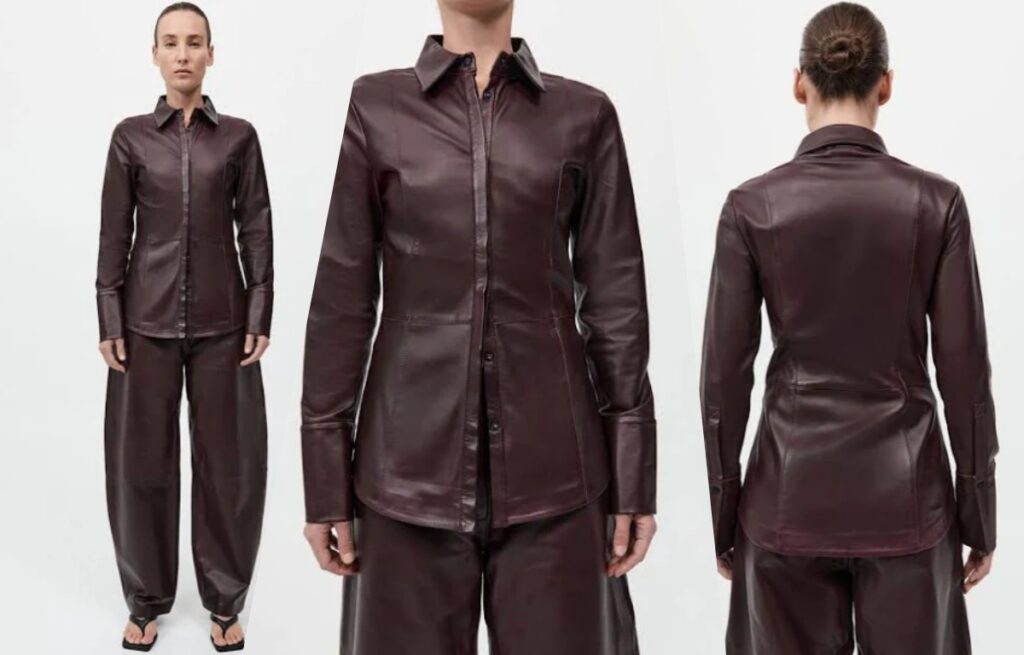
Leather panel sleeves refer to sleeve designs that incorporate leather (or faux leather) sections—either partially or entirely—as statement or reinforcement elements. This style blends textural contrast, durability, and edgy aesthetics, often used in outerwear like biker jackets, military-inspired coats, and streetwear pieces.
By introducing leather as a panel rather than full coverage, designers can maintain flexibility and breathability while still achieving a bold, premium look.
Technical Composition, Design Considerations & Market Strategy
Panel Placement and Structural Logic
Leather panels can be strategically placed to enhance both form and function:
| Panel Position | Purpose / Effect |
|---|---|
| Elbow or forearm | Reinforces high-wear zones, adds biker/moto aesthetics |
| Outer arm (shoulder to cuff) | Creates a sharp vertical silhouette and visual contrast |
| Upper sleeve only | Adds strength and edge without compromising comfort |
| All-over sleeve with fabric underpanel | For an armored or futuristic vibe |
Designers must carefully balance weight distribution and movement flexibility, especially when combining stiff leather with soft main fabrics like cotton, wool, or synthetics.
Fabric Pairing Strategy
Leather panel sleeves often rely on mixed media construction, and the success of the garment lies in smart pairing:
- Leather + Cotton Twill: Popular in utilitarian and military jackets.
- Leather + Knit: Balances stretch with structure in modern sportswear.
- Leather + Wool or Melton: For high-end coats with warmth and sophistication.
- Leather + Nylon/Polyester Shells: Seen in urban techwear and streetwear.
Tip: When using genuine leather, always consider weight, thickness, and flexibility. For fashion-forward styles, faux leather or PU may offer easier sewability and consistent color availability.
Stitching & Construction Considerations
Working with leather requires specific machinery and experience:
- Needles & Threads: Use leather needles and thicker polyester threads to prevent breakage.
- Seam Type: Flat-felled or lapped seams offer strength without bulk.
- Avoid Pinholes: Clips should be used instead of pins to avoid permanent holes.
- Edge Finishing: Leather may be raw-edged, bound, or folded depending on the design.
At Modaknits or JF Apparel, we often pre-test panels on industrial machines to determine ideal needle size and pressure, especially for mixed-fabric garments.
Design Intent and Brand Alignment
Leather panel sleeves are used to:
- Add toughness to soft silhouettes (e.g. pairing with chiffon or jersey).
- Communicate luxury streetwear energy (used by brands like Off-White, Rick Owens, Alexander Wang).
- Introduce functional protection for motorcycling, utility, or outdoorwear.
- Offer visual segmentation—breaking up solid-colored sleeves for modern styling.
This style particularly resonates with men’s fashion, androgynous collections, or edgy womenswear looking to balance softness and strength.
Sleeve with Thumbhole
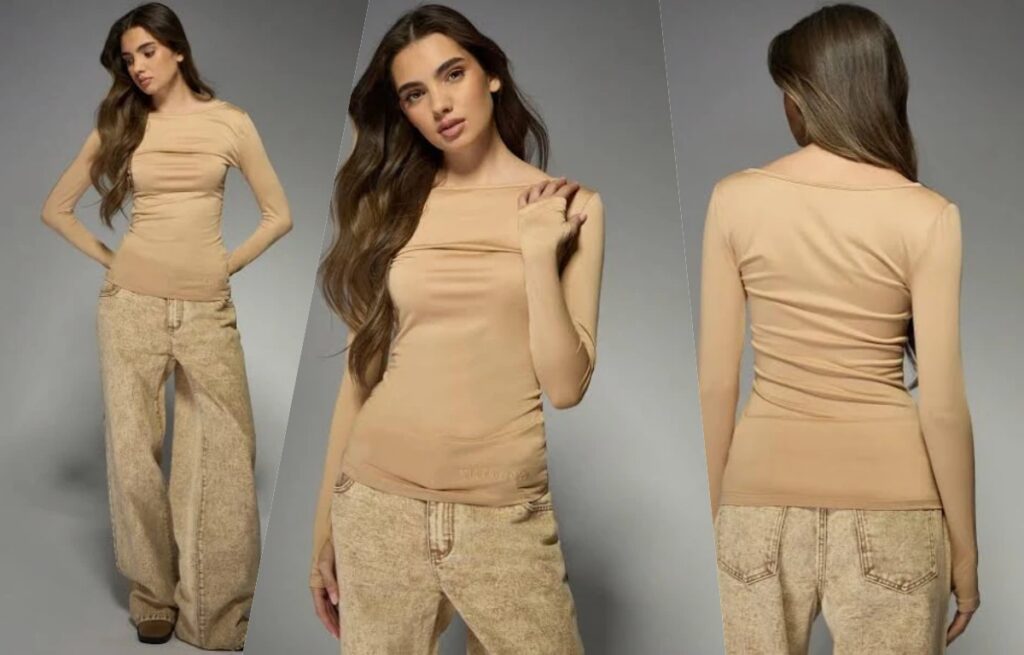
A sleeve with thumbhole is a functional and stylish sleeve design that extends past the wrist and includes a small opening near the cuff for the wearer’s thumb to slip through. This design is especially common in activewear, streetwear, and cold-weather gear, offering added hand coverage, warmth, and secure sleeve placement during movement.
Its utility and sleek appearance have made it popular across both performance and lifestyle clothing segments.
Functionality, Fit Engineering & Brand Applications
Functional Advantages
| Benefit | Description |
|---|---|
| Extended Warmth | Covers part of the hand, ideal for cold weather or layering. |
| Sleeve Stability | Keeps the sleeve in place during running, yoga, or layering. |
| Athleisure Aesthetic | Modern and sporty, often associated with performance-focused brands. |
| Hand Protection | Reduces friction from equipment like weights, yoga mats, or bicycles. |
The thumbhole transforms a regular long sleeve into a hybrid accessory, especially useful in transitional weather conditions.
Engineering the Thumbhole
There are two common construction methods:
| Method | Description |
|---|---|
| Integrated Cuff Opening | A slit or reinforced hole at the cuff edge. Requires precise binding or cover-stitching to prevent fraying. |
| Separate Thumbhole Panel | A piece of fabric is sewn in to create a dedicated tunnel for the thumb. Adds dimension and design interest. |
Material Choice Matters: Fabrics must be soft, stretchy, and durable—nylon/spandex blends, brushed jersey, or technical fleece are popular options to ensure comfort and longevity.
Design Considerations
- Length: The sleeve must be long enough (typically 2–4cm past the wrist) to remain comfortable when using the thumbhole.
- Elasticity: Cuff construction needs to maintain tension without constricting the hand.
- Reinforcement: High-stress areas around the thumbhole often require bar-tacking or twin-needle stitching to avoid tearing.
- Gender Neutral Appeal: Thumbholes are widely accepted across men’s, women’s, and unisex garments.
Brand Applications
| Brand | Use Case Example |
|---|---|
| Lululemon | Thumbholes in long-sleeve workout tops and hoodies, promoting full coverage. |
| Nike | Performance base layers with thumbholes to prevent sleeve roll-up. |
| Outdoor Voices | Stylish running tops using brushed spandex knits with thumbhole finishes. |
| Alo Yoga | Fashion-forward thumbhole sleeves in lounge-ready fleece and crop tops. |
Built-in Glove Sleeve
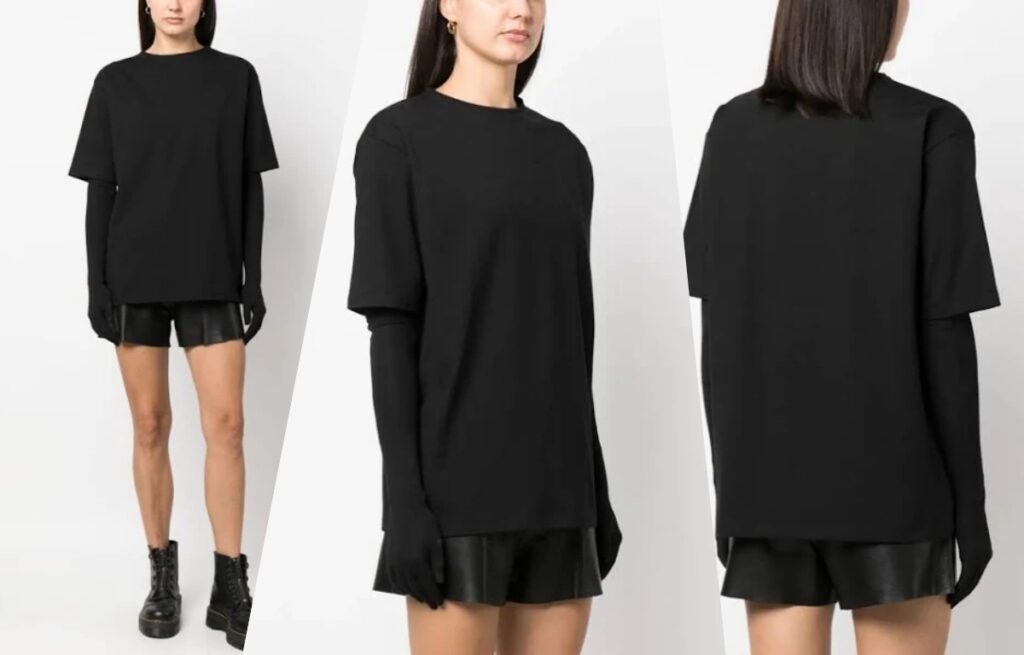
A Built-in Glove Sleeve is a hybrid design that seamlessly merges the sleeve and glove into one continuous garment component. Rather than ending at the wrist, this sleeve design extends into a glove-like form, covering part or all of the hand, sometimes even including finger slots or a full mitten structure. It’s commonly seen in high-performance sportswear, futuristic fashion, and cold-weather outerwear.
Technical Structure, Use Cases & Fashion Innovation
Function Meets Form
| Feature | Description |
|---|---|
| Integrated Coverage | Eliminates the need for separate gloves, ideal for cold or windy conditions. |
| Streamlined Fit | Reduces bulk at the wrist, allowing easier layering with outerwear or equipment. |
| Tactical Design | Used in athletic or military gear for mobility and hand protection. |
| Statement Styling | Popular in avant-garde or high-fashion pieces for a futuristic aesthetic. |
Built-in glove sleeves create a sleek, uninterrupted silhouette, blending functionality and fashion.
Construction Techniques
| Construction Type | Application Area | Notes |
|---|---|---|
| Half-Glove Cuff | Thumbhole with palm strap or finger loop | Common in yoga wear and longline tees. |
| Mitten Extension | Covers the entire hand | Often used in ski jackets or snow gear. |
| Fingered Glove Panel | Individual finger slots integrated | More complex; requires precise patterning. |
🧵 Material selection is crucial. Most use 4-way stretch knit fabrics, polar fleece, or thermal spandex to ensure flexibility, warmth, and comfort.
Performance and Application Examples
| Industry | Use Case Example |
|---|---|
| Athleisure | Base layers with glove sleeves for runners and cyclists. |
| Ski/Snowboarding | Waterproof jackets with mitten-style glove sleeves to block snow entry. |
| Luxury Fashion | Designers like Rick Owens and Balenciaga have incorporated built-in glove sleeves for avant-garde runway appeal. |
| Medical/Techwear | Used in lab suits or protective uniforms for hygiene and safety. |
Design Considerations for Brands
- Fit Accuracy: Requires advanced grading for different hand sizes.
- Ease of Use: May include hidden zippers or snap buttons for glove retraction.
- Breathability Zones: Mesh inserts or perforated fabric can be added to reduce sweating in the palm area.
- Durability: Reinforced palm zones are common for high-friction use (e.g., sports gear, industrial apparel).