Fashion isn’t just about fabric—it’s about form. And few details shape a garment’s character more than its sleeves. In Part 1, we covered some of the most popular and foundational sleeve types. But the story doesn’t end there.
This Part 2 guide explores 20 sleeve types—from flared to fluted, cape to cold-shoulder—designed to inspire designers, buyers, and brand founders alike.
These sleeves aren’t just decorative—they solve design problems, shape silhouettes, and define fashion eras. Whether you’re crafting a romantic blouse or an edgy outerwear piece, understanding sleeve structures gives you a creative edge.
Puff Sleeve

What is a Puff Sleeve and why is it still trending in modern fashion?
Puff sleeves have never truly gone out of style. From Victorian ballgowns to 2020s cottagecore blouses, this voluminous sleeve has constantly evolved across decades.
A puff sleeve is a gathered sleeve style with volume concentrated around the shoulder or lower arm, creating a “puffy” silhouette that adds drama, femininity, or vintage appeal.
Once seen as overly romantic or theatrical, puff sleeves today are embraced by fashion-forward brands and consumers seeking bold silhouettes or subtle softness, depending on how they are executed.
What makes puff sleeves versatile in design and silhouette?
Puff sleeves aren’t one-size-fits-all. They vary significantly based on where the volume is placed, the fabric used, and how they’re constructed. Understanding these nuances helps brands make the right design decisions depending on the intended look and customer base.
Types of Puff Sleeves
| Type | Volume Placement | Common Use Cases |
|---|---|---|
| Shoulder Puff | Gathers at shoulder line | Romantic blouses, cottagecore dresses |
| Lower Arm Puff | Gathers near cuff | Statement outerwear, modern tops |
| Full-length Puff | Throughout sleeve length | Editorial fashion, high drama silhouettes |
Fabric Matters
- Lightweight fabrics (like organza, voile, chiffon) create airy, balloon-like shapes.
- Stiff fabrics (like taffeta, poplin) hold structure better, ideal for sculptural silhouettes.
- Stretch blends reduce bulk and offer better movement for casual wear.
Patternmaking Tips for Manufacturers
- Include elastic channels or drawstring gathers for adjustable volume.
- Add lining or interfacing for stiff fabrics to maintain puff shape after washing.
- Balance volume with a fitted bodice to prevent overwhelming smaller frames.
Why Puff Sleeves Work Well for Brand Differentiation
Modern consumers—especially Gen Z and Millennial shoppers—gravitate towards pieces that blend nostalgia with individual flair. A subtle shoulder puff can add vintage charm without going over-the-top, while exaggerated puffs cater to fashion lovers seeking viral Instagram-worthy looks.
Bell Sleeve

What is a Bell Sleeve and how does it shape garment aesthetics?
Bell sleeves are timeless. Their flared, flowing silhouette has adorned everything from bohemian blouses to 70s-inspired gowns, bringing grace and movement to the arms.
A bell sleeve is a sleeve style that flares out from the elbow or wrist, resembling the shape of a bell. It’s often used to create a romantic, vintage, or boho look.
While it may look dramatic, the bell sleeve is incredibly wearable. Its gentle flare adds character without being bulky, making it a designer favorite for dresses, blouses, and statement tops.
What makes bell sleeves a go-to sleeve for expressive yet practical designs?
Bell sleeves offer versatility across both structured and relaxed designs. Their design impact depends on flare width, length, and fabric drape.
Types of Bell Sleeves
| Type | Description | Best For |
|---|---|---|
| Short Bell Sleeve | Flare starts mid-bicep or elbow | Summer blouses, casual dresses |
| Long Bell Sleeve | Full-length flare from elbow to wrist | Formalwear, boho maxi dresses |
| Layered Bell Sleeve | Multiple tiers of flares | Statement pieces, editorial wear |
| Slit Bell Sleeve | Has front or side slit in flare for movement & detail | Chic modern blouses |
Fabric Selection Tips
- Lightweight wovens (chiffon, voile): Add flow and softness for dreamy silhouettes
- Medium-weight knits (jersey, interlock): Good for minimal flares with more control
- Lace or sheer fabrics: Offer feminine elegance for eveningwear or occasion styles
Design & Manufacturing Considerations
- Hem finishing is key: baby hem, narrow rolled edge, or bias binding to maintain clean flare
- Length precision: Slightly longer back flare avoids visual imbalance
- Pattern draft: Use half-circle or full-circle flare patterns depending on volume needs
Why Fashion Brands Use Bell Sleeves Strategically
Bell sleeves stand out on the rack. They draw the eye and add value to simple silhouettes. For brands, it’s a low-cost design enhancement that delivers strong visual impact, especially in lookbooks and social media campaigns.
Ruched Sleeve

What is a Ruched Sleeve and why is it trending in fashion design?
In recent years, ruched sleeves have taken center stage in both streetwear and high fashion. From elegant dresses to casual tops, the gathered detail adds depth and femininity to the silhouette.
A ruched sleeve features intentional gathering or pleating, often stitched or elasticized, to create volume, texture, or shaping along the sleeve’s length.
This sleeve style is highly adaptable—whether you want a romantic puff or a sporty, snug fit. It’s an ideal choice for brands aiming to balance flair with functionality.
How does ruching affect the sleeve’s form, function, and fabrication?
Ruched sleeves aren’t just aesthetic—they also serve functional purposes. By controlling fabric volume through gathered construction, ruching creates a dynamic form-fitting or voluminous look depending on placement.
Types of Ruched Sleeve Designs
| Design Variation | Description | Common Use Cases |
|---|---|---|
| Full-length ruching | Gathers extend from shoulder to cuff | Bodycon dresses, fashion-forward tops |
| Elbow ruching | Ruching centered at elbow line | Statement sleeves on midi dresses |
| Shoulder-only ruching | Subtle gathers at shoulder cap | Office blouses, romantic silhouettes |
| Side-tie ruching | Adjustable gathers controlled by a drawstring or ribbon | Streetwear, youth-focused collections |
Fabric Choices for Ruched Sleeves
Ruching works best with fabrics that have some drape or stretch:
- Lightweight wovens like rayon or chiffon create soft, falling gathers
- Jersey knits or interlock give a body-hugging ruched effect
- Taffeta or satin can add structural drama to formalwear
Pattern & Sewing Considerations
- Ruching requires additional length in the sleeve pattern, depending on desired gather ratio (usually 1.5x to 2x the final length)
- Elastic thread or drawstrings can be used for adjustable designs
- Seam reinforcement is essential to avoid strain at gathered sections
“In our development process at JinfengApparel, ruched sleeves often appeal to both emerging and established brands due to their versatility. They’re easy to style, cost-effective to produce, and create high visual impact—even on basic silhouettes.”
Fashion Brand Strategy: Where Ruched Sleeves Shine
Ruched sleeves are ideal for:
- Trend-forward drops: especially in spring/summer collections
- Versatile pieces: like tops or dresses that need to flatter multiple body types
- Online visuals: ruching adds contour and texture that pops in product photos
Ruffle Sleeve

What is a Ruffle Sleeve and how does it elevate garment aesthetics?
From runway collections to ready-to-wear lines, ruffle sleeves continue to charm designers and consumers alike. These sleeves add visual movement and a romantic touch that instantly upgrades a simple silhouette.
Ruffle sleeves are created by attaching gathered fabric along the sleeve’s edge or throughout its length, resulting in a frilly or layered effect. They are commonly used in women’s wear to introduce softness, femininity, or statement volume.
Let’s explore why ruffle sleeves remain one of the most beloved sleeve styles in fashion design.
What makes ruffle sleeves so versatile in modern garment construction?
Ruffle sleeves may seem purely decorative, but they serve strategic design purposes—enhancing the wearer’s shoulder line, softening body proportions, and balancing silhouettes. The style can be easily adapted for different markets, occasions, and price points.
Main Types of Ruffle Sleeves
| Ruffle Type | Placement | Effect on Garment |
|---|---|---|
| Shoulder ruffle | Attached at the armhole | Broadens shoulder, creates youthful feel |
| Sleeve hem ruffle | Sewn at sleeve bottom | Adds bounce, pairs well with fitted bodices |
| Tiered ruffle sleeve | Multiple layers down sleeve | Statement look, ideal for event wear |
| Circular ruffle inset | Integrated mid-sleeve | Visual break; suitable for designer pieces |
Best Fabrics for Ruffle Sleeves
The flow and structure of the ruffle largely depend on the fabric used:
- Chiffon, voile, georgette – airy and fluid, perfect for romantic styles
- Organza, taffeta – hold shape well, great for high-volume drama
- Cotton poplin, linen blends – casual ruffles with a crisp edge
At JinfengApparel, when working with ruffle sleeves, we always consider fabric memory and weight. A fabric that’s too heavy can cause ruffles to droop, while one too light may lose structure—finding that balance is key to premium results.
Technical Notes: Construction & Finishing
- Gathering ratio: Typically 1.5x to 3x the base length depending on desired fullness
- Seam finishing: Rolled hems or baby hems are often used for neat, delicate ruffle edges
- Sewing techniques: French seams or binding are preferred for transparency fabrics like chiffon
Styling Strategy for Brands
Ruffle sleeves work well across a variety of product types:
- Boho blouses and wrap dresses for resort collections
- Occasion wear to add elegance and texture
- Youthful casualwear where visual interest is key to sell-through
They also photograph exceptionally well, making them a strong choice for e-commerce fashion brands aiming for high click-through rates on visually driven platforms like Instagram or Pinterest.
Petal Sleeve

What is a Petal Sleeve and why is it a favorite in women’s fashion?
Soft, delicate, and uniquely structured—petal sleeves are often chosen when designers want to infuse garments with femininity and flow without adding excessive volume.
A petal sleeve is a short, overlapping sleeve shaped like flower petals, often used in blouses and dresses to create a graceful, layered look. It is especially flattering on the upper arms and provides movement while maintaining a tailored appearance.
Let’s uncover the technical charm and design potential of this subtle yet striking sleeve style.
How do petal sleeves combine form, function, and feminine appeal?
Petal sleeves are more than a pretty detail—they blend visual softness with construction efficiency. By overlapping the sleeve panels, designers achieve a polished finish that avoids traditional underarm seams, which can be restrictive or bulky in lightweight fabrics.
Petal Sleeve Structure & Construction
| Element | Detail |
|---|---|
| Overlap Angle | Usually 30° to 45°, allows for smooth curvature |
| Length | Short cap length (5–8 cm), or longer for layered looks |
| Seam Position | No underarm seam; uses front and back overlap instead |
| Hem Finish | Rolled hem, baby hem, or binding for clean edges |
This sleeve is cut as two separate curved pieces that overlap at the top of the arm, resembling a tulip or petal when laid flat.
When to Use Petal Sleeves in Garment Design
Petal sleeves work well in styles where ease of movement and visual grace are priorities. They’re popular in:
- Summer blouses
- Bridal and bridesmaid dresses
- Children’s formalwear
- Officewear with a feminine twist
Because they’re short and elegant, petal sleeves pair beautifully with V-necklines, wrap tops, or empire-waist dresses—adding interest to otherwise minimal styles.
Fabric Suggestions for Best Results
- Lightweight woven fabrics: chiffon, voile, crepe de chine
- Soft knits: modal blends, bamboo jersey (for draped versions)
- Avoid stiff fabrics which may cause the petals to flare unnaturally or lose drape.
At JinfengApparel, we’ve found that pairing petal sleeves with subtle prints or sheer fabrics helps brands deliver an elevated yet wearable product for spring and resort collections.
Advantages for Manufacturing & Brand Aesthetics
| Benefit | Explanation |
|---|---|
| Easy to Sew | No set-in sleeve process needed |
| Flattering on All Body Types | Covers upper arms without adding bulk |
| Versatile in Styling | Can go from romantic to minimal depending on fabric and fit |
| Cost-Effective | Less fabric consumption compared to long sleeves |
Ready for the next sleeve type like Bishop Sleeve or Flutter Sleeve? Let me know and I’ll continue building out the complete Part 2 guide in consistent, professional markdown format.
Slit Sleeve

What is a Slit Sleeve and how does it enhance the elegance of a garment?
Slit sleeves add subtle drama to a design—revealing just the right amount of skin while maintaining a sophisticated silhouette.
A slit sleeve features an open seam, typically from the shoulder or elbow down to the wrist, offering movement, ventilation, and a modern twist to traditional sleeve shapes. It’s commonly seen in evening wear, resort fashion, and flowing blouses.
Let’s explore why designers favor slit sleeves when balancing style, comfort, and flair.
Why are slit sleeves popular among contemporary fashion designers?
Slit sleeves allow the arm to peek through without exposing too much, creating a dynamic effect when in motion. This detail offers breathability and visual interest, especially when paired with soft or sheer fabrics.
Construction Techniques of Slit Sleeves
| Element | Detail |
|---|---|
| Slit Placement | Along outer arm or center sleeve; often 20–40cm in length |
| Finishing Options | Rolled hem, binding, or decorative trim |
| Sleeve Base Types | Works well with bell, bishop, or flutter sleeve bases |
| Closure Choices | Can include buttons, ties, or remain open |
Designers can customize how wide the slit is, how far it runs, and whether it opens with each movement or stays subtly concealed.
Design Benefits of Slit Sleeves
Slit sleeves instantly elevate a garment by introducing an unexpected design element. They work especially well in:
- Cocktail dresses
- Bohemian blouses
- Formal evening gowns
- Vacation-ready kaftans and tunics
They also allow for playful layering—for example, pairing a slit sleeve over a contrasting inner sleeve or using trims like lace or fringe at the opening.
Fabric Recommendations
- Chiffon – flows naturally and enhances the drape of the open slit
- Crepe – adds sophistication and holds shape without stiffness
- Silk or satin – ideal for eveningwear and soft luxurious finishes
Avoid very heavy or stiff fabrics like denim or thick ponte, as they reduce the fluttering effect that makes slit sleeves so elegant.
Customer Appeal & Brand Positioning
| Value Point | Description |
|---|---|
| Adds Sensuality Without Exposure | Ideal for modest yet fashionable consumers |
| Moves Beautifully | Creates a floating, lightweight effect while walking |
| Highly Photogenic | Perfect for brands targeting events, weddings, or red carpet |
| Offers Styling Flexibility | Can include contrast linings, embellishments, or trims |
At JinfengApparel, we often recommend slit sleeves for brands seeking to blend classic tailoring with fashion-forward details. They’re easy to produce, cost-efficient, and look high-end when constructed with precision.
Cape Sleeve

What is a Cape Sleeve and how does it redefine elegance in modern fashion?
Cape sleeves offer a graceful blend of sleeve and outer layer—bringing flow, formality, and femininity into one garment element.
A cape sleeve is a long, draping extension of fabric attached at the shoulder or neckline, falling freely over the arm like a miniature cape. It’s commonly seen in dresses, gowns, and high-fashion tops, offering dramatic flair without restricting movement.
Once you notice cape sleeves, it’s hard to forget their charm. But how are they constructed and why do they resonate so well with modern aesthetics?
Why are cape sleeves so impactful in both casual and formal fashion?
Cape sleeves are more than a stylistic flourish—they combine the drama of outerwear with the fluidity of sleeve design. The elegance lies in their motion, coverage, and layering possibilities.
Design Structure and Construction of Cape Sleeves
| Feature | Details |
|---|---|
| Length Variation | Can be short (shoulder-length) or full-length (floor-sweeping) |
| Attachment Points | Usually from neckline or shoulder seam |
| Layer Style | May be sewn into seams or detachable for dual-look functionality |
| Common Fabrics | Chiffon, satin, georgette, silk for fluid drape |
Unlike regular sleeves, cape sleeves don’t encase the arm. Instead, they flow over it—making them breathable, elegant, and visually captivating from all angles.
Styling Versatility and Appeal
Cape sleeves can be styled in both minimalist and maximalist ways. They’re widely used in:
- Evening gowns – to add drama and elegance
- Bridal wear – offering a soft, romantic silhouette
- Modern blouses – for a layered, statement look
- Outerwear hybrids – like cape coats or poncho-style jackets
They’re often paired with slim-fitting silhouettes underneath to allow the cape to stand out.
Practical Benefits in Design
| Benefit | Why It Matters |
|---|---|
| Enhanced Movement | The sleeve doesn’t restrict the arm, ideal for flowing movement |
| Added Coverage | Provides modesty while keeping the outfit breathable |
| Layering Effect | Creates dimensional interest without bulk |
| Customization Flexibility | Designers can add slits, embellishments, or even detachable parts |
Cape sleeves are especially favored in collections targeting special occasions and resort wear markets. They photograph beautifully, move gracefully, and convey a premium aesthetic.
Fabric Recommendations for Cape Sleeves
- Chiffon – for light, sheer volume
- Crepe – for soft structure
- Tulle or organza – for bridal or couture interpretations
- Jersey – for a casual cape sleeve on knitwear
Avoid stiff materials unless creating a structured couture cape silhouette. The goal is usually flow, movement, and softness.
Angel Sleeve

What is an Angel Sleeve and why is it a favorite in flowing, romantic fashion?
Angel sleeves bring ethereal beauty and soft movement to garments—offering a dreamy, vintage-inspired silhouette that never goes out of style.
An angel sleeve is a long, wide, flowing sleeve that extends from the shoulder and flares out like a wing, typically without tapering toward the wrist. It often features in bohemian dresses, bridal wear, and vintage-inspired collections, especially in soft, sheer fabrics like chiffon or georgette.
Though delicate in appearance, angel sleeves are powerful in storytelling—conveying femininity, softness, and a sense of freedom in movement.
What makes the Angel Sleeve distinct in design and wearability?
The angel sleeve is not just a longer version of a flutter sleeve. Its key distinction lies in its exaggerated drape and seamless, wing-like motion—ideal for high-impact visuals on runways or in editorial campaigns.
Key Construction Elements of Angel Sleeves
| Design Element | Description |
|---|---|
| Length | Usually elbow to wrist or longer |
| Shape | Cut wide and straight from shoulder with a gradual flare |
| Seams | Typically minimal; often cut in one with the bodice |
| Finishing | Rolled hems, lettuce hems, or lace trims for added delicacy |
| Fabric Recommendations | Lightweight, fluid fabrics like chiffon, organza, silk, tulle |
Angel sleeves are best constructed with minimal seams to retain flow and maximize drape. Seamless or bias-cut versions further enhance their softness.
Styling Applications & Brand Uses
Angel sleeves are perfect for:
- Boho maxi dresses
- Fairycore and ethereal fashion aesthetics
- Bridal gowns with whimsical themes
- Resort wear and vacation dresses
- Festival and editorial collections
They offer a sense of effortless luxury while remaining wearable in hot climates due to their breathability and looseness.
Why Designers Love Angel Sleeves
| Benefit | Design Advantage |
|---|---|
| High Visual Impact | Dramatic silhouette with soft femininity |
| Great Fabric Movement | Enhances video, photo shoots, and runway flow |
| No Restriction of Movement | Ideal for active wearers or warm weather |
| Versatile Length Adjustments | Can be cropped for a flutter look or extended to floor length |
Angel sleeves also lend themselves well to layering. Some designers pair them with slim under-sleeves or add embellishments like embroidery, beadwork, or lace for high-end finishes.
Fabric Choices for Angel Sleeves
- Chiffon – for maximum flow and transparency
- Silk georgette – for a luxurious drape
- Tulle or mesh – ideal for bridal or fantasy collections
- Crepe or rayon – for more structure while retaining movement
Avoid stiff or heavyweight fabrics, as they will limit the sleeve’s natural elegance and visual softness.
Bishop Sleeve

What is a Bishop Sleeve and why does it remain a timeless design in both casual and formalwear?
The bishop sleeve is a classic silhouette that blends vintage romance with refined tailoring. It’s a favorite among designers for adding volume, movement, and elegance without overwhelming the garment’s overall shape.
A bishop sleeve is a long sleeve that is fuller at the bottom than the top, gathered into a cuff at the wrist. It flows from a narrower armhole and billows gracefully down the arm before cinching into a fitted cuff—offering a regal yet wearable touch to both blouses and dresses.
Why are Bishop Sleeves so widely used in both contemporary and heritage collections?
Bishop sleeves serve both aesthetic and functional purposes. They offer visual volume without sacrificing mobility or balance, making them ideal for everything from romantic tops to structured outerwear.
Core Design Characteristics of Bishop Sleeves
| Feature | Description |
|---|---|
| Sleeve Shape | Full from shoulder to wrist, gathered into a fitted cuff |
| Cuff Type | Buttoned or elasticized cuffs to secure the gathered fabric |
| Length | Typically full-length |
| Fabric Compatibility | Works well with both woven and knit materials |
| Construction Ease | Requires gathering and precise cuff placement |
Unlike bell or puff sleeves, bishop sleeves emphasize gradual volume. Their elegance lies in the controlled fullness—sleeves that move but don’t overwhelm.
Use Cases Across Fashion Segments
Bishop sleeves are highly versatile and appear across:
- Bohemian blouses – paired with floral prints and flowy silhouettes
- Formal evening gowns – with satin or chiffon for maximum drape
- Romantic wedding dresses – particularly in lace or sheer tulle
- Winter dresses or tops – using heavier fabrics for a soft balloon effect
- Vintage-inspired office wear – structured bodices with flowing bishop sleeves
Designers often use bishop sleeves to contrast clean tailoring with softness.
Design Advantages for Brands and Buyers
| Benefit | Why It Matters |
|---|---|
| Adds Volume Without Bulk | Fullness is controlled and focused at the wrist |
| Elegant Movement | Especially flattering in motion, great for photo and video |
| Adaptable to Fabric Types | Works with silks, cottons, chiffons, or heavier crepes |
| Suitable for Layered Looks | Can be tucked into vests, jackets, or corseted tops |
The bishop sleeve is one of the few sleeve styles that can appear regal in formalwear and relaxed in casual designs—depending entirely on fabric and pairing.
Fabric Recommendations for Bishop Sleeves
- Chiffon or Georgette – for soft, flowing drape
- Silk or Satin – for evening and formal looks
- Cotton Voile or Lawn – for breezy daywear
- Rayon or Viscose – for softness with a bit more weight
- Knits or Jersey – for contemporary comfort styles
For cuffs, consider using contrast fabric, smocking, or self-covered buttons to elevate the overall aesthetic.
Poet Sleeve

What is a Poet Sleeve and why is it favored in romantic and vintage fashion aesthetics?
The poet sleeve is all about drama, flow, and romantic nostalgia. Characterized by soft volume and often adorned with ruffles, gathers, or tiered details, this sleeve evokes historical fashion yet remains strikingly relevant in modern collections.
A poet sleeve is a long, flowing sleeve that gathers at the wrist into a cuff or ruffle, often featuring additional fullness from pleats or tiers. It’s commonly seen in bohemian, gothic, and vintage-inspired styles and is particularly popular in blouses and dresses meant for statement looks.
What makes the Poet Sleeve a timeless icon in expressive fashion?
Poet sleeves are deeply rooted in the garments of the Renaissance and Romantic periods, where sleeves were exaggerated to symbolize status, emotion, and artistic flair. Today, this silhouette has been reimagined for the runway, red carpet, and even ready-to-wear with fresh fabrics and modern trims.
Key Characteristics of Poet Sleeves
| Feature | Description |
|---|---|
| Volume | Full or exaggerated, with added pleats, gathers, or tiers |
| Cuff Style | Fitted cuffs, elastic finishes, or flared ruffle edges |
| Length | Full-length, often extending over the wrist or hand |
| Fabrics | Best with lightweight and semi-sheer materials |
| Design Use | Statement blouses, maxi dresses, formal gowns, editorial looks |
Unlike bishop sleeves which are gently full, poet sleeves lean more theatrical, with intentional drama in every movement.
Styling and Application in Modern Collections
Poet sleeves are a go-to for designers when aiming to infuse romance, movement, and vintage elegance. They are ideal for:
- Editorial and runway collections
- Festival or boho fashion lines
- Romantic blouses for Spring/Summer drops
- Luxury resort wear with lace or silk
- Statement occasionwear pieces
They are often paired with high necklines, corset bodices, or open backs to balance the volume with contrast.
Design Benefits and Brand Appeal
| Advantage | Why It Matters for Designers & Buyers |
|---|---|
| Visually Impactful | Ideal for photography, branding, and campaigns |
| Evokes Romantic Themes | Perfect for storytelling through fashion |
| Drapes Beautifully | Works with silk blends, chiffon, or voile for elegant flow |
| Customizable Details | Ruffles, embroidery, lace trims, and layered cuffs add premium value |
The poet sleeve allows for endless customization—designers often experiment with sleeve layering, asymmetrical cuffs, or even double-ruffle finishes for added drama.
Best Fabric Choices for Poet Sleeves
- Chiffon – for maximum volume and movement
- Cotton voile or muslin – for breathable, casual versions
- Silk organza – for luxurious structure and sheerness
- Rayon or modal – for a soft and fluid drape
- Lace or embroidered mesh – for bridal and vintage couture styles
Short Sleeve

What is a Short Sleeve and why does it remain a staple in every wardrobe?
Short sleeves are one of the most widely used sleeve types in fashion, offering a balance between comfort, functionality, and clean aesthetics. Whether for casual t-shirts, formal shirts, or lightweight summer dresses, short sleeves are the foundation of warm-weather and versatile apparel.
A short sleeve typically covers the shoulder and part of the upper arm, ending above or around the mid-bicep. The simplicity of its design allows for countless variations—from fitted styles to boxy, oversized silhouettes.
Why do Short Sleeves remain relevant across fashion markets and age groups?
Short sleeves are more than just a hot-weather solution—they’re a core part of identity across multiple subcultures (from skatewear to classic prep), categories (menswear, womenswear, children’s wear), and functions (casual, sportswear, uniforms, even luxury).
Design Characteristics of Short Sleeves
| Feature | Description |
|---|---|
| Length | Ends above the elbow, usually around the bicep |
| Fit | Ranges from slim and tailored to relaxed or oversized |
| Shape | Can be straight-cut, tapered, or flared slightly |
| Hem Style | Folded, raw-edge, cuffed, or finished with binding |
| Use Cases | Everyday wear, uniforms, loungewear, sportswear, business casual |
Short sleeves highlight arm mobility while reducing heat retention—making them ideal for both functional garments and stylish layering.
Application Across Garment Types
- T-Shirts & Polos – Core items in men’s and women’s casual wardrobes
- Dress Shirts & Blouses – Ideal for smart casual and summer office attire
- Activewear – Enhanced with mesh panels or raglan cuts for performance
- Uniforms – Standard for retail, hospitality, and industrial clothing
- Children’s Wear – Practical and breathable for energetic play
Why Brands and Buyers Love Short Sleeves
| Benefit | Why It Matters |
|---|---|
| Easy to Produce | Minimal fabric consumption and faster sewing lines |
| Year-Round Demand | Always in season across hemispheres and climates |
| Layer-Friendly | Great for under jackets, vests, or cardigans |
| Customizable Surface | Large printable area for logos, graphics, or embroidery |
| Gender & Age Neutral | Works for all ages, genders, and size ranges |
Designers often tweak sleeve length, drop, and angle to create signature silhouettes—even subtle changes can affect garment identity.
Fabric Suggestions for Short Sleeves
- Cotton Jersey – Breathable and soft, ideal for t-shirts
- Poplin or Broadcloth – Crisp and smooth, perfect for shirts
- Piqué Knit – Used in polos for texture and breathability
- Linen – Lightweight and moisture-wicking for summer tops
- Spandex Blends – Adds flexibility for performance and fit
Elbow Sleeve

What is an Elbow Sleeve and how does it balance coverage and style?
The elbow sleeve is a versatile sleeve length that ends right at or slightly below the elbow. It provides more coverage than a traditional short sleeve while remaining breathable and non-restrictive. Elbow sleeves are particularly favored in transitional weather, office attire, and designs that require modesty with modern flair.
Elbow sleeves typically measure between 11 to 13 inches in length from the shoulder seam, depending on the wearer’s arm length and the intended fit. This sleeve type can appear fitted, relaxed, ruched, or even puffed depending on the garment’s aesthetic and market.
Why are Elbow Sleeves a strategic design choice for brands and buyers?
Elbow sleeves occupy a sweet spot between formality and comfort, offering a flattering silhouette for various body types and market segments. They’re often used in:
- Business casual tops and blouses
- Shift dresses and sheath dresses
- Transitional-season knitwear
- Modest fashion lines
- Mature womenswear collections
Unlike short sleeves that may expose upper arms, elbow sleeves provide coverage where many consumers feel more confident, especially in professional or semi-formal settings. This makes them a preferred choice for markets targeting women over 30, office workers, or those in regions with conservative dress codes.
Key Design Variations of Elbow Sleeves:
| Style Variation | Description |
|---|---|
| Fitted Elbow Sleeve | Closely hugs the arm, used in formal tops or dresses |
| Puff Elbow Sleeve | Adds volume at the shoulder and tapers at elbow for romantic look |
| Ruched Elbow Sleeve | Gathers at the sides for added texture and mobility |
| Flared Elbow Sleeve | Widens near the elbow, creating a subtle bell-like effect |
| Layered Elbow Sleeve | Often used in knitwear, combining jersey and lace or chiffon for contrast |
Elbow sleeves also allow room for detailed cuff treatments such as lace inserts, contrasting fabrics, or even functional zippers/snaps—making them attractive for premium designs.
Fabric Suggestions for Elbow Sleeves:
- Cotton jersey – For daily tees or semi-fitted basics
- Viscose or rayon blends – For drapey blouses or dresses
- Lightweight knits – Ideal for spring/fall layering pieces
- Stretch poplin – Works well for workwear and uniforms
- Chiffon or georgette – Great for feminine, layered designs
Three-quarter Sleeve

What is a Three-Quarter Sleeve and Why is it a Go-To for Transitional Wardrobes?
The three-quarter sleeve, often abbreviated as ¾ sleeve, extends below the elbow and ends midway between the elbow and wrist—usually around the forearm. It offers a perfect balance between the short sleeve’s breathability and the full sleeve’s coverage, making it a favorite for transitional seasons, professional attire, and modest fashion.
This sleeve type is widely embraced across womenswear, especially in blouses, knitwear, dresses, and jackets that require a more polished or feminine silhouette.
Why Three-Quarter Sleeves are a Strategic Choice in Fashion Design and Merchandising
Three-quarter sleeves do more than provide extra coverage—they create visual elongation of the arms and torso, making them particularly flattering for a wide range of body shapes and sizes. This makes them a smart choice for brands targeting professional women, mature consumers, or transitional seasonal wardrobes.
Design Features and Variations
| Sleeve Type | Description |
|---|---|
| Straight ¾ Sleeve | Clean and tailored, used in business casual shirts or sheath dresses |
| Bell or Flared ¾ | Adds a feminine touch, flares out towards the wrist |
| Ruched ¾ Sleeve | Gathered fabric for comfort and dynamic appearance |
| Puff ¾ Sleeve | Adds volume at the shoulder and tapers at mid-forearm |
| Split or Slit ¾ Sleeve | Offers movement and subtle exposure, used in elegant blouses or tunics |
Why Brands Use ¾ Sleeves Across Collections
| Advantage | Benefit |
|---|---|
| Season Versatility | Ideal for spring and fall collections |
| Professional Appeal | Adds formality without full coverage |
| Universally Flattering Fit | Visually elongates arms, suitable for all body types |
| Customization Opportunities | Allows for lace trims, button cuffs, ties, or contrast fabrics |
| Layering-Friendly | Works well under jackets, cardigans, and vests |
Best Fabric Pairings
- Cotton poplin or stretch cotton – Great for workwear and uniforms
- Rayon and viscose blends – For draped, breathable, and soft styles
- Chiffon or silk – Ideal for luxury or formal garments
- Knit jersey – For daily casual wear and comfort
- Linen – For natural, breathable pieces in warmer seasons
Long Sleeve

What is a Long Sleeve and Why is it a Timeless Essential?
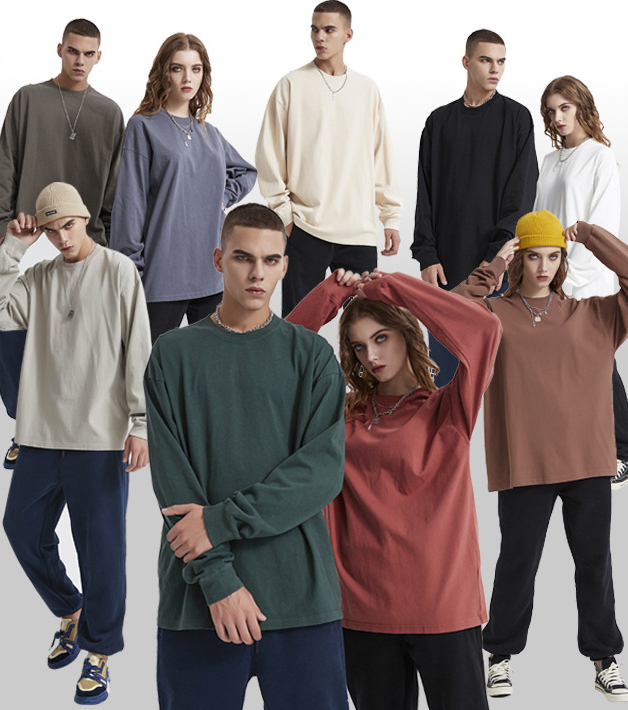
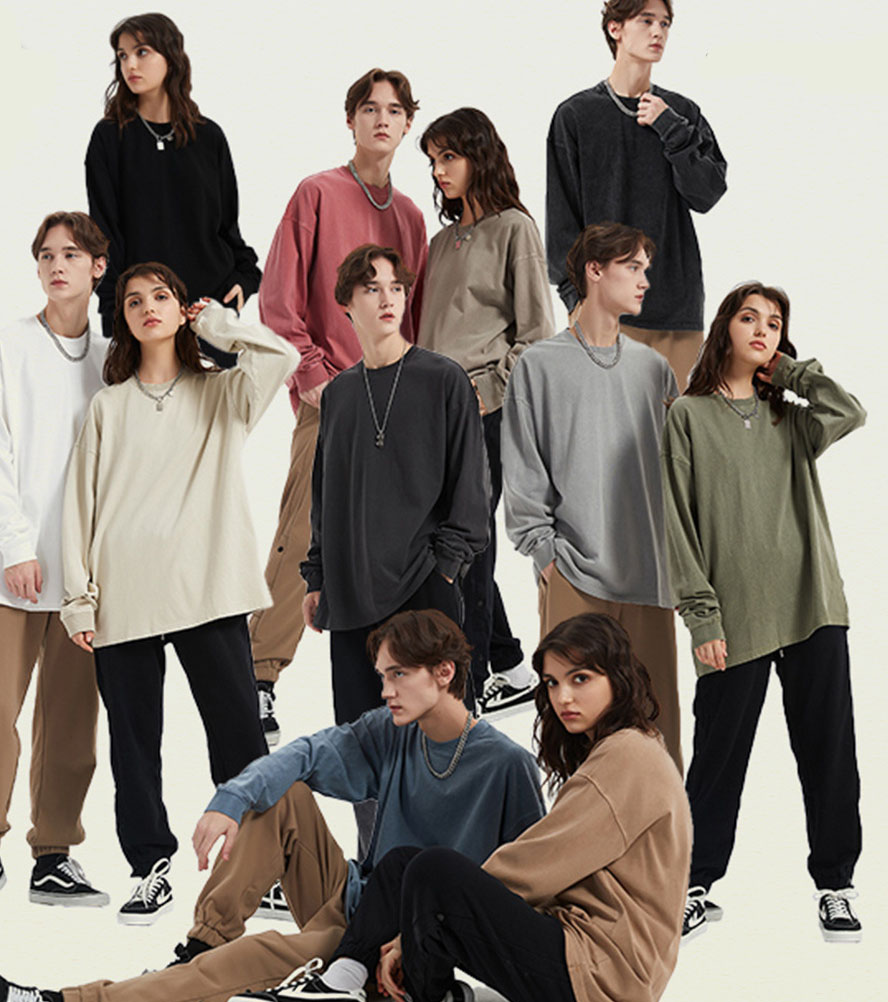
A long sleeve is one of the most classic and universally recognized sleeve types, extending fully from the shoulder to the wrist. Known for its simplicity, functionality, and versatility, the long sleeve is a staple across all categories of fashion—from formal shirts and dresses to activewear, outerwear, and uniforms.
Whether you’re designing for fall/winter collections or looking for elegant silhouettes, long sleeves remain a foundational element in both menswear and womenswear.
Why Long Sleeves Remain a Strategic Choice for Brands and Fashion Designers
Long sleeves are not only practical—they are a canvas for innovation, branding, and seasonal flexibility. For fashion brands and product developers, long sleeves offer space for added functionality, creative detail, and seasonal layering.
Key Benefits of Long Sleeves in Garment Design:
| Advantage | Details |
|---|---|
| Seasonal Flexibility | Ideal for fall, winter, and early spring collections |
| Functional Add-Ons | Can include thumb holes, zippers, cuffs, or elastic openings |
| Branding Real Estate | Space for screen prints, embroidery, patches, and sleeve logos |
| Styling Versatility | Works for casualwear, activewear, business, formal, or evening wear |
| Gender-Neutral Appeal | Suitable across men’s, women’s, and unisex product lines |
Common Variations of Long Sleeves
| Style Name | Description |
|---|---|
| Fitted Long Sleeve | Tailored for a snug fit, often seen in formal shirts or knit dresses |
| Bishop Sleeve | Voluminous through the arm and gathered at the wrist |
| Bell Long Sleeve | Flared from the elbow or wrist for a feminine, dramatic effect |
| Raglan Long Sleeve | Seam runs from underarm to neckline, often used in sportswear |
| Layered Long Sleeve | Adds a faux or actual second layer at the cuff or shoulder for dimension |
Fabric Recommendations for Long Sleeves
- Cotton and cotton blends – Ideal for basics, T-shirts, and uniforms
- Modal and rayon – For soft drape and smooth finish
- French terry or fleece – For hoodies and loungewear
- Poplin or oxford – Common in business shirts
- Lace or chiffon – For delicate, see-through long sleeves in dresses
Long sleeves also present technical opportunities—such as UV protection in sportswear, anti-bacterial treatments, or moisture-wicking fabrics—especially when manufacturing performance-driven or outdoor-ready garments.
Half Sleeve

What is a Half Sleeve and Why is It a Wardrobe Staple?
Half sleeves—also known as mid-length sleeves—typically extend from the shoulder to just above or at the elbow. Positioned between short sleeves and three-quarter sleeves, they offer a perfect balance of coverage and breathability. Often seen in t-shirts, polo shirts, blouses, and uniforms, half sleeves cater to both casual and semi-formal categories across men’s and women’s wear.
Their simplicity and comfort make them a go-to choice for summer wear, workwear, and unisex apparel.
Strategic Design and Business Insights Behind the Half Sleeve
While half sleeves might appear basic at first glance, they play a critical role in mass-market apparel and uniform design. From cost-efficiency to gender-neutral appeal, half sleeves present significant manufacturing and merchandising advantages.
Why Designers and Brands Favor Half Sleeves
| Feature | Advantage |
|---|---|
| Universal Appeal | Flatters most body types and suits various age groups |
| Unisex Application | Common in men’s and women’s t-shirts, polos, and basic fashion tops |
| Cost-Efficiency | Less fabric consumption compared to long sleeves |
| Easy to Layer | Can be worn under blazers or cardigans without bulk |
| Great for Printing | Large enough area for logos, graphics, or brand statements |
Fabric & Function Considerations
| Fabric Type | Best Use Case |
|---|---|
| Cotton Jersey | Daily casual wear, t-shirts, uniforms |
| Polyester/Cotton | Easy-care workwear and active uniforms |
| Modal/Viscose | For soft and breathable women’s fashion tops |
| French Terry | Lightweight summer sweatshirts or hybrid loungewear |
| Interlock Knit | Premium polos or corporate casual garments |
Popular Sleeve Styles Based on Half Sleeve Cuts
- Fitted Half Sleeve – Often used in slim-cut tops or compression sportswear
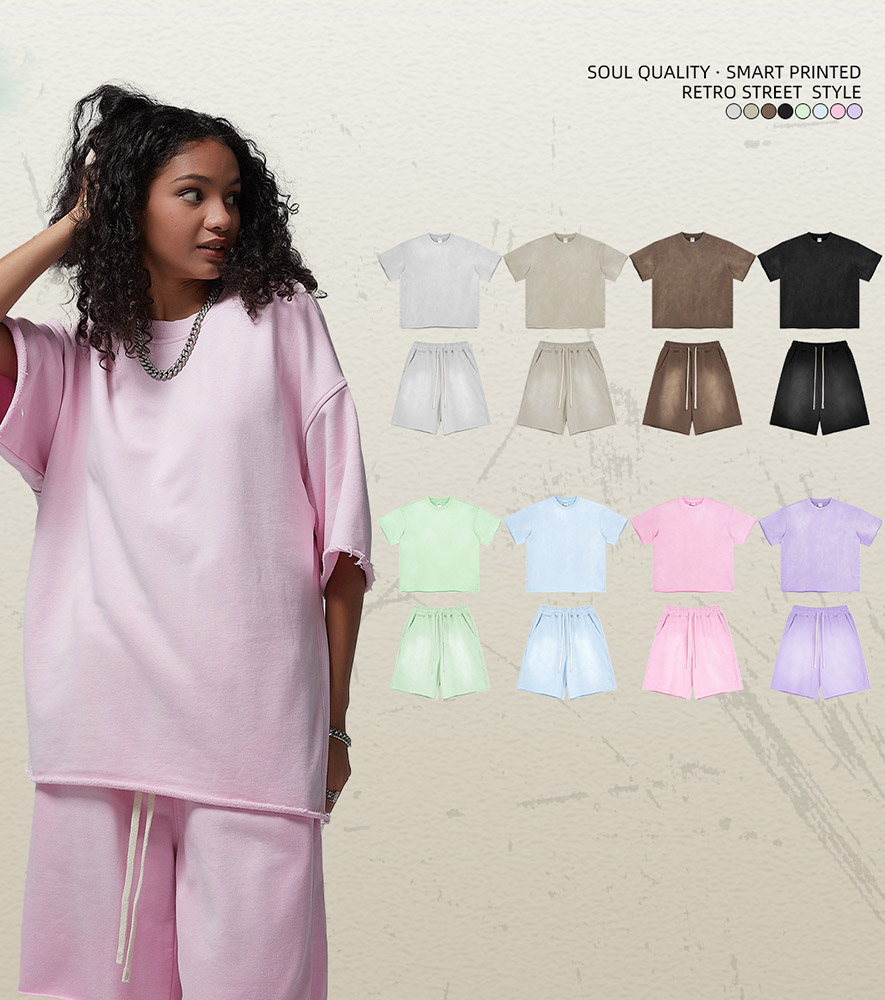
- Relaxed Half Sleeve – Standard in streetwear, oversized tees, and unisex styles
- Cuffed Half Sleeve – Features a stitched or elastic cuff for added structure
- Split Half Sleeve – Adds fashion detail and airflow with side slits
- Double-Layered Half Sleeve – Used to mimic a layered look without added bulk
Market Trends
- Unisex and gender-neutral collections are increasingly relying on half sleeves for their universal fit.
- In corporate and hospitality uniforms, half sleeves provide mobility and ease of movement.
- Streetwear and Gen-Z brands are pushing oversized half-sleeve tees with bold graphics and embroidery.
Bracelet Sleeve

What is a Bracelet Sleeve and Why is It Perfect for Elevating Everyday Style?
Bracelet sleeves are elegant, practical, and subtly stylish. This sleeve length typically ends just above the wrist bone, leaving a small portion of the forearm and wrist exposed—exactly where a bracelet or watch would be worn, hence the name.
Popular in blouses, light jackets, and tailored coats, bracelet sleeves offer a refined silhouette while maintaining ease of movement and a touch of visual intrigue.
Functional Aesthetics and Design Flexibility
Bracelet sleeves are not just about elegance—they’re a strategic design element used by fashion brands to bridge formal and casual aesthetics while highlighting accessories like watches, bangles, or gloves.
Key Features & Technical Design Notes
| Design Element | Description |
|---|---|
| Length | Ends 1–2 inches above the wrist bone |
| Cut | Can be slim, flared, or slightly gathered for softness |
| Fit | Tailored sleeves or relaxed depending on garment silhouette |
| Hem Finish | Typically clean hemmed, sometimes with small vents or cuffs |
This sleeve type balances comfort and refinement, often used in transitional seasonal garments like spring coats and structured tops.
Ideal Fabric Pairings
| Fabric | Purpose / Effect |
|---|---|
| Wool blends | Structured coats and jackets |
| Silk or satin | Feminine blouses with fluid movement |
| Linen or cotton | Lightweight summer outerwear or fashion tops |
| Crepe | Adds soft volume while holding shape |
Styling Applications & Benefits
- Accessory Highlighting: Perfect for jewelry brands and stylists aiming to show off wrist accessories
- Elegant Layering: Easily paired with long gloves or layered with undershirts in winter
- Transitional Fashion: Ideal for spring and fall collections where full sleeves might be too warm
- Classic Silhouette Update: Offers a subtle twist to traditional long sleeves without disrupting overall formality
Popular Uses in Industry
| Category | Example Garments |
|---|---|
| Women’s Coats | Wool-blend bracelet-sleeve coats paired with gloves |
| Officewear | Silk or viscose blouses with bracelet sleeves |
| Resortwear | Flowy kaftans and tunics with slightly flared bracelet sleeves |
| Occasionwear | Dresses with embellishments at the cuff edge or wrist line |
Overlong Sleeve

What is an Overlong Sleeve and Why is It a Fashion Statement?
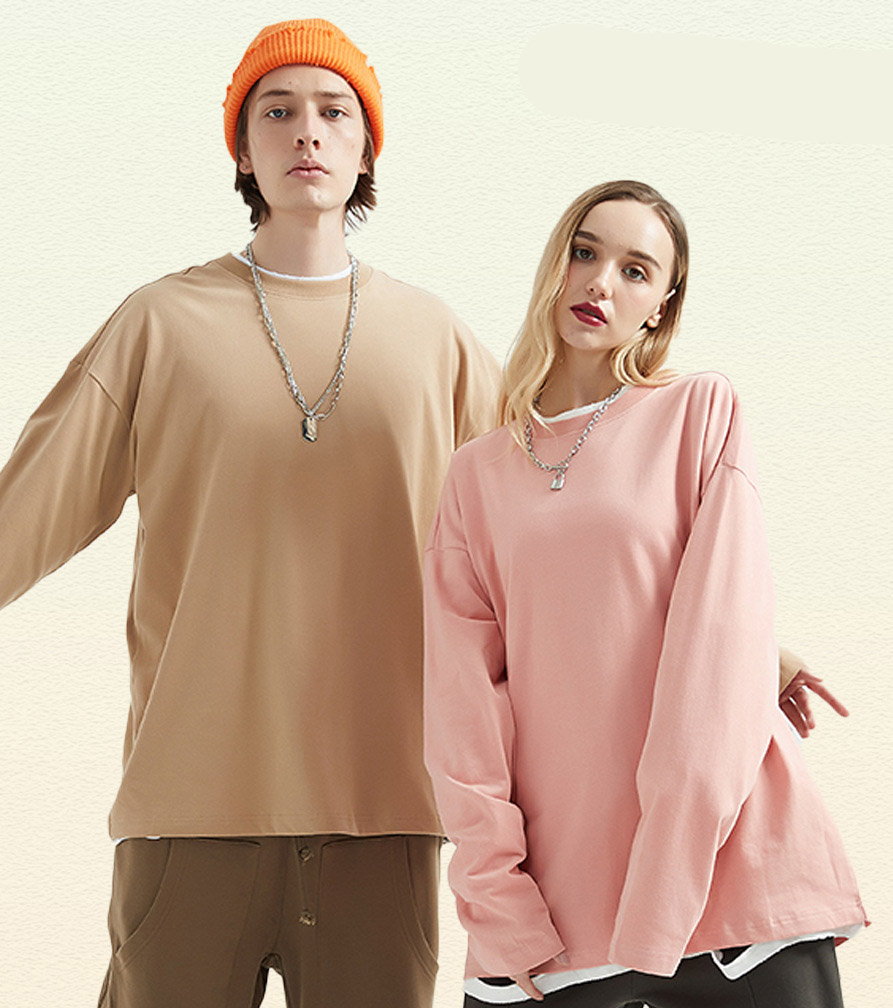
An overlong sleeve extends past the wrist, often covering part of the hand or even reaching the fingertips. Originally inspired by streetwear and avant-garde fashion, this sleeve type offers a nonchalant, cozy, and edgy aesthetic, and is often seen in oversized hoodies, designer knitwear, and runway jackets.
Unlike traditional sleeve lengths, overlong sleeves challenge conventional tailoring to create a deliberate sense of excess and softness in silhouette.
The Role of Overlong Sleeves in Modern Fashion
Design Intent & Aesthetic Impact
Overlong sleeves are designed to evoke a sense of volume, comfort, and relaxed attitude. They’re often found in garments with intentionally oversized or androgynous silhouettes. Designers use them to:
- Soften the angular lines of jackets or coats
- Balance cropped or slim-fitting bottoms
- Create visual drama through fabric pooling at the wrist
- Suggest youthful rebellion or nonconformity
They are especially popular among Gen Z and younger Millennial consumers who embrace fashion as self-expression over tradition.
Technical Considerations in Construction
| Design Element | Notes |
|---|---|
| Sleeve Length | Typically 2–6 inches longer than standard sleeves |
| Cuff Options | Raw edges, thumbholes, ribbed cuffs, or extended bell shapes |
| Shoulder Fit | Dropped or relaxed shoulders to enhance drape |
| Fabric Suggestions | Lightweight knits, cotton fleece, jersey, wool blends |
Important: Poor execution can make the garment look sloppy. Precise cutting and cuff management are essential to maintain fashion-forward appearance.
Fabrication & Comfort Balance
| Fabric Type | Effect |
|---|---|
| Fleece | Casual comfort, often in hoodies or sweatshirts |
| Knitted jersey | Drapes naturally and conforms to body shape |
| Wool blends | Structured yet soft for fashion coats |
| Ribbed knit | Ideal for thumbhole styles or cozy winterwear |
Designers may also reinforce cuffs with hidden elastics or thumb loops to prevent the sleeve from interfering with hand movement, especially in activewear.
Use Cases & Brand Applications
| Application Area | Example Garments |
|---|---|
| Streetwear Brands | Oversized hoodies with ribbed or thumbhole cuffs |
| High-Fashion Labels | Avant-garde coats and layered knitwear |
| Gender-Neutral Apparel | Unstructured silhouettes with extended sleeves |
| Winterwear | Overlong wool coats with dramatic volume |
Cropped Sleeve

What is a Cropped Sleeve and Why Designers Love It?
A cropped sleeve refers to any sleeve that intentionally stops above the elbow or mid-bicep, typically shorter than a half sleeve but longer than a cap sleeve. It offers a clean, modern look while maintaining a touch of coverage—making it a versatile option for warm-weather clothing or minimalist designs.
Fashion brands use cropped sleeves to enhance visual lightness, allowing more room for showcasing accessories like bangles or layered bracelets.
The Appeal and Application of Cropped Sleeves
Functional Aesthetics & Silhouette Design
Cropped sleeves strike a balance between practicality and polish. They allow airflow and arm mobility, making them ideal for summer collections and activewear lines. Their shorter length also elongates the look of the arm, especially when paired with high-waisted bottoms or cropped tops.
From a silhouette standpoint, cropped sleeves can:
- Enhance clean, boxy or minimal lines in modern tailoring
- Add structure to tops with sharp shoulder seams
- Provide contrast to oversized or voluminous body panels
Designers often match cropped sleeves with:
- Boxy blazers
- Cropped jackets
- Fitted tops
- Minimalist T-shirts
Technical Construction Tips
| Design Element | Notes |
|---|---|
| Sleeve Length | Typically ends 3–5 inches below shoulder |
| Sleeve Finish | Clean hem, cuffed, or double-stitched edge |
| Shoulder Fit | Set-in or drop-shoulder options depending on overall cut |
| Common Fabrics | Cotton blends, polyester, linen, jersey knit |
For a high-end finish, adding a subtle cuff or contrast binding can elevate the cropped sleeve’s sophistication.
Fabric Suggestions Based on Style Intention
| Fabric Type | Ideal For |
|---|---|
| Jersey Knit | Casual T-shirts, sporty aesthetics |
| Linen | Warm-weather tailoring, resortwear |
| Stretch Cotton | Fitted blouses or smart-casual tops |
| Poplin | Structured yet breathable cropped-sleeve shirts |
Where Cropped Sleeves Work Best
| Market Segment | Common Garments |
|---|---|
| Women’s Casual Fashion | Boxy T-shirts, short-sleeve jumpsuits |
| Menswear | Cropped-sleeve Cuban shirts, fitted polos |
| Sportswear | Training tops, yoga tees |
| Luxury Minimalist | Designer blouses, architecturally structured tops |
Roll Tab Sleeve

What Is a Roll Tab Sleeve and Why It’s a Staple in Functional Fashion?
A Roll Tab Sleeve is a convertible sleeve style commonly found in casual shirts and utility jackets. It features a fabric tab and button that allow the wearer to roll up the sleeve and secure it in place at a mid-length position—typically around the elbow. This style merges functionality with a relaxed aesthetic, making it popular in both menswear and womenswear.
Often seen in safari-style shirts, field jackets, and travel-friendly garments, roll tab sleeves offer adjustability and a versatile visual look depending on how they’re worn.
Design Intent, Structure & Practical Considerations
Purpose and Practical Use
Roll tab sleeves were originally designed for military and workwear, allowing wearers to adapt to changing temperatures or activities. Today, this feature appeals to consumers seeking multi-season or convertible clothing.
- When rolled down: Full-length sleeve suitable for cooler weather or more formal settings.
- When rolled up: Casual, breathable, and movement-friendly.
The tab mechanism ensures the rolled sleeve doesn’t unroll—a common frustration with basic roll-up designs.
Construction Breakdown
| Design Element | Description |
|---|---|
| Tab Placement | Inside sleeve, 2–3 inches above elbow |
| Tab Length | Typically 3–5 inches with a buttonhole at one end |
| Button Type | Matching or contrast button sewn on outer sleeve seam |
| Finishing Options | Clean rolled hem, double topstitching for durability |
Pro Tip: Tabs can be made in self-fabric for an invisible look, or in contrasting fabric to add a pop of design interest.
Best Fabric Choices for Roll Tab Sleeves
Because this sleeve is designed to be manipulated frequently, it requires fabrics that resist wrinkling and hold shape well when rolled.
| Fabric Type | Characteristics | Best Uses |
|---|---|---|
| Cotton Twill | Durable, slightly structured | Safari jackets, work shirts |
| Tencel | Soft drape, eco-friendly | Women’s blouses, travel tops |
| Chambray | Lightweight denim alternative | Casual shirts |
| Poplin | Crisp and breathable | Button-downs, utility dresses |
Where Roll Tab Sleeves Excel
| Category | Common Applications |
|---|---|
| Outdoor Apparel | Hiking shirts, trail jackets |
| Travel Clothing | Convertible tops, quick-dry shirts |
| Urban Casual | Military-style jackets, rolled-up sleeve blouses |
| Workwear | Utility tops, durable uniforms |
This sleeve is perfect for designs aiming to combine casual style with smart function. It’s a favorite in transitional seasonal collections, offering adaptability without sacrificing aesthetic.
Sleeveless

What Is a Sleeveless Design and Why Is It Timeless?
Sleeveless garments are tops, dresses, or jackets designed without any sleeve extension from the armhole, exposing the shoulder and upper arm entirely. Though technically not a “sleeve,” the sleeveless cut is so central to garment construction that it deserves inclusion in any complete sleeve-type guide.
From tank tops to sheath dresses and evening gowns, sleeveless silhouettes emphasize clean lines, mobility, and breathability. Whether in formal wear or sportswear, the absence of sleeves offers a minimalist aesthetic with maximal impact.
Construction & Style Table
| Feature | Details |
|---|---|
| Armhole Finish | Bias binding, facing, or double-turn hem |
| Neckline Options | Round, crew, halter, square, deep V |
| Seam Consideration | Side seams and shoulder seams are reinforced to support structure |
| Typical Fabrics | Cotton, silk, jersey, rayon, polyester blends |
| Usage Context | Casualwear, officewear, activewear, evening wear |
Anatomy, Aesthetic, and Functionality of Sleeveless Garments
Structural Simplicity, Hidden Complexity
At first glance, a sleeveless garment may seem easier to construct due to the absence of a sleeve. In reality, the challenge lies in perfecting the armhole curve, ensuring that it is neither too tight nor too gaping. The fit must follow the natural curve of the shoulder while allowing ease of movement.
Poor construction may result in:
- Gaping armholes
- Strained shoulder seams
- Visible bra lines or underarm exposure
To solve these issues, designers use bias-bound armholes or add hidden darts to improve contour and support.
Styling Power & Body Framing
Sleeveless designs offer visual balance, especially for garments that emphasize the torso or waist. Depending on neckline and fabric choice, they can suggest:
- Athletic minimalism (e.g., racerback tank tops)
- Feminine elegance (e.g., sleeveless silk gowns)
- Retro charm (e.g., 60s-style shift dresses)
Sleeveless cuts are also widely used in layering strategies—ideal for wearing under cardigans, vests, or blazers.
Functional Advantages
| Advantage | Application Area |
|---|---|
| Enhanced ventilation | Summerwear, resortwear, gym tops |
| Freedom of movement | Sportswear, activewear |
| Arm definition | Fashion pieces focused on silhouette |
| Cost efficiency | Streamlined production in fast fashion |