
 Skip to content
 Graphic hoodies often become the visual center of a streetwear outfit because they combine silhouette, print, and color in one garment. That makes them useful, but it also means the rest of the outfit has to support the hoodie rather than compete with it. Good styling is usually less about adding more elements and more about managing balance.
This page explains how to style graphic hoodies through color coordination, footwear choice, layering, and body proportion. The goal is to show how expressive hoodies work inside real streetwear outfits without creating visual clutter.
Graphic hoodies often function as the focal point because they already contain the strongest visual information in the outfit.
Their print, silhouette, and surface area naturally attract attention first.
That is why streetwear styling around graphic hoodies usually begins with control rather than addition.
Graphic hoodies work as visual anchors because the eye usually reads the printed garment before it reads the supporting pieces around it.
In streetwear, this matters because the outfit often depends on one strong center of attention rather than equal emphasis across every item. A hoodie with a clear front or back graphic can organize the look by giving the outfit an obvious starting point.
Once that anchor is established, pants, outerwear, and footwear can play supporting roles. The best way to judge this is to ask whether the hoodie gives the outfit direction immediately. If it does, the outfit usually feels more resolved.
If it does not, styling often becomes too dependent on extra pieces to create identity.
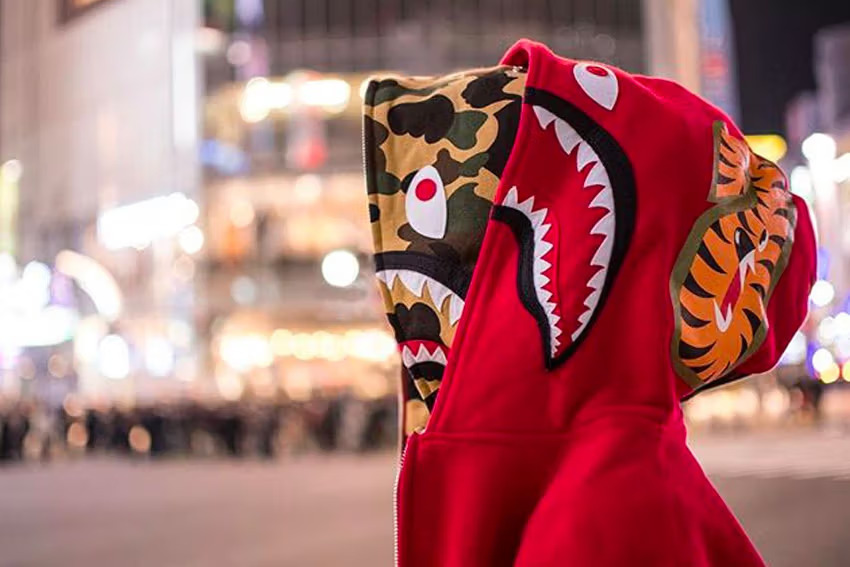
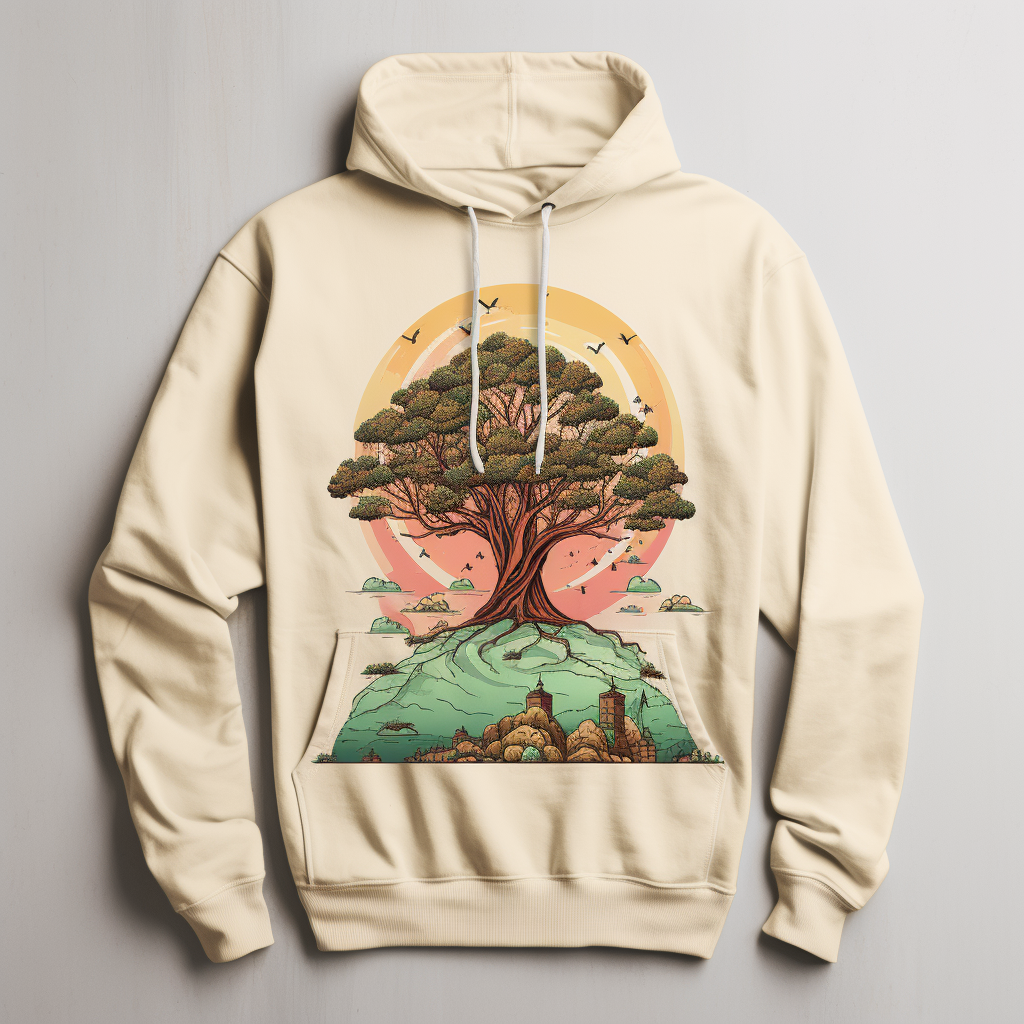
Graphic hoodies simplify expressive outfit design because they reduce how many garments need to carry personality at the same time.
Instead of building visual interest through several separate statement pieces, the wearer can let the hoodie carry most of the expression. This makes outfit construction easier, especially in casual streetwear where comfort and repeatability matter.
A strong hoodie can provide color, symbolism, and texture while the rest of the look remains functionally simple. That approach also fits modern casual wardrobes, where clothing that combines expression with everyday usability tends to perform better over time.
A graphic hoodie is most effective when it allows the outfit to look intentional without requiring constant styling complexity.
Graphic hoodies work best when statement energy is balanced with simpler garments.
If the hoodie already contains bold artwork, text, or color contrast, the surrounding pieces usually benefit from being quieter. This does not mean the outfit has to be plain. It means the hoodie should remain the clearest message in the system.
Straight-leg pants, neutral cargos, clean denim, or simple outerwear often help the hoodie stay readable. When several items try to dominate at once, the outfit loses visual hierarchy and feels less controlled.
The strongest judgment standard is whether the graphic still leads after shoes, pants, and layers are added. If the answer is yes, the styling is usually more stable and easier to wear.

Color coordination matters because graphic hoodies already introduce strong visual information.
The rest of the outfit has to either support that color language or stay neutral enough not to interrupt it.
Good coordination usually creates clarity, while poor coordination creates competition.
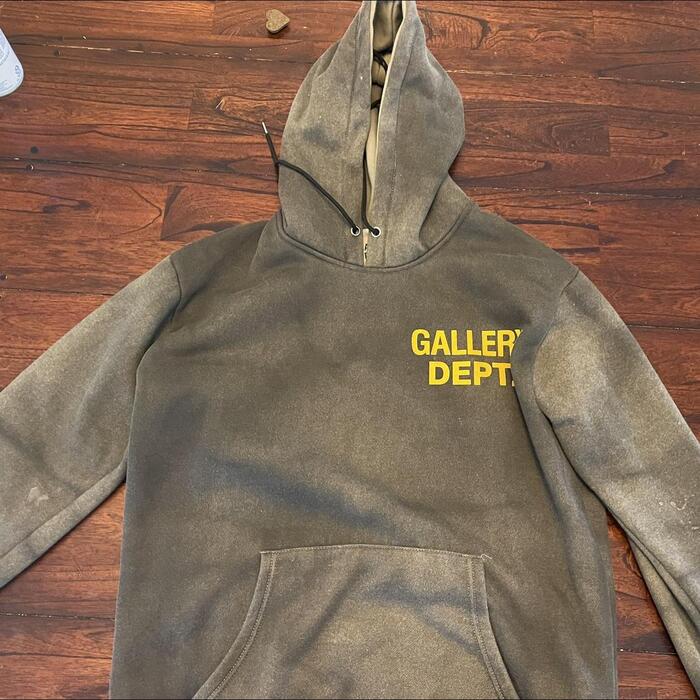
Neutral garments support graphic hoodies because they give the print space to remain visible without adding unnecessary color pressure.
Black, gray, off-white, navy, olive, and washed denim usually work well because they stabilize the outfit around the hoodie rather than challenging it. This is especially useful when the graphic already includes several tones or high contrast.
Neutral pants and outerwear help the hoodie feel like the intended focal point while preserving wearability across casual settings. The correct judgment is not whether every supporting piece is colorless, but whether those pieces let the hoodie remain legible.
In most cases, a strong graphic hoodie becomes easier to style when the surrounding garments reduce visual noise instead of increasing it.
Complementary colors can improve graphic hoodie outfits when they reinforce the print rather than overpower it.
This usually works best when one supporting color echoes a secondary tone already present in the hoodie graphic. For example, if the print contains muted blue or earthy red, repeating that tone subtly in the pants, cap, or sneakers can create stronger cohesion. The key is restraint.
Complementary color works when it feels connected to the hoodie’s internal palette rather than added from outside. A good outfit does not need exact matching. It needs visible relationship. The best way to judge this is to ask whether the repeated color makes the hoodie look more intentional.
If it does, the coordination is helping. If it competes for equal attention, it is too aggressive.
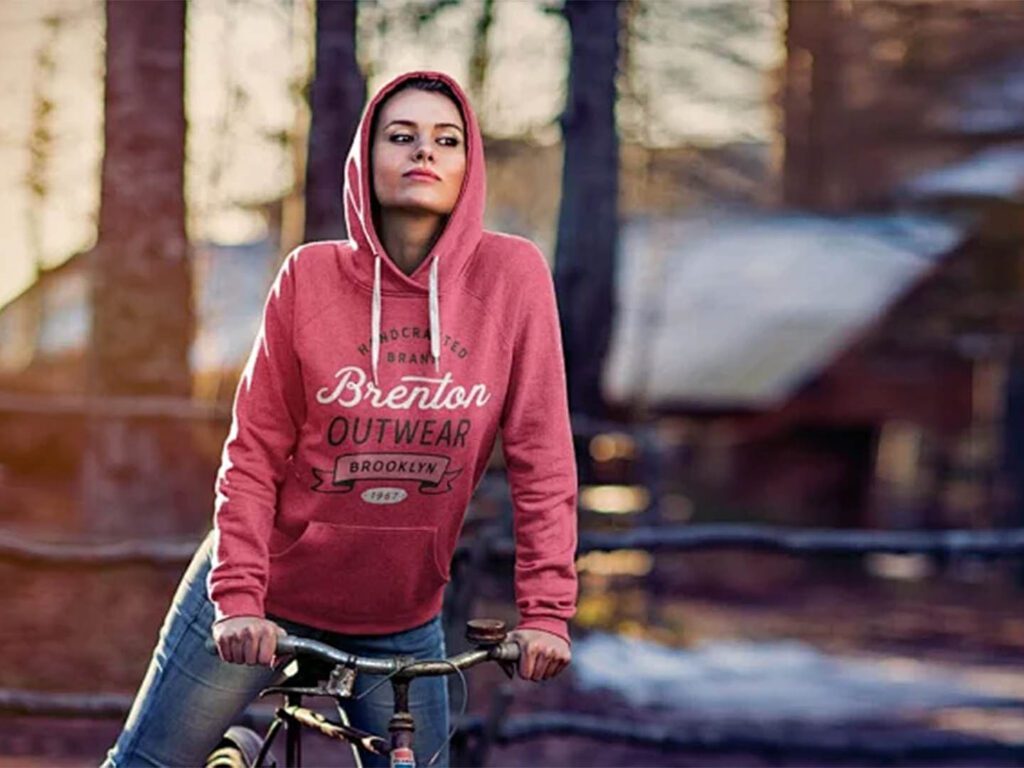
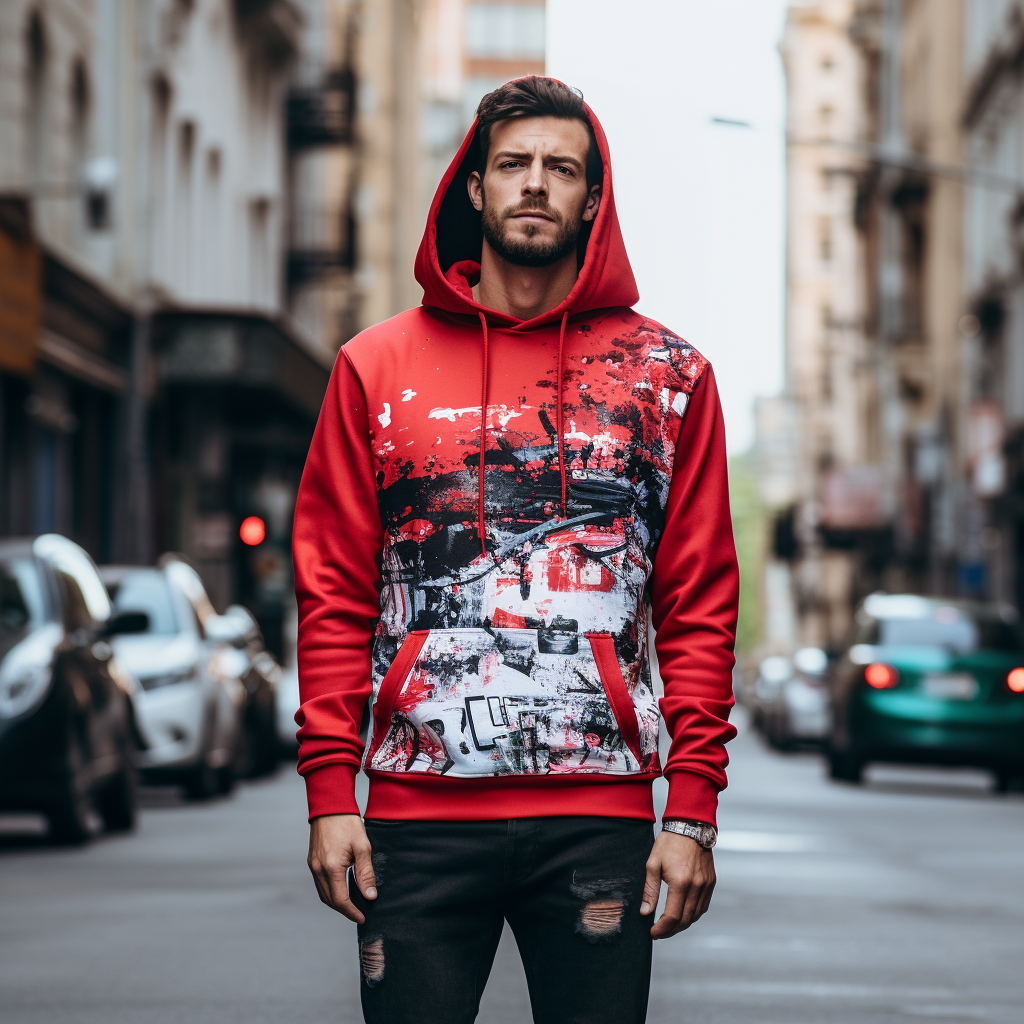
Graphic hoodie outfits become unstable when too many strong colors compete across different garments.
A hoodie graphic already introduces contrast, shape, and message, so adding several unrelated bright tones often makes the outfit harder to read. This is especially common when shoes, outerwear, and accessories all try to act as statement pieces at once.
Strong streetwear does not always mean loud from every angle. It often means clear visual hierarchy. Color competition can be reduced by limiting the outfit to one dominant expressive color system and letting the rest remain controlled.
The correct judgment is whether the eye knows where to go first. If color pulls attention in several directions equally, the outfit usually needs simplification.
Footwear matters because shoes help complete the outfit’s visual weight and direction.
A graphic hoodie can define the upper half of the look, but the outfit still needs the right base.
In streetwear, shoes often either reinforce the hoodie’s energy or calm it down.
Sneakers are the most natural pairing for graphic hoodies because both belong to the same casual and streetwear visual system.
Sneakers support relaxed movement, everyday use, and visible design without creating formal tension. This makes them the easiest footwear choice when the hoodie already carries strong identity. Clean low-tops, retro runners, skate shoes, and basketball-inspired sneakers can all work, depending on the hoodie’s scale and mood.
The important point is that the shoes should fit the hoodie’s level of visual force. A balanced sneaker choice helps the outfit feel coherent from top to bottom.
In most streetwear systems, sneakers work because they extend the language of the hoodie instead of interrupting it with another dress code.
Chunky sneakers work well with graphic hoodies when the outfit aims for stronger streetwear presence and broader silhouette weight.
Their bulk helps balance oversized hoodies, wider pants, and bold graphics by giving the outfit a visually stable foundation. This is especially useful when the hoodie is large in scale or when the print has strong visual force.
The risk is overloading the outfit if the shoes are also highly colorful or heavily designed. Chunky footwear works best when its shape carries the emphasis more than its surface detail.
The correct judgment is whether the shoes support the hoodie’s silhouette. If they do, the outfit feels grounded. If they compete with the print too directly, the look becomes crowded.
Minimal footwear helps balance graphic hoodie outfits because it reduces competition at ground level and keeps attention on the garment.
Simple sneakers, tonal slip-ons, and clean low-profile shoes are especially useful when the hoodie graphic is already loud or when the outfit includes multiple layers. Minimal footwear does not make the outfit less streetwear.
It usually makes the visual hierarchy clearer. This approach works well for wearers who want the hoodie to remain the main expressive piece while everything else supports it quietly. The correct judgment is whether the shoes complete the outfit without asking for equal attention.
When a graphic hoodie is strong enough on its own, minimal footwear often creates a more stable overall result.

Layering matters because hoodies often sit between a base layer and an outer layer in real streetwear outfits.
A graphic hoodie should remain readable enough to matter, even when partly covered.
Good layering keeps both the silhouette and the graphic clear.
Graphic hoodies work well under lightweight jackets because this combination keeps the outfit flexible while preserving streetwear identity.
Denim jackets, bombers, overshirts, and light workwear pieces often pair well with hoodies because they add structure without burying the garment completely.
In these combinations, the hoodie still contributes through the hood shape, front panel, and visible hem. This makes the outfit feel layered but not overloaded. The correct judgment is whether the jacket frames the hoodie rather than crushing it.
If the hoodie remains visible enough to read as part of the outfit’s message, the layering is working. Lightweight jackets are especially effective when the hoodie graphic is moderate in scale and the colors stay coordinated.
Graphic hoodies can work under coats or overshirts when the surrounding proportions stay controlled. A coat adds structure and length, while the hoodie adds softness and visual identity.
An overshirt often creates a lighter version of the same system. Both combinations are useful because they let the hoodie remain casual while extending the outfit into colder weather or more layered silhouettes. The key is compatibility of volume.
A bulky hoodie under a narrow coat often feels forced, and a very long coat over a small hoodie can flatten the upper-body balance.
The correct judgment is whether the hoodie still contributes shape and expression inside the layered system rather than becoming compressed or visually lost.
Graphic visibility matters in layered outfits because the hoodie should still play a clear role once outerwear is added.
If the jacket or coat covers every meaningful part of the design, the hoodie stops functioning as the expressive center and becomes only a comfort layer. That may be acceptable in some cases, but it changes the styling logic.
Maintaining visibility does not always require showing the full print. Sometimes a partial front graphic, a hood outline, or a visible hem is enough to preserve the hoodie’s identity.
The correct judgment is whether the outfit still reads the hoodie as intentional. Good layering lets the graphic remain present, even when the outerwear takes over some of the surface area.
Graphic hoodies make styling easier because they reduce how many decisions the rest of the outfit needs to solve.
Once the hoodie establishes tone and focus, other garments can stay straightforward.
This is one reason graphic hoodies remain practical in everyday streetwear dressing.
Letting the graphic hoodie lead the outfit is often the most efficient styling decision.
When the hoodie already carries the strongest visual message, forcing other garments to compete usually weakens the overall look. Instead, the outfit becomes more coherent when the hoodie defines mood, color direction, and visual emphasis.
This makes styling faster and more stable, especially in daily wear where comfort and repeatability matter. The best way to apply this principle is to choose supporting pieces that reinforce the hoodie’s silhouette and palette without introducing new visual arguments.
A strong graphic hoodie can carry the outfit successfully when the rest of the clothing is allowed to remain purposeful but restrained.
Keeping other garments visually simple helps preserve clarity in a graphic hoodie outfit. Simple does not mean dull.
It means that pants, layers, and accessories should contribute shape and function without adding unnecessary messages. Solid-color cargos, washed denim, straight trousers, plain caps, or minimal sneakers often work because they strengthen the outfit’s structure without interrupting the hoodie.
This approach is especially useful when the graphic includes multiple colors, large typography, or strong illustration. The correct judgment is whether the rest of the outfit helps the hoodie read more clearly. If supporting garments begin to demand separate attention, the styling is losing efficiency.
Simplicity around the hoodie usually increases both visual balance and repeat wear potential.
Building the outfit around a single expressive piece usually creates stronger results than spreading expression evenly across every item.
In graphic hoodie styling, that single expressive piece is often the hoodie itself. Once it is chosen, the rest of the outfit can be built according to silhouette, temperature, and color support instead of additional statement value. This reduces decision fatigue and makes the outfit easier to wear in real life. It also aligns with practical casual dressing, where clothing that solves multiple style needs at once tends to stay useful longer.
A graphic hoodie works best in this role when its design is strong enough to lead but controlled enough to remain wearable across different combinations.
Silhouette matters because a graphic hoodie is not only a print surface.
It is also a volumetric garment that changes body proportion inside the outfit.
Good styling depends on how the hoodie’s width, length, and drape interact with the wearer’s shape and the rest of the clothing.
Relaxed silhouettes work well for most body shapes because they provide enough room for comfort and layering without becoming overly extreme.
In graphic hoodies, this matters because the garment needs a stable enough surface for the print while still feeling easy to wear. A relaxed fit usually allows the hoodie to look intentional on a wide range of builds, which makes it one of the safest and most adaptable streetwear options.
It also supports natural movement and repeat wear, both of which are important in everyday urban clothing. The correct judgment is whether the hoodie hangs with controlled ease rather than clinging or collapsing.
A balanced relaxed fit usually makes styling easier because it reduces proportion problems from the start.
Oversized hoodies work in streetwear when the volume is distributed intentionally.
That usually means broader shoulders, wider sleeves, and a looser body that still holds a readable shape. Oversized styling becomes effective when the rest of the outfit accounts for that volume, especially through pants width and footwear weight. If the lower half is too narrow or too visually weak, the outfit can become top-heavy.
The correct judgment is not whether the hoodie is large, but whether the size feels designed. Good oversized proportion gives the graphic more visual field and strengthens streetwear presence.
Poor oversized proportion often looks accidental because the garment expands without maintaining balance across the full outfit.
Balanced garment length is one of the most important proportion decisions in graphic hoodie styling. If the hoodie is too long, it can pull the outfit downward and reduce silhouette clarity.
If it is too short relative to its width, it can feel unresolved unless the shape is intentionally boxy. Length also affects how the graphic sits on the torso and how the hoodie layers under outerwear. In streetwear outfits, the ideal length is usually one that supports the hoodie’s width and keeps the body visually stable.
The correct judgment is whether the hoodie connects cleanly to the pants line and footwear base. Strong styling usually depends on that vertical balance more than on trend alone.
Graphic hoodies need styling restraint because the garment already contains a strong visual message.
When too many other items compete for attention, the outfit becomes harder to read.
Good streetwear balance depends on hierarchy, not constant visual accumulation.
Limiting multiple statement pieces is one of the clearest ways to keep a graphic hoodie outfit controlled.
If the hoodie already includes bold artwork, oversized typography, or strong color contrast, adding equally loud pants, shoes, or outerwear often creates unnecessary competition. This does not mean all other garments must be plain, but they should not challenge the hoodie for the lead role.
A useful styling rule is that the more expressive the hoodie is, the more measured the surrounding pieces should become. The correct judgment is whether the outfit still has one obvious center of gravity.
If every item feels like a separate statement, the look usually becomes fragmented rather than stronger.
Visual hierarchy matters because the eye needs a clear path through the outfit. In a graphic hoodie look, that path usually begins with the hoodie, then moves to silhouette, then to footwear and smaller details.
When hierarchy is strong, the outfit feels intentional even if the garments themselves are casual. When hierarchy collapses, the look feels noisy or unresolved. This is why color control, fit balance, and supporting garment simplicity matter so much in graphic hoodie styling.
The correct judgment is whether the hoodie still defines the outfit after the full combination is assembled. If it does, hierarchy is working.
If it disappears into visual clutter, the outfit needs subtraction rather than more detail.
Allowing the graphic to remain the focal point is usually the safest way to style a graphic hoodie well.
The print is already performing the main expressive function, so the outfit benefits when everything else helps preserve that role. This can be done through neutral pants, clean shoes, restrained layering, and proportion that frames the hoodie rather than distorts it.
The goal is not to make the rest invisible. The goal is to make the hoodie readable. A good outfit lets the graphic hold attention naturally, without needing constant reinforcement.
The strongest judgment standard is simple: if the viewer can immediately understand what the hoodie is contributing, the outfit is likely balanced.
Graphic hoodie styling becomes difficult when the design, colors, or surrounding silhouettes stop cooperating.
Most problems come from imbalance rather than from the hoodie category itself.
Recognizing these failure points helps prevent predictable outfit mistakes.
Overly busy graphic designs make styling harder because they already carry too much visual information before the rest of the outfit even begins.
Complex illustrations, dense text, multiple color blocks, and several focal zones can reduce the hoodie’s flexibility. When the hoodie is visually crowded, supporting pieces have to become even quieter to avoid overload.
This limits outfit options and makes layering more difficult. The correct judgment is whether the hoodie still leaves room for other garments to exist without conflict. If the design already feels like a complete visual event by itself, styling usually becomes less adaptable.
A good graphic hoodie can be expressive, but it should still allow the rest of the outfit to stay coherent.
Conflicting colors are one of the fastest ways to weaken a graphic hoodie outfit. The problem usually appears when the hoodie contains one palette and the supporting garments introduce another with no visible relationship.
This can happen through bright sneakers, saturated outerwear, or multiple accessories that do not echo the hoodie’s graphic tones. The result is not always bold in a productive way. Often it simply looks unresolved.
The correct judgment is whether the outfit’s colors feel connected through neutrality, repetition, or controlled contrast. If the palette seems accidental, the styling is weak. Graphic hoodies usually perform better when the color system is narrow enough that the print can stay central.
Incompatible silhouettes create styling problems because the hoodie’s shape must relate clearly to the rest of the outfit.
A wide oversized hoodie with very slim pants and visually light shoes can feel top-heavy. A small standard-fit hoodie under bulky outerwear and wide pants can disappear. The issue is not that certain pairings are forbidden. It is that proportion has to make visual sense.
The correct judgment is whether the hoodie’s volume connects to the lower half and outer layers in a stable way. Streetwear outfits work best when upper-body and lower-body weight feel intentionally distributed.
When that relationship breaks down, the outfit becomes harder to read no matter how good the individual pieces are.
A strong graphic hoodie outfit can be judged through visibility, color, silhouette, and footwear in sequence.
This creates a more reliable standard than relying on taste alone.
Good styling usually becomes clear when each of those areas supports the same visual hierarchy.
1.Graphic visibility balance check
2.Color harmony check
3.Silhouette and proportion check
4.Footwear compatibility check
Graphic hoodies usually work best as the main focal point in a streetwear outfit.
The easiest styling strategy is to let the hoodie lead and keep other garments visually simpler.
Neutral colors usually support graphic hoodies best, while complementary tones can work when used with restraint.
Sneakers are the most natural footwear pairing because they match the hoodie’s casual streetwear language.
Good layering keeps the hoodie visible enough to matter, even under jackets or coats.
Strong styling depends on proportion: hoodie width, length, pants shape, and footwear weight should feel connected.
Most outfit problems come from too many statement pieces, color conflict, or silhouette mismatch.
A reliable evaluation framework checks graphic visibility, color harmony, silhouette balance, and footwear compatibility.
We’ll get back to you within 24 hours. Attach your logo/design if needed.
💡 1 . Share your logo, fabric, and quantity for T-shirts, hoodies, and more.
📐 2. We’ll prepare samples for your approval.
🚚 3. Bulk production starts after deposit.
✅ We value your privacy. Your information is 100% safe and confidential.
📦 Need help? Chat with us via WhatsApp anytime!
Note: Your email information will be kept strictly confidential.
Note: Your email information will be kept strictly confidential.
Request a quote, discuss MOQ, lead time, fabrics & QC.
Visit our brand store: Modaknitswear
Retail orders (and dropshipping options) are available on Modaknitswear.