For apparel brands, finding reliable manufacturers is crucial. However, choosing an unsuitable platform or untrustworthy supplier can lead to quality issues1, delayed deliveries, and substantial financial losses—potentially harming your brand’s reputation and profitability.
Alibaba is a powerful platform for finding apparel manufacturers2, offering an extensive supplier network, competitive pricing, and convenience. However, success requires thorough supplier vetting3, strategic use of Alibaba’s buyer protections4, and clear communication to mitigate risks such as inconsistent quality and supplier fraud.
As founder and CEO of Modaknits, I’ve leveraged Alibaba extensively to source apparel. Today, I’ll share detailed insights and best practices to help you confidently use Alibaba to connect with reliable manufacturers.
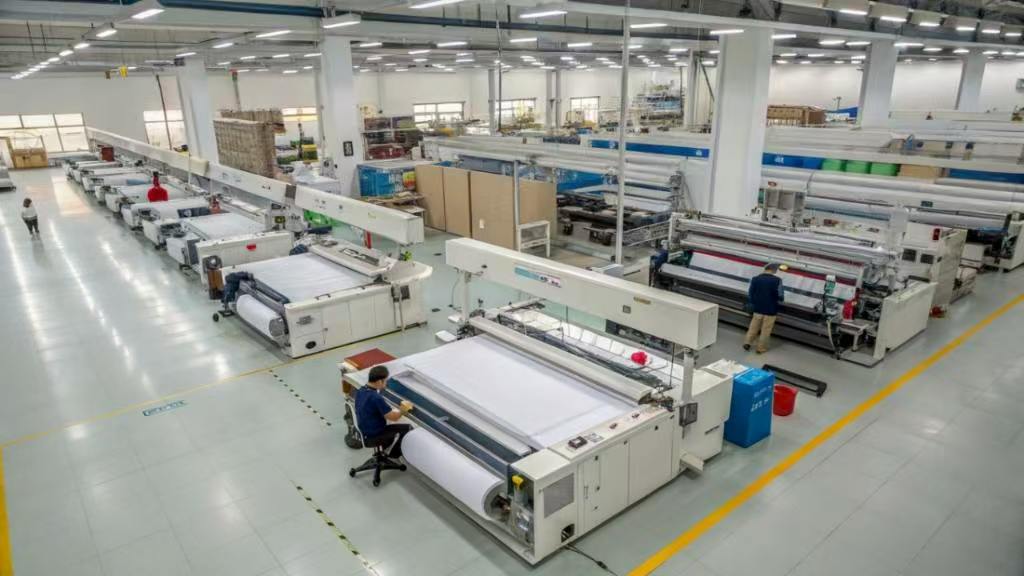
Modern Textile Factory
Why Do Many Brands Use Alibaba to Find Apparel Manufacturers?
Alibaba has become a primary sourcing tool for global brands seeking apparel manufacturers due to its massive supplier base, user-friendly tools, and comprehensive protections for buyers.
Brands prefer Alibaba because it provides easy access to thousands of verified apparel manufacturers globally, convenient communication tools, transparent pricing structures, and payment protection through its Trade Assurance5 program. This comprehensive platform significantly streamlines the global apparel sourcing process.
How Does Alibaba Connect Global Buyers with Apparel Manufacturers?
Alibaba efficiently connects global buyers with apparel manufacturers through:
- A vast database of apparel suppliers categorized by specialization.
- Effective search filters (product type, supplier verification, and certifications).
- Integrated messaging and video conferencing tools for easy communication.
- Trade Assurance services offering secure payment options and transaction protection.
These features simplify sourcing apparel internationally by providing secure, efficient, and transparent interactions.
What Types of Apparel Suppliers Can Be Found on Alibaba?
Alibaba hosts diverse apparel manufacturers, including:
- OEM Suppliers: Factories producing customized clothing according to your designs.
- ODM Suppliers: Manufacturers offering design, fabric sourcing, and full-package services.
- Trading Companies: Suppliers offering smaller quantities, suitable for small or startup brands.
- Specialized Factories: Providers specializing in niche markets, such as activewear, sustainable apparel, or technical clothing.
What Are the Pros and Cons of Sourcing Apparel Manufacturers on Alibaba?
While Alibaba has considerable advantages, there are certain risks that brands must carefully manage.
The advantages include access to a wide range of verified suppliers, competitive pricing, and convenience. However, potential challenges involve quality inconsistency, potential scams, communication difficulties, and delivery delays.
What Advantages Does Alibaba Offer for Price, Variety, and Convenience?
Key benefits Alibaba provides include:
| Advantage | Explanation |
|---|---|
| Cost Efficiency | Direct factory sourcing reduces costs and avoids middlemen markups |
| Wide Supplier Variety | Access to thousands of global suppliers across apparel categories |
| Convenience | Easy-to-use platform with built-in communication and order tools |
| Payment Security | Trade Assurance protects transactions, offering buyer peace of mind |
These advantages simplify global sourcing and help brands quickly find suitable manufacturers.
What Risks Exist with Quality Control, Scams, and Communication Issues?
Potential risks to manage when sourcing via Alibaba include:
- Quality Issues: Suppliers may deliver inconsistent quality if not properly vetted.
- Scams and Fraud: Unverified suppliers may be fraudulent, leading to financial loss.
- Communication Barriers: Language differences and unclear expectations can cause costly misunderstandings.
- Shipping and Delays: Improper logistics management may cause delayed shipments, impacting brand timelines.
Clearly understanding these risks helps brands implement necessary precautions for safer sourcing.
How Can Buyers Vet and Select Reliable Apparel Manufacturers on Alibaba?
Vetting suppliers effectively is critical for mitigating sourcing risks and ensuring consistent quality.
Buyers should carefully verify supplier credentials, thoroughly review feedback from previous customers, utilize Alibaba’s Trade Assurance, request samples before bulk orders, and consider third-party audits to verify quality and reliability comprehensively.

What Are the Best Practices for Checking Supplier Credentials and Reviews?
Effective practices for vetting include:
- Supplier Verification: Prioritize “Verified Suppliers” who have undergone Alibaba’s factory audit.
- Supplier History: Review detailed profiles including production capacity, product lines, and previous customer references.
- Client Feedback: Analyze ratings, reviews, and testimonials from other buyers.
- Third-party Certifications: Confirm ISO, WRAP, OEKO-TEX®, and BSCI certifications to ensure compliance with international standards.
How Should You Use Trade Assurance and Request Samples for Quality Verification?
Further verify quality and reliability by:
- Utilizing Trade Assurance: Protect your investment, ensuring refunds if products don’t match agreed standards or timelines.
- Requesting Samples: Always evaluate initial samples before bulk orders to confirm the supplier’s production quality, responsiveness, and capability.
What Steps Should Brands Take When Working with Apparel Manufacturers on Alibaba?
Working with Alibaba suppliers requires clear processes around negotiation, contract drafting, communication, and logistics management.
Essential steps include negotiating clear terms for pricing, MOQs, and delivery timelines, utilizing Trade Assurance, carefully reviewing contract terms, and ensuring secure payment and shipping methods to safeguard against transaction risks.
How Do You Negotiate Pricing, MOQs, and Contract Terms Safely?
Ensure successful negotiations by:
| Negotiation Area | Recommended Best Practices |
|---|---|
| Pricing | Clearly discuss detailed pricing structures, including costs and inclusions |
| Minimum Order Quantities | Negotiate manageable MOQs suitable for your brand’s scale |
| Contractual Terms | Draft detailed contracts specifying product quality, delivery timelines, penalties, and dispute resolutions |
What Payment and Shipping Protections Does Alibaba Provide?
Alibaba offers substantial protections, including:
- Trade Assurance: Covers buyers against supplier defaults, quality discrepancies, and shipping delays.
- Secure Payment Options: Includes Escrow, credit cards, and PayPal, protecting funds until delivery is confirmed.
- Reliable Shipping Partners: Provides access to Alibaba-approved logistics services, ensuring transparent tracking and timely deliveries.
Are There Alternatives to Alibaba for Finding Apparel Manufacturers?
While Alibaba is popular, brands may seek alternative platforms and methods for different supplier experiences or enhanced reliability.
Alternative sourcing methods include other online marketplaces, attending industry trade shows, leveraging professional networks, or engaging sourcing agents. Each offers unique advantages depending on a brand’s priorities.

What Other Online Platforms and Sourcing Methods Are Available?
Key alternatives to Alibaba include:
- Global Sources: Known for verified suppliers, beneficial for quality-focused brands.
- Made-in-China.com: Connects specifically to Chinese factories, ideal for large-scale sourcing.
- Vietnam Export: Reliable for verified Vietnamese suppliers, beneficial for sports apparel.
- IndiaMART: Offers extensive access to Indian suppliers, suitable for handcrafted and sustainable apparel.
- ThomasNet: US-based, offering domestic sourcing for North American brands.
How Do Trade Shows and Industry Networks Compare to Alibaba Sourcing?
Comparing Alibaba with alternatives highlights clear pros and cons:
| Sourcing Method | Advantages | Disadvantages |
|---|---|---|
| Alibaba | Wide variety, competitive pricing, convenience | Risks of inconsistent quality, scams |
| Trade Shows | Face-to-face interactions, direct quality assessment | Higher costs, limited frequency |
| Industry Networks | Trustworthy, personalized recommendations | Limited supplier diversity |
| Sourcing Agents | Professional vetting, reduced risk | Additional costs, less direct control |
Trade shows and professional networks offer direct evaluation, relationship-building opportunities, and greater trust, but typically at higher costs and reduced convenience compared to Alibaba’s accessibility and variety.
Conclusion
Alibaba is an effective sourcing platform for apparel manufacturers if brands thoroughly vet suppliers, strategically leverage buyer protections like Trade Assurance, and follow clear negotiation and quality verification practices. Complementing Alibaba sourcing with alternatives such as trade shows or professional networks can further mitigate risks and ensure long-term, reliable partnerships for sustainable brand success.
-
Identifying potential quality issues can help you take proactive measures in your sourcing strategy. ↩
-
Explore this link to discover various platforms that can help you find trustworthy apparel manufacturers. ↩
-
Learn effective supplier vetting techniques to ensure quality and reliability in your sourcing process. ↩
-
Understanding buyer protections can safeguard your investments and enhance your sourcing experience. ↩
-
Discover how Trade Assurance can protect your transactions and ensure quality delivery. ↩