Starting a clothing brand once meant spending thousands on stock and praying it would sell. Today, you can bring your vision to life without ever handling inventory. Thanks to print-on-demand1, dropshipping2, and local on-demand production3, creative entrepreneurs can launch, learn, and scale quickly. This expanded guide takes you step by step through every major decision, sharing proven methods and real tips for building a profitable, risk-free apparel brand—no matter your experience level.
You don’t need a warehouse or deep pockets. By leveraging print-on-demand, dropshipping, and trusted “clothing apparel manufacturers near me4,” you can launch fast, keep costs down, and focus on growing your audience. The future of fashion is flexible, local, and digital—and that means anyone can get started with the right plan.
Over the past decade, I’ve seen hundreds of brands go from idea to bestsellers by starting lean and scaling smart. This approach isn’t just for beginners—it’s how modern brands stay agile, minimize waste, and build loyal communities. If you want to start strong, avoid costly mistakes, and grow at your own pace, read on.
What Are the Main Business Models for Starting a Clothing Brand Without Inventory?
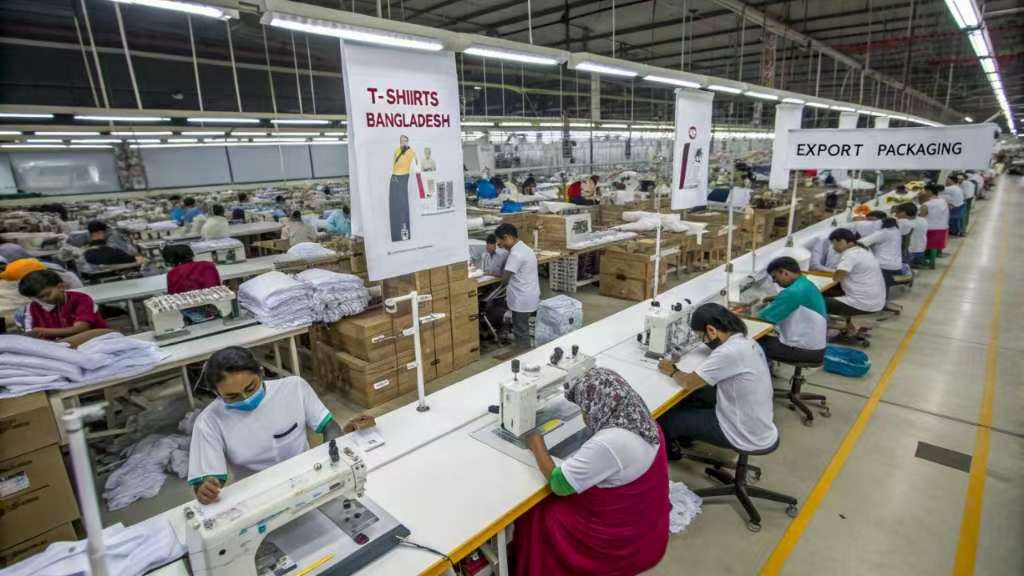
Bangladesh Garment Factory
Let’s break down the three models—each with unique benefits for new and scaling brands.
How Does Print-on-Demand Work for Aspiring Clothing Brand Owners?
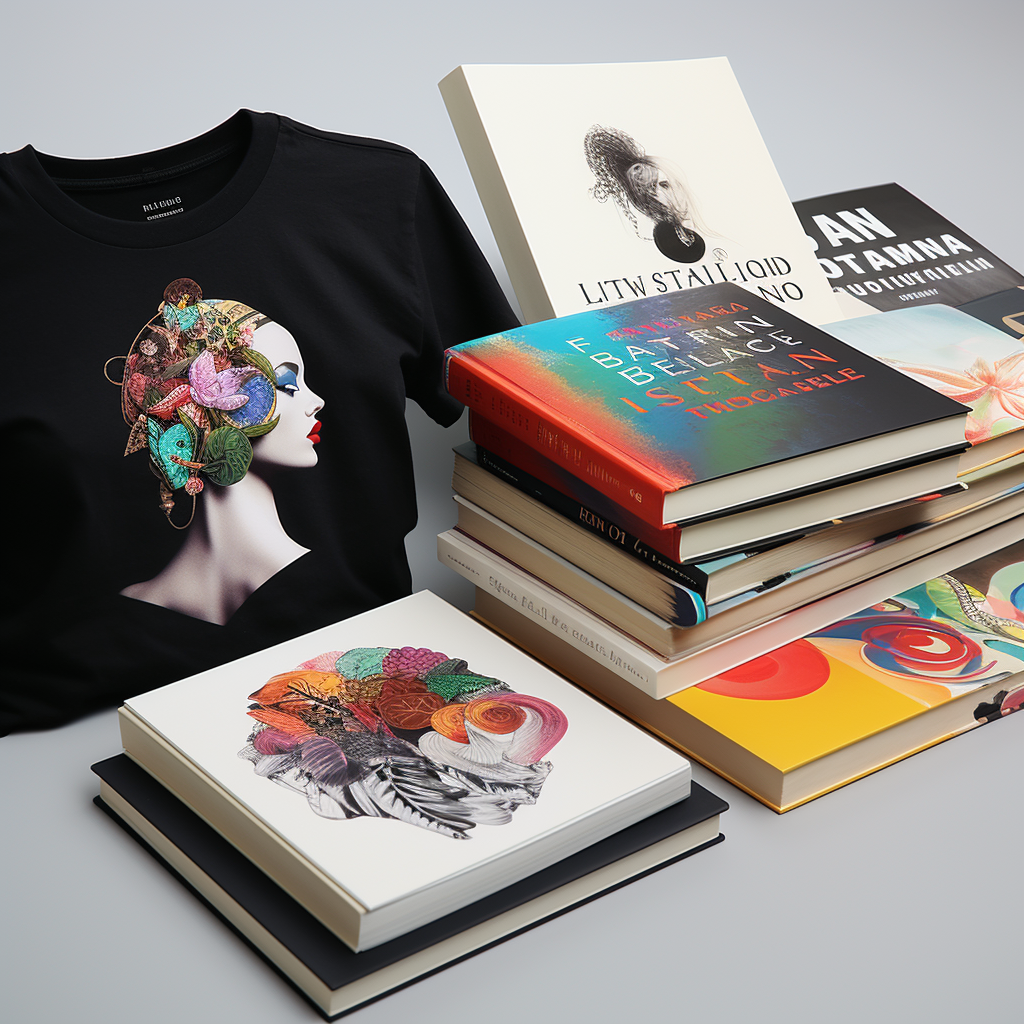
Print-on-demand (POD) is the fastest and easiest route to launch. Upload your designs to a POD provider (like Printful, Printify, Gelato, or local platforms), set up your store (Shopify, WooCommerce, Etsy), and let the platform handle production and shipping.
- Example: You design a unique graphic tee. A customer buys it on your website. The POD provider prints and ships it directly, so you never touch the product.
- Tip: Order samples from multiple POD partners. Test print quality, wash durability, and fabric feel to ensure customer satisfaction.
Best for:
- Designers and artists
- Niche, trend-driven brands
- Limited-edition collections
- Influencers wanting to monetize their audience
What Is Dropshipping and How Can It Help Launch a Brand with Minimal Investment?
With dropshipping, you sell items online, but a third-party supplier makes and ships them to the customer. You don’t handle inventory or logistics.
- Example: You list leggings, hoodies, or hats on your Shopify store. When an order comes in, your dropshipping partner fulfills it automatically.
- Tip: Prioritize suppliers with warehouses in your region for faster shipping and better customer reviews.
Best for:
- Broad product offerings
- Accessories and basics
- New brands with little upfront cash
- Quickly testing demand across styles
Quick Comparison—No Inventory Models
| Model | Upfront Cost | Customization | Branding Control | Speed to Launch | Scalability |
|---|---|---|---|---|---|
| Print-on-Demand | Very Low | Medium–High | Medium | Fast | High |
| Dropshipping | Very Low | Low | Low | Fast | High |
| Local On-Demand | Low–Medium | High | High | Fast | High (with trust) |
How Can You Partner with Clothing Apparel Manufacturers Near Me for On-Demand Production?
Partnering with local manufacturers unlocks speed, flexibility, and personal connections—powerful advantages for small brands.
What Should You Look for When Sourcing Local On-Demand Manufacturers?
- Low MOQs: Start with as little as 10–50 units per style.
- Customization: Ability to offer private labeling, custom tags, embroidery, and premium packaging.
- Rapid Sampling: Fast sample turnaround (often 1–2 weeks), so you can test and iterate quickly.
- Eco-friendly options: Many local makers now offer organic, recycled, or sustainable fabrics5.
- Clear communication: Look for factories that reply quickly, answer questions in detail, and welcome brand visits.
Questions to Ask Your Local Manufacturer
- Can you show me samples of similar work?
- What is your average lead time for small runs?
- Can you handle fulfillment or dropshipping for my brand?
- Do you offer rush production or expedited shipping?
- What are your payment terms for new clients?
How Can “Clothing Apparel Manufacturers Near Me” Enable Faster Delivery and Customization?
- Same-week restocks: Run out of a bestseller? Local partners can turn around small orders in days.
- Easy in-person visits: Approve samples, solve problems, and brainstorm with your supplier face-to-face.
- Unique custom runs: Launch event-based, seasonal, or limited-edition collections on your schedule.
- Stronger brand story: Customers connect with “locally made” brands and love supporting small businesses in their area.
Local vs. Overseas Fulfillment
| Feature | Local Manufacturer | Overseas POD/Dropship |
|---|---|---|
| Sample turnaround | 7–14 days | 21–45 days |
| Communication | Direct, often in-person | Email only, time-zone lag |
| Customization | High (labels, trims, fabric) | Limited (prints, colors) |
| Order flexibility | Low MOQ, custom splits | MOQ often required |
| Marketing value | Local story, community | Generic, less personal |
What Are the Pros and Cons of Starting a Clothing Brand Without Inventory?
No-inventory is a smart launchpad, but you must plan for scale and customer experience.
How Does No-Inventory Reduce Financial Risk and Upfront Costs?
- Minimal startup capital: Most brands launch for less than $500—sometimes under $100!
- Zero warehousing: No storage costs, no unsold “deadstock,” no lost money on trends that flop.
- Freedom to pivot: If a style or slogan isn’t selling, update or remove it instantly—no costly leftovers.
Example:
A Miami streetwear brand started with 10 local print-on-demand tees. When two designs sold out, they used profits to create an eco-friendly capsule with a local cut-and-sew partner.
What Challenges Do Brands Face with Quality Control and Order Fulfillment?
- Quality issues: Not every POD or dropship supplier uses premium blanks or careful QC.
- Slow fulfillment: Overseas suppliers may take 2–6 weeks to deliver, hurting customer satisfaction.
- Fit and sizing: You may not control patterns or fabrics in standard POD/dropshipping models.
How to fix it:
- Always order samples before launch
- Choose local partners for your core products
- Be transparent with customers about shipping times and policies

How Do You Build a Brand and Manage Operations with No Inventory?
With less cash tied up in stock, you can invest in what really matters: your brand, customer experience, and growth systems.
What Tools and Platforms Make it Easy to Launch and Automate Sales?
- Shopify/WooCommerce/Wix: Plug-and-play e-commerce with built-in integrations for POD and dropshipping.
- Printful/Printify/Gelato: Direct integrations with your webstore for seamless order handling.
- Order Desk/Zapier: Sync sales, automate notifications, and keep customers in the loop.
- Canva/Placeit/Photoshop: Design your art, make pro mockups, and create social media content.
Pro tip:
Automate customer review requests and post-purchase emails to build trust, get feedback, and create repeat buyers.
How Should You Market and Differentiate Your Clothing Brand Online?
- Share your process: Show behind-the-scenes, design stories, or your “why” on social and email.
- Community-first: Use Instagram, TikTok, Discord, or Facebook groups to gather loyal fans and collect feedback.
- Niche down: Focus on a tight audience—city pride, social cause, hobby, or design style—to stand out and build deeper loyalty.
- Leverage UGC: Real customers wearing your gear drive credibility and sales.
- Collaborate locally: Partner with artists, schools, events, or charities for exclusive drops and press.
How Can Local Clothing Apparel Manufacturers Help You Scale Your Brand?
As you grow, your manufacturer becomes a partner in innovation, efficiency, and even marketing.
When Is It Time to Transition from On-Demand to Stock Inventory?
- Your sales are consistent and predictable for top SKUs
- You want to improve margins with bulk discounts and custom orders
- You need full control over fabric, fit, or packaging details
- Retailers approach you for wholesale or consignment partnerships
Example:
A yoga apparel brand launched with POD and local screen printing, then transitioned to a 300-piece bulk run for their bestsellers—cutting per-piece costs by 35% and securing their first retail stockist.
How Can Building Local Manufacturer Relationships Support Long-Term Growth?
- Better payment and delivery terms: Established trust means more flexibility and faster issue resolution.
- Product innovation: Access to the supplier’s R&D, exclusive fabrics, or eco-friendly materials.
- Shared marketing wins: Manufacturers often feature top clients in their own PR or at trade shows.
- Resilience: Local partners help you weather global disruptions, tariffs, or supply chain delays.
Real-World Success Stories & Pro Tips
Story 1:
A college grad launches a “Hometown Hero” apparel line using a local POD shop. They visit the shop monthly, film behind-the-scenes content, and tag their manufacturer on Instagram. This story brings in local press, and when a big event sells out, the shop is able to rush-print new runs within 48 hours.
Story 2:
A cause-driven brand partners with a regional cut-and-sew factory to create recycled cotton tees. The factory helps them source fabric, design the fit, and handle fulfillment for a charity campaign. The founder builds a loyal following by sharing factory tours and “meet the makers” stories online.
Pro Tips:
- Visit your manufacturer in person or set up a video call to build trust.
- Always negotiate for a “golden sample” to approve quality before your first run.
- Ask your partner about volume pricing, rush options, and seasonal planning.
- Build a feedback loop—use customer reviews to improve product and supplier relationships.
Advanced FAQ & Mistakes to Avoid
Q: Can I switch from POD to local on-demand later?
A: Yes! Many brands launch with POD, then move to local makers for unique cuts or higher margin as they grow.
Q: How can I stand out if using POD or dropshipping?
A: Focus on your niche, use custom branding (labels, packaging), and tell a local story. Collaborate with artists and invest in amazing product images.
Q: What are common beginner mistakes?
A:
- Never testing samples before selling to customers
- Relying on overseas dropshippers with no backup plan
- Ignoring packaging and unboxing experience
- Underestimating the value of real relationships with suppliers
Q: Can local factories help with fulfillment and shipping?
A: Many can! Ask about dropship, split-ship, and direct-to-customer options—they may even help with returns and repairs.
Q: How do I price my products when I’m paying more per unit?
A: Build in your story, service, and unique features. Local, custom, or cause-based brands can (and should) charge premium prices.
Conclusion
No-inventory isn’t just a way to start cheap—it’s a modern, sustainable, and agile way to build a real business. By working with POD, dropshipping, and especially local clothing apparel manufacturers, you can launch, test, and grow without risk or stress. The most successful brands I’ve seen treat their suppliers as partners, focus on community, and always put customer experience first. If you’re ready to start, stay local, and scale up, your opportunity has never been better.
-
Explore this resource to understand how print-on-demand can streamline your clothing brand launch. ↩
-
Learn about dropshipping to minimize upfront costs and simplify your inventory management. ↩
-
Find out how local on-demand production can benefit your clothing brand’s growth. ↩
-
Discover local manufacturers to enhance your production speed and customization options. ↩
-
Explore the benefits of using sustainable fabrics in your clothing line for eco-conscious consumers. ↩