Nearly every aspiring founder I meet asks me the same question: “How much does it really cost to start a fitness clothing line1?” My answer always starts with a warning—costs can swing dramatically based on your goals, supplier choice, brand ambition, and how you work with wholesale athletic apparel distributors2. I’ve guided many new brands through this process, from lean DTC startups with a $10k budget to bigger launches investing over $100k. Here’s the honest breakdown, plus everything I wish more founders knew before they spent a dollar.
Starting a fitness clothing line will typically cost between $10,000 and $100,000 for the first collection, covering design, sampling, manufacturing (and MOQs), branding3, e-commerce, and launch marketing4. Working with wholesale athletic apparel distributors can help control costs, but planning, negotiation, and clear budgeting are crucial for success.
Let’s dive into each expense category, unpack how supplier and MOQ decisions impact your launch, and look at ways to save money without sacrificing quality.
What Are the Main Startup Costs for a Fitness Clothing Line?
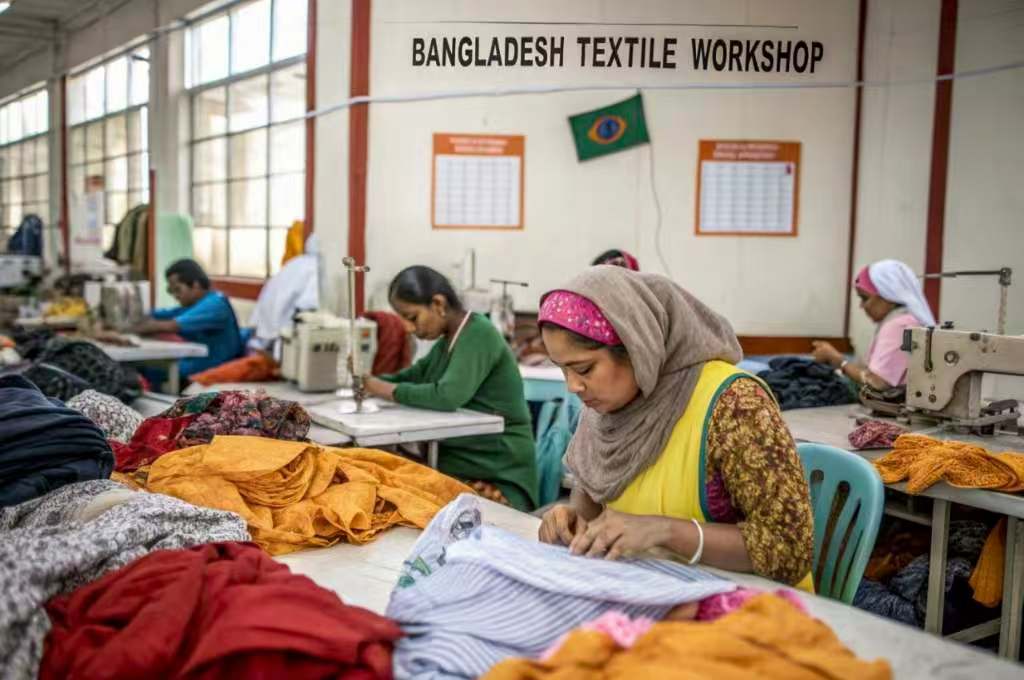
Textile Workshop
Launching a new activewear brand is more than just production. The most successful launches I’ve seen budget for every step: design, samples, bulk orders, branding, packaging, e-commerce, and their first real marketing push.
Core startup costs include design & development, manufacturing, inventory, branding, digital assets5, web store setup, and marketing. Planning early prevents overspending and cash flow stress later.
How Do Design, Sampling, and Prototyping Expenses Impact Your Budget?
Design and sampling are non-negotiable investments. Even if you’re using a distributor’s blanks, unique branding or fit will require samples and customization.
Typical Upfront Costs for Design & Sampling
- Tech pack/flat sketch creation: $150–$800 per style (freelancer or agency)
- Prototyping/sampling: $100–$500 per garment (complex pieces can cost more)
- Pattern making & grading: $100–$350 per style for multiple sizes
- Fit sessions/models: $50–$250 per fitting
Tip:
Working with a distributor offering “private label” or “white label” services can lower these costs, as some charge less for modifying their core styles.
What Are the Typical Costs When Working with Wholesale Athletic Apparel Distributors?
Wholesale distributors simplify sourcing but still require investment in sampling, logo setup, and minimum orders.
Sample Startup Cost Structure
| Item | Typical Range (USD) | Notes |
|---|---|---|
| Sample/Prototype | $100–$400/style | Deducted from bulk in some cases |
| Pattern/Grading | $120–$300/style | If creating new designs |
| MOQ Deposit (per style/color) | $1,000–$3,000 | 100–300 units standard MOQ |
| Logo/Label Setup | $50–$200 | For woven labels, heat transfers |
| Tech/Setup Fees | $100–$500 (if any) | Some suppliers charge a setup fee |
Experience:
A client of mine started with three styles, ordered 100 pieces each, and spent about $8,000 on development, sampling, and initial inventory with a reputable Asian distributor.
How Do Minimum Order Quantities (MOQs) and Supplier Choices Affect Investment?
Your first big financial decision is your MOQ—how many pieces per style, per color, or per order. Choose carefully: too high and you burn capital on unsold stock, too low and your unit cost soars.
Wholesale athletic apparel distributors usually set MOQs between 100–500 units per style/color, but flexible partners may offer smaller test runs at higher prices. Your initial outlay depends on these numbers.
How Do MOQs from Wholesale Athletic Apparel Distributors Influence Your Startup Costs?
MOQ is the #1 factor in determining how much you’ll spend up front and how much risk you take on inventory.
How MOQs Shape Your Budget
- Large MOQs = lower per-unit price, higher upfront cash requirement
- Small MOQs = easier entry, but higher per-unit cost (and sometimes fewer customization options)
- Some factories will do “pilot runs” of 50–100 units to help test the market
- Remember: total order cost = (MOQ per style) × (number of styles/colors) × (unit cost)
Example MOQ Scenarios
| MOQ Level | Unit Price (est.) | Initial Investment (for 3 styles) | Inventory Risk |
|---|---|---|---|
| 100 units | $15–$18 | $4,500–$5,400 | Lower |
| 300 units | $11–$13 | $9,900–$11,700 | Medium |
| 500 units | $9–$11 | $13,500–$16,500 | Higher |
What Factors Affect the Price Per Unit in Fitness Clothing Manufacturing?
The “per piece” price isn’t just about order size. Complexity, materials, branding, and packaging all add up.
What Drives Your Unit Cost?
| Factor | Effect on Price | Example |
|---|---|---|
| Fabrics/Performance | Higher tech = higher cost | Antibacterial, sweat-wicking, mesh |
| Style Complexity | More panels = more cost | Multi-pocket leggings, cut-outs |
| Custom Branding | Adds $0.50–$3.00/unit | Woven label, silicone print |
| Colors/Sizes | More options = more setup | Each color = new MOQ, new dye run |
| Packaging | Custom bags/boxes = extra | Retail box, hang tags, tape |
What Other Expenses Should New Fitness Brands Plan For?
Inventory is only part of the real startup cost. You’ll also need to cover branding, packaging, web store build, photography, marketing, and fulfillment.
A brand isn’t just the clothing—it’s the story, packaging, and experience. Many new brands forget these costs, then struggle with launch.
How Much Should You Budget for Branding, Packaging, and Marketing?
Make room in your budget for the “soft costs” of launching a real brand, not just a product.
Essential Branding & Marketing Costs
- Logo/Brand Identity: $500–$2,000 (designer/agency)
- E-commerce Website: $1,000–$6,000 (Shopify/WordPress/custom)
- Photography/Video: $300–$3,000 (models, flat lays, video)
- Packaging Materials: $0.50–$3.00 per unit (bags, mailers, hangtags)
- Social/Digital Ads: $500–$5,000/month (scale as you grow)
- PR/Gifting/Events: $300–$3,000 (optional, but can boost brand awareness)
What Are the Costs for Inventory, Fulfillment, and E-commerce Setup?
Plan for cash outlays before and after production—inventory storage, order fulfillment, and digital operations.
Operational Costs Breakdown
| Expense | Typical Range | Notes |
|---|---|---|
| Inventory | $5,000–$30,000+ | Based on MOQs and styles |
| Fulfillment Center | $1.50–$3.00 per order | Storage, pick & pack, returns |
| Shipping/Postage | $6–$20 per order | Domestic vs. international |
| Payment Gateways | 2–4% of order value | Stripe, Shopify, PayPal, etc. |
| Monthly Apps/Tools | $30–$200/mo | Email, analytics, inventory software |
How Can You Optimize Your Budget When Working with Wholesale Athletic Apparel Distributors?
Every dollar counts. Smart founders save by planning ahead, negotiating, and focusing on what drives sales—not just what looks good on paper.
You can lower costs and risk by starting small, being transparent with your supplier, and using data to guide every decision.
What Strategies Help Lower Manufacturing and Operational Expenses?
If you want to stretch your startup capital, focus on efficiency and leverage your supplier’s existing strengths.

Cost-Saving Tips for New Fitness Brands
- Start with fewer styles/colors—expand after launch data
- Share “core” fabrics or patterns across styles to hit MOQs
- Request sample credits or “bundled” pricing for multi-style orders
- Outsource digital marketing, web design, or social media at first
- Use free/low-cost digital tools for project management and sales
Real Advice:
Ask your distributor if they offer in-house packaging or labeling—it’s often cheaper than doing it yourself post-production.
How Can Building Strong Supplier Relationships Lead to Better Pricing?
Your supplier is your most important business partner. Treat them well, and they’ll often work with you on payment terms, small test runs, or even rush orders.
Building Supplier Loyalty
| Strategy | Benefit |
|---|---|
| Share growth goals | Supplier may invest in your growth |
| Consistent feedback | Less waste, fewer repeats |
| Pay on time | Builds trust, gets better deals |
| Transparent orders | Avoids mistakes, builds confidence |
What Common Financial Mistakes Should Fitness Clothing Startups Avoid?
Even seasoned founders make rookie mistakes—don’t fall into these traps. Overestimating demand, underestimating costs, or missing small but important expenses can threaten your business before you start.
Most failures come from poor planning, not a bad idea. Build a buffer and budget for the real costs, not just the obvious ones.
How Can Underestimating Startup Costs Impact Your Business?
A budget blown early can delay your launch, wreck marketing plans, and burn relationships with suppliers.
List: Dangers of Underbudgeting
- Not enough cash for reorders, killing momentum
- Forced to accept lower-quality product or service
- Scrambling for emergency loans/investment at high cost
- Poor marketing execution = weak brand launch
What Hidden Expenses Are Often Overlooked by New Fitness Apparel Entrepreneurs?
Many first-time founders miss small fees that add up fast.
Hidden Startup Expenses
| Expense | Why It’s Often Missed |
|---|---|
| Sample shipping/duties | Not always included in quotes |
| Customs, tariffs, VAT | Varies by country/region |
| Third-party product testing | Needed for activewear in many markets |
| Returns & exchanges | Eats into profit margin |
| Website plug-ins, apps, SaaS | Monthly/annual recurring costs |
| Influencer gifting/PR | No ROI guarantee, can add up |
| Initial marketing “burn” | Takes time to optimize ads |
Conclusion
Launching a fitness clothing brand is exciting—and expensive. You should plan for $10,000–$100,000+ in initial investment, depending on your ambition, styles, and inventory strategy. The keys to success: know your real costs, negotiate smartly with wholesale distributors, keep your orders focused, and always have a financial buffer for surprises. With careful planning and a strong supplier relationship, your launch will have a solid foundation for growth.
-
Explore this resource to understand the financial aspects of launching a fitness clothing line. ↩
-
Learn how working with distributors can help manage costs effectively. ↩
-
Find out how branding costs can impact your overall startup budget. ↩
-
Explore marketing strategies that can boost your brand awareness and sales. ↩
-
Explore the digital tools and assets needed for a successful launch. ↩