For anyone serious about starting a women’s fashion brand, production costs can be the single biggest challenge—and the biggest source of uncertainty. It’s not just about “how much per piece,” but about understanding the layers of expenses that go into each sample, each order, and every decision you make along the way. Without a realistic budget and a solid grasp of where your money’s going, even the best-designed collections can run into cash flow problems, pricing mistakes, and profit margin surprises.
Depending on your order size, style complexity, and manufacturer, producing a line of women’s clothing1 typically costs $15–$60 per piece for small-batch runs2, with a total initial investment ranging from $5,000 to $40,000+ for a capsule launch. Factors like fabric choice3, labor, sampling, and location can all swing your costs—sometimes by double or more. But with the right planning, you can control your spending, protect your margins, and scale with confidence.
Let’s break down the true cost drivers, regional pros and cons, and founder-tested strategies to keep your budget on track.
Key Cost Factors in Launching a Women’s Clothing Line
Quality control
A successful launch is all about balance: product quality, market positioning4, and keeping costs under control.
What elements contribute most to production costs5—design, fabric, or labor?
The real answer is: All of the above—but it depends on your choices and your product category.
- Fabric: The single biggest variable. Premium fabrics (eco-cotton, silk, modal, technical blends) may double or triple your unit cost, especially if you require custom dyeing, printing, or special finishes.
- Labor: Highly detailed, hand-finished, or tailored garments cost much more than simple knits or T-shirts. Intricate seaming, lining, embellishments, and specialty trims all add hours of skilled work.
- Design/Development: The more custom your patterns, the more rounds of samples and revisions you’ll need—each one costing time and money. Fast fashion brands limit revisions; designer labels often budget for more.
Cost Impact List
- Core fabric vs. lining and trim (sometimes 3–5 materials per garment)
- Complexity of construction (zippers, ruffles, embroidery, pleating)
- Pattern development and grading for size range (each size graded costs more)
- Minimums—lower MOQ, higher per-unit cost
- Custom printing, embroidery, and packaging (adds to per-piece price)
Real Example:
A basic cotton T-shirt may cost $7/unit in bulk, while a hand-pleated, lined silk dress could be $40–$60+—even from the same manufacturer.
How does the product category (dresses, activewear, casual) affect pricing?
- Dresses: Usually cost most (due to more fabric, lining, and detail)
- Activewear: Technical fabrics and tight quality control (for stretch, wicking, performance) increase per-unit price
- Casualwear: Sweatshirts, T-shirts, and simple knits are less expensive, especially at scale
Comparison Table
| Category | Typical Fabrics | Complexity | Price Range (100 pcs) |
|---|---|---|---|
| Dresses | Woven, silk, blends | High | $18–$60 |
| Activewear | Nylon, spandex, mesh | Medium | $14–$28 |
| Casualwear | Cotton, jersey, fleece | Low | $8–$22 |
How Women Apparel Manufacturers Price Production Services
Manufacturers consider much more than just the cost of fabric and labor. Their quotes reflect years of expertise, facility overhead, and risk—so it pays to understand how pricing works.
What are typical per-unit costs based on order size and complexity?
- Small batch (50–100 units): $18–$60 per piece (designer dresses, detailed outerwear on the high end; basic tops on the low end)
- Standard orders (100–300 units): $12–$30 per piece for most categories, with price breaks at higher volumes
- Bulk (500+ units): $7–$18 per piece for basics, $12–$24 for dresses or technical pieces
Tip:
If you’re launching multiple styles, ask for a “bundle” quote—factories may give discounts for combined orders.
What fees should you expect for sampling, tech packs, and customization?
- Sampling: $80–$250 per style per round (includes labor, fabric, and shipping; more if you’re revising details)
- Tech packs/patterns: $120–$400 if you don’t provide your own; critical for precision and reorders
- Customization: Unique hardware, prints, or trims usually cost $1–$5 more per piece, but can differentiate your brand
Manufacturer Fees Checklist
- Sample rounds (2–3 minimum, often more for fit-critical items)
- Pattern and grading (especially with extended size ranges)
- Print or embroidery setup fees (one-time per design/color)
- Custom label and packaging production

Hidden Costs in Working with a Women Apparel Manufacturer
Founders are often surprised by “invisible” expenses that creep in right before launch.
How do logistics, packaging, and labeling affect your bottom line?
- Freight/shipping: Sea freight is cheaper but slower; air freight is fast but costly. Customs, duties, and port fees can add 10–25% to your landed cost.
- Packaging: Plain polybags are nearly free, but custom boxes, tissue, branded tape, or recycled materials add up quickly—especially for DTC brands focused on unboxing.
- Labeling: All garments need care/content tags, and custom woven labels or printed hangtags make your brand feel premium but add $0.20–$1.50 per unit.
Are there upfront payments or retainer fees before bulk manufacturing?
- Deposits: Most manufacturers require a 30–50% deposit with order, balance due before shipment.
- Retainers or project fees: For custom development or small runs, expect setup fees ($100–$500), which may be credited toward your order.
- Revisions or rework: If you request changes after bulk starts, expect surcharges or remake fees.
Hidden Cost List
- Extra samples for photo shoots or influencer seeding
- Mini test shipments to check your logistics process
- Fixing or remaking garments if quality issues arise
Always set aside 10–20% of your total budget for unexpected costs—almost no brand launches without a few surprises.
Local vs. Overseas Women Apparel Manufacturers
Geography drives not just unit cost, but also timeline, risk, and quality control.
Is it cheaper to manufacture in Asia, Europe, or the U.S.?
- Asia (China, Vietnam, Bangladesh): Lowest unit cost, highest capacity, but requires more hands-on QC and longer shipping lead times.
- Europe (Portugal, Turkey, Italy): Mid-to-high cost, easier compliance, better for EU-based brands and eco lines.
- USA: Highest cost, ideal for luxury, small runs, or brands marketing “Made in USA.”
Regional Cost Comparison
| Region | Cost per Unit | MOQ | Sampling Speed | Quality Control | Shipping Cost |
|---|---|---|---|---|---|
| Asia | $7–$18 | 100–300 | 2–6 weeks | Variable | $500–$2,000+ |
| Europe | $15–$30 | 50–100 | 1–3 weeks | High | $200–$1,000 |
| USA | $20–$60 | 30–100 | 1–2 weeks | Very High | Lowest (domestic) |
- Asia: Best for cost and scale; requires strong specs, communication, and 3rd-party QC.
- Europe/USA: Easier for rapid samples, visits, and relationship-building.
How do lead times, quality control, and shipping factor into total cost?
- Lead times: Asian factories may need 6–12 weeks for bulk, plus shipping. Local/EU factories can deliver in 2–6 weeks, allowing faster restocks or trend drops.
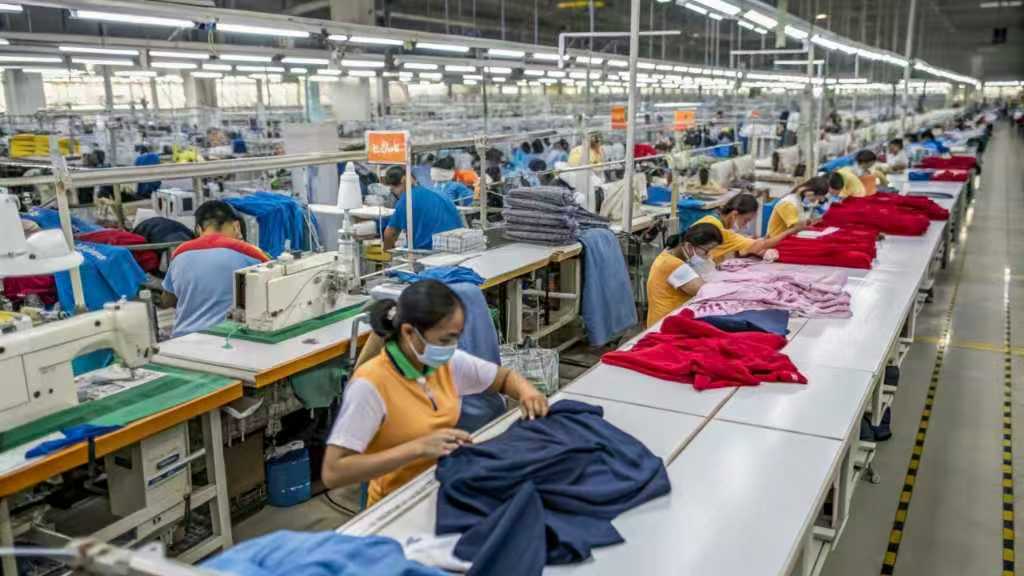
- Quality control: Closer factories mean you (or your agent) can check goods in person. Overseas, budget for 3rd-party inspections or photo audits.
- Shipping: Freight costs have risen post-pandemic—always get up-to-date quotes and factor in port, customs, and inland delivery fees.
Tips to Control Costs When Producing Your Clothing Line

Smart budgeting isn’t about cutting corners—it’s about maximizing every dollar for customer value and brand growth.
How can you negotiate better rates with manufacturers?
- Order multiple styles together: Economies of scale can lower per-piece price.
- Ask for a price ladder: See how price drops at higher MOQs, even if you start small.
- Be upfront about growth plans: Loyal, scaling customers often get better terms.
- Build a relationship: Quick payments, organized feedback, and respectful communication make factories more willing to help you save.
Should you consider small-batch or capsule collections to reduce risk?
Absolutely. Small-batch runs and tight capsules (3–5 core pieces) let you:
- Test product-market fit without overcommitting
- Gather real feedback and iterate on design/fit
- Minimize unsold inventory and cash flow headaches
- Scale up styles that prove themselves with your audience
Cost-Saving Ideas List
- Use in-stock fabrics instead of custom dye lots for your first run
- Start with core sizes; expand once demand is proven
- Focus on a signature piece to build brand identity, then branch out
- Consider pre-orders or “trunk show” launches to fund inventory
Conclusion
Producing a women’s clothing line is as much about numbers as it is about creativity. By understanding each cost driver, asking detailed questions, and planning for both direct and hidden expenses, you can launch confidently—and protect your profits as you scale. The best founders work with manufacturers who communicate clearly, offer transparent pricing, and value long-term partnerships over quick wins.
-
Stay updated on trends to make informed decisions about your clothing line and attract your target audience. ↩
-
Small-batch runs can minimize risk and allow for testing market fit before larger investments. ↩
-
Fabric choice significantly affects costs and quality, making it essential to choose wisely for your brand. ↩
-
Effective market positioning can differentiate your brand and attract the right customers. ↩
-
Understanding production costs is crucial for budgeting and ensuring profitability in your clothing line. ↩