Need your T shirts printed1 fast, but unsure how long it really takes? The timeline isn’t always as simple as you think.
Printing T shirts through a manufacturer usually takes between 7 to 30 days depending on order size, design complexity, material, and factory location.
Many first-time buyers assume “printing” is instant — like a home printer. But factory printing involves multiple steps, multiple people, and multiple risks. Understanding this timeline is key to hitting your launch date, avoiding delays, and staying within budget.
Average Printing Timeframes for T Shirt Orders?
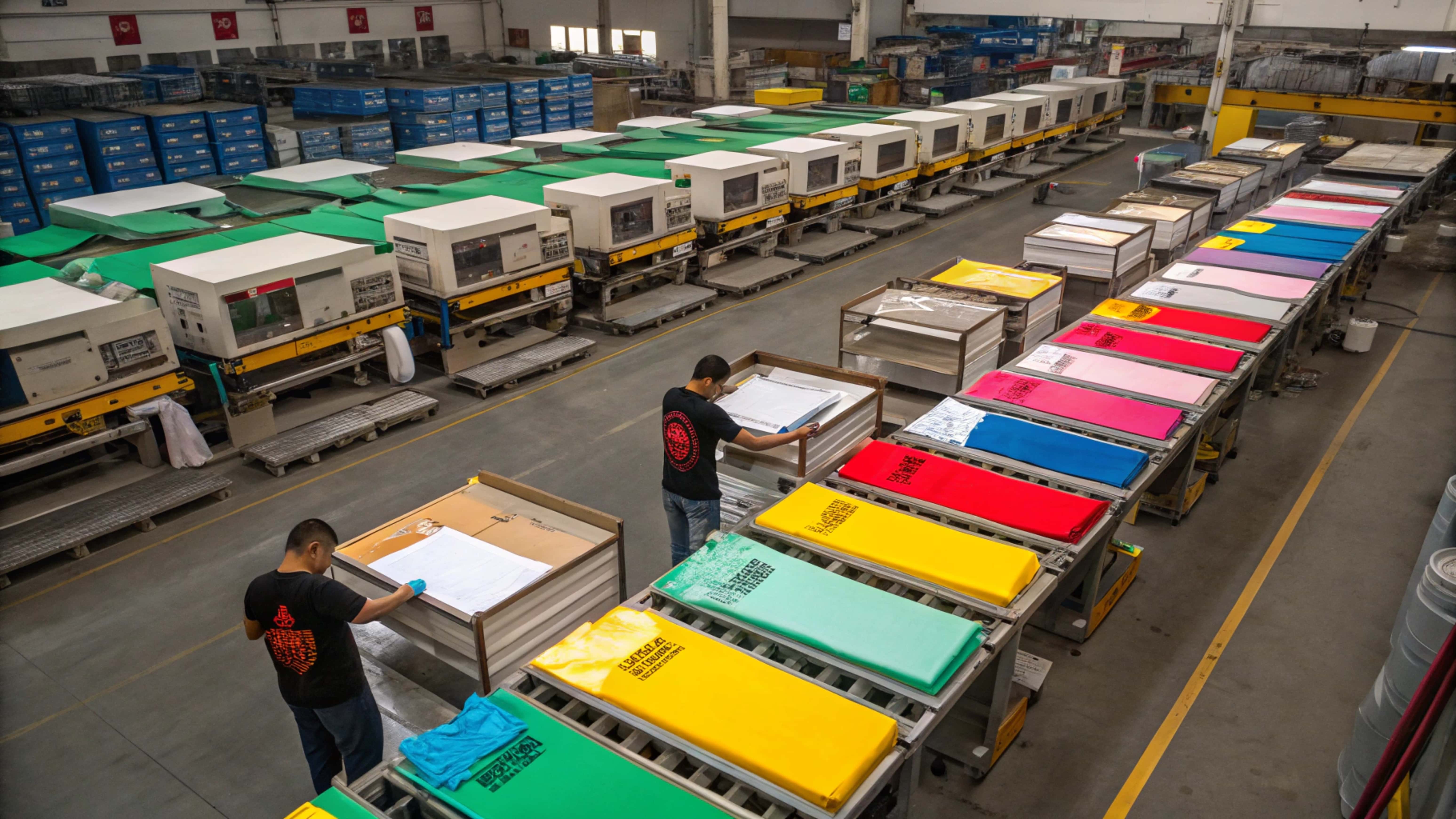
Fabric Printing Process Most manufacturers follow a general timeline based on your order size.
Small orders can take 7–10 days, while bulk orders2 may need 2–4 weeks including setup, printing, and quality checks3.
But “average” is just the surface. You need to dig into details: artwork approval, fabric sourcing, pre-production sampling — they all affect your calendar.
How Long Do Small Batch Orders Take from a T Shirt Manufacturer?
Smaller orders move faster, especially with digital printing.
For small batches (under 300 pieces), turnaround time is typically 7–10 business days after sample approval.
But sample approval itself can take 2–5 days depending on how fast you respond. Here’s a realistic scenario I’ve seen often:
Example Timeline for Small Batch (100 pcs DTG Print):
| Day | Task |
|---|---|
| 1 | You submit design + tech sheet |
| 2 | Factory confirms and suggests changes |
| 3 | You approve final mockup |
| 4 | Sample printed and photo sent to you |
| 5 | You approve sample |
| 6–9 | Bulk print, pack, label |
| 10 | Ready to ship |
Even for small runs, every day of delay in communication pushes your schedule back.
Why Large Bulk Orders Require More Production Time?
Big orders need more setup, labor, and time — it’s not just about printing more shirts.
Bulk orders over 1,000 pieces usually take 3–4 weeks due to longer prep time, multiple shifts, and stricter QC.
Breakdown of Time Spent:
- 7–10 days: Creating screens, sourcing fabric, organizing workflow
- 5–10 days: Actual printing (especially multi-color)
- 3–5 days: Quality checks, packing, labeling
- 5–10 days: Shipping (depending on location)
Factories usually schedule large orders in production “windows.” If you miss your slot because of delayed approval or unclear files, your job might be pushed back.
Tip:
Ask your factory if they operate on a weekly or monthly production calendar4. Plan around it.
Factors That Affect T Shirt Printing Speed?

Even small details can change how fast your order moves.
Printing speed depends on your design, materials, printing method5, factory capacity, and how clear your instructions are.
No matter how reliable your supplier is, they can’t speed up something that’s unclear or missing.
Does the Printing Method Impact Delivery Time?
Yes — some printing methods are much faster than others.
Direct to Garment (DTG) is the fastest, while screen printing and embroidery require more setup and drying time.
Real-world Comparison:
- DTG (Direct to Garment): Ideal for 1–200 pcs, multicolor, photo-style designs
- Screen Printing: Best for 500+ pcs, 1–3 colors, with consistent artwork
- Embroidery: Slower, higher cost, but adds premium value (think chest logos)
- Heat Transfer Vinyl (HTV): Used for names/numbers on sports jerseys — fast, but less durable
Choosing the Right Method for Speed:
- For launches or events within 2 weeks → Use DTG or HTV
- For bulk wholesale or retail stock → Use screen printing
How Do Material Choices Influence the Printing Schedule?
Not all T shirt fabrics behave the same under the press.
Natural fabrics like cotton print faster and cure more easily, while synthetic blends may require extra handling or longer drying time.
Fabric Types & Their Impact:
| Fabric Type | Print Speed Impact | Notes |
|---|---|---|
| 100% Cotton | Fast | Most compatible with DTG and screen |
| Cotton/Poly Blend | Medium | May require pre-treatment |
| 100% Polyester | Slower | Often used with sublimation |
| Bamboo, Modal, etc. | Variable | May need testing before full run |
Additional Time Factors:
- Dark fabric: Usually needs a white underbase → adds drying time
- Special finishes (like enzyme wash or pigment dye): Add pre-printing steps
Comparing Local vs. Overseas T Shirt Manufacturers?
Location matters more than most people think.
Local manufacturers can print faster due to proximity, while overseas partners offer better pricing but slower shipping.
Knowing when to choose local vs. global can be a game changer for your brand.
Why Local T Shirt Manufacturers Can Offer Faster Turnarounds?
They’re close — and that makes a huge difference.
Local factories can shorten your lead time by 5–10 days simply because there’s no international shipping involved.
When Local is Better:
- Launching a brand or product line quickly
- Replenishing hot-selling items
- Doing market tests or MVP runs
- Need face-to-face communication
I once helped a startup fitness brand in Toronto run a last-minute 200-shirt campaign using a local printer. From design handoff to delivery, it took only 6 business days. That would’ve taken 3–4 weeks overseas.

How Shipping Time Affects Overseas Manufacturer Orders?
Shipping is often the silent delay in overseas printing.
Overseas orders (e.g., China to North America) typically add 7–20 days of shipping, depending on air or sea freight.
And shipping time is not always in your control. Weather, customs, and carrier delays can all throw off your schedule.
Realistic Timeline Example (Overseas):
- 14 days: Production
- 7 days: QC + packaging
- 10–20 days: Sea shipping to North America
- 3–5 days: Customs + last mile delivery
Always pad your schedule by at least 7–10 days when using overseas manufacturers.
Rush Order & Express Printing Options?
In some cases, you just need shirts ASAP.
Many manufacturers offer rush options — but you’ll need to pay extra and may face limitations on colors and materials.
Express options are real, but they’re not magic. Here’s how they work.
What Is the Fastest Printing Option for Urgent T Shirt Orders?
It’s called “same-day DTG printing.”
Some local printers offer same-day or 24-hour DTG printing for orders under 50 pieces, but designs must be simple and ready to go.
Common Use Cases:
-
Event merch for trade shows or sports events
-
Last-minute influencer collabs
-
Quick market test for a new design
-
Internal team shirts or staff uniforms
-
Size range might be limited
-
Design complexity must be low
-
No guarantee of perfect color matching
How Much Extra Does Rush Printing Cost?
You’ll pay for the speed — often 20%–100% more.
Rush fees vary by factory, but expect a 30–50% markup on urgent orders.
What Affects Rush Cost?
- How fast you want the shirts (next-day vs. 3 days)
- Number of colors and locations in the design
- Availability of blank shirt stock
- Type of printing used
| Qty | Standard (7 days) | 3-Day Rush | 24-Hour Express |
|---|---|---|---|
| 100 | $3.00/shirt | $4.50 | $6.00+ |
| 500 | $2.40/shirt | $3.60 | Not available |
Tips to Reduce Your T Shirt Printing Time?
Speed isn’t just about the printer — it’s about how you work too.
You can shorten your printing time significantly by preparing clear files, choosing faster materials, and communicating better with your manufacturer.
Here’s how to make your order flow smoothly.
How to Prepare Your Design Files to Speed Up the Process?
Don’t send messy files or unclear mockups.
Clear, print-ready files (in the right format) help avoid revisions and speed up approvals.
Tools That Help:
- Canva: For mockups
- Figma or Illustrator: For editable vector files
- Dropbox or Google Drive: For organized file sharing
Why Clear Communication with Your T Shirt Manufacturer Saves Time?
The fewer questions, the faster they print.
When your instructions are clear and complete, factories can go straight into production without waiting for answers.
Think of it like cooking — if the recipe is missing ingredients or steps, it takes twice as long to finish.
Pro Tips for Faster Workflow:
- Use simple language in emails (especially for overseas)
- Send everything in one email, not 10 follow-ups
- Respond quickly to clarification requests
- Ask for production calendar upfront
- Avoid last-minute changes once printing begins
Conclusion
Most T shirt orders take 7–30 days depending on size, method, and supplier location. Clear files, fast decisions, and good communication speed things up — every time.
-
Understanding the printing timeline helps you plan your launch effectively. ↩
-
Discover the complexities involved in bulk printing that affect timelines. ↩
-
Understand the importance of quality checks in ensuring a great final product. ↩
-
Discover how knowing the production schedule can aid in planning. ↩
-
Learn how different methods can affect your overall timeline. ↩