
 Skip to content
 Balancing Fabric Density, Thermal Comfort, and Airflow in Everyday Hoodies
Hoodie comfort depends heavily on fabric weight and breathability.
Fabric density affects warmth, while knit structure and ventilation determine how well heat and moisture escape.
Understanding these factors helps identify hoodies that remain comfortable across urban daily activities and varied environmental conditions.
Fabric weight directly influences both warmth and perceived comfort.
Heavier fabrics provide insulation but may reduce mobility, while lighter fabrics allow flexibility but may offer limited warmth.
Balanced fabric weight ensures daily wearability without causing overheating or fatigue.
Denser fabrics trap more heat.
Thicker textiles create insulation by retaining warm air close to the body. This is beneficial in cooler outdoor conditions but may feel excessive indoors or during physical activity.


Heavier fabrics can feel cumbersome over time.
Extended wear may increase shoulder strain or restrict movement if the hoodie fabric is too thick. Balanced weight supports comfort throughout the day.
Daily-use garments need to perform in multiple contexts.
A hoodie that is too heavy outdoors may feel oppressive indoors. Balanced fabric weight ensures comfort and versatility across environments.
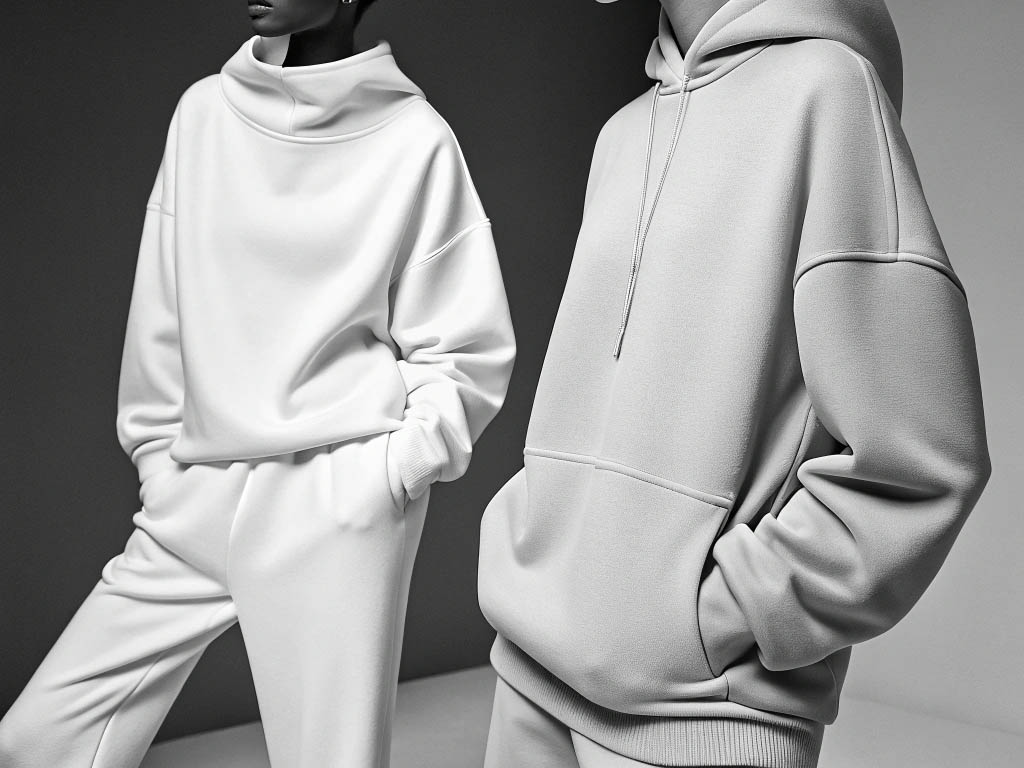
Hoodies are typically classified by fabric weight to guide usability.
These categories inform comfort, warmth, and mobility expectations.
Understanding these distinctions helps select a suitable hoodie for daily wear.

Lightweight hoodies prioritize mobility and airflow.
They are best for mild climates or layering, providing freedom of movement without excessive insulation.
Midweight fabrics combine moderate warmth with good breathability.
These hoodies perform well across indoor and outdoor conditions, making them suitable for typical urban daily use.
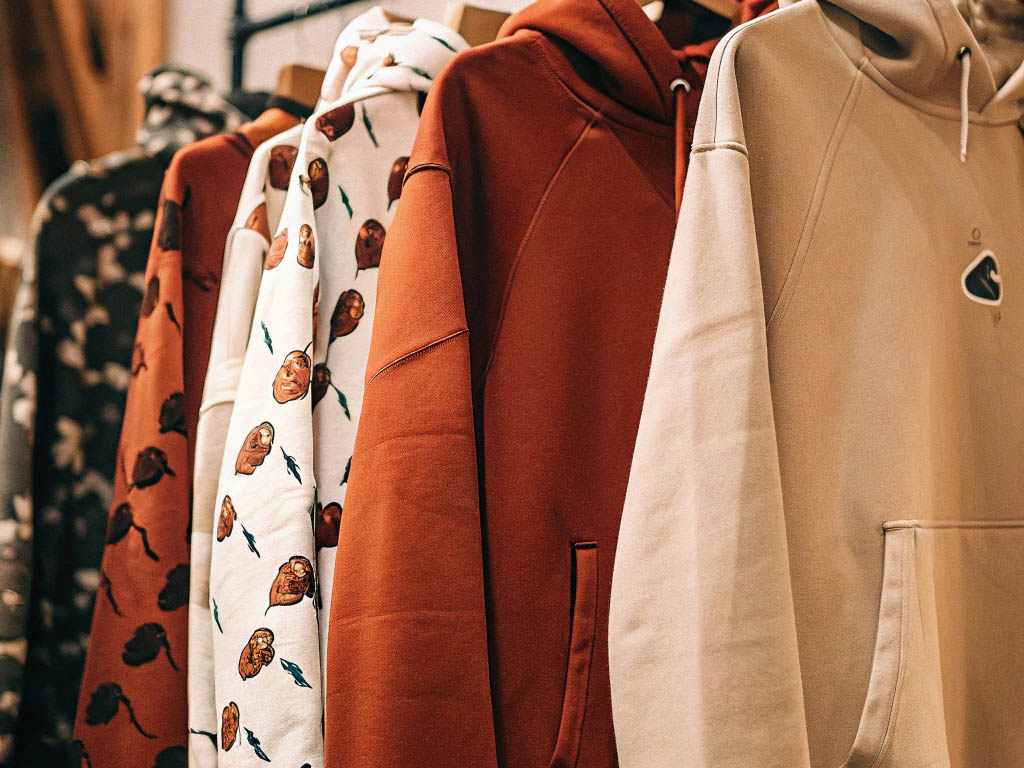
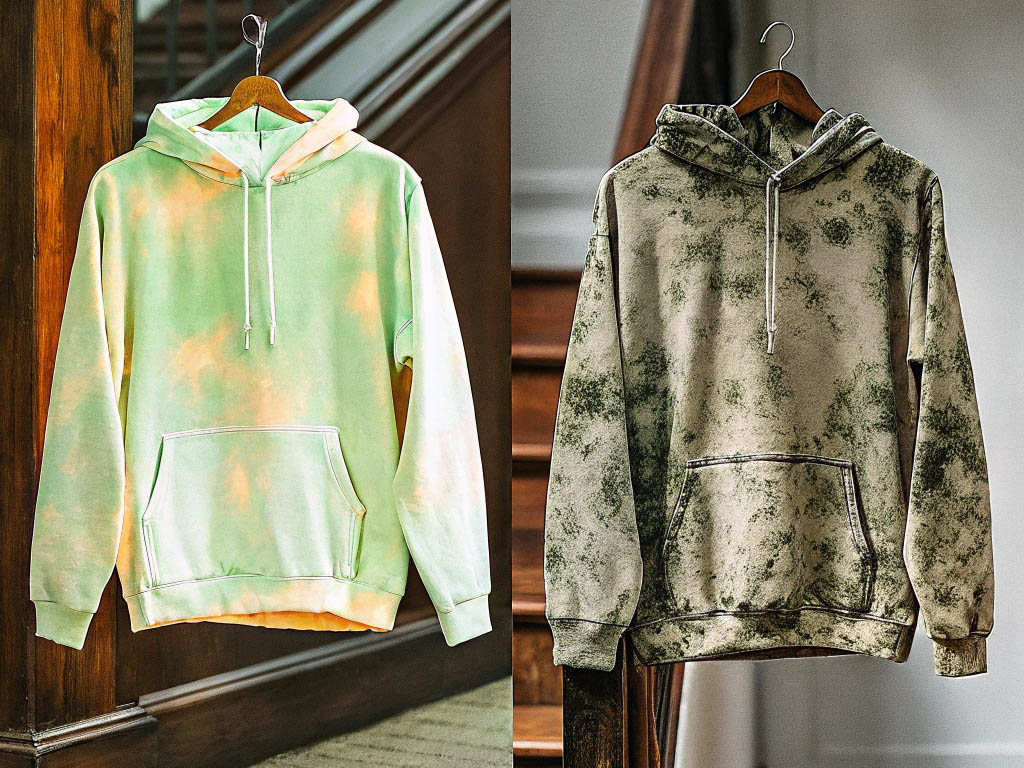
Heavyweight hoodies emphasize insulation and structure.
Dense fabrics retain significant warmth, ideal for cold outdoor conditions. However, they may reduce airflow and mobility in milder climates.
Fabric weight governs thermal comfort.
Proper insulation ensures warmth without causing overheating.
Balancing insulation with ventilation is critical for urban daily use.
Thicker fabrics trap air, creating thermal insulation.
This is effective for outdoor comfort in cooler temperatures but may lead to overheating indoors if the fabric is too dense.
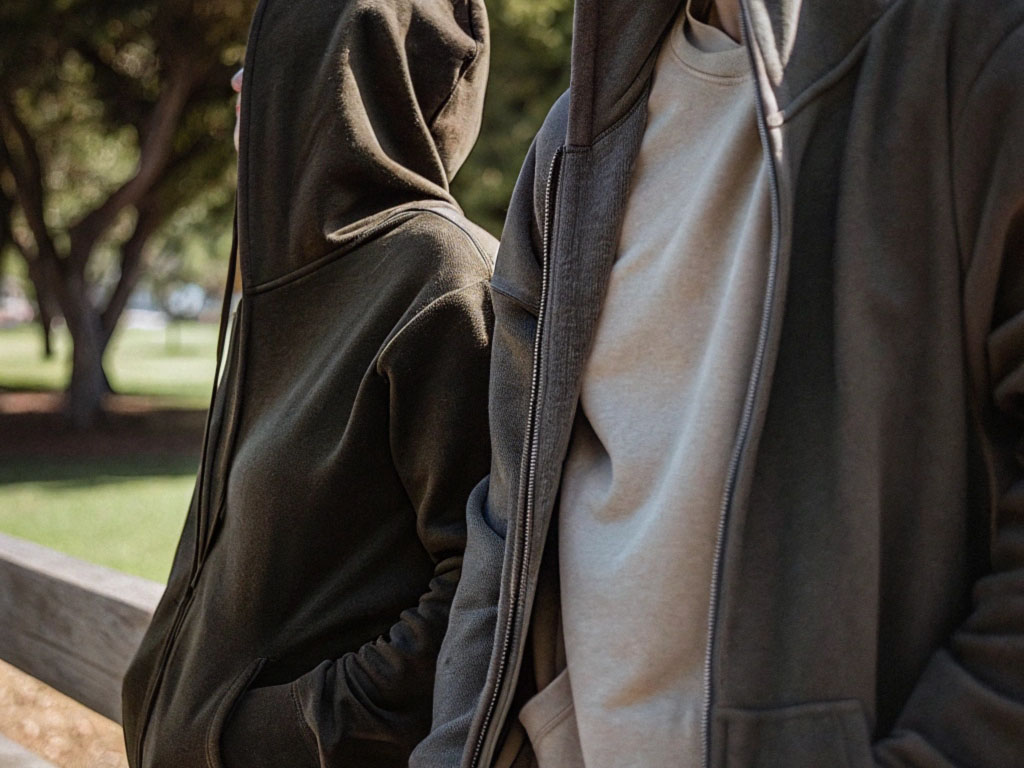
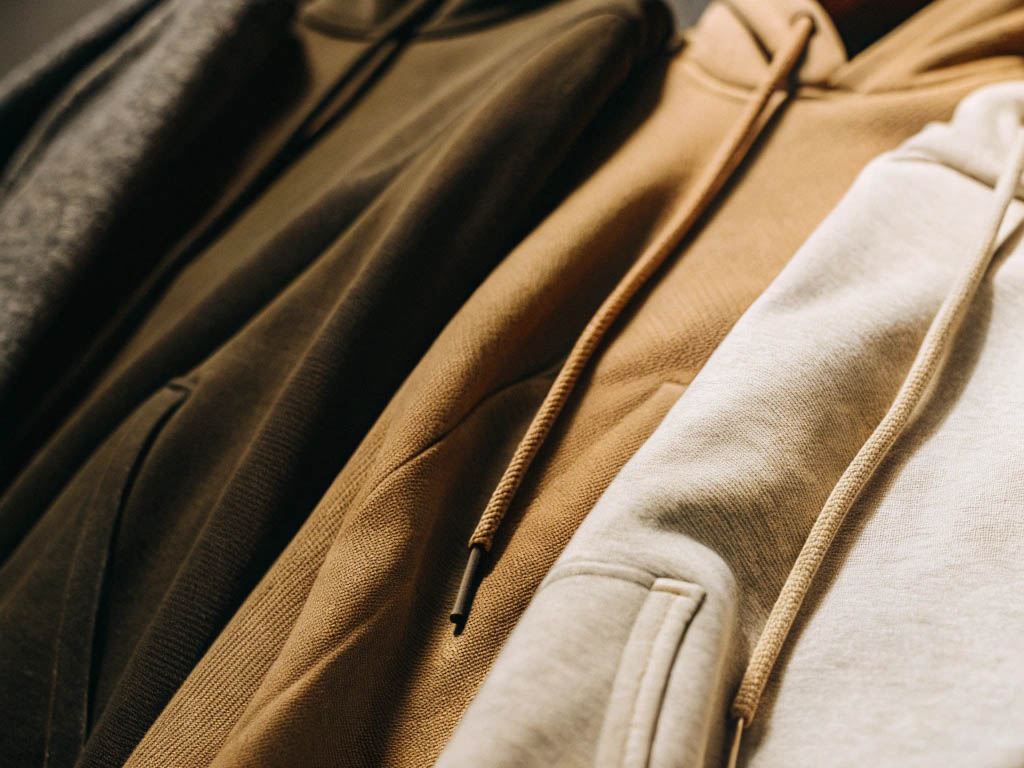
Ideal hoodies provide enough warmth to remain comfortable during casual movement.
Moderate insulation supports a balance between comfort and adaptability across environments.
Too much insulation can cause discomfort in temperature-controlled spaces.
Breathable fabrics and appropriate fabric weight prevent heat accumulation during indoor use.
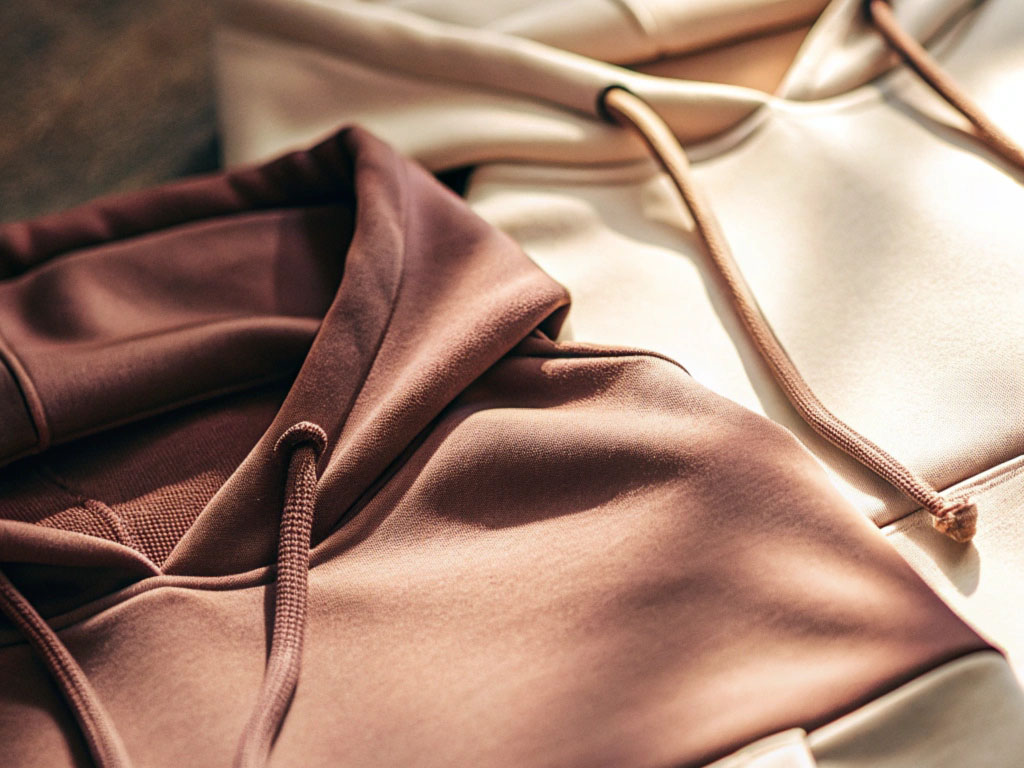
Airflow and moisture management are essential for comfort.
Breathable fabrics allow heat and perspiration to escape during activity.
Hoodie knit structure directly impacts ventilation efficiency.
Body heat increases with activity.
If air cannot circulate through the fabric, excess heat accumulates, leading to discomfort. Breathable fabrics mitigate this effect.
Ventilated fabrics help evaporate sweat.
Effective airflow reduces humidity between the garment and skin, maintaining comfort during extended wear.
Knitting density and fiber arrangement influence breathability.
Looser knit structures promote airflow, while dense fabrics limit ventilation. Understanding knit properties helps predict comfort.
Warmth and ventilation often exist in tension.
Increasing fabric density improves insulation but may restrict airflow.
Balancing these factors is critical for functional everyday hoodies.
Thinner fabrics allow air to pass freely.
This improves breathability and reduces overheating, making them ideal for warmer conditions or active use.
Midweight fabrics provide moderate insulation with sufficient ventilation.
They represent a practical compromise, supporting comfort across typical urban environments.
Heavier fabrics limit airflow.
While they retain heat well, they may trap excess warmth and moisture during movement, reducing comfort in mild conditions.
Hoodie weight should match typical urban use.
Balanced fabrics support commuting, errands, and casual activities.
Correct weight ensures warmth without restricting mobility.
Midweight fabrics provide comfort for extended urban activity.
They allow freedom of movement while maintaining moderate warmth across different settings.
Ideal everyday hoodies insulate sufficiently for outdoor and indoor transitions.
They remain comfortable during movement without excessive heat buildup.
Fabric should feel light enough for extended wear.
Moderate garment weight prevents fatigue, shoulder strain, and mobility restriction during daily routines.
Excessive insulation reduces comfort.
This typically occurs in indoor or mild conditions.
Recognizing overheating helps define garment suitability.
Dense fabrics may trap warmth in climate-controlled spaces.
This can create discomfort during long hours indoors. Ventilation is essential to maintain comfort.
Hoodies that are too warm may become uncomfortable in moderate weather.
Selecting appropriate fabric weight prevents overheating during casual urban wear.
Restricted ventilation prevents heat from escaping.
During walking or commuting, trapped heat can accumulate, reducing comfort.
Excess fabric weight can limit mobility.
Prolonged wear may cause subtle fatigue.
Awareness of upper weight limits helps maintain comfort.
Heavy fabrics can feel cumbersome during movement.
Thicker garments may restrict arm or shoulder motion, affecting daily activities.
Sustained wear of heavy hoodies can increase shoulder or upper back strain.
Moderate fabric weight reduces physical fatigue.
Dense hoodies may feel excessive in warmer conditions.
Selecting appropriate weight ensures comfort in mild or transitional weather.
Evaluating hoodie weight and breathability involves observing several practical factors.
These checks help determine whether the garment balances warmth, mobility, and ventilation.
A systematic approach ensures appropriate daily performance.
1.Fabric weight suitability check
2.Breathability and airflow check
3.Warmth balance check
4.Long-hour comfort check
Hoodie comfort depends on balancing fabric weight, warmth, and breathability.
Lightweight fabrics increase ventilation, midweight fabrics offer practical everyday balance, and heavyweight fabrics provide insulation in cold conditions.
Evaluating thermal comfort, airflow, and long-hour wearability ensures hoodies remain comfortable and functional for daily use.
We’ll get back to you within 24 hours. Attach your logo/design if needed.
💡 1 . Share your logo, fabric, and quantity for T-shirts, hoodies, and more.
📐 2. We’ll prepare samples for your approval.
🚚 3. Bulk production starts after deposit.
✅ We value your privacy. Your information is 100% safe and confidential.
📦 Need help? Chat with us via WhatsApp anytime!

Note: Your email information will be kept strictly confidential.
Note: Your email information will be kept strictly confidential.
Request a quote, discuss MOQ, lead time, fabrics & QC.
Visit our brand store: Modaknitswear

Retail orders (and dropshipping options) are available on Modaknitswear.