
 Skip to content
 Balancing Comfort, Proportion, and Modern Silhouette
The fit of an essential hoodie determines whether it appears intentional or unstructured.
While hoodies are inherently relaxed garments, their silhouette still relies on proportion, balance, and controlled volume.
When fit is properly engineered, the hoodie achieves a relaxed yet stable form suitable for modern urban wardrobes.
Relaxed clothing does not mean uncontrolled clothing.
Even casual garments require proportional discipline to maintain visual clarity.
Understanding this balance explains why hoodie fit plays a central role in modern urban silhouettes.
Oversized comfort should not result in shapelessness.
Relaxed garments allow additional room for movement and layering, but this extra volume must remain proportionally controlled. When width increases without structural balance, the hoodie may appear baggy rather than intentionally relaxed.
A well-designed hoodie distributes volume evenly across shoulders, chest, and body length. This maintains comfort while preserving silhouette clarity. Oversized comfort therefore requires controlled proportion rather than unrestricted looseness.


Structure provides visual discipline within relaxed garments.
In hoodie design, structure refers to how seams, fabric weight, and proportions maintain shape. Even when the garment is comfortable and loose, structural elements ensure the hoodie retains a defined outline.
Without this structural support, fabric may collapse or stretch unevenly. Structure allows a relaxed hoodie to maintain a modern, intentional silhouette rather than appearing casual to the point of disorder.
Fit communicates design intent.
When a hoodie’s shoulders align correctly, the chest has balanced allowance, and the hem length supports the overall proportion, the garment appears deliberate. Small deviations in these areas can quickly change the visual impression.
An intentional fit allows the hoodie to integrate naturally with modern clothing systems. Poorly balanced fit, by contrast, often results in garments that appear oversized without purpose.

The upper body establishes the structural anchor of hoodie fit.
Shoulder placement and chest allowance determine how the garment sits on the body.
These areas define the stability of the entire silhouette.

Shoulder alignment determines the structural starting point.
In essential hoodies, the shoulder seam should align close to the natural shoulder edge or slightly extend for relaxed silhouettes. This placement allows the garment to follow the body’s natural posture.
If shoulder seams extend too far outward, the hoodie may appear oversized without control. Proper alignment maintains balance between comfort and structural clarity.
Chest allowance provides the primary space for movement.
A well-fitted hoodie includes enough room across the chest to support layering and natural motion. However, excessive width can create visual bulk that disrupts the silhouette.
Balanced chest allowance ensures comfort while maintaining proportional harmony between the upper body and the rest of the garment.


Upper-body structure determines visual definition.
When shoulder placement and chest width are balanced, the hoodie maintains a clean outline across the torso. This prevents the garment from appearing overly loose or inflated.
Silhouette clarity allows the hoodie to function as both a comfortable and visually stable layer.
Essential hoodies must combine structural integrity with relaxed wearability.
Too little structure results in shapeless garments, while too much rigidity compromises comfort.
Balanced construction ensures both qualities coexist.
Structure should guide the garment’s shape without restricting movement.
Supportive fabrics and well-placed seams help maintain silhouette stability while allowing natural body motion. This balance allows the hoodie to feel comfortable during daily activities.
When structure becomes too rigid, the hoodie may feel restrictive and lose its casual character.
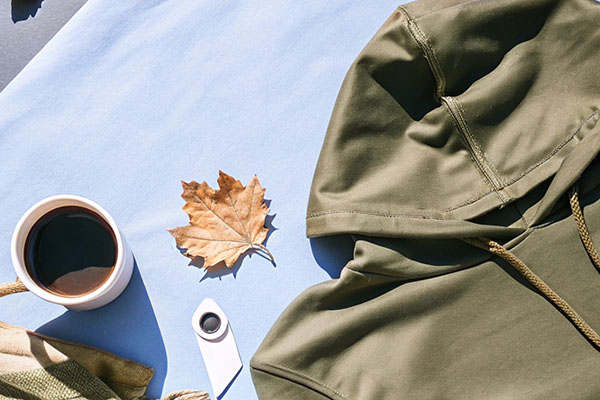

Movement tests structural integrity.
As the wearer walks, reaches, or sits, the hoodie should retain its general shape. Fabric and construction must allow flexibility without causing the garment to collapse or distort.
This stability allows the hoodie to remain visually consistent throughout the day.
Excessive structure can undermine comfort.
If the hoodie feels stiff or resistant to movement, the garment loses its relaxed character. Essential hoodies rely on fabrics that provide support without creating rigidity.
Balanced materials and thoughtful construction ensure the hoodie maintains both comfort and shape.

Length influences how the hoodie integrates with the rest of the outfit.
Vertical proportion determines whether the garment appears balanced or distorted.
Controlling length is therefore essential for maintaining silhouette harmony.
The hem establishes the lower boundary of the silhouette.
In most essential hoodies, the hem falls around the hip area, allowing the garment to maintain balanced proportions with trousers or other lower garments.
If the hem falls too high, the hoodie may appear cropped unintentionally. If it falls too low, the garment may look elongated and lose structure.
Proper length supports relaxed design without sacrificing form.
A hoodie that is slightly longer than the waistline allows comfortable movement and layering. This length also helps maintain visual continuity between upper and lower body proportions.
When length aligns with the garment’s width, the silhouette appears balanced.
Extreme lengths disrupt proportion.
Hoodies that are excessively long may appear oversized in an uncontrolled way, while overly short designs can create visual imbalance with the rest of the outfit.
Essential hoodies rely on moderate length that supports structural stability.
Selecting the correct size influences how the hoodie performs structurally.
Sizing affects shoulder alignment, chest allowance, and overall proportion.
Understanding sizing helps maintain the intended fit of the garment.
Garments are designed with specific proportions in mind.
Choosing a size larger than intended can alter shoulder placement, sleeve length, and overall silhouette balance. While some relaxed styles incorporate extra room, sizing up excessively may create uncontrolled proportions.
Following the designed fit typically preserves the structural balance intended by the garment’s design.
Sizing standards vary between brands.
Different manufacturers use different measurement systems and fit philosophies. A hoodie labeled as medium in one brand may differ significantly from another.
Understanding these variations helps interpret sizing charts more accurately.
Certain visual cues reveal sizing issues.
A hoodie that is too large may have shoulder seams extending far beyond the shoulders, excessive sleeve length, or excessive torso width. A hoodie that is too small may feel tight across the chest or restrict movement.
Recognizing these signs helps evaluate whether the garment maintains balanced proportions.
Essential hoodies can exist within several acceptable fit categories.
These variations maintain structural balance while allowing slight differences in silhouette preference.
Each fit category follows similar proportional principles.
Relaxed-fit hoodies provide additional room for movement.
This fit increases width slightly across the chest and body while maintaining proportional length and shoulder alignment. Relaxed silhouettes prioritize comfort without appearing oversized.
When designed properly, relaxed fits maintain clean structural lines.
Standard modern fit represents the most balanced silhouette.
This fit offers moderate room for comfort while maintaining closer alignment with the body’s natural shape. It often serves as the baseline proportion for essential hoodies.
The result is a silhouette that feels relaxed yet visually structured.
Slightly oversized hoodies intentionally increase volume.
The additional space creates a relaxed visual presence while preserving structural anchors such as shoulder placement and proportional length.
This controlled expansion distinguishes slightly oversized fits from uncontrolled bagginess.
Body shape influences how garments appear once worn.
However, proportion and garment structure typically matter more than body size alone.
Understanding this interaction helps explain variation in hoodie appearance.
On narrower frames, relaxed hoodies may appear more oversized.
Additional garment width can create a stronger visual contrast with the body’s proportions. This effect does not necessarily indicate incorrect sizing but reflects the interaction between garment volume and body structure.
Balanced proportions maintain silhouette stability.
On broader frames, hoodies may appear more structured.
Because the body fills more of the garment volume, relaxed silhouettes can look closer to the body while still maintaining comfort.
This interaction often preserves the intended structural shape.
Proportion determines silhouette balance.
Regardless of body type, the relationship between shoulder placement, width, and length shapes the garment’s appearance. When these elements remain balanced, the hoodie maintains structural clarity.
Proper proportion therefore matters more than absolute garment size.
Certain fit problems consistently appear in poorly designed or incorrectly sized hoodies.
These mistakes disrupt silhouette clarity and reduce overall garment balance.
Recognizing them helps evaluate hoodie fit more accurately.
Too much width can distort the silhouette.
When chest and body width expand excessively without proportional length adjustment, the hoodie may appear bulky or shapeless.
Balanced garments distribute volume evenly across the entire silhouette.
Incorrect shoulder placement creates visual imbalance.
When shoulder seams extend significantly beyond the natural shoulder line, sleeves may appear oversized and the hoodie may lose structural anchor points.
This misalignment often produces an uncontrolled oversized appearance.
Improper length disrupts visual structure.
A hoodie that is excessively long relative to its width may appear elongated and collapse visually around the hips.
Balanced vertical proportion prevents this silhouette distortion.
Evaluating hoodie fit requires systematic observation.
Several key structural checkpoints help determine whether the garment maintains proper proportion.
These checks focus on alignment, balance, and silhouette clarity.
1.Shoulder placement check
2.Chest and width balance check
3.Length proportion check
4.Overall silhouette stability check
Shoulder seams align near the natural shoulder edge
Chest width allows movement without excessive bulk
Sleeves fall naturally without excessive length
Hem reaches the hip area without appearing elongated
Fabric maintains shape during movement
Proportions remain balanced between width and length
Silhouette appears relaxed yet structured
The fit of an essential hoodie balances relaxation with structural clarity.
Proper shoulder alignment, balanced chest width, and controlled length create a silhouette that feels comfortable while remaining visually intentional.
When these elements align, the hoodie achieves a modern urban fit suitable for everyday wear.
We’ll get back to you within 24 hours. Attach your logo/design if needed.
💡 1 . Share your logo, fabric, and quantity for T-shirts, hoodies, and more.
📐 2. We’ll prepare samples for your approval.
🚚 3. Bulk production starts after deposit.
✅ We value your privacy. Your information is 100% safe and confidential.
📦 Need help? Chat with us via WhatsApp anytime!

Note: Your email information will be kept strictly confidential.
Note: Your email information will be kept strictly confidential.
Request a quote, discuss MOQ, lead time, fabrics & QC.
Visit our brand store: Modaknitswear
Retail orders (and dropshipping options) are available on Modaknitswear.