
 Skip to content
 Zip up hoodies are defined not only by their zipper construction, but also by how they fit across the shoulders, chest, torso, and sleeves. In everyday wear, the right fit affects more than appearance. It determines mobility, layering ease, zipper stability, and long-hour comfort.
This page explains how sizing and proportion shape the wearing experience of zip up hoodies. The goal is to help readers judge fit through structure, not guesswork.
Fit matters because a zip up hoodie is both a comfort garment and a structured front-opening layer. If the proportion is wrong, the garment becomes less comfortable, less practical, and visually less balanced.
A good fit allows the hoodie to feel easy in movement while still maintaining a clear silhouette. That balance is what makes the garment reliable in daily wear.
Fit is the foundation of hoodie silhouette because the garment is first understood through shape before details such as zipper, fabric, or color are noticed.
In a zip up hoodie, shoulder width, body width, and garment length determine whether the piece looks stable or awkward. A hoodie that fits well feels intentional. A hoodie that fits poorly can appear restrictive, oversized, or visually uneven.
The correct way to judge fit is not by asking whether the hoodie is slim or loose in isolation. The real question is whether the fit creates a wearable shape that supports both comfort and daily use.
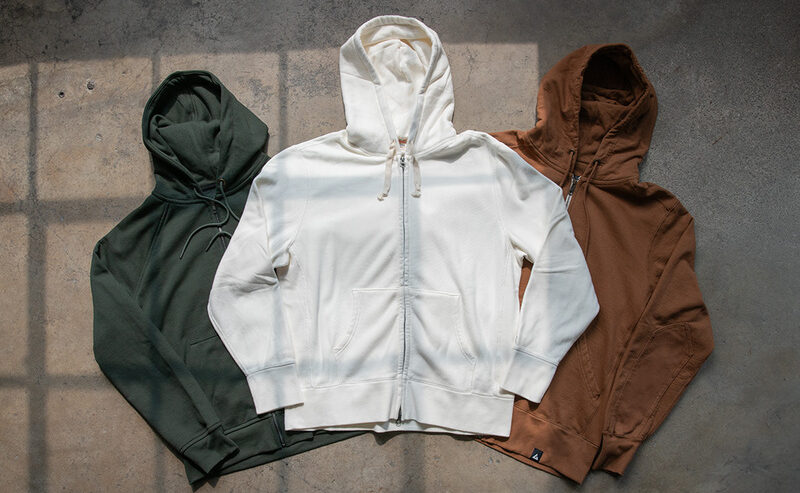
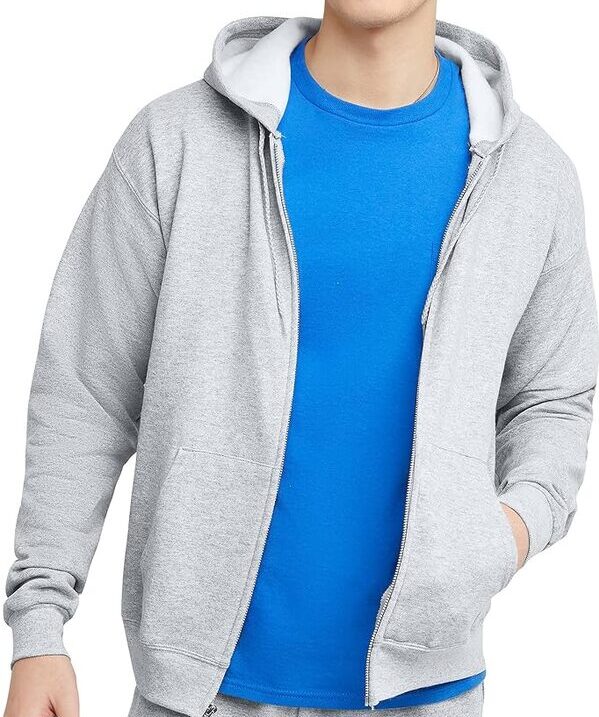
Proper fit improves wearability because a zip hoodie is often worn during commuting, layering, walking, and long hours of casual activity.
If the fit is too tight, the zipper area may pull, the shoulders may restrict movement, and the garment becomes harder to wear over other layers. If the fit is too loose, the hoodie may feel bulky, unstable, or harder to style.
A good fit makes the hoodie easier to zip, easier to wear open, and easier to repeat across daily situations. That is why fit is not only about appearance. It is a core part of practical usability.
A strong zip hoodie fit balances comfort with visual proportion because comfort alone is not enough if the garment loses shape.
The hoodie should feel relaxed enough for movement and layering, but still structured enough to look stable when zipped or worn open. Since the zipper creates a visible center line, poor proportion becomes easy to notice.
If the torso is too wide, the front can feel heavy. If the length is off, the hoodie can look stretched or unresolved. The best fit is one that feels natural on the body while preserving a clear silhouette.
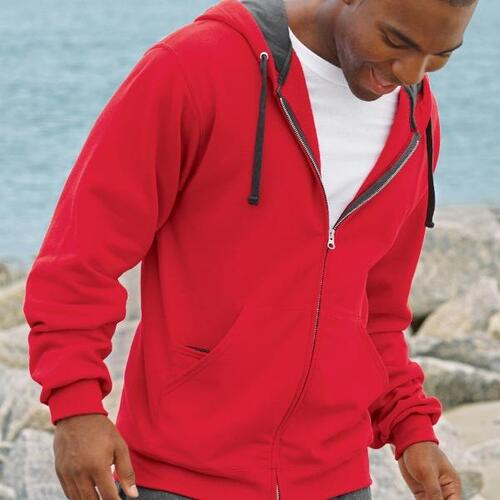
The shoulders are the structural anchor of hoodie fit. If shoulder placement is wrong, the rest of the garment usually feels less balanced.
Good shoulder alignment improves comfort, front stability, and overall silhouette. It also affects how well the hoodie layers and moves during daily wear.

Shoulder seam placement is one of the clearest indicators of correct hoodie fit.
In a standard or relaxed zip hoodie, the seam should usually sit close to the natural shoulder edge or slightly beyond it, depending on the intended silhouette. If the seam sits too far inward, the hoodie may feel tight and restrictive. If it falls too far down without clear oversized intent, the garment can appear collapsed.
A well-placed shoulder seam gives the hoodie structure and helps the rest of the fit work properly.
A zip hoodie should align naturally with the upper body so the garment feels easy instead of forced.
This means the shoulder line should follow the body without pulling upward or dropping too far down the arm. Good alignment matters because the shoulders support the hood, sleeves, and zipper structure.
When this area fits properly, the front hangs more evenly and the hoodie layers more comfortably. The best result is a garment that feels connected to the body without becoming tight.


Overly tight shoulders usually show up through pulling, resistance in arm movement, and tension across the upper chest when the hoodie is zipped.
Overly loose shoulders usually appear through dropped seams, extra bunching, and a front that feels less controlled.
In both cases, the problem affects more than appearance. Tight shoulders reduce mobility. Loose shoulders reduce stability. Good fit means the shoulders allow easy movement while still anchoring the garment visually.
Chest and torso fit determine how comfortable the hoodie feels through the day and how stable the zipper area remains.
These sections also define the main body shape of the garment. A good fit gives enough room for movement while keeping the hoodie visually controlled.
Chest allowance matters because a zip hoodie needs enough room to move with the body while still closing comfortably at the front.
The garment should not strain when zipped, and it should not pull across the chest during ordinary motion. A proper chest fit supports walking, sitting, reaching, and layering over a base garment.
If the chest is too tight, the zipper line can buckle. If there is enough allowance, the hoodie feels more reliable and easier to wear throughout the day.
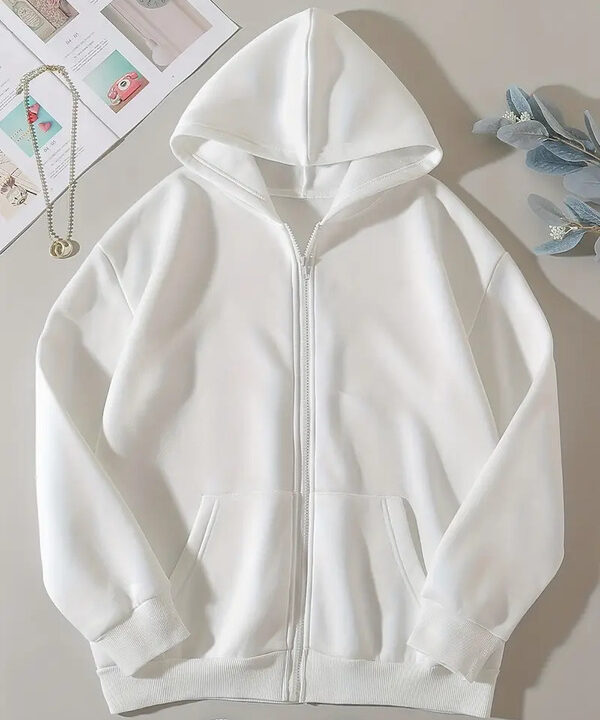

Balanced torso width determines how the hoodie hangs from shoulder to hem.
A hoodie with the right width feels relaxed enough for casual wear, but still controlled enough to maintain front structure. This helps the garment work whether it is fully zipped, partly open, or layered over another piece.
If the torso is too narrow, the hoodie feels tense. If it is too wide, the silhouette may become inflated or unstable. The best torso fit feels easy without losing outline.
A strong zip hoodie avoids both extremes.
A tight silhouette reduces movement, increases zipper tension, and makes layering more difficult. A very baggy silhouette may feel comfortable at first, but can become bulky, less flattering, and harder to coordinate in casual outfits.
The most dependable hoodie fit usually sits between these two extremes. It feels relaxed, but still controlled enough to support daily use.
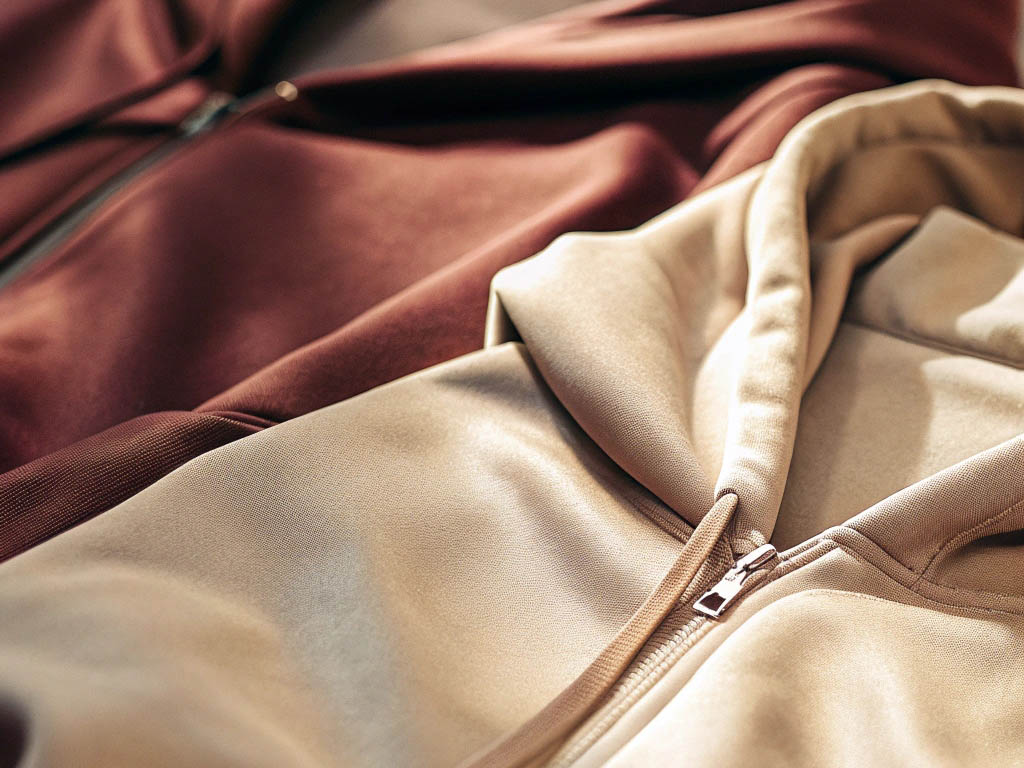
Choosing the right size matters because size affects zipper behavior, layering ability, shoulder position, sleeve length, and overall comfort.
Many sizing mistakes happen because people choose by label alone. The correct size should be judged by measurements and intended silhouette.
Size charts matter because size labels are not fully consistent across brands.
A better method is to review actual measurements such as shoulder width, chest width, sleeve length, and body length. These numbers describe how the hoodie will fit more accurately than S, M, or L alone.
The most useful approach is to compare the chart with a hoodie that already fits well. This helps prevent common fit mistakes before purchase.
Designed fit and sizing up are not the same.
A hoodie that is intentionally relaxed or oversized is built so that body width, shoulder drop, sleeve volume, and length work together. Simply sizing up a standard-fit hoodie may add space, but it may also create poor length balance or unstable shoulders.
The key question is whether the proportions still look coordinated when worn. A designed loose fit usually feels intentional. Randomly sizing up often does not.
Incorrect sizing usually becomes clear through movement, zipper behavior, and overall proportion.
A hoodie that is too small may pull across the chest, restrict the arms, and create tension when zipped. A hoodie that is too large may drop too far at the shoulders, feel too long, and lose front stability.
The best indicator is whether the garment feels easy and visually balanced in real use. If it looks strained, awkward, or inconvenient during ordinary wear, the size is likely wrong.
Zip hoodies usually fall into a few main fit categories. Each creates a different balance of silhouette, comfort, and daily usability.
Understanding these fit styles helps separate intentional design from poor sizing.
Standard fit zip hoodies are shaped for straightforward everyday wear.
They usually follow the body more closely than relaxed or oversized styles, while still allowing enough room for layering and movement. This fit works well for wearers who want a cleaner casual silhouette and broad wardrobe compatibility.
Because the shape is more controlled, the zipper line often sits neatly, and the garment layers more easily under outerwear. Standard fit works best when the wearer values simplicity, stability, and practical repeat wear.
Relaxed fit hoodies provide more space through the chest, torso, and sleeves without becoming fully oversized.
This makes them especially practical for everyday casual wear. They support movement, layering, and comfort while still keeping a stable shape. In zip hoodies, relaxed fit often gives the best balance between softness and structure.
A good relaxed fit feels intentional rather than sloppy. For many wearers, it is the most reliable zip hoodie silhouette.
Oversized zip hoodies use extra width, looser body volume, and often dropped shoulders to create a stronger casual silhouette.
This fit can work well in streetwear or relaxed urban styling, but it needs more proportion control than standard or relaxed fits. Because the hoodie has a front zipper, poor oversized balance can make the garment look heavy or unstable more quickly.
Oversized works best when the extra volume is designed into the whole garment rather than created by random sizing up.
Sleeves affect both comfort and proportion. If the sleeve design is wrong, the hoodie becomes inconvenient even if the torso fit is acceptable.
Good sleeve balance supports mobility, ease of wear, and silhouette clarity.
Proper sleeve length usually means the sleeve reaches the wrist comfortably without covering too much of the hand or stopping too high during normal movement.
If sleeves are too short, the hoodie can feel undersized. If they are too long, the garment can look heavier and less controlled.
The correct sleeve length should feel natural when the arms rest at the sides and remain functional during everyday movement.
Arm mobility is essential because hoodie wear includes reaching, carrying, commuting, and casual activity.
The sleeves should move with the body without pulling sharply at the shoulders or chest. This depends on the relationship between sleeve shape, armhole construction, and torso allowance.
A good zip hoodie should feel easy during ordinary daily tasks, not only while standing still.
A strong hoodie avoids both sleeve restriction and unnecessary excess.
Restrictive sleeves create tension and reduce movement comfort. Sleeves that are too long may bunch too much at the wrist, interfere with the hands, or weaken visual proportion.
The best sleeve fit supports movement while still ending cleanly and naturally at the arm.
Different body types interact with hoodie fit in different ways. The goal is not to force one silhouette on every wearer.
The goal is to choose a fit that keeps the garment balanced relative to the body.
For average builds, a balanced silhouette usually comes from standard or relaxed fit proportions.
These fits preserve hoodie structure while keeping comfort high. The zipper line also tends to sit more cleanly when the garment is neither too narrow nor too roomy.
A good result should look stable from shoulder to hem and feel easy during movement.
Broader body frames often benefit from relaxed fits because extra chest and torso space can improve mobility and front-closure comfort.
This is especially useful in zip hoodies, where a tight chest or shoulder line can create pulling around the zipper and reduce wearability.
A relaxed fit should feel comfortable without becoming boxy or visually inflated. The right amount of room should feel intentional rather than excessive.
Slimmer proportions often work well with structured standard fits or restrained relaxed fits.
These silhouettes keep the hoodie from looking overly loose relative to the body. A very oversized hoodie can sometimes make a slimmer frame look visually smaller unless the rest of the outfit supports the volume well.
A more structured fit usually helps the hoodie sit cleanly and keeps the zipper line more controlled.
Most hoodie fit problems come from imbalance rather than from one small measurement alone.
Because the zip front makes silhouette easy to read, poor fit often becomes visible quickly.
Oversized fits become a problem when extra space is added without controlling shoulder drop, body length, or sleeve balance.
The hoodie may feel comfortable at first, but still look unstable if it hangs too long, drops too low at the shoulders, or overwhelms the wearer’s frame.
Oversized can work well, but only when the volume is distributed with intention.
Tight fits are a common mistake because they weaken one of the hoodie’s main advantages: ease of wear.
A hoodie that is too close to the body often pulls across the zipper, limits shoulder and arm movement, and makes layering harder.
If the garment feels restrictive in simple daily situations, the fit is too narrow to work well as an everyday zip hoodie.
Length imbalance affects silhouette because body length has to relate correctly to width and sleeve volume.
A hoodie that is too long may feel stretched and visually heavy. A hoodie that is too short relative to its width may feel unfinished unless the proportion is intentionally designed that way.
Because the zipper creates a strong vertical line, poor body length becomes easy to notice. Good silhouette depends on balanced vertical proportion.
A zip hoodie can be judged more clearly when fit is reviewed in sequence.
Instead of relying only on size labels or first impression, it is better to check shoulders, torso, sleeves, and movement together.
1.Shoulder alignment check
2.Chest and torso comfort check
3.Sleeve length check
4.Mobility and overall proportion check
We’ll get back to you within 24 hours. Attach your logo/design if needed.
💡 1 . Share your logo, fabric, and quantity for T-shirts, hoodies, and more.
📐 2. We’ll prepare samples for your approval.
🚚 3. Bulk production starts after deposit.
✅ We value your privacy. Your information is 100% safe and confidential.
📦 Need help? Chat with us via WhatsApp anytime!

Note: Your email information will be kept strictly confidential.
Note: Your email information will be kept strictly confidential.
Request a quote, discuss MOQ, lead time, fabrics & QC.
Visit our brand store: Modaknitswear
Retail orders (and dropshipping options) are available on Modaknitswear.