
 Skip to content
 How Fabric Determines Comfort, Breathability, and Daily Wear Experience
Fabric is the main factor that determines whether everyday pants actually work in urban life.
Style can shape first impressions, but fabric decides how the pants feel on the body, how they handle heat, how they recover after movement, and how well they survive repeated wear.
For MODAKNITS, fabric is not a secondary detail. The brand positions fabric research, urban knit engineering, comfort, durability, and multi-scene adaptability as core product logic.
That makes fabric performance the foundation of daily wear experience.
In everyday pants, fabric matters more than most users first realize.
It affects nearly every part of the wear experience, from softness and airflow to shape retention and long-term stability.
That is why fabric should be judged as a performance system, not as a background material choice.
Fabric matters more than appearance because it controls how the pants perform after the first impression ends.
Style can make pants look modern, minimal, or refined, but fabric determines whether they remain comfortable during commuting, sitting, walking, and all-day urban use.
A pair of pants may look well designed and still fail if the material traps heat, bags out, or feels unstable after repeated wear.
In daily life, these fabric behaviors have more effect on actual satisfaction than silhouette alone.
For MODAKNITS, this point is especially important because the brand is built around fabric research, touch, durability, and urban functionality rather than decorative styling.
Material performance is not supporting the product. It is defining it.


Fabric defines comfort, breathability, and durability because it shapes both immediate feel and long-term behavior.
Comfort begins with touch, softness, and skin contact, but it extends into how the material moves, stretches, and settles across the day.
Breathability depends on whether the fabric can release heat and moisture in daily use. Durability depends on whether it resists pilling, deformation, bagging, and early decline after washing and repeated movement.
These are not separate features. They are linked through the fabric itself.
This is why fabric matters so much in everyday pants. It is the point where comfort, usability, and long-term stability all meet.
Fabric is the foundation of everyday wear experience because every other comfort claim depends on it.
Fit matters, but fit can only perform well if the material supports it. Design matters, but design becomes less useful when the fabric overheats or loses shape.
Even versatility depends on material behavior, because a garment that only feels good in one temperature or one short wear window cannot function as a real everyday piece.
Fabric is the base layer of all these outcomes.
In practical terms, fabric is not only what pants are made of. It is what determines whether they succeed in urban daily life.

Everyday pants are built from a relatively small group of fabric families, but those fabrics behave very differently in real use.
The most useful distinctions are not marketing labels, but material logic: natural softness, synthetic performance, and whether the construction is knit or woven.
Each one changes comfort, structure, and adaptability.
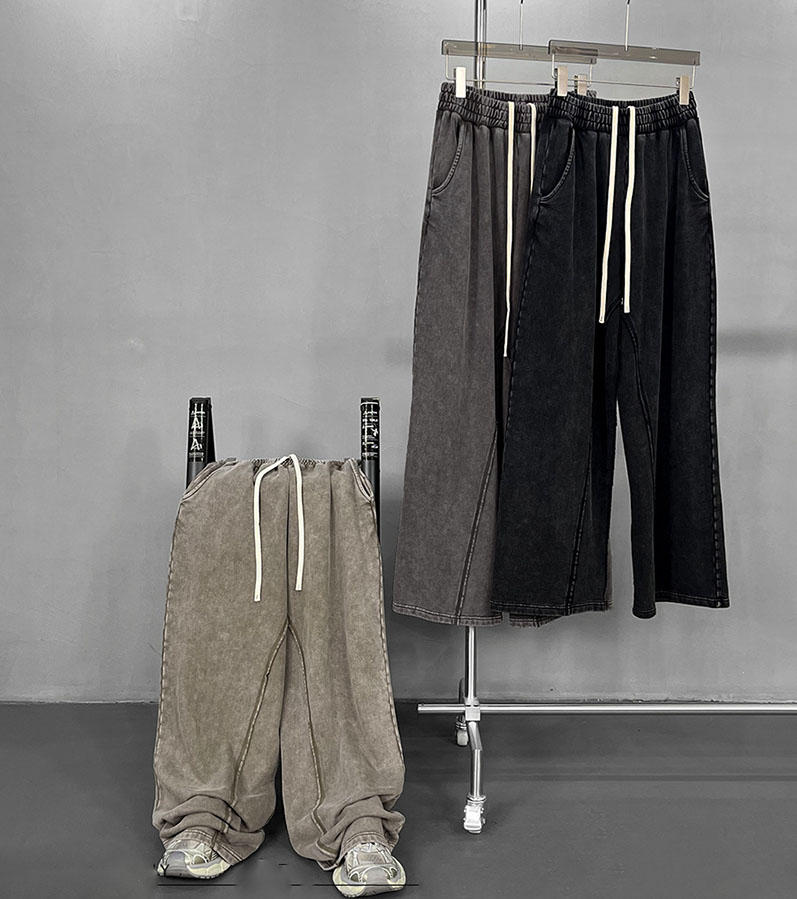
Cotton-based fabrics are widely used because they offer familiarity, softness, and an easy everyday handfeel.
Cotton is commonly associated with comfort because it feels natural against the skin and usually avoids the artificial surface sensation that many users dislike.
In everyday pants, cotton-based fabrics often perform well when the goal is softness, relaxed wearability, and easy acceptance in casual urban settings.
They tend to feel intuitive and low-pressure, which is why they remain central in daily wardrobe basics.
Cotton-based options are especially strong when they are balanced with enough structure and recovery for repeat use.
Synthetic blends are common because they can improve durability, resilience, and practical performance in daily wear.
Blended fabrics often help pants resist wrinkling, recover better after movement, and maintain more stable structure through washing and repeat wear.
In urban use, these properties matter because pants are exposed to long sitting, commuting, changing weather, and repeated use without much tolerance for deformation.
Synthetic content can also support moisture management, airflow control, and a lighter performance feel when handled well.
This makes synthetic blends especially relevant when daily practicality is a stronger priority than purely natural handfeel.
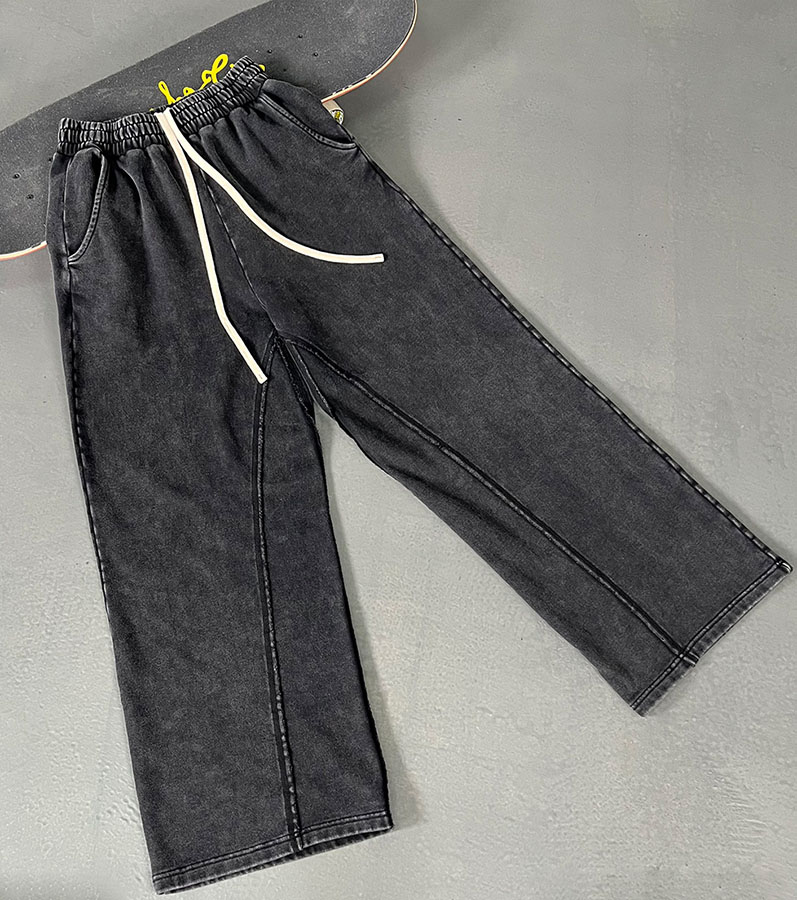
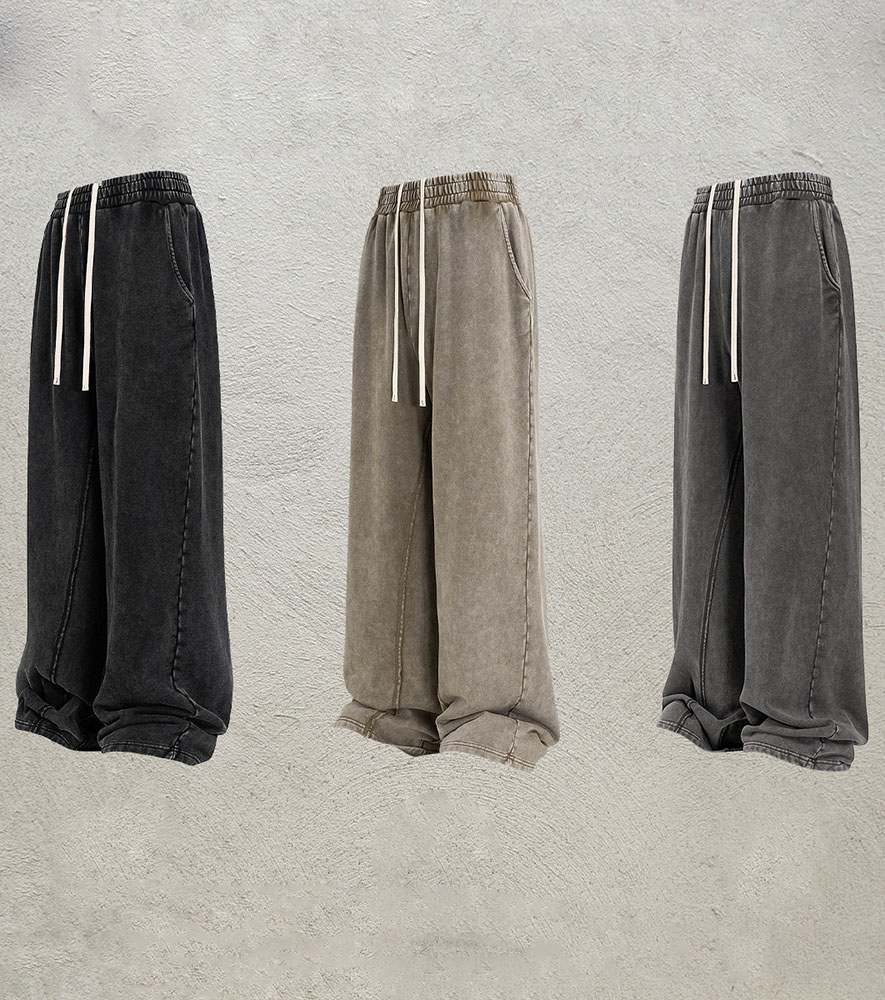
Knit and woven fabrics differ mainly in how they balance flexibility and structure.
Knit fabrics usually provide more ease, softness, and movement adaptability. They tend to feel more forgiving on the body and are often better suited to comfort-driven everyday wear.
Woven fabrics usually offer more visible structure, cleaner line retention, and stronger surface stability. They often feel more controlled and can appear more refined in casual urban settings.
The right material choice therefore depends on how much daily use demands flexibility versus formal control.
For everyday pants, the useful question is not which category is better in theory, but which one matches the wearer’s real routine.
The best fabric for everyday pants is rarely the softest or the toughest in isolation.
Daily wear requires balance. Pants have to feel comfortable enough to wear for hours, but stable enough to survive repeated use without quickly collapsing in shape or performance.
The core trade-off in everyday pant fabrics is softness versus strength.
Soft fabrics tend to feel better immediately, especially for users who are sensitive to touch, dryness, or stiffness.
But very soft materials can also lose shape, bag out, or feel less reliable through repeated wear. Stronger fabrics often hold line and resist wear better, but they can feel harsher, less breathable, or too rigid for long daily use if the balance is wrong.
This trade-off matters because urban wear is repetitive. Pants are not judged once. They are judged after many wears, many seated hours, and many wash cycles.
The ideal everyday material should preserve enough softness to remain pleasant on the body while carrying enough strength to protect shape, stability, and long-term usefulness.
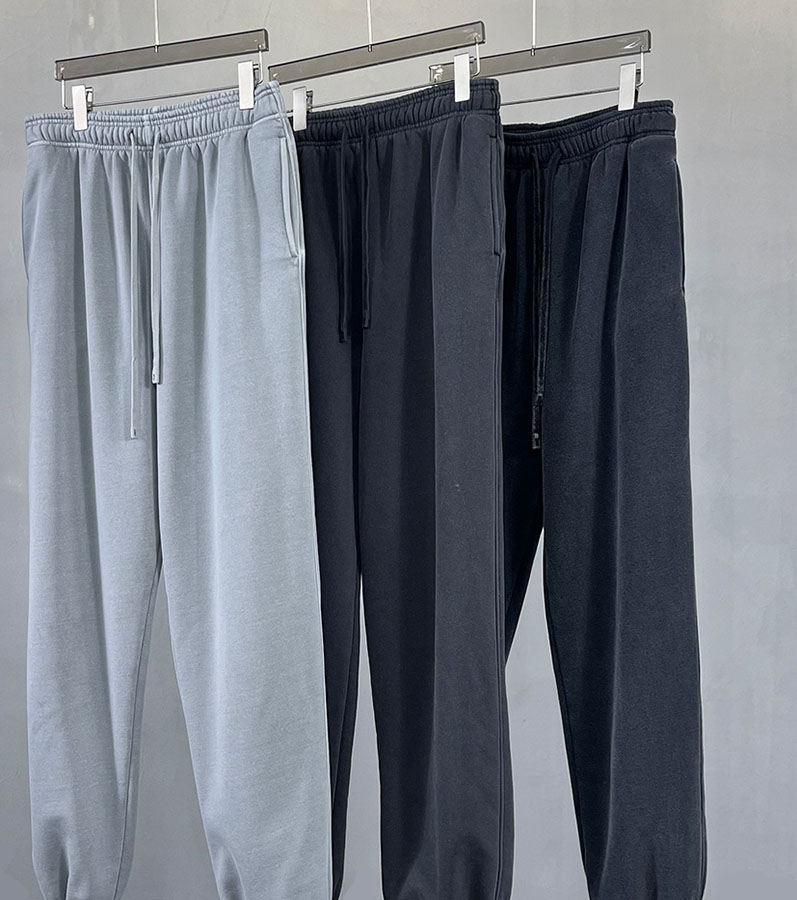
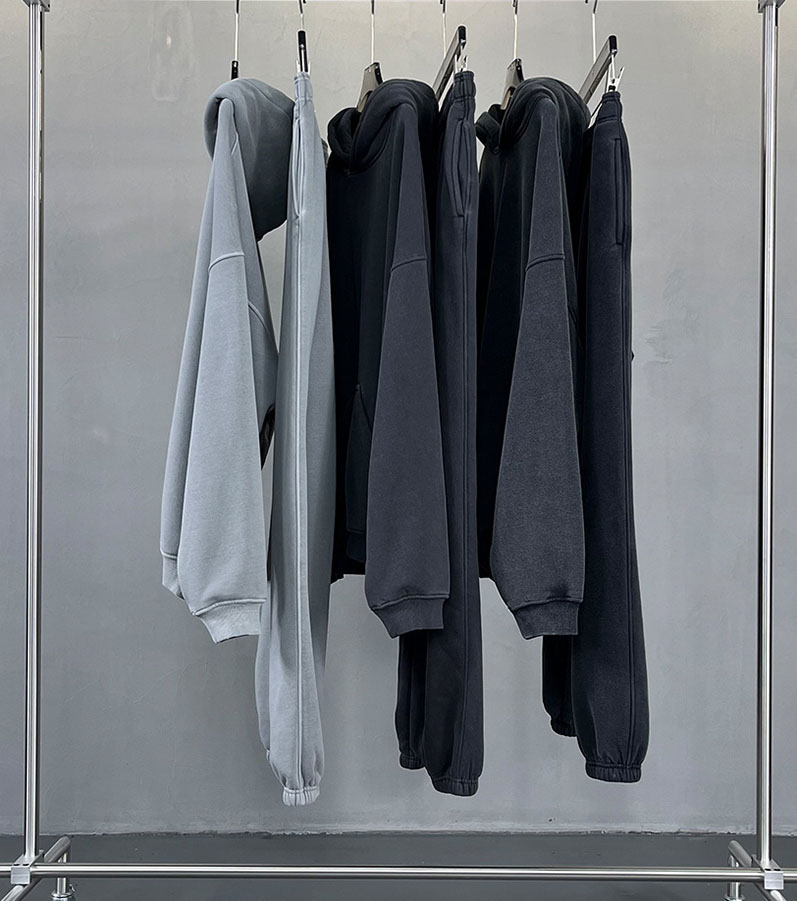
Blended fabrics are often the most balanced solution because they combine comfort with practical stability.
When natural fibers are supported by synthetic or performance-oriented components, the result can offer a more usable middle ground.
The fabric may feel softer and more breathable than a purely technical material, while still recovering better and aging more reliably than a purely soft one.
In everyday pants, this kind of balance often matters more than any single premium-sounding feature.
A blended fabric works well when it supports both the body and the routine. It should feel good enough to wear often and stable enough to keep earning that use.
Extreme softness and extreme durability both fail when they ignore the full demands of daily wear.
Very soft fabrics can feel luxurious at first and still become unstable, clingy, or too easily deformed after hours of wear.
Extremely durable fabrics can last physically while remaining too rigid, too warm, or too demanding for real everyday comfort.
In both cases, the problem is imbalance. The material performs strongly in one direction while neglecting the total wear experience.
This is why daily urban pants should not be selected through single-feature thinking. The best everyday performance comes from a material that remains comfortable, breathable, and structurally dependable at the same time.
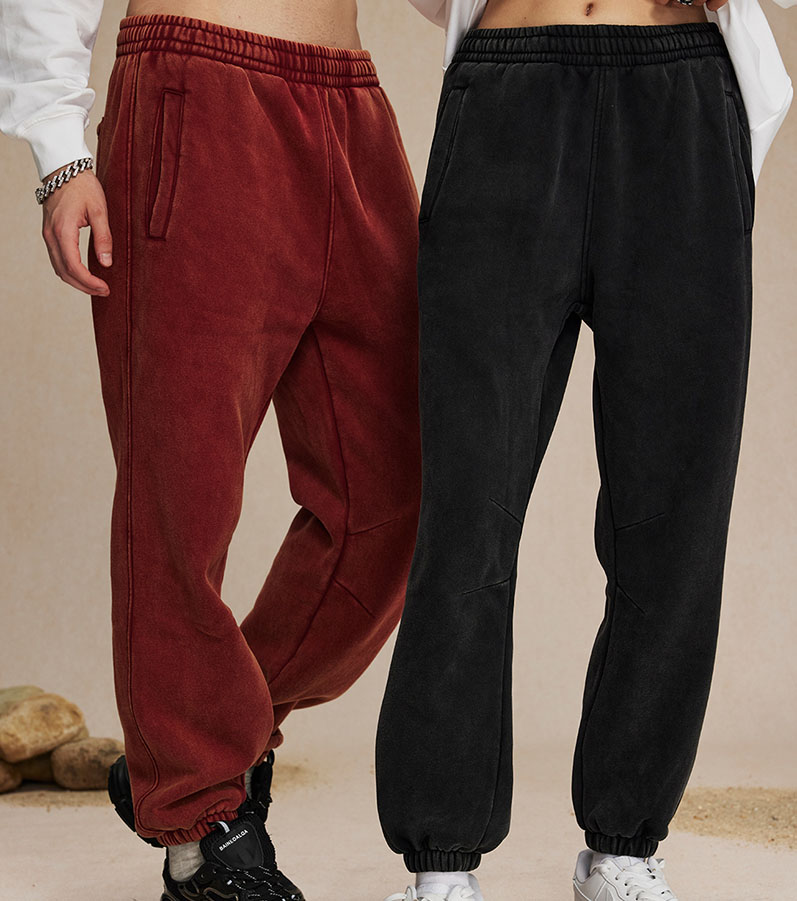
Breathability matters because everyday pants are worn across movement, temperature shifts, and long hours of body contact.
A fabric that cannot regulate heat and airflow will usually feel less comfortable than its surface softness suggests.
Thermal behavior is one of the clearest fabric-level tests of real wearability.
In urban daily wear, breathable fabric means fabric that helps the body stay stable rather than overheated or trapped.
Breathability is often described too vaguely. In practice, it means the material allows enough heat and moisture to escape during ordinary activities such as walking, commuting, sitting indoors, or moving between public spaces.
A breathable pant does not need to feel airy in a technical sense. It needs to avoid building discomfort as the day develops.
This matters because urban life includes long indoor periods, climate-controlled spaces, and repeated transitions.
Breathability, in this context, is not sportswear language. It is daily comfort logic.
Airflow, moisture control, and heat management work together to determine whether pants stay comfortable through a full day.
Airflow affects how quickly body heat can settle after movement. Moisture control affects whether the fabric begins to feel damp, clingy, or heavy.
Heat management affects whether the pants remain wearable in mixed conditions rather than only in one fixed climate.
A failure in any one of these areas usually makes the garment feel more present and more tiring over time.
Fabric that handles heat and moisture well is therefore a practical everyday advantage, not a technical bonus.
Indoor–outdoor transitions are one of the most useful tests of whether a pant fabric is truly wearable.
A fabric may feel fine outdoors and become oppressive indoors. It may feel comfortable in still air and fail during short walks, public transit, or climate shifts.
Everyday pants have to handle these transitions because modern urban routines rarely stay in one temperature band for long.
This is why temperature regulation is more useful than simple warmth or coolness as a fabric standard.
A strong fabric should remain usable across those changes without feeling too insulated, too closed, or too fragile for the moment.
Softness matters because it influences first comfort, skin contact, and how easy the pants feel from the start.
But softness becomes less useful when it undermines stability, structure, or long-term wear performance.
In everyday pants, softness should support usability rather than replace it.
Softness matters first because skin contact strongly shapes perceived comfort.
People notice roughness, dryness, and irritation quickly, especially in garments worn for long hours.
A fabric that feels smooth and skin-friendly tends to create immediate trust. For fabric-sensitive users, skin feel is not a detail. It is a decision driver.
But perceived comfort is still only the first layer.
Good skin contact helps pants feel easy to wear, yet it does not answer whether the material can remain stable, breathable, and supportive over time. In daily use, skin comfort needs structural support behind it.
Softness becomes less useful when it starts producing cling, collapse, or loss of structure.
Very soft fabrics can feel pleasant at first and still become less effective once they start clinging to the body, losing clean drape, or failing to hold a stable line.
This is especially relevant in pants, where the material must manage sitting, walking, and repeated movement without becoming visually or physically unstable.
A material that is too yielding can reduce both comfort and usability later in the day.
That is why softness should be judged together with structure. The best everyday fabric usually feels soft enough to be welcoming, but stable enough to resist collapsing into a clingy or shapeless state.
Overly soft fabrics can reduce usability because they often sacrifice support, recovery, and long-term control.
A very soft fabric may wrinkle faster, bag out more easily, or feel less secure across long hours of wear.
It may also lose visual discipline, which makes the pants harder to repeat across different social settings.
In daily urban wear, that can be a real limitation. Pants need enough body to remain calm, not just enough softness to feel luxurious for a few minutes.
Softness is useful when it supports stability, repeat wear, and shape retention. Once it starts working against those outcomes, it becomes less of an advantage and more of a trade-off.
The real quality of a pant fabric is revealed over time.
Daily wear exposes recovery, surface durability, and how the material handles repeated washing, motion, and pressure.
A fabric that starts well but declines quickly is not strong enough for true everyday use.
Shape retention and recovery are among the clearest indicators of whether a fabric is built for daily wear.
Shape retention determines whether the pants keep their intended line after sitting, walking, and washing.
Recovery determines whether the material can return after stress rather than staying stretched or distorted.
In everyday pants, these qualities matter because the lower body creates repeated pressure at the waist, seat, knees, and thighs.
Fabrics that recover poorly quickly begin to feel less controlled and less comfortable.
Resistance to wear, pilling, and deformation matters because surface decline changes both quality perception and real comfort.
A fabric does not need to remain visually untouched forever, but it should resist early fatigue.
Pilling makes the surface feel older and often rougher. Deformation reduces structural stability.
General wear resistance matters because everyday pants are expected to survive repeated use without quickly becoming tired-looking or physically compromised.
Resistance to wear is therefore part of everyday reliability, not only part of durability in a technical sense.
Fabric aging affects long-term comfort because comfort changes as the material changes.
Aging is not only visual. As fabrics wear, they may become looser, less breathable, less supportive, or more friction-prone.
A fabric that bags at the knees or deforms through the seat often feels less comfortable as well as less polished.
This is why long-term comfort cannot be separated from long-term material behavior.
A strong everyday fabric should age in a controlled way. It may soften slightly or settle with use, but it should not collapse, lose function, or become significantly harder to wear.
Fabric performance should always be judged in real scenarios, not just in abstract feature terms.
Urban daily wear includes commuting, indoor–outdoor transitions, long sitting, casual walking, and repeated low-level movement.
A fabric is only truly suitable when it remains useful across these ordinary conditions.
Commuting and long-hour wear reveal whether a fabric can remain comfortable under repeated body pressure and time.
During commuting, fabrics experience sitting, standing, walking, waiting, and climate shifts without much chance for reset.
Materials that overheat, wrinkle aggressively, feel too stiff, or lose shape during this cycle become less practical for daily use.
By contrast, fabrics with balanced softness, recovery, and breathability usually remain more stable and easier to live in.
Commuting is one of the most relevant real-world tests for fabric performance in everyday pants.
A useful everyday fabric should stay comfortable across indoor and outdoor environments without becoming too reactive to either one.
Indoor environments often expose overheating, poor airflow, and cling. Outdoor environments test insulation, wind response, and whether the fabric feels too thin or underprepared.
A material that performs well in only one of these conditions is less versatile than it first appears.
Daily urban use needs a more balanced response.
A good fabric should carry comfort across different environments rather than forcing the user into one narrow use case.
Movement, sitting, and daily activity show whether a fabric supports real body use rather than static presentation.
Some materials feel fine when standing still and fail once the body begins to move repeatedly.
Sitting may expose poor recovery. Walking may expose cling or friction. Daily activity may expose heat buildup, stiffness, or instability.
These are the moments when fabric performance becomes practical rather than theoretical.
That is why everyday pants should be judged while moving, not only while looking in a mirror. Fabrics that remain calm through ordinary activity are usually the ones that stay in the wardrobe longer.
People often choose fabric based on one attractive feature and ignore the rest of the wear experience.
This leads to common mistakes: softness without support, technical claims without daily relevance, or no attention to how the material behaves after repeated use.
Good judgment depends on looking at the full fabric system.
Choosing fabric based on softness alone is one of the most common mistakes in everyday pants.
Softness is easy to notice and easy to overvalue. It creates an immediate sense of comfort, especially during a short try-on.
But a fabric can feel soft and still perform poorly once it starts bagging out, clinging, trapping heat, or losing structure.
When this happens, the original comfort impression turns out to be incomplete.
Softness matters, but it has to be supported by stability, breathability, and long-term wear behavior. Otherwise the decision is too narrow.
Technical features are easy to overvalue when they are not connected to real daily use.
Words like stretch, anti-wrinkle, moisture control, or performance can sound impressive, but they do not automatically make a fabric better for everyday pants.
The important question is whether those features actually improve commuting, long wear, comfort, and cross-scene usability.
If they do not, they may add complexity without solving real problems.
Practical value comes from whether the fabric behaves better in normal city routines, not from how advanced the feature list sounds.
Ignoring long-term wear behavior is a major reason people misjudge fabric quality.
A fabric may feel premium when new and still decline too quickly through washing, sitting, and repeated wear.
When users focus only on initial touch, they often miss whether the material can recover, resist pilling, and keep its shape.
This leads to disappointment later because the fabric was only evaluated as a surface, not as a system over time.
For everyday pants, long-term wear behavior is one of the most important realities. The best fabrics are not only enjoyable on day one. They remain comfortable, visually stable, and practically useful after many days of ordinary use.
A useful fabric framework should be simple enough to repeat and specific enough to trust.
The best way to judge fabric in everyday pants is through three connected checks: comfort and skin feel, breathability and thermal balance, and durability over time.
If the fabric performs well in all three, it is much more likely to succeed in real urban wear.
1.Comfort and skin-feel check
2.Breathability and temperature check
3.Durability and long-term performance check
We’ll get back to you within 24 hours. Attach your logo/design if needed.
💡 1 . Share your logo, fabric, and quantity for T-shirts, hoodies, and more.
📐 2. We’ll prepare samples for your approval.
🚚 3. Bulk production starts after deposit.
✅ We value your privacy. Your information is 100% safe and confidential.
📦 Need help? Chat with us via WhatsApp anytime!

Note: Your email information will be kept strictly confidential.
Note: Your email information will be kept strictly confidential.
Request a quote, discuss MOQ, lead time, fabrics & QC.
Visit our brand store: Modaknitswear
Retail orders (and dropshipping options) are available on Modaknitswear.