
 Skip to content
 How Structure, Fabric Stability, and Craftsmanship Determine Long-Term Wear
The durability of a hoodie depends primarily on its construction quality.
Fabric stability, seam reinforcement, and structural design determine whether the garment maintains its shape and performance over time.
Understanding these construction elements helps evaluate whether a hoodie can withstand repeated daily wear.
Durability is a central requirement for garments worn frequently.
Hoodies used in daily routines experience repeated movement, washing, and environmental exposure.
Strong construction ensures that the garment remains functional and comfortable over time.
Daily clothing undergoes constant mechanical stress.
Walking, stretching, carrying items, and sitting create tension across seams and fabrics. Hoodies also experience friction from backpacks, outerwear, and regular washing.
Because of this repeated stress, weak construction may quickly lead to fabric damage or seam failure.
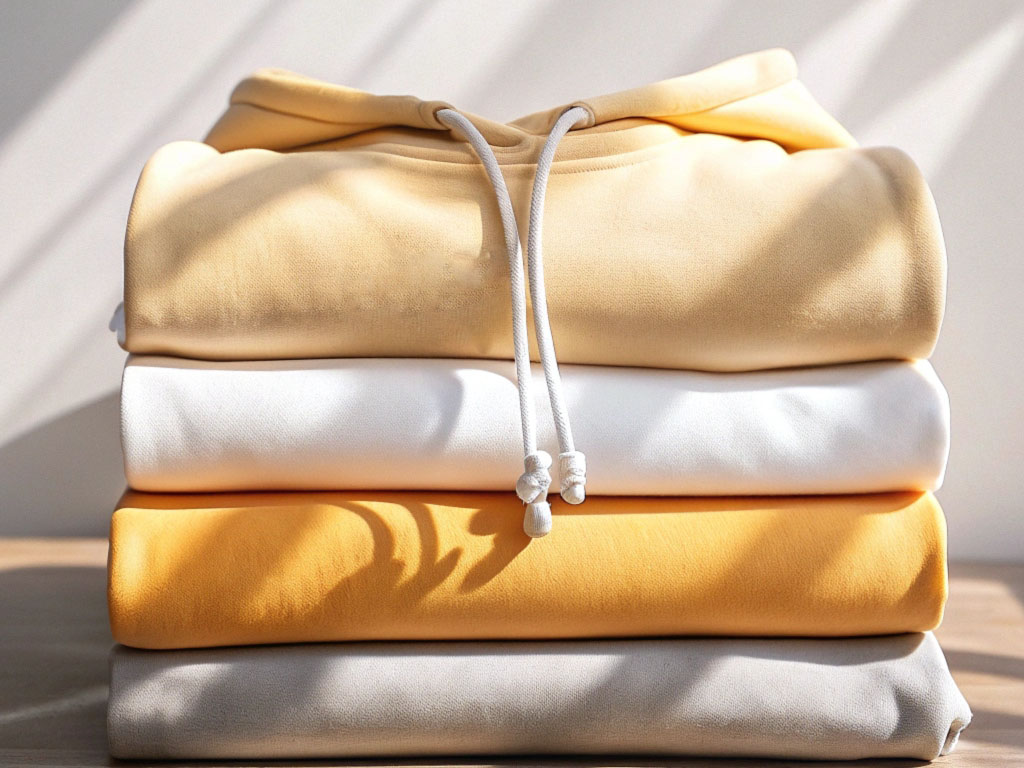

Durability reflects the long-term reliability of a garment.
A well-constructed hoodie maintains its structure, comfort, and appearance even after frequent use. Durable garments reduce the need for frequent replacement and remain consistent in performance.
This makes durability one of the most important indicators of hoodie quality.
Garments with weak construction often fail early.
Thin fabrics, poorly reinforced seams, or weak ribbing may deteriorate after repeated wear. These weaknesses can cause stretching, seam separation, or loss of shape.
Construction quality therefore directly affects garment lifespan.
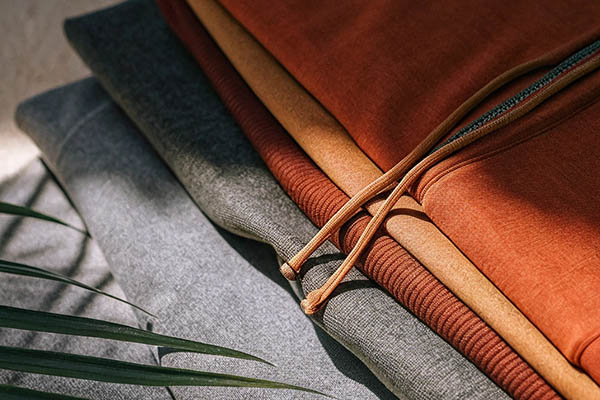
Certain parts of a hoodie experience higher mechanical stress than others.
These structural zones must be reinforced to maintain durability.
Understanding these areas helps identify where construction quality matters most.

The shoulders support much of the garment’s weight.
Movement of the arms and upper body places repeated tension on shoulder seams. Carrying bags or backpacks can further increase this stress.
Strong shoulder seam construction helps maintain structural integrity.
Cuffs and hems stretch frequently during wear.
Elastic ribbing must expand and contract repeatedly as the garment is put on, removed, and worn throughout the day. If ribbing lacks elasticity, it may loosen or lose shape.
Durable ribbing preserves garment structure.

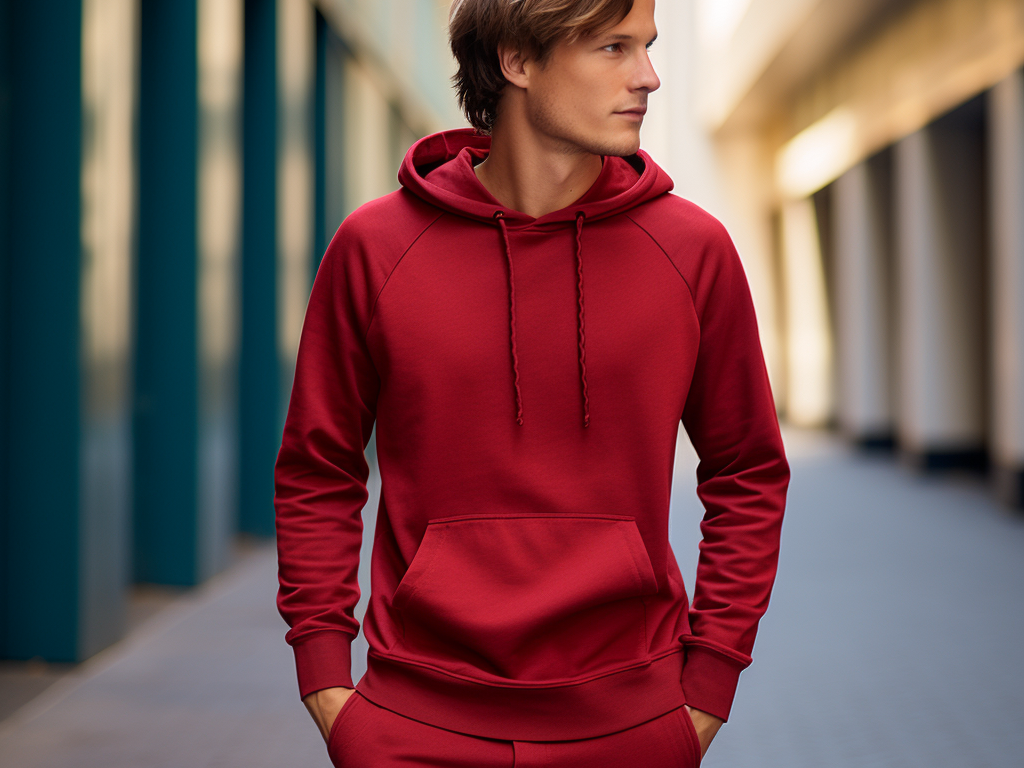
The hood adds weight to the upper portion of the garment.
Movement of the head and neck places tension on the neckline where the hood attaches. Weak reinforcement in this area may cause stretching or distortion.
Stable hood attachment improves long-term durability.
Seams hold the entire garment together.
Strong stitching distributes stress across fabric panels and prevents structural failure.
High-quality seam construction improves hoodie longevity.
Reinforcement strengthens key structural areas.
Additional stitching layers help distribute tension more evenly across seams, reducing the likelihood of tearing.
Reinforced seams provide greater resistance to repeated stress.


Double stitching adds durability where strain is greatest.
Areas such as shoulders, armholes, and pockets benefit from extra stitching lines that increase seam strength.
This design helps prevent seam separation.
Well-finished seams maintain fabric stability.
Loose threads or uneven stitching can weaken the garment structure. Clean seam finishing ensures even tension distribution across the fabric.
Proper finishing improves durability.
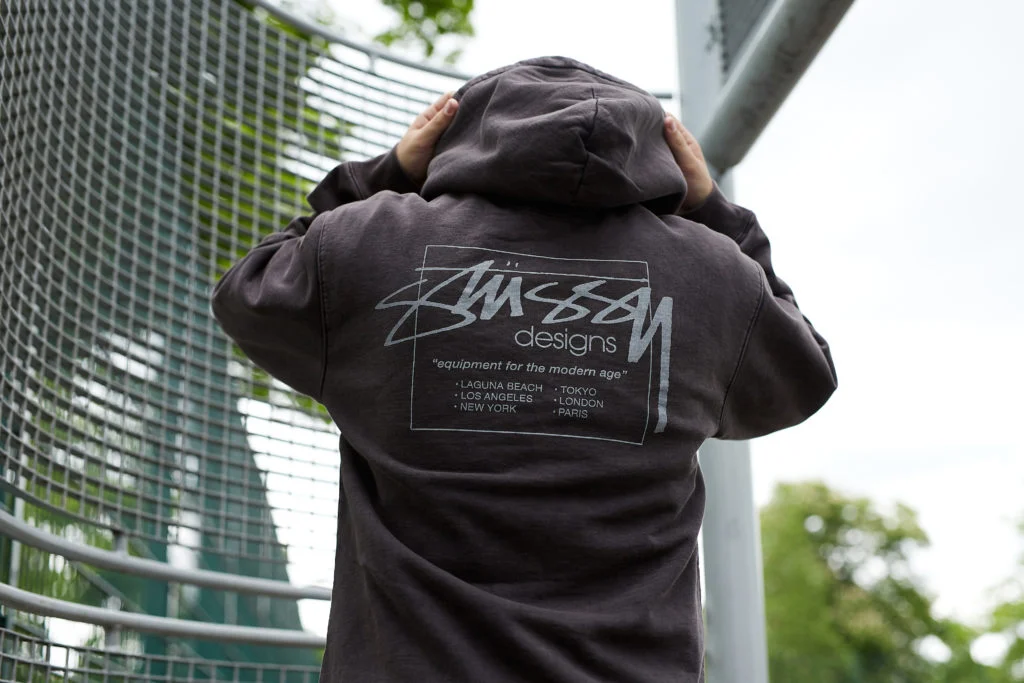
Durable hoodies require fabrics that maintain structural integrity.
Stable fabrics resist stretching, sagging, and deformation during repeated wear.
Material stability therefore contributes significantly to garment longevity.
Stable fabrics retain their original shape.
Repeated movement may stretch weaker materials, causing the garment to lose its intended fit. Durable fabrics resist excessive deformation.
This helps maintain silhouette stability.
Garments must tolerate continuous body motion.
Hoodies that maintain consistent fabric tension across the shoulders and torso remain structurally balanced during activity.
Stable materials support this performance.
Low-quality fabrics may gradually sag with repeated wear.
When fibers lose resilience, the garment may hang unevenly or stretch beyond its intended shape.
High-quality fabrics maintain structural firmness.
Knit density influences both durability and structural stability.
Dense knit fabrics distribute stress more effectively across the garment.
This structural quality improves long-term performance.
Tightly constructed knit fabrics resist abrasion and stretching.
Because the fibers are closely interlocked, the material maintains its integrity even under repeated stress.
Dense knit construction increases durability.
Elasticity allows fabrics to stretch slightly without permanent deformation.
Balanced elasticity ensures that the hoodie adapts to body movement while returning to its original shape.
This resilience helps maintain garment structure.
Fabric fatigue occurs when fibers weaken over time.
Durable knit structures distribute stress across multiple fibers, slowing the rate of material breakdown.
This extends the garment’s lifespan.
The hood and neckline form a critical structural junction.
Because this area supports both movement and garment weight, careful construction is essential.
Proper hood design improves both durability and shape retention.
Double-layer hoods provide greater structural stability.
The additional fabric layer increases thickness and distributes tension more evenly across the hood.
This design helps the hood maintain its shape.
The connection between the hood and neckline requires strong stitching.
Reinforced seams prevent stretching or tearing caused by repeated head movement or garment weight.
Stable neckline construction improves durability.
A well-designed hood distributes its weight evenly across the shoulders and neckline.
Balanced construction prevents excessive strain on a single seam area, reducing the risk of distortion.
This improves long-term garment stability.
Several construction elements help hoodies maintain their original silhouette.
These features prevent distortion and ensure consistent fit over time.
Structural reinforcement supports long-term shape retention.
Elastic ribbing allows cuffs to stretch while maintaining shape.
Quality ribbing returns to its original form after repeated expansion, preventing loose or sagging sleeves.
This helps preserve sleeve structure.
The hem stabilizes the lower portion of the garment.
Durable ribbing or reinforced hems help maintain vertical balance and prevent uneven stretching.
Stable hems support silhouette integrity.
Balanced fabric tension keeps the garment structured.
Well-constructed hoodies distribute weight evenly across panels, maintaining consistent drape and proportion.
This prevents long-term distortion.
Certain visual and structural indicators reveal low-quality construction.
Recognizing these signs helps avoid garments that may deteriorate quickly.
Early identification improves purchasing decisions.
Irregular stitching weakens seam strength.
Uneven thread spacing or loose threads may indicate poor manufacturing quality.
Weak stitching increases the risk of seam failure.
Low-density fabrics may lack sufficient strength.
These materials may stretch excessively or lose shape after repeated wear.
Thin fabrics often signal reduced durability.
A poorly reinforced hood may cause distortion at the neckline.
If the hood connection appears thin or loosely stitched, it may stretch over time.
Strong attachment improves durability.
Evaluating hoodie durability requires examining several structural factors.
These factors reveal whether the garment can withstand daily wear and repeated use.
A systematic approach improves durability assessment.
1.Seam strength check
2.Fabric stability check
3.Knit density check
4.Long-term shape retention check
Durability in men’s hoodies depends on strong construction, stable fabrics, and reinforced structural areas.
Key factors include dense knit fabrics, reinforced seams, durable ribbing, and well-constructed hood attachments.
Evaluating seam strength, fabric stability, knit density, and shape retention helps identify hoodies built for long-term everyday use.
We’ll get back to you within 24 hours. Attach your logo/design if needed.
💡 1 . Share your logo, fabric, and quantity for T-shirts, hoodies, and more.
📐 2. We’ll prepare samples for your approval.
🚚 3. Bulk production starts after deposit.
✅ We value your privacy. Your information is 100% safe and confidential.
📦 Need help? Chat with us via WhatsApp anytime!

Note: Your email information will be kept strictly confidential.
Note: Your email information will be kept strictly confidential.
Request a quote, discuss MOQ, lead time, fabrics & QC.
Visit our brand store: Modaknitswear

Retail orders (and dropshipping options) are available on Modaknitswear.