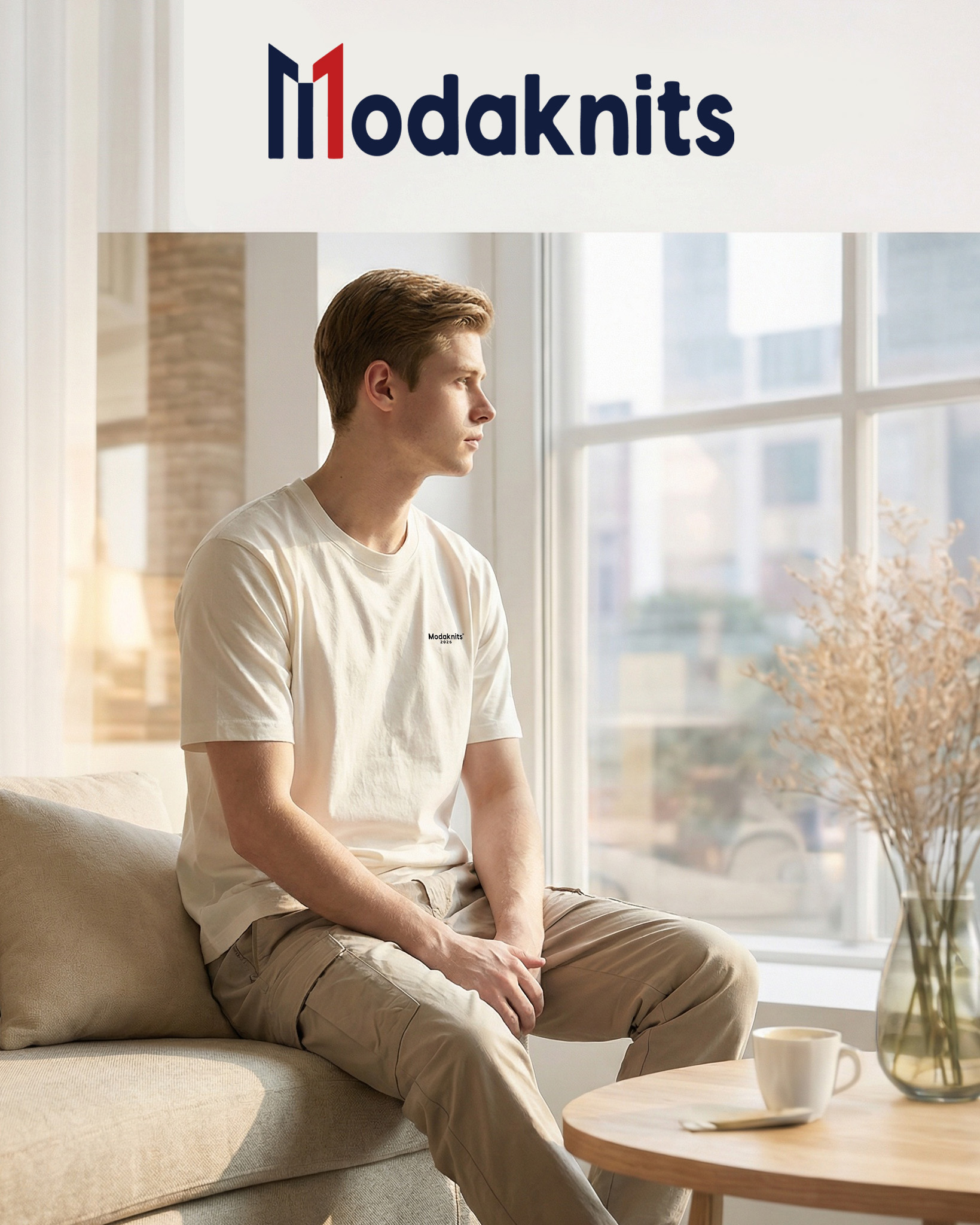
Why Oversized T-Shirts Support All-Day Urban Living
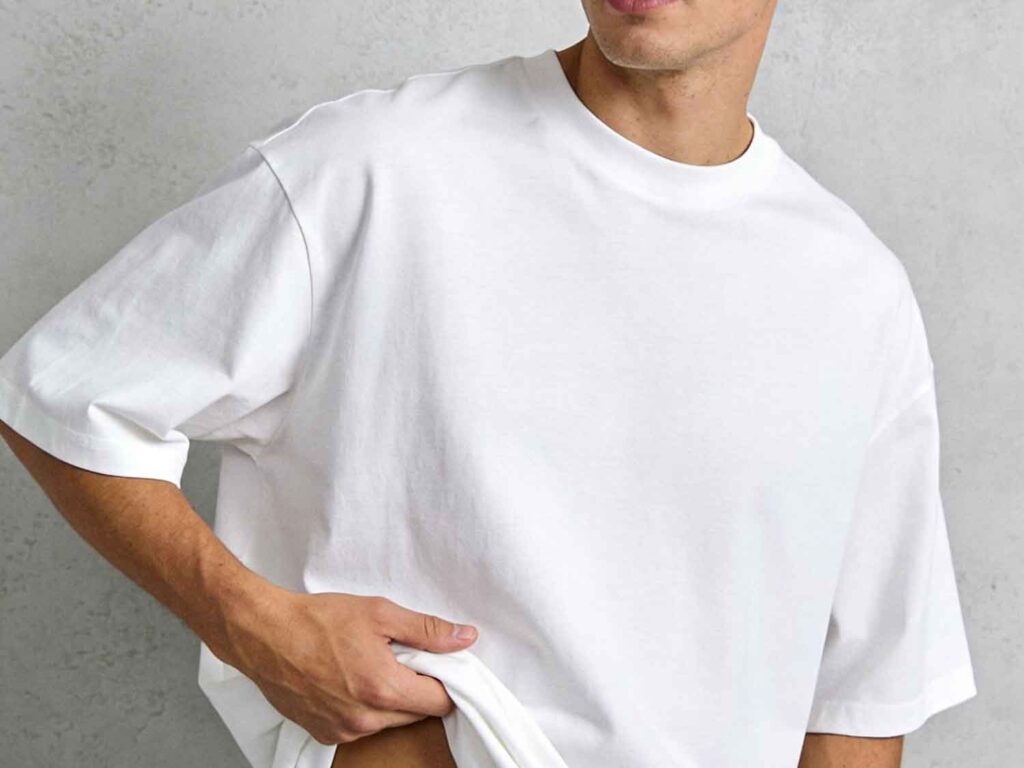
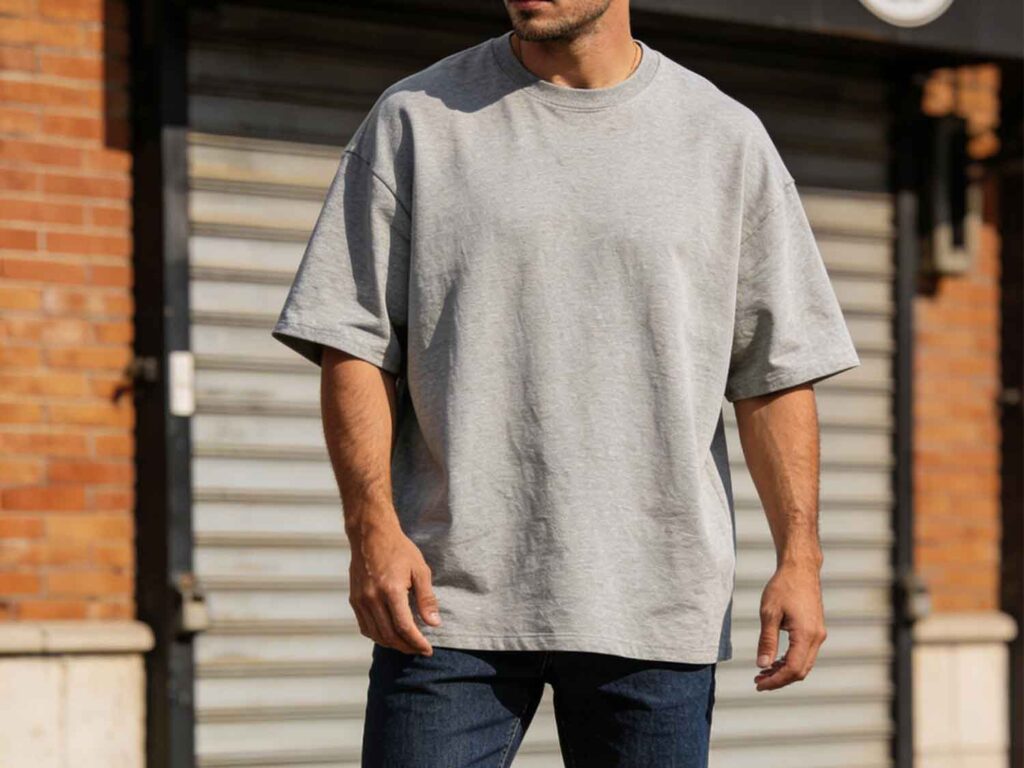
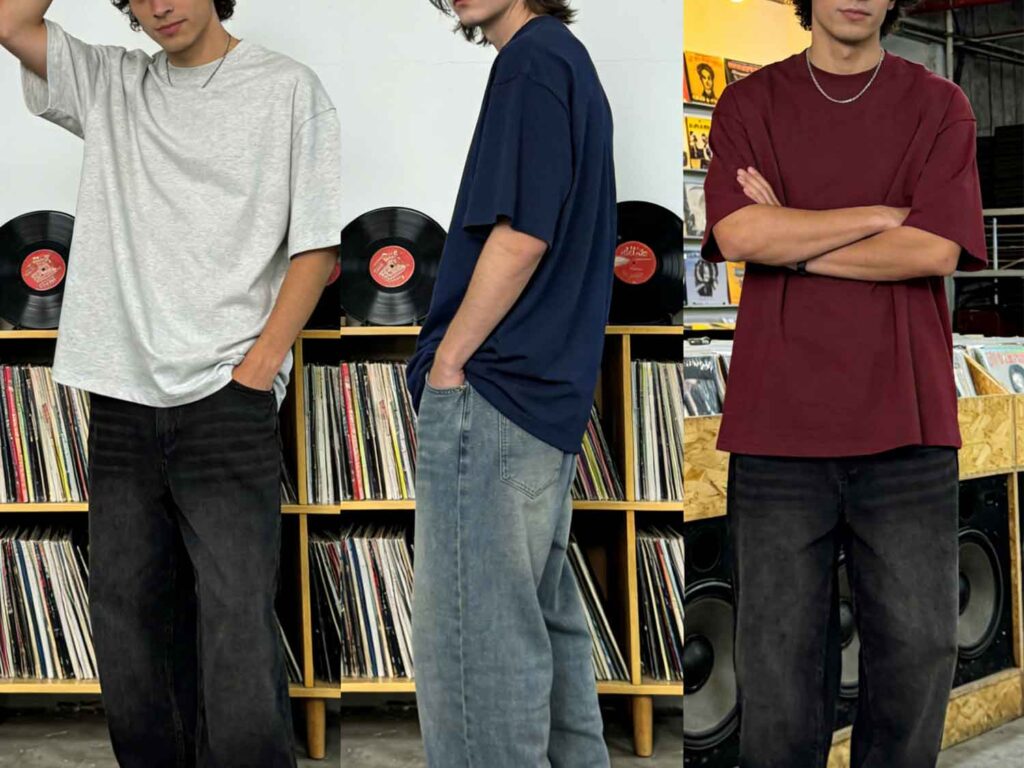
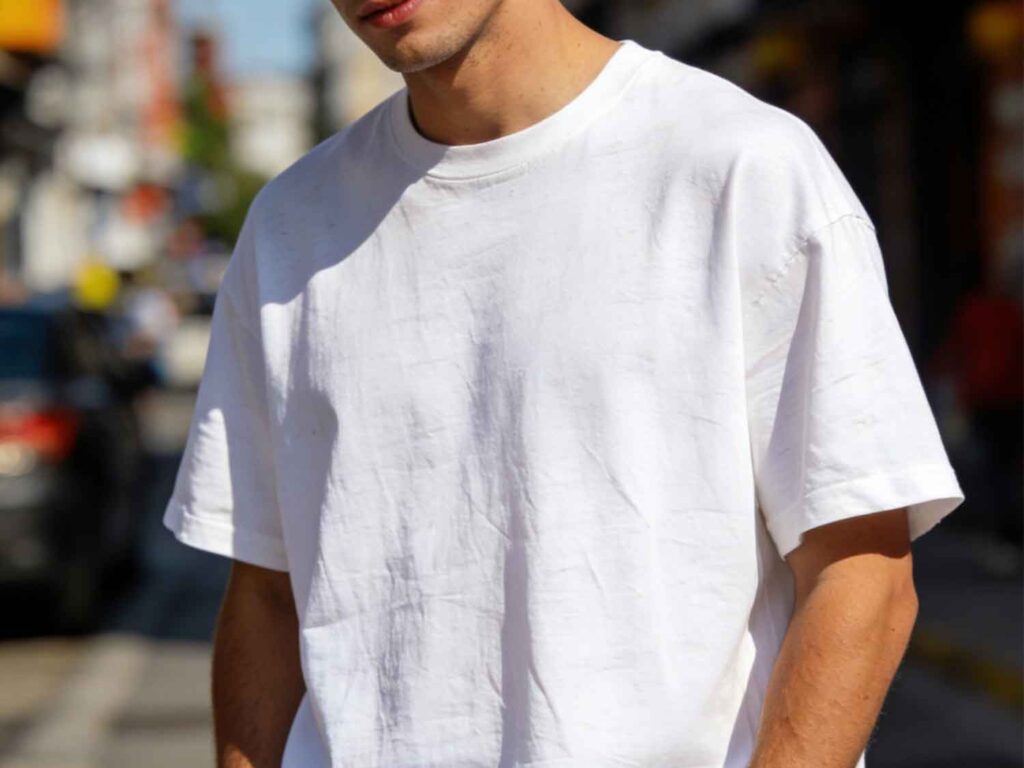
Oversized T-shirts are often associated with comfort, but comfort is not guaranteed by looseness alone.
In modern urban wear, true comfort depends on pressure distribution, movement freedom, fabric behavior, and mental ease sustained over long hours.
This page serves as the comfort authority for oversized T-shirts, explaining how and why well-designed oversized fits support all-day urban life from morning to night.
Comfort is frequently misunderstood as immediate softness or extra room.
This section reframes comfort as a long-duration performance standard, not a first impression.
Looseness describes space; comfort describes how the body experiences wear over time.
A garment can feel loose yet create pressure points, drag, or imbalance during movement. Oversized designs only become comfortable when looseness is controlled and aligned with the body’s mechanics.
Space alone does not equal comfort.
Comfort includes both physical relief and reduced mental awareness of the garment.
Physical comfort relates to pressure, friction, and heat. Mental ease comes from not needing to adjust, check, or think about what you are wearing.
Oversized T-shirts succeed when they disappear from conscious attention.
True comfort is measured at the end of the day, not at first wear.
Many garments feel pleasant initially but accumulate fatigue through pressure, heat, or restriction. Oversized designs are evaluated by how consistently they maintain comfort across hours of wear.
Comfort is a duration metric.
Mechanical comfort comes from how forces are distributed across the body.
This section explains how oversized designs reduce physical stress.
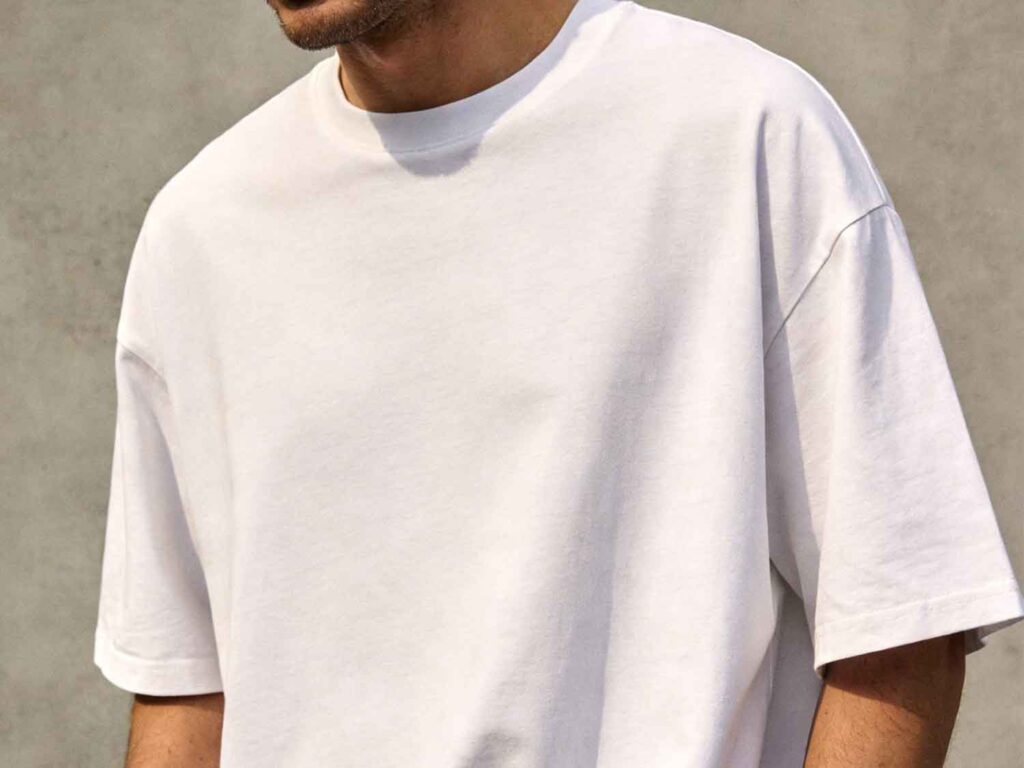
Oversized T-shirts reduce localized pressure by increasing contact area.
Instead of concentrating tension at shoulder seams, chest panels, or armholes, oversized fits spread load more evenly.
This reduces strain during long wear.
Looseness alters how fabric weight is carried by the body.
In tighter fits, fabric tension pulls against fixed points. In oversized fits, weight is distributed across a larger surface, lowering peak stress.
This redistribution improves endurance comfort.
Small pressure points accumulate fatigue over time.
What feels negligible for 30 minutes can become irritating after several hours. Oversized designs minimize these cumulative effects by avoiding constant tension.
Long-hour comfort depends on pressure management.
Urban life involves repeated, varied movement.
This section connects oversized design to real daily motion patterns.
Oversized fits allow joints to move without fabric resistance.
Additional ease around shoulders and arms reduces pull during reaching, lifting, and turning.

Movement remains fluid rather than constrained.
Oversized T-shirts accommodate frequent posture changes.
They adapt to walking, sitting, standing, and commuting without tightening or riding up.
This adaptability prevents micro-discomfort from accumulating.
Restricted fits create resistance that the body must constantly overcome.
Over time, this resistance leads to subtle fatigue and irritation. Oversized designs reduce this constant opposition.
Comfort improves when resistance decreases.
Skin comfort becomes increasingly important during long wear.
This section explains why oversized designs often feel better over time.
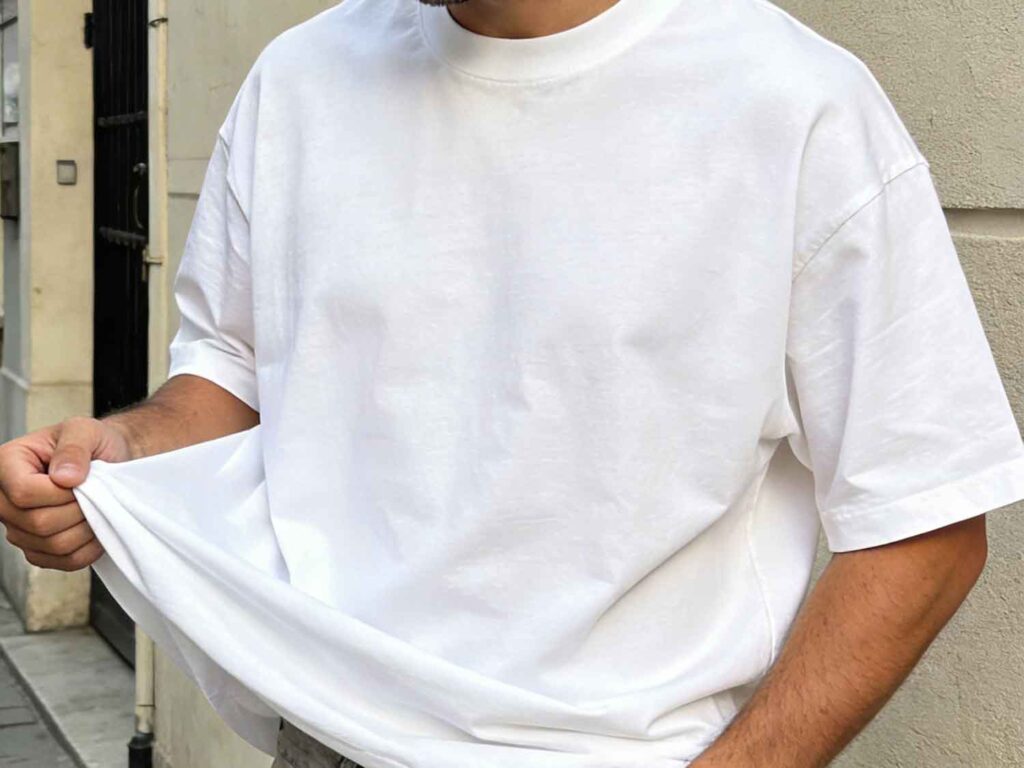
Oversized fits reduce constant contact and rubbing against the skin.
Less cling means less friction, especially during movement or perspiration.
This minimizes irritation across extended wear.
Increased spacing improves airflow and heat dissipation.
Oversized designs create micro-ventilation zones that allow heat and moisture to escape.
This helps regulate body temperature.
Fabric behavior determines whether comfort improves or degrades over time.
Poorly behaving fabrics can cling, trap heat, or stiffen. Oversized designs expose these behaviors more clearly.
Long-term comfort depends on fabric response, not just cut.
Urban environments involve frequent climate shifts.
This section addresses thermal adaptability.
Oversized T-shirts buffer temperature changes between environments.
They prevent sudden heat buildup indoors while still offering coverage outdoors.
This makes them suitable for variable conditions.
Oversized designs favor ventilation over insulation.
By avoiding tight contact, they allow excess heat to dissipate.
This reduces overheating during movement or indoor stays.
Oversized fits scale across climates when paired appropriately.
They function alone in warm conditions and layer easily in cooler ones.
Versatility enhances daily comfort.
Comfort is not purely physical.
This section explains the mental component of long-hour wearability.
Comfortable garments fade from conscious awareness.
Oversized T-shirts reduce the need for constant adjustment, tugging, or checking.
Mental load decreases when the garment stays stable.
Ease supports confidence more reliably than restriction.
When a garment moves with the body rather than against it, the wearer feels at ease in varied settings.
Confidence emerges from reliability.
Predictable comfort enables uninterrupted daily flow.
When clothing does not demand attention, routines remain smooth.
Oversized designs support this continuity.
Different fits behave differently over time.
This section provides comparative clarity.
Slim fits maintain constant tension; oversized fits minimize it.
Over long hours, tension accumulates discomfort. Oversized designs reduce this baseline strain.
Endurance favors ease.
Oversized fits offer a larger comfort margin than regular fits.
They accommodate posture changes, meals, and movement without crossing discomfort thresholds.
This margin matters over time.
Controlled oversized maintains comfort without becoming sloppy.
When structure and fabric are correct, oversized remains stable and comfortable from morning to night.
Control extends endurance.
Not all oversized designs deliver comfort.
This section explains why.
Unstructured excess creates drag and imbalance.
Too much fabric without support causes pulling and uneven weight distribution.
Comfort declines as instability increases.
Inappropriate fabrics negate the benefits of oversized design.
Heavy, non-breathable, or overly elastic fabrics can trap heat or sag.
Fabric choice is critical.
Oversized fails when it disrupts posture or movement.
If balance shifts or constant adjustment is required, comfort is lost.
Ease depends on equilibrium.
Comfort must align with real routines.
This section connects theory to practice.
1.Work-from-anywhere lifestyles
2.Commuting, travel, and extended wear
3.Why oversized supports repeat daily use
This framework provides a repeatable evaluation system.
1.Pressure and movement check
2.Skin contact and thermal comfort check
3.End-of-day comfort consistency check
We’ll get back to you within 24 hours. Attach your logo/design if needed.
💡 1 . Share your logo, fabric, and quantity for T-shirts, hoodies, and more.
📐 2. We’ll prepare samples for your approval.
🚚 3. Bulk production starts after deposit.
✅ We value your privacy. Your information is 100% safe and confidential.
📦 Need help? Chat with us via WhatsApp anytime!
Note: Your email information will be kept strictly confidential.
Request a quote, discuss MOQ, lead time, fabrics & QC.
Visit our brand store: Modaknitswear
Retail orders (and dropshipping options) are available on Modaknitswear.