
 Skip to content
 How Pants Should Feel, Move, and Perform in Real Urban Daily Life
Comfort in everyday pants should be judged as a full-day performance standard, not a first-touch impression.
A pair of pants may feel soft in the fitting room and still become restrictive, warm, unstable, or tiring after hours of commuting, sitting, and moving through the city.
For MODAKNITS, everyday wear is defined by fabric research, urban knit engineering, comfort, durability, and multi-scene adaptability. That means true comfort has to remain stable across real use rather than only at first try-on.
Comfort in pants is often misunderstood because people judge it too early and too narrowly.
Real everyday comfort is not just about softness. It is about whether the pants stay easy, stable, and physically quiet across long hours of ordinary wear.
Softness is only one part of comfort, and it is often the most misleading one.
Soft fabric can create a strong first impression, but softness alone does not guarantee that pants will perform well during a full day.
A fabric may feel pleasant to the hand yet offer poor support, weak recovery, or unstable shape once the wearer starts walking, sitting, and commuting. In daily-wear pants, comfort must include support, breathability, and movement control, not just a gentle surface feel.
This matters because many weak garments feel good at first and fail later. Pants should feel calm on the body, not just soft in the hand.
When softness is unsupported by structure or long-wear stability, it becomes a short-term sensation rather than a dependable comfort quality.


Initial comfort matters less than whether the pants remain comfortable after hours of wear.
The first few minutes mainly reveal surface feel and immediate fit. They do not show how the waistband behaves after sitting, how the fabric responds to repeated movement, or whether the knees, seat, and thighs begin to feel strained later in the day.
All-day comfort is a higher standard because it includes time, body heat, posture changes, and accumulated friction.
This is especially important in urban life, where clothing must survive commuting, work-adjacent settings, and casual movement without constant adjustment.
The better test is not whether pants feel fine when first put on, but whether they still feel easy after transit, sitting, walking, and several temperature changes. Comfort that declines quickly is not real everyday comfort. It is only a good first impression.
Everyday comfort must include movement, stability, and temperature balance because daily life places pressure on all three.
Pants that restrict motion cannot remain comfortable for long. Pants that shift, sag, or lose shape create low-level irritation throughout the day. Pants that trap heat or fail to breathe become more noticeable with every transition between indoors and outdoors.
These issues often appear gradually, which is why they are missed during short try-ons.
A serious comfort standard therefore has to include how the pants move with the body, how steadily they hold their position, and how well they manage warmth across changing conditions.
Everyday comfort is not one sensation. It is the combined result of movement ease, structural stability, and thermal balance.
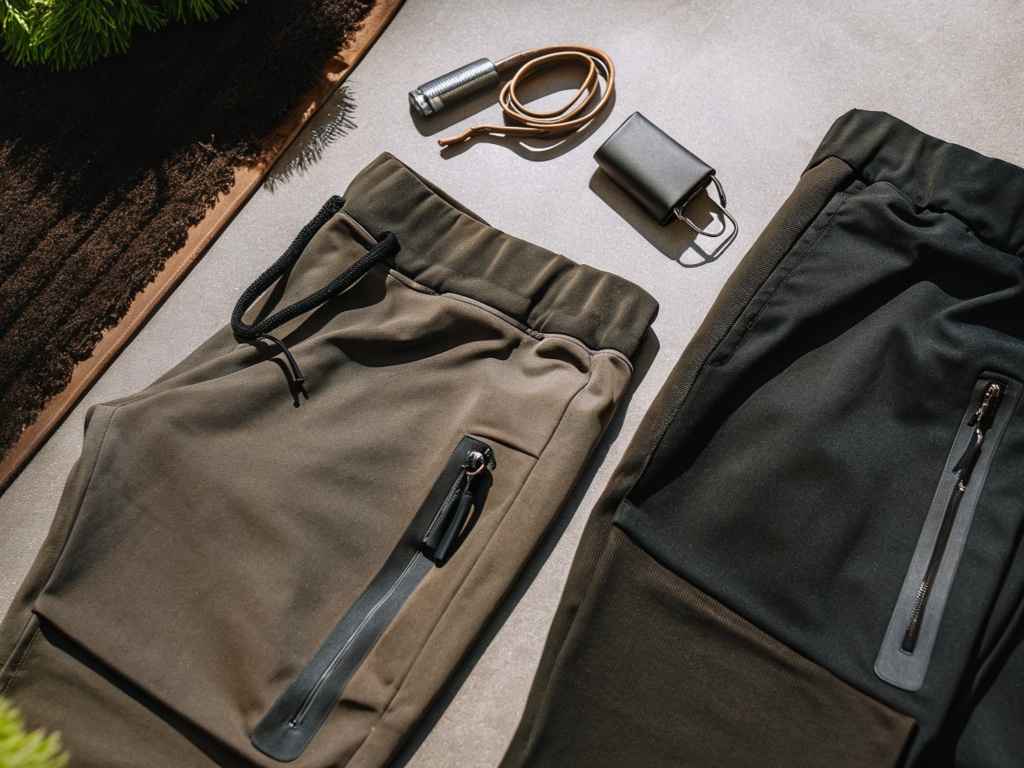
A pair of pants should become less noticeable, not more noticeable, as the day continues.
Long-hour wear is the clearest test of whether a garment is truly suited to everyday urban life. If discomfort builds through pressure, friction, heat, or fatigue, the pants may still look good, but they are not genuinely wearable.
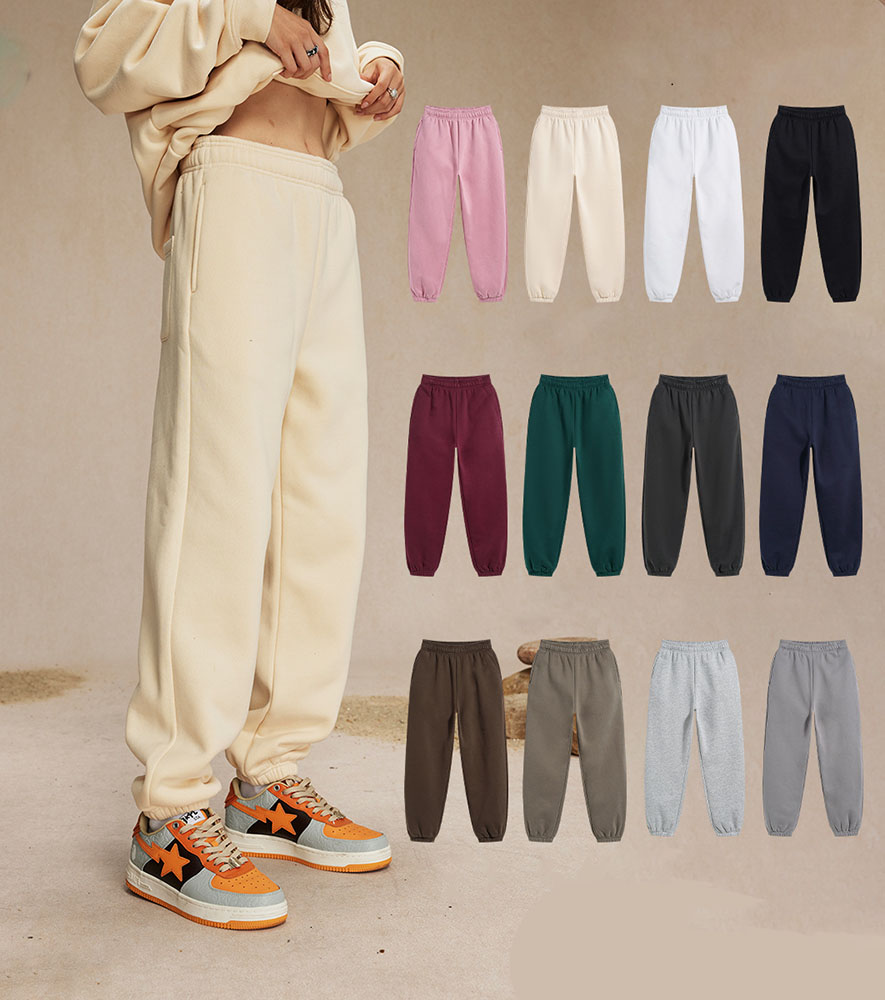
After hours of wear, good everyday pants should still feel stable, easy, and physically unintrusive.
The waistband should not begin to bite. The seat should not feel compressed or overstretched. The leg should not twist or pull as the wearer moves between sitting, walking, and standing.
In strong daily-use pants, the garment continues to support the body without demanding attention. The wearer should not feel the need to adjust constantly or remove the pants at the first chance.
This standard reflects what real city wear requires. Daily routines combine motion and stillness, pressure and release, short movement bursts and long seated periods.
Pants that work well here do not simply survive the day. They remain calm and manageable throughout it.
The main pressure points in everyday pants are the waist, seat, thighs, and knees, and each one reveals a different kind of comfort failure.
The waist shows whether support is balanced or overly tight. The seat reveals whether the pants can accommodate sitting and body movement without stress.
The thighs show whether the cut allows normal motion without friction or pulling. The knees reveal how the fabric and pattern respond to bending and repeated use.
When these zones are poorly balanced, discomfort may begin subtly and grow over time.
That is why comfort evaluation should always be body-zone specific. A pair of pants can seem acceptable overall while still failing in one critical area.
True everyday comfort depends on even pressure distribution, not just a generally soft or relaxed feel.

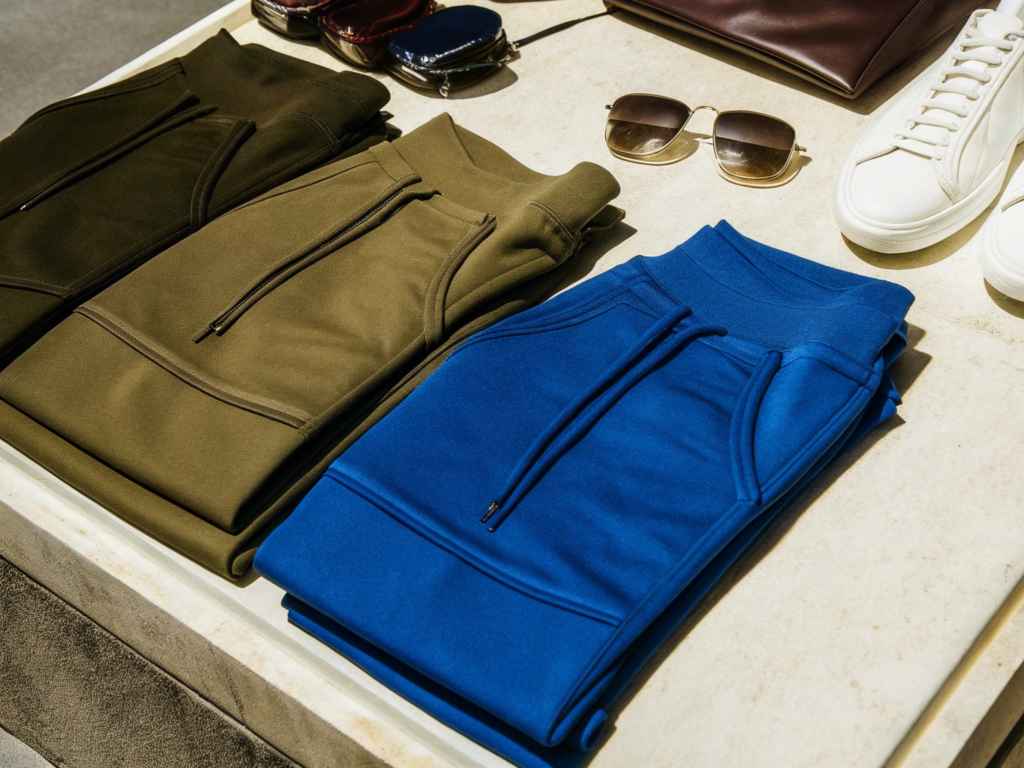
Fatigue, friction, and restriction usually appear gradually, which is why they are often overlooked at first.
Fatigue can come from a waistband that slowly becomes tiring, a heavy fabric that wears on the body, or a fit that feels increasingly demanding over several hours.
Friction shows up through rubbing at the inner thigh, seat, or waistband. Restriction often appears during repeated transitions such as sitting down, standing up, or climbing stairs.
These problems may feel minor in isolation, but together they reduce repeat wearability.
In real use, small physical irritations are often what decide whether pants remain in rotation or get pushed aside.
Movement support is central to everyday wear because urban life is built around constant low-level activity.
Pants should move with the body across ordinary actions without becoming loose, dragging, or resistant. Mobility matters not because people need athletic performance, but because daily comfort depends on natural movement remaining easy.
Everyday pants should remain comfortable through repeated transitions between walking, sitting, bending, and standing.
These are the most common movements in urban life, and they expose weak fit faster than almost anything else.
A pair of pants may feel fine while standing still but fail as soon as the wearer sits for a long period, bends to reach something, or moves between transit and street.
Good pants allow these transitions to happen naturally, without sharp pulling, shifting, or awkward resistance.
This is where pattern balance and real-world movement logic matter more than surface softness.
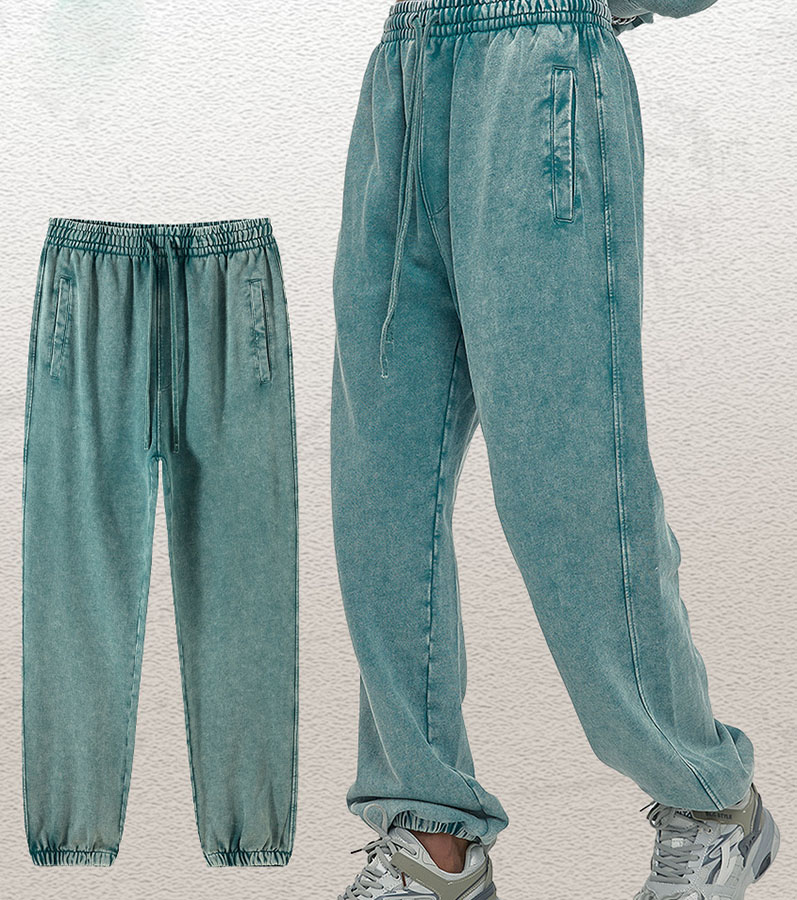
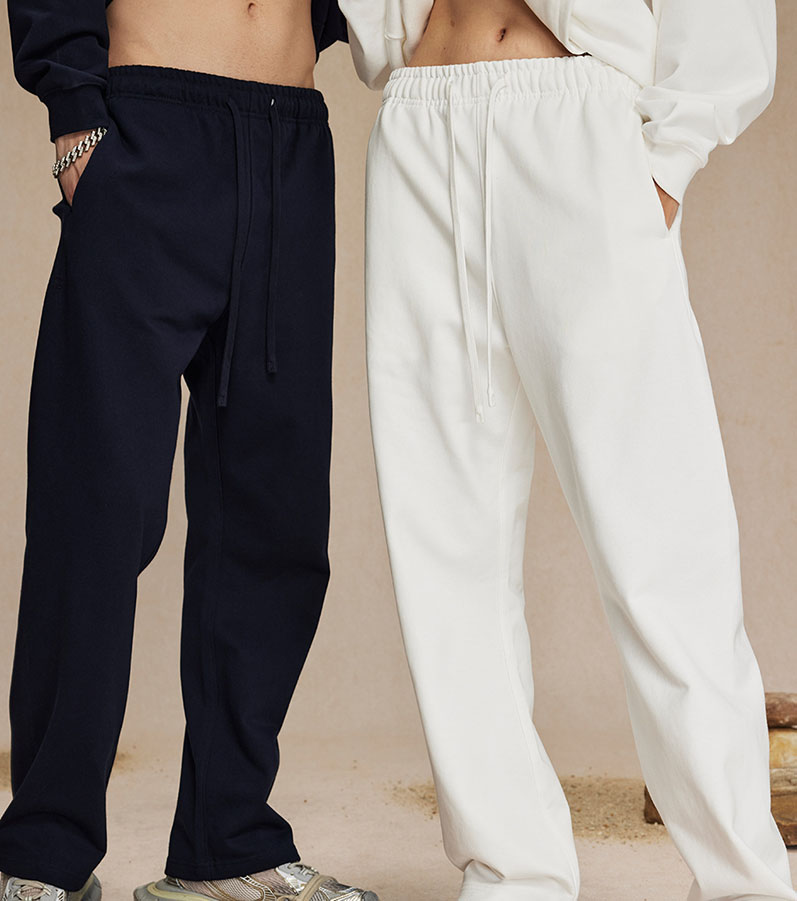
The best everyday pants allow freedom of movement without becoming loose, unstable, or visually heavy.
Too little room creates tension and restriction. Too much room creates drag, excess fabric, and reduced control.
The right balance is controlled ease. The pants should provide enough space through the hips, thighs, and knees for movement, while still keeping the line clean and the garment stable on the body.
This matters because movement support is not the same as oversized comfort. Pants that feel free but sloppy often lose adaptability across settings.
Pants that look sharp but move poorly fail in daily use. Everyday wear works best when movement and visual order support each other rather than trade places.
Mobility matters more than stretch alone because stretch is only one tool, not the full comfort solution.
A stretchy fabric may help, but it cannot correct a poor cut, bad pressure distribution, or unstable structure.
Some pants rely too heavily on stretch and still feel wrong because the movement problem comes from the shape, rise, or fabric behavior rather than from insufficient elasticity.
Real mobility depends on how the whole garment works with the body.
This is an important distinction because many buyers equate stretch with comfort. In practice, mobility is broader.
It includes fit balance, recovery, drape, and how the pants behave in motion over time. A well-designed pant can move well without feeling overly elastic, while a badly designed one can feel restrictive even if the fabric stretches.

Everyday pants should operate across commuting and casual use without forcing the wearer to switch clothing logic.
They should feel practical enough for transit and movement, but still calm and presentable in relaxed public settings. This kind of dual suitability is one of the clearest signs of real urban wearability.
Pants for daily commuting should remain comfortable through transit, waiting, and repeated low-level movement.
Commuting includes standing, sitting, walking, changing pace, and staying dressed for long periods without reset.
Pants that pinch while seated, overheat in transit, or lose shape during the day quickly become inconvenient even if they appear clean at first.
Comfort in this context means the garment does not become a burden while the wearer moves through ordinary logistical activity.
Good commuting pants should stay cooperative, even when the day involves constant small interruptions and repeated posture changes.
Good everyday pants should feel equally natural in work-adjacent moments and off-duty daily life.
That does not mean they must look formal. It means they should carry enough visual discipline to feel presentable while remaining easy enough for casual movement, errands, and informal time.
Pants that are too technical can feel out of place away from activity. Pants that are too polished can become demanding outside structured settings.
The useful middle ground is clothing that feels composed without stiffness.
That is what allows one pair of pants to remain useful across both semi-structured and relaxed daily settings.
Everyday pants work best when they feel practical without looking visibly over-engineered or overly technical.
A garment can solve functional problems and still remain visually quiet.
In daily urban wear, that balance matters because people want comfort, storage, breathability, and movement support without looking as if they are dressed for pure performance or specialized activity.
Overly technical design often narrows versatility.
The strongest everyday pants therefore solve problems in a restrained way. They make city life easier, but they do not announce their function too loudly.
Urban comfort depends heavily on environmental adaptability because daily life rarely happens in one temperature zone.
Pants should manage indoor warmth, outdoor exposure, and repeated transitions without becoming too hot, too heavy, or too uncomfortable. Environmental performance is part of wearability, not a separate issue.
Temperature balance is a core comfort standard because pants must function across both indoor spaces and outdoor city conditions.
A pair of pants that feels correct outside but becomes warm and tiring indoors is not truly balanced.
The same is true of pants that feel light indoors but underperform once the wearer steps outside in cooler air or shifting weather.
Everyday urban pants should sit in a usable middle range.
This matters particularly for commuters, travelers, and multi-scene users. A practical pair should adapt to changing spaces instead of feeling right in only one environment.
Breathability, insulation, and airflow must work together for pants to remain comfortable in daily use.
Breathability allows heat and moisture to escape during movement or long wear. Insulation protects against cool air and environmental shifts. Airflow helps regulate how quickly the body settles when activity or temperature changes.
If one of these dominates too much, comfort tends to break down.
Pants that insulate well but do not breathe can feel oppressive. Pants that breathe well but lack enough body can feel underprepared for outdoor movement.
This is why comfort should be judged through temperature behavior over time, not only through fabric description.
Environmental adaptability is part of comfort because the body experiences clothing through changing conditions, not fixed ones.
A pair of pants may look ideal in still air and controlled lighting, but daily wear includes sidewalks, transit, indoor heating, long seating, quick walking, and different levels of exertion.
Comfort that cannot survive environmental change is incomplete comfort. It only works in theory.
This is also why “soft” or “premium-feeling” pants can still fail in practice.
If they overheat, breathe poorly, or respond badly to city conditions, they stop being comfortable even if the initial touch feels good. Everyday comfort should always include climate behavior as part of the total evaluation.
Fabric behavior determines how comfort evolves across the day.
It affects not only softness, but also breathability, drape, recovery, and whether the pants stay stable after hours of wear. In everyday pants, the fabric is not just a material choice. It is the main driver of physical experience.
Fabric comfort begins with softness, breathability, and clean skin contact, but it cannot end there.
Softness matters because rough or dry fabric creates irritation quickly. Breathability matters because the lower body still accumulates heat during sitting, walking, and commuting.
Skin contact matters because inner surfaces, seams, and touch zones influence whether the pants feel calm or restless on the body.
These are the first fabric-level comfort signals.
But they are only the beginning. A fabric may feel good at contact and still fail later if it cannot manage heat, movement, or shape well enough over time.
Recovery, drape, and resistance to bagging out are what turn comfortable fabric into dependable fabric.
A fabric can feel excellent at first and still fail if it bags at the knees, sags at the seat, or loses line after sitting.
Recovery determines whether the material returns after stress. Drape affects how the fabric hangs and moves. Resistance to bagging out affects whether the pants continue to look and feel stable late in the day.
These are not separate from comfort. They are part of it.
A fabric that cannot recover well is not fully comfortable, because its decline changes both movement and wear experience over time.
Fabric behavior often changes comfort from morning to evening more than users expect.
In the morning, pants may feel fresh, balanced, and supportive. By evening, poor recovery can create sagging, poor breathability can create heat buildup, and weak structure can make the garment feel more demanding than it did at the start.
This is why fabric should be judged through time, not only touch. Everyday wear exposes dynamic behavior, not just material identity.
A strong daily fabric keeps the experience stable. It does not merely start comfortable. It stays comfortable enough that the pants still feel wearable after hours of city use.
That consistency is more meaningful than any isolated softness claim.
Fit is one of the most decisive comfort factors because it controls pressure, movement, and body ease all at once.
Even strong fabric cannot fully compensate for poor fit. Everyday pants stay comfortable when the fit holds the garment in place without squeezing, dragging, or creating tension during long wear.
A good everyday waist should stay secure without slipping, digging, or requiring repeated adjustment.
If the waist is too tight, pressure builds during sitting and long wear. If it is too loose, the pants shift, sag, and force the wearer to compensate throughout the day.
The best waist balance is secure but quiet. It should feel supportive without feeling present all the time.
This matters because the waist is the control center of the garment. Once it fails, the rest of the comfort system usually declines with it.
A stable but low-pressure waistband is one of the clearest signs that pants are suitable for real daily wear.
Everyday pants need enough room through the hips and thighs to support movement without creating unnecessary bulk.
This area determines whether walking, sitting, and bending feel natural.
Too little room creates pressure and friction. Too much room can feel heavy, unstable, or visually oversized in a way that reduces versatility.
The goal is functional ease rather than exaggerated looseness.
This is especially important because hips and thighs are major movement zones. A pant that is slightly wrong here may still look acceptable while standing, but discomfort usually appears later through rubbing, tension, or cumulative restriction.
Good fit protects the body from all three.
A good fit reduces tension because it allows the body and garment to cooperate rather than resist each other.
When the proportions are right, the pants hold their place, move with the body, and spread pressure more evenly.
The wearer does not need to compensate through posture, adjustment, or tolerance. This is why fit has such a strong effect on long-hour comfort.
It is not only visual. It is mechanical.
Poor fit increases physical awareness of the garment. Good fit reduces it.
In everyday wear, the most comfortable pants are often the ones that disappear from attention because the body never has to fight them.
Many pants fail not because they are obviously bad, but because their weaknesses appear only after time, movement, and real conditions expose them.
Softness without support, structure without flexibility, and poor thermal or pressure control are common patterns. These are the failures that separate first-impression comfort from true daily wearability.
Soft fabric often fails when it lacks enough support to stay stable through real use.
This is one of the most common comfort traps.
The pants feel good immediately because the handfeel is smooth and forgiving, but later the fabric begins to sag, bag out, shift, or lose line.
Once that happens, comfort often drops with appearance. The garment feels less controlled on the body and more tiring to wear.
This is exactly why softness should never be confused with full comfort. Without support, recovery, and enough structure, softness becomes a short-lived advantage rather than a dependable one.
A structured fit fails when it keeps a clean line but does not allow enough movement for daily life.
Some pants look sharp and composed but begin to feel restrictive as soon as the wearer sits, walks quickly, bends, or commutes.
In these cases, the fit may be visually successful but mechanically poor. Daily wear exposes that gap quickly because the body keeps asking for normal movement that the garment cannot comfortably provide.
This failure matters because many people overvalue appearance during fitting.
In real use, a pant that looks good but moves badly will not remain in rotation for long. Everyday wear demands both control and mobility.
Poor heat, pressure, or friction management is one of the clearest reasons pants stop feeling comfortable in real use.
Heat buildup makes the garment feel heavier and more demanding over time. Uneven pressure makes specific zones increasingly noticeable. Friction creates low-level irritation that may be mild at first and increasingly distracting later.
These issues are especially damaging because they accumulate.
The wearer may not notice the exact moment the comfort disappears, but they feel the result by the end of the day.
This is why real comfort must be judged as a system. Pants fail when they do not regulate the body’s relationship to movement, temperature, and pressure in a balanced way.
A useful comfort framework should be simple enough to repeat and specific enough to trust.
The best way to judge everyday pants is not by one sensation, but by three connected checks: long-wear comfort, movement and commuting performance, and indoor–outdoor adaptability.
If the pants perform well across all three, they are much more likely to be true everyday pieces.
1.Long-wear comfort check
2.Movement and commuting check
3.Indoor–outdoor adaptability check
We’ll get back to you within 24 hours. Attach your logo/design if needed.
💡 1 . Share your logo, fabric, and quantity for T-shirts, hoodies, and more.
📐 2. We’ll prepare samples for your approval.
🚚 3. Bulk production starts after deposit.
✅ We value your privacy. Your information is 100% safe and confidential.
📦 Need help? Chat with us via WhatsApp anytime!

Note: Your email information will be kept strictly confidential.
Note: Your email information will be kept strictly confidential.
Request a quote, discuss MOQ, lead time, fabrics & QC.
Visit our brand store: Modaknitswear

Retail orders (and dropshipping options) are available on Modaknitswear.