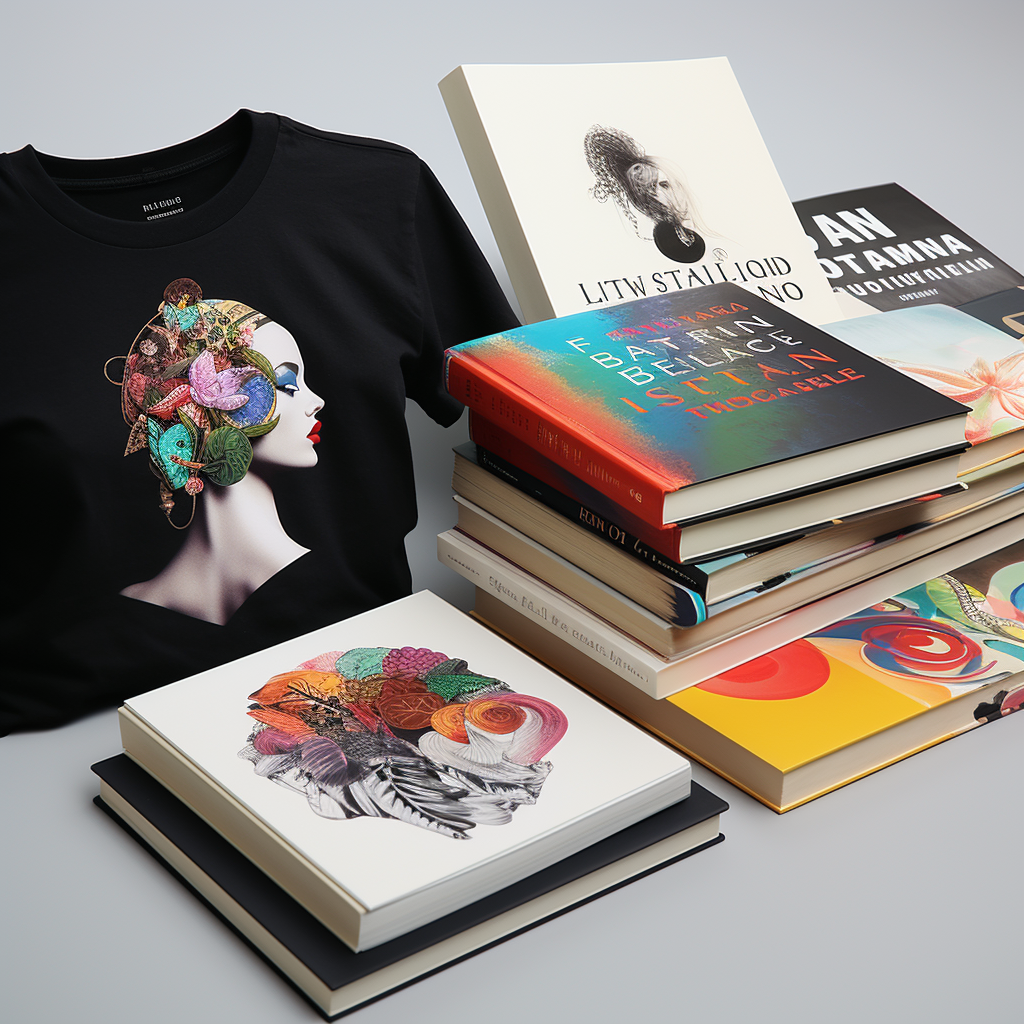
How to adjust T-shirt product design for different markets?

Adapting T-shirt design to local markets means combining cultural elements, matching fabric preferences, and adjusting features to each region’s climate. This tailored approach helps brands align with local buyer habits, avoid cultural pitfalls, and boost product acceptance quickly.
What are the advantages of selling T-shirts in physical stores?

Selling T-shirts in physical stores builds trust fast, boosts loyalty, and creates a memorable brand journey. Customers feel the product directly, see the real colors, and understand the vibe on a personal level. This real-life connection drives immediate confidence in the purchase.
What core capabilities are needed for the two T-shirt brand routes?
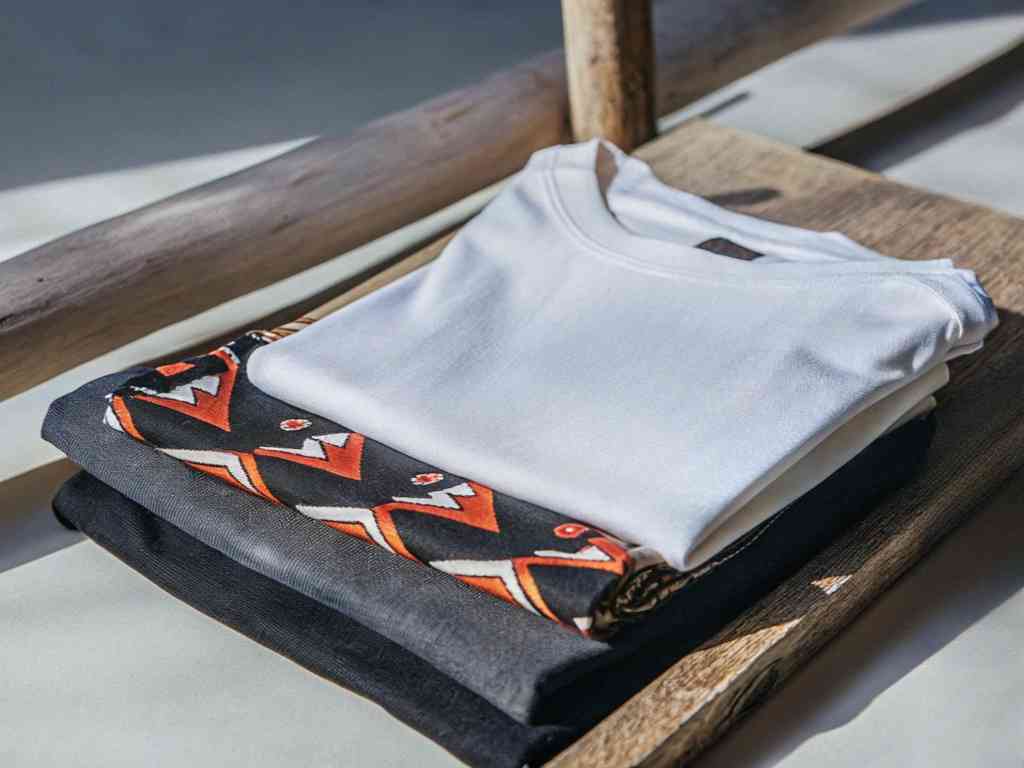
Young T-shirt labels rely on vibrant creativity, social media hype, and rapid product changes. Couture brands focus on premium materials, long-term reputations, and exclusive experiences. Both need strong brand identities, but they approach innovation and quality from different angles. Recognizing these core differences helps each brand thrive in its space.
What is the effect of fabric on printing?
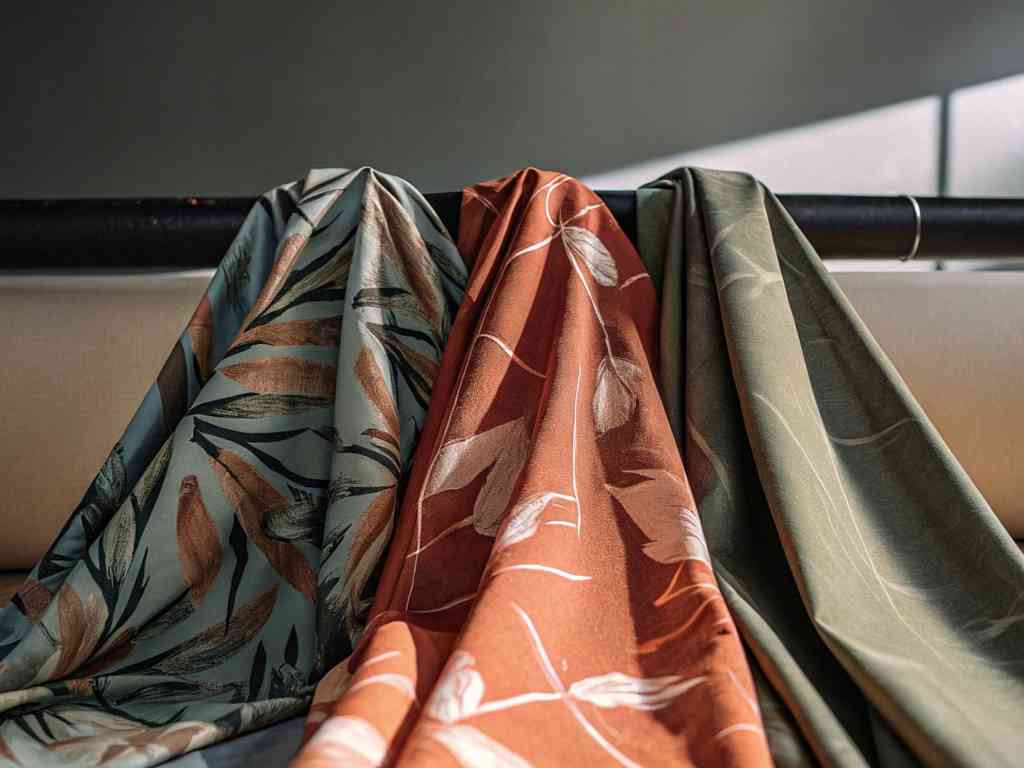
Fabric choice decides ink absorption and adhesion. Pure cotton, blended, and polyester each react differently to ink saturation, heat, and wash cycles. This impacts vibrancy, durability, and feel. When I match the right printing technique to the right fabric, the final design looks sharper and lasts longer.
How to select the target audience of a T-shirt brand?

research specific demographics, observe their style preferences, and align product design with their core interests. This saves money and prevents random guesswork. I have learned this through years of trial and error in my own brand.
How to prevent unthreading, missing printing, wrong code, shrinkage, and deformation in a professional way?
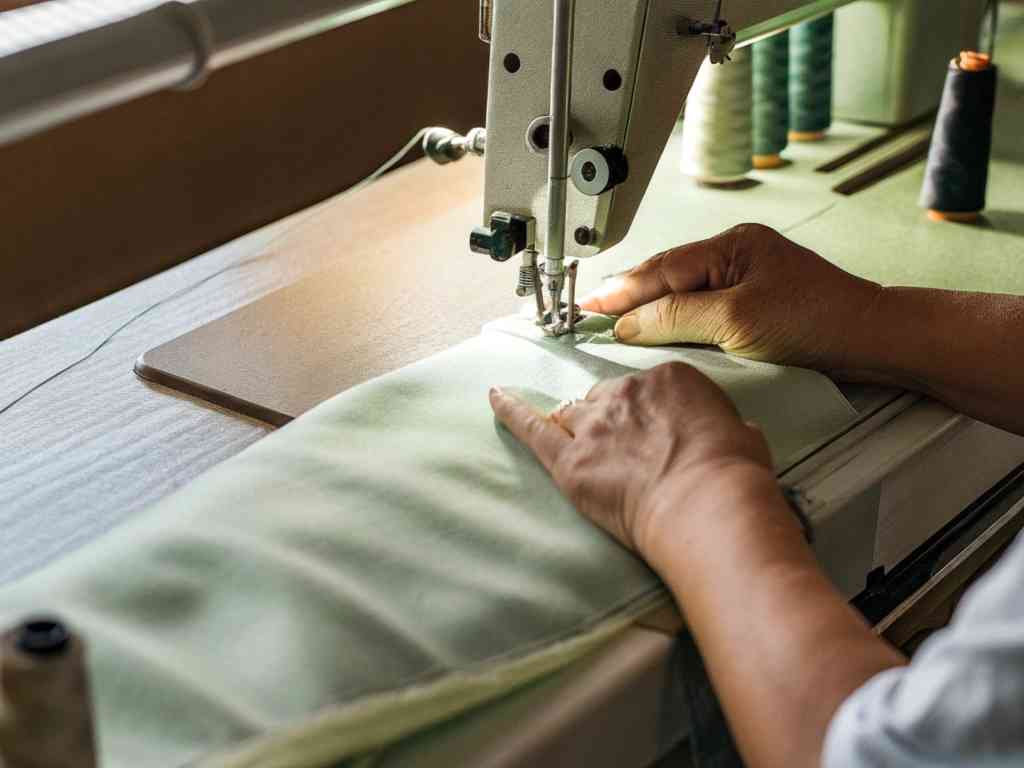
Most T-shirt defects come from weak sewing, inaccurate printing steps, mislabeling, and unmonitored fabric shrinkage. A professional approach includes careful inspection, consistent process management, and pre-emptive testing. This helps protect brand reputation and customer trust.
What are the differences between OEM and ODM models in T-shirt supply chain management?

OEM focuses on brand-driven designs, while ODM lets factories take charge of product creation. The biggest difference lies in control: OEM puts more responsibility on the brand, whereas ODM provides a more turnkey solution for T-shirt production. Each model addresses unique business needs and resource capabilities.
How to write a Tech Pack?
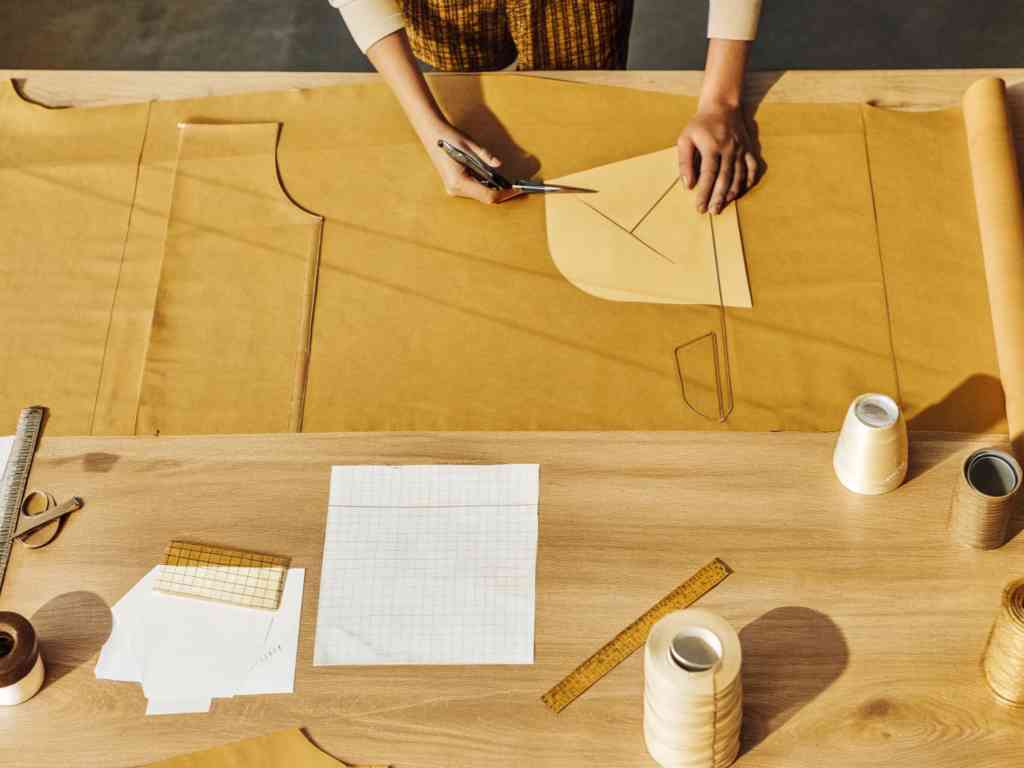
A Tech Pack is a structured document that describes every aspect of a T-shirt. It includes design details, measurements, materials, and production notes. A proper Tech Pack helps the factory understand each requirement. It speeds up sampling and avoids mistakes that occur when information is scattered or unclear.
How to judge whether the washability of T-shirt printing is qualified?
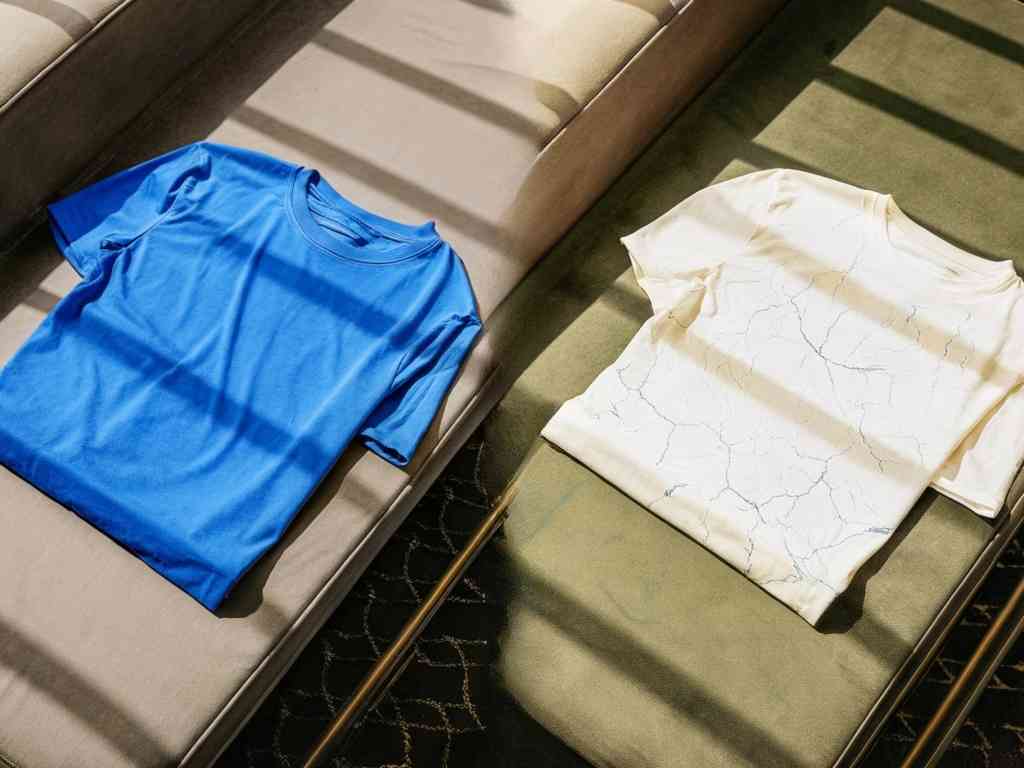
T-shirt washability involves fabric performance, ink adhesion, and print stability. We can judge its quality by testing color fastness and resistance to peeling. That data comes from standardized methods like GB/T, ISO, or AATCC. If results meet expected levels, the T-shirt can endure repeated washing without visible fading or damage.
Which T-shirt patterns are suitable for thermal transfer?
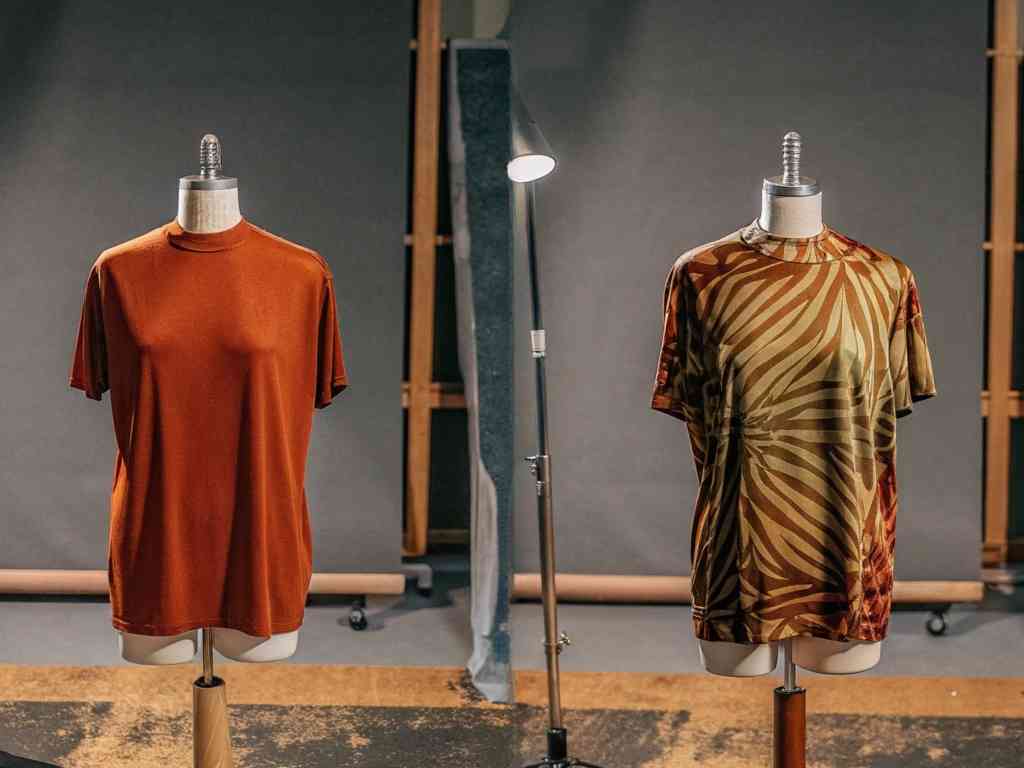
The best T-shirt patterns for thermal transfer have clear outlines, balanced color layers, and fabric compatibility. They maintain their vibrancy after multiple washes. They also feel comfortable against the skin, which is crucial for wearability. I focus on smooth edges, accurate color, and ink adherence.
How to match T-shirt printing, embroidery, rubber stamps, and patches with different styles?
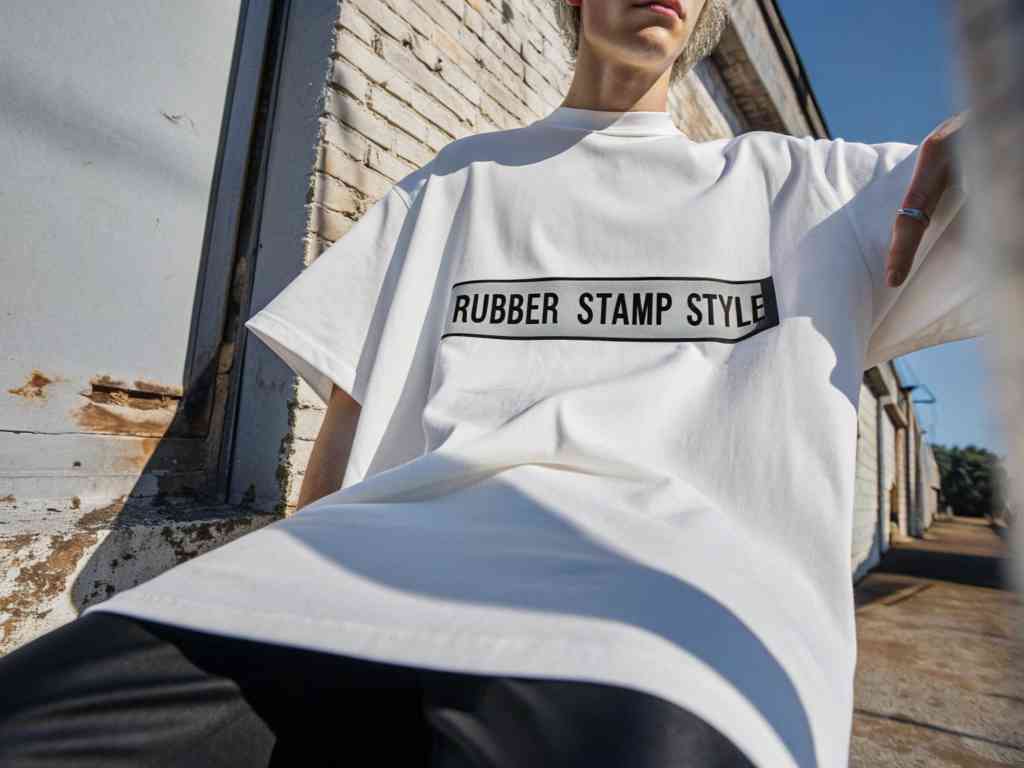
You can blend large prints, subtle embroidery, three-dimensional rubber stamps, or playful patches to add depth and uniqueness to T-shirts. Each technique complements a specific style. From oversize streetwear to slim casual tops, you can adjust placements, materials, and colors to achieve a refined aesthetic that feels purposeful and modern.
How to dig out T-shirt design inspiration from street culture and niche aesthetics?

Street culture and niche aesthetics provide vibrant symbols, bold shapes, and emotional depth. Designers can transform skateboarding, hip-hop, or even industrial deconstruction themes into distinct T-shirt cuts, colors, and prints. Consumers love unique styles that blend authenticity with visual impact.