 Skip to content
Fast Sampling Clothing Manufacturer for Growing Apparel Brands
Modaknits helps clothing brands move from concept to sample without long delays or heavy inventory pressure. Based in Dongguan, China, we specialize in custom knitted basics, casualwear, and activewear, with fast sampling support, small-batch flexibility, and production capacity that can grow with repeat demand.
- 3–5 Days Sampling
- Low MOQ from 10 pcs
- From 10 pcs to 100,000 pcs/month
- Built for T-shirts, hoodies, sweatshirts, sweatpants, yoga pants, leggings, and activewear
- Stable fit and reorder support for repeatable product lines
Who We Work Best With
Growing DTC Clothing Brands
These brands already know what they want to build. What they need is a factory that can support product launches without forcing large opening orders too early.
- early growth stage
- launching first core collection
- adding new products every season
- building stable bestsellers instead of one-time styles
What They Usually Need
- lower-risk starting quantities
- fast sample turnaround
- room to test before scaling
- stable repeat production if the style performs well
Why Modaknits Fits
- sampling can move in 3–5 days for suitable products
- low-MOQ production can start from 10 pcs
- fast-start small-batch support can work from 1–20 pcs in suitable cases
- the factory base can support growth after testing, with 4 factories, 18 production lines, and around 100,000 pcs/month capacity
Good Product Match
- basic cotton T-shirts
- heavyweight tees
- logo hoodies
- sweatshirts
- sweatpants
Influencer Brands and Creator-Led Labels
These brands often move around launch timing, social content, limited drops, and quick audience testing. They need a factory that can help them move faster without locking in too much stock.
- launching merch or branded apparel
- testing a first collection
- building a content-driven clothing line
- running limited or themed drops
What They Usually Need
- fast first samples
- small-batch production
- graphic or logo application
- quick restock support if a drop sells well
Why Modaknits Fits
- suitable for small-batch launch logic
- supports DTG, embroidery, and heat transfer for branded products
- works well for T-shirts and hoodies that need front, back, or combined branding
- supports labels, tags, and packaging for a more finished brand presentation
Good Product Match
- graphic T-shirts
- oversized printed tees
- logo hoodies
- creator sweatshirts
- small-batch merch programs
Activewear and Athleisure Brands
These brands need more than basic sewing support. They need help with fit, stretch, comfort, and product consistency across repeat orders.
- building a leggings or yoga line
- adding activewear to an existing brand
- refining an early activewear collection
- preparing small-batch testing before larger production
What They Usually Need
- fit development support
- fabric options for stretch and comfort
- more reliable sizing and shape control
- a supplier that can continue after the first launch
Why Modaknits Fits
- product focus already includes yoga pants, leggings, and activewear
- in-house development support includes 2 sample rooms, 7 pattern makers, and 20 sample technicians
- useful for brands that need development before bulk, not only sewing after approval
- better suited for active products that may become long-term repeat items
Good Product Match
- yoga pants
- leggings
- fitted active tops
- matching activewear sets
- athleisure basics
Blank Apparel and Basics Brands
These brands care deeply about garment weight, fit, hand feel, silhouette, and how well the base product supports printing or embroidery.
- building a blank tee line
- developing core hoodies and sweatshirts
- launching private-label essentials
- creating reorder-based basics collections
What They Usually Need
- strong fabric direction
- stable fit and shape
- branding-ready product bases
- clean repeat production over time
Why Modaknits Fits
- strong fit with knitted basics and reorder-friendly product lines
- suitable for basic T-shirts, heavyweight tees, hoodies, and sweatshirts
- supports branding methods and private-label details
- better matched to products that need continuity, not only one short production run
Good Product Match
- blank cotton T-shirts
- heavyweight T-shirts
- pullover hoodies
- zip hoodies
- crewneck sweatshirts
Startup Clothing Brands
These brands are often starting with limited budget, strong product ambition, and very little room for sourcing mistakes.
- first apparel project
- first branded product line
- early supplier search
- moving from idea to first sample
What They Usually Need
- a clear development process
- easy communication in English
- small starting quantities
- a factory that will take the early stage seriously
Why Modaknits Fits
- supports communication by email, WeChat, WhatsApp, voice, and video
- supports fast sample development for suitable products
- supports small-batch starting logic that lowers inventory pressure
- offers a clearer path from sample to production for brands with limited manufacturing experience
Good Product Match
- first basic T-shirt program
- startup hoodie line
- simple sweatshirts
- test-run leggings
- small first collection essentials
Procurement Managers and Sourcing Teams
These customers are not only comparing price. They are looking at capacity, lead time, quality control, communication, and long-term supply reliability.
- evaluating new factory partners
- shifting production from another supplier
- preparing seasonal or quarterly orders
- building a backup or second-source factory base
What They Usually Need
- stable production support
- clearer quality control
- dependable lead-time planning
- logistics and delivery coordination
Why Modaknits Fits
- factory base includes 18 production lines and around 100,000 pcs/month capacity
- production system includes fabric inspection, shrinkage-related control, and final inspection
- bulk orders can commonly move within 15–30 days depending on complexity
- shipping support includes express, air, sea, dropshipping, and multi-address delivery
Good Product Match
- ongoing T-shirt programs
- repeat hoodie lines
- sweatshirts and casual bottoms
- activewear replenishment
- multi-style seasonal basics orders
Fashion Designers and Product Development Teams
These customers usually come with sketches, tech packs, references, or strong aesthetic direction, but still need factory-side development support to make the product production-ready.
- refining a new style
- improving fit before sampling
- confirming fabric and trims
- preparing a first production-ready version
What They Usually Need
- pattern and sample support
- development feedback
- sourcing coordination
- clearer technical execution before bulk
Why Modaknits Fits
- development support includes pattern makers, sample technicians, and sourcing staff
- suitable for customers that need co-development, not only order execution
- helpful when fit, fabric, or branding details still need refinement
- supports brands that want to work more closely with the factory development team
Good Product Match
- custom T-shirts
- hoodies with branding details
- fit-sensitive sweatpants
- leggings and activewear
- private-label essentials
Brands Building Long-Term Reorder Programs
These brands are not only looking for a good first order. They are building core products that need to be sold, restocked, and repeated over time.
- bestseller development stage
- moving from testing into restock mode
- stabilizing fit and fabric for repeat orders
- building long-term essentials or activewear programs
What They Usually Need
- stable fit logic
- more consistent fabric direction
- cleaner sample-to-bulk handoff
- a factory that can stay with the brand as volume grows
Why Modaknits Fits
- stronger fit for fixed pattern logic, relatively stable fabric systems, and standardized production flow
- useful for products that need repeatability, not constant reinvention
- supports a more practical path from sample → small order → reorder → scale-up
- better aligned with basics and activewear categories that often depend on replenishment
Good Product Match
- core cotton T-shirts
- repeat hoodie programs
- sweatshirt lines
- sweatpants
- leggings and activewear basics
| Customer Type | Main Goal | What They Care About Most | Good Product Match |
|---|---|---|---|
| Growing DTC Brands | launch and test core products | low MOQ, sample speed, repeat production | T-shirts, hoodies, sweatshirts |
| Creator-Led Labels | launch quickly with branded styles | graphics, small batches, restocks | graphic tees, logo hoodies |
| Activewear Brands | develop fit-sensitive products | fabric, stretch, sizing, continuity | leggings, yoga pants, active sets |
| Blank Apparel Brands | build stable basics lines | GSM, hand feel, silhouette, branding | blank tees, hoodies, sweatshirts |
| Startups | reduce first-order risk | guidance, communication, small quantity | first collections, basic programs |
| Procurement Teams | secure reliable production | capacity, QC, delivery, logistics | repeat orders, bulk basics |
| Designers / Product Teams | refine styles before production | pattern, fabric, development support | custom tops, bottoms, activewear |
| Reorder-Focused Brands | build long-term core programs | fit stability, fabric continuity, scale-up | essentials and replenishment lines |
Why Fast Sampling Is Not Just About Speed
Many apparel brands lose momentum before production even begins. The problem usually starts with slow sample development, weak sample accuracy, or a factory that treats early-stage orders as low priority. When a sample takes too long, the brand often delays content planning, misses launch timing, and has less time to correct fit, materials, trim details, or branding execution. When the sample itself is not reliable, the real cost becomes higher later: incorrect sizing, poor hand feel, unstable bulk results, and hard-to-manage reorders. Fast sampling only works when it is connected to real manufacturing logic. That means the sample must be developed in a way that supports later production, not as an isolated piece that looks acceptable but cannot be repeated consistently. For growing brands, this matters even more. Early-stage inventory is sensitive. Every wrong decision is expensive. A slower or weaker start often creates bigger problems later in production, shipping, and customer satisfaction.
Sampling Takes Too Long
Some factories are willing to quote quickly, but slow down once development starts. This creates long waiting periods before a brand can even evaluate the garment.
Sample Looks Fine, Bulk Turns Out Different
Small Orders Do Not Get Serious Attention
Reorder Becomes a New Project Every Time
Sampling Situation Comparison
| Sampling Situation | Common Result | Better Outcome with a Structured Fast Sampling System |
|---|---|---|
| Slow development | Delayed launch and slower sales validation | Faster product decision-making |
| Unclear fit process | More revisions and more wasted time | Faster fit confirmation |
| Sample disconnected from production | Bulk inconsistency | Smoother transition to production |
| High MOQ from the start | Higher inventory risk | Safer market testing |
| Weak reorder control | Hard to scale winning products | Stronger continuity for repeat styles |
What to Check Before Choosing a Fast Sampling Clothing Manufacturer
Many factories promote fast turnaround, but the first sample is only one part of the process. A brand still needs to check whether the factory understands knitted products, whether the fit can stay stable, whether small orders receive proper attention, and whether the same style can be reordered without starting over each time.
For T-shirts, hoodies, sweatshirts, leggings, and activewear, the risk usually appears in the details: fabric hand feel, measurement tolerance, print execution, shrinkage, stitching quality, and whether the second order still feels like the first one.
Sample Speed
How quickly the first sample can be developed and sent out.
A slow sample delays every next step: fit review, content shooting, launch timing, and sales testing.
What strong performance looks like:
- Clear sampling lead time
- Quick communication during development
- Ability to revise after comments
- Sample schedule that matches the brand’s launch pace
Modaknits fit:
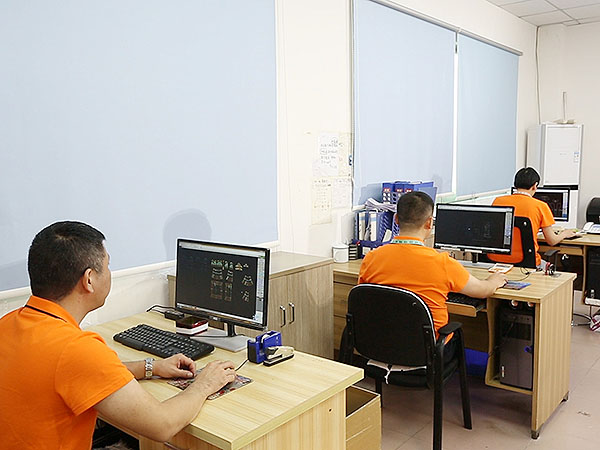
Modaknits supports 3–5 day sampling for suitable products and is especially strong in fast-start knitted basics, with 2 sample development rooms, 7 pattern makers, and 20 sample technicians behind the process.
Fit Accuracy
Whether the garment shape, measurements, and wearing balance are close to the intended result.
If the sample fit is unstable, the brand loses time on revisions and still carries risk into bulk production.
What strong performance looks like:
- Clear size spec understanding
- Pattern support
- Better control over shoulder, body, sleeve, waistband, or stretch balance
- Consistent fit logic across future reorders
Modaknits fit:
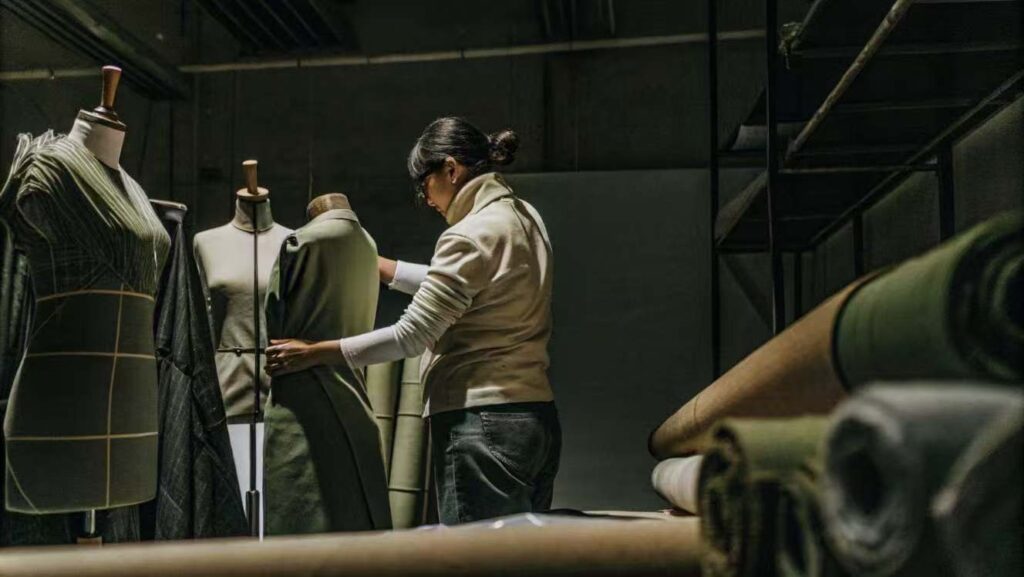
With an in-house development team and pattern support, Modaknits is better positioned to move from approved sample to production with less disconnect.
Fabric Consistency
Whether the bulk order can stay close to the approved sample in hand feel, weight, shrinkage response, and overall appearance.
A T-shirt or hoodie can look simple, but small changes in fabric can affect drape, softness, shape retention, and customer perception.
What strong performance looks like:
- More controlled fabric sourcing
- Shrinkage checking
- Fabric inspection before production
- Better continuity for repeat orders
Modaknits fit:
Modaknits’ system includes fabric inspection and shrinkage-related control processes, which are especially important for knitted basics and repeatable core items.

Small Order Support
Whether small-batch orders are handled seriously, not pushed aside in favor of larger orders.
For many growing brands, the small order is the most important order. It is the stage where the product is tested, content is created, and early feedback is collected.
What strong performance looks like:
- Clear low-MOQ policy
- Small-batch workflow
- Communication that stays responsive even on smaller projects
- Ability to move from testing to restock without changing factory
Modaknits fit:
Modaknits supports a fast-start small-order mode from 1–20 pcs in suitable situations and is also structured to grow into larger quantities later.

Production Scalability
Whether the factory can support the next stage after the style proves itself.
Changing factories after a successful test often creates new risks in fit, fabric, quality, and timing.
What strong performance looks like:
- Real production capacity
- Ability to move from test run to bulk
- Stable internal coordination between development and manufacturing
- Clear production planning
Modaknits fit:
Modaknits operates with 4 factories, 18 production lines, around 5,000 square meters of workshop space, monthly capacity of about 100,000 pcs, and additional upside of 50,000–80,000 pcs.

Communication and Follow-Up
How smoothly information moves between the brand and the factory.
Many delays come from miscommunication, not production itself.
What strong performance looks like:
- Clear response process
- English communication
- Order follow-up after sampling
- Quick confirmation on fabric, trims, print, fit, and schedule
Modaknits fit:
Modaknits supports communication by email, WeChat, WhatsApp, voice, and video, with fluent English sales support and dedicated merchandiser/follow-up coordination.

| What Brands Often Check First | What Actually Decides Long-Term Results |
|---|---|
| How fast the sample is made | Whether the sample can lead to stable production |
| How low the price is | Whether quality and repeatability can hold |
| Whether the factory says “yes” quickly | Whether the factory can really execute the style |
| Whether MOQ looks attractive | Whether small orders are handled seriously |
| Whether the factory can make one piece | Whether the factory can support reorders and scale-up |
For brands building T-shirts, hoodies, sweatshirts, sweatpants, yoga pants, leggings, and activewear, the better choice is usually not the factory that promises the most. It is the factory that can connect speed, fit, fabric, production, and reorder stability in one working system.
A Fast Sampling System Built for Product Launch, Market Testing, and Repeat Orders
Fast sampling works best when it is supported by a factory that understands both development and production. Modaknits is built around that connection. We are not only making individual samples. We are helping brands turn knitted basics and activewear ideas into repeatable products that can start small and grow over time.
Our structure combines development, sample-making, sourcing, production support, and order follow-up in one system. That is especially important for brands launching T-shirts, hoodies, sweatshirts, sweatpants, yoga pants, leggings, and activewear with low inventory pressure and a strong need for reliable restocks.
Fast Sample Development for Core Knitted Products
For many brands, the first challenge is not bulk production. It is getting the first sample made quickly enough to keep the launch moving.
Modaknits supports 3–5 day sampling for suitable items, especially 100% cotton T-shirts and core knitted basics built on more mature pattern logic. This helps brands shorten the time between concept, fit review, and market preparation.
- Sampling in 3–5 days
- Better suited for T-shirts and knitted basics
- Faster first-round development for testable core products
- Easier to move from sketch or reference sample into a workable first version

Low MOQ for Lower-Risk Product Testing
A strong product launch does not always start with a large order. It often starts with a small run that gives the brand room to test demand first.
Modaknits supports 1–20 pcs fast-start small orders in suitable scenarios and can also support low-MOQ production from 10 pcs for brands that want to test fit, fabric response, content performance, or early customer reaction before placing a bigger order.
- Good fit for brand launch testing
- Lower inventory pressure
- Easier first move for small and growing brands
- Better control before committing to a larger run
Better Connection Between Sample and Bulk
A sample only becomes valuable when it can lead to a stable production result.
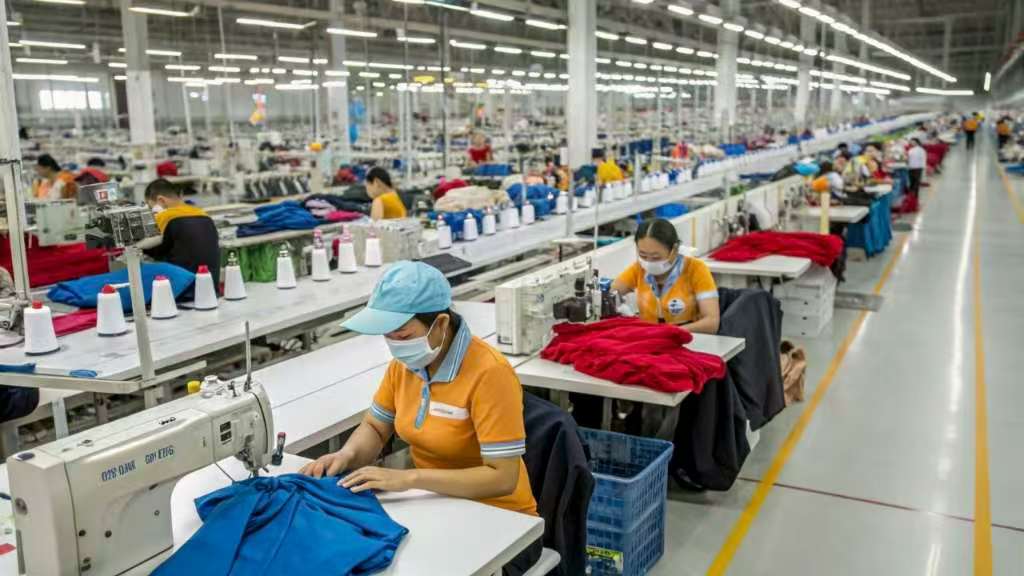
Modaknits is stronger when the product needs to move from sample to reorder instead of staying as a one-time project. Our system is supported by 2 sample development rooms, 7 pattern makers, 20 sample technicians, 3 sourcing staff, 8 sales staff, and 8 follow-up staff, helping development and manufacturing stay more closely connected.
- In-house development support
- Pattern and sample work under the same system
- Better flow between confirmation and production
- More suitable for repeatable product lines
Scalable Manufacturing After Validation
A small-order factory is useful in the beginning. A scalable factory becomes important when the style starts selling well.
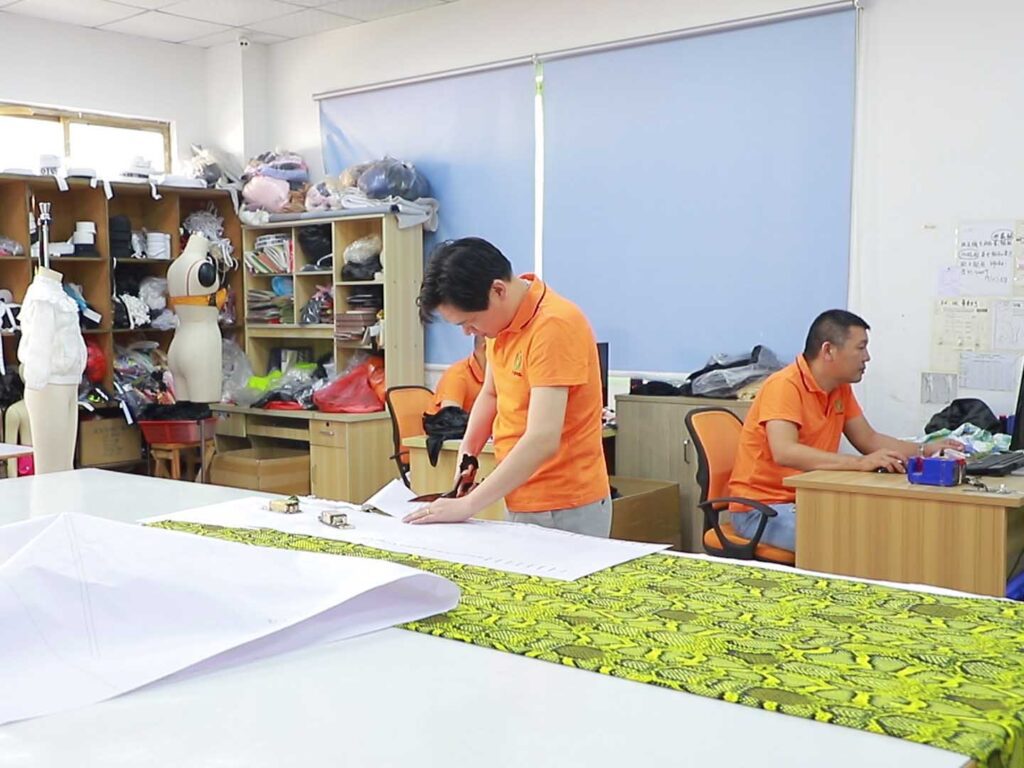
Modaknits is built to support growth after testing. Behind the sampling and low-MOQ capability is a factory system established in 2008, with a founder team carrying nearly 30 years of apparel industry experience, plus 4 factories, 18 production lines, and monthly capacity around 100,000 pcs, with additional room to expand by 50,000–80,000 pcs.
- From testing to repeat production
- From small runs to larger replenishment orders
- Useful for brands that want one manufacturing path instead of switching suppliers
- Better continuity for winning styles
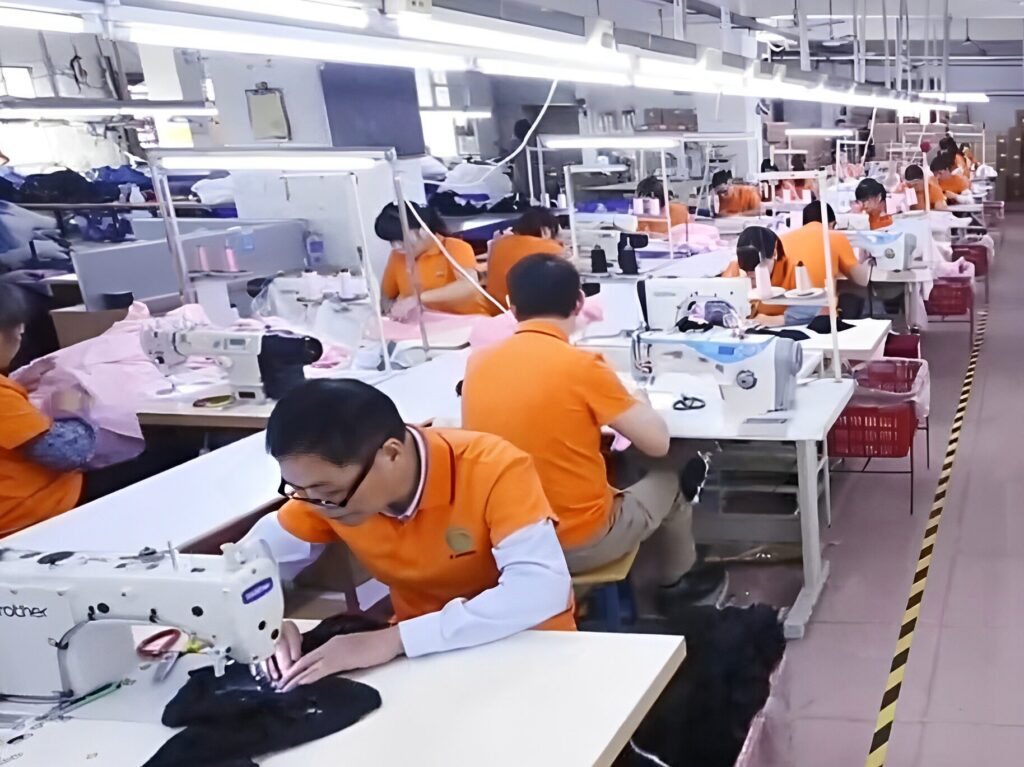
Built for Reorder-Friendly Product Lines
Modaknits is better suited for products that may need to be sold again and again, not only once.
Our strongest fit is in knitted basics, lifestyle casual products, activewear, and repeatable essentials. That includes T-shirts, hoodies, sweatshirts, sweatpants, yoga pants, leggings, and activewear sets. These are categories where fit consistency, fabric continuity, and replenishment logic matter more over time.
- Better for repeat core products
- Better for steady replenishment programs
- Better for brands building a long-term essentials line
- Better for products that need stable manufacturing after launch

Modaknits Clothing Development Process
| Stage | What Happens | Typical Output |
|---|---|---|
| Product brief | Design, reference sample, measurements, fabric, trim, and logo details are confirmed | Clear development direction |
| Sample development | Pattern, sourcing, sewing, and first-round making | 3–5 day sample for suitable items |
| Review and revision | Fit comments, fabric comments, logo adjustments, and size updates | Approved sample or revised sample |
| Small-batch launch | Low-volume production for testing or first release | 10–50 pcs / 100 pcs / small test order |
| Repeat order | Confirmed style moves into a more stable reorder cycle | Easier replenishment |
| Scale-up | Production expands after market validation | 1,000 pcs to larger orders |
For many clothing brands, the real advantage is not only a faster sample. It is a smoother path from idea → sample → small launch → reorder → scale-up. That is where Modaknits offers stronger value, especially in knitted basics and casual activewear categories.
What We Manufacture
Modaknits focuses on knitted basics, casualwear, and activewear products that are easier to launch, easier to test, and more suitable for repeat production over time.
T-Shirt Manufacturing

T-shirts are one of the strongest starting categories for Modaknits. They are easier to sample, easier to test in small quantities, and easier to turn into repeat orders when the fit and fabric are right.
- basic cotton T-shirts
- premium cotton T-shirts
- heavyweight T-shirts
- oversized T-shirts
- relaxed-fit T-shirts
- graphic T-shirts
- long sleeve T-shirts
- polo-style knit tops
What Brands Usually Care About
- fabric hand feel
- weight and drape
- neck shape and collar stability
- print readiness
- fit balance for repeat orders
Good for These Brand Needs
- first product launch
- blank tee program
- graphic tee program
- heavyweight basics line
- reorderable core T-shirt business
Hoodie and Sweatshirt Manufacturing

Hoodies and sweatshirts are strong categories for brands building logo products, creator-led collections, casual basics, and long-term fleece programs.
- pullover hoodies
- zip hoodies
- classic sweatshirts
- oversized hoodies
- oversized sweatshirts
- logo hoodies
- graphic hoodies
- fleece casual tops
What Brands Usually Care About
- body shape and silhouette
- fabric thickness and comfort
- cuff, hem, and neckline stability
- embroidery and print result
- consistency across colors and reorders
Good for These Brand Needs
- logo essentials
- creator merchandise
- premium casual basics
- cold-season launch products
- repeat hoodie restock programs
Sweatpants and Casual Bottoms Manufacturing

Casual bottoms are a strong supporting category for brands building coordinated sets, lifestyle basics, and comfortable everyday programs.
- basic sweatpants
- relaxed sweatpants
- jogger pants
- straight-leg casual bottoms
- knit lounge pants
- matching set bottoms
- everyday casual pants
What Brands Usually Care About
- waistband comfort
- leg shape and proportion
- fabric softness and recovery
- shrinkage and repeatability
- how well the bottoms match tops in a set program
Good for These Brand Needs
- matching hoodie and pants programs
- casual essentials lines
- premium lounge categories
- repeatable bottoms collections
- coordinated brand sets
Yoga Pants and Leggings Manufacturing
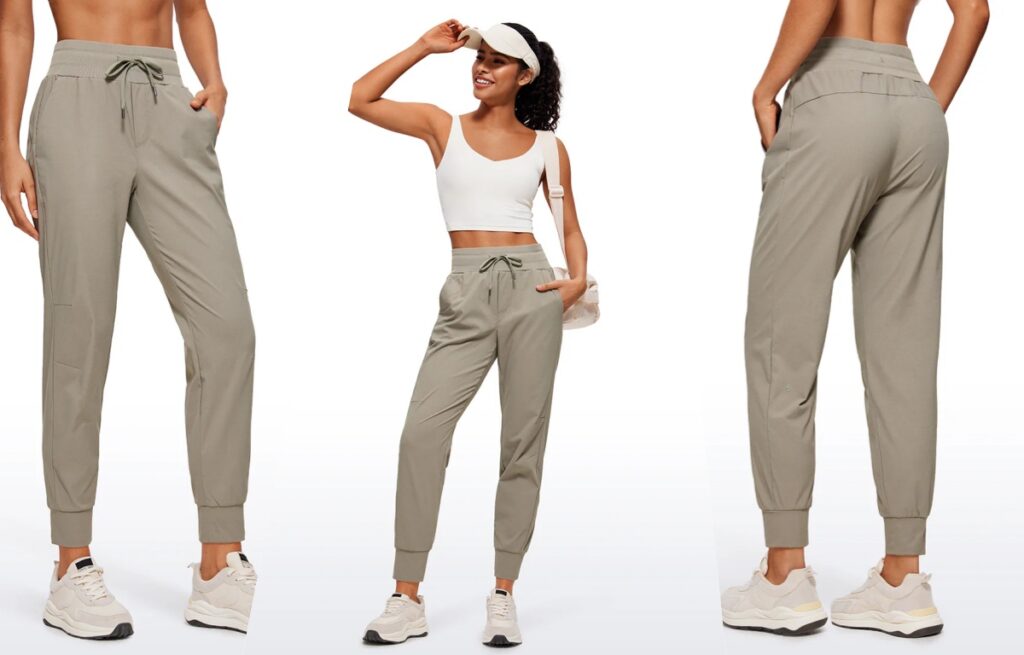
Yoga pants and leggings are more fit-sensitive than many basic categories. They need stronger control over stretch, support, comfort, and size consistency.
- basic leggings
- high-waist leggings
- yoga pants
- fitted movement bottoms
- stretch knit bottoms
- athleisure leggings
- training-inspired bottoms
What Brands Usually Care About
- stretch and recovery
- waistband hold
- comfort in motion
- size grading consistency
- whether the same fit can be repeated later
Good for These Brand Needs
- yoga line development
- athleisure basics
- early activewear testing
- fit-sensitive bottoms
- long-term movement product programs
Activewear and Athleisure Manufacturing

This category works best for brands that want activewear with broader daily-use appeal, not only highly technical performance garments.
- active T-shirts
- fitted active tops
- training tops
- lightweight movement layers
- athleisure tops
- sports-casual knit tops
- everyday performance basics
What Brands Usually Care About
- breathable feel
- comfort during movement
- lighter structure
- repeatable sizing
- crossover use between daily wear and active use
Good for These Brand Needs
- athleisure collections
- active basics for growing brands
- movement-friendly tops
- sports-casual crossover products
- daily-wear active lines
Matching Sets and Repeatable Brand Programs

Many brands do not only want isolated products. They want styles that work together as a product program and can be restocked over time.
- hoodie and sweatpants sets
- T-shirt and bottom sets
- leggings and top sets
- coordinated casual basics
- branded essentials programs
- repeatable blank programs
What Brands Usually Care About
- color consistency across pieces
- fabric harmony between top and bottom
- fit logic across categories
- easier reordering
- product continuity over time
Good for These Brand Needs
- coordinated capsule launches
- starter collections
- blank essentials programs
- creator bundles
- long-term reorder business
Which Product Family Is Best for Which Brand Need?
| Product Family | Typical Styles | What Brands Care About Most | Good for Sampling | Reorder Potential |
|---|---|---|---|---|
| T-Shirts | basic, heavyweight, oversized, graphic, long sleeve | hand feel, drape, collar, print result | very strong | very high |
| Hoodies & Sweatshirts | pullover, zip, oversized, logo, fleece | shape, comfort, branding, repeat consistency | strong | very high |
| Sweatpants & Bottoms | joggers, casual pants, knit bottoms | waistband, leg shape, comfort, match with tops | good | high |
| Yoga Pants & Leggings | leggings, yoga bottoms, stretch bottoms | recovery, fit, support, size consistency | good | high |
| Activewear Tops | active tees, fitted tops, movement layers | breathability, movement, crossover use | good | high |
| Matching Sets | top-bottom programs, branded capsules | consistency, color, repeat ordering | good | very high |
Low MOQ, Faster Start, Lower Risk
Start Small Before Committing Big
- suitable for first launches
- useful for testing a new fit or fabric
- easier for multi-color or multi-style trials
- lower pressure on early inventory planning
Useful for Market Testing
- test before bulk
- check audience reaction
- validate best-selling colors or sizes
- improve the product before scaling
Faster Path from Idea to Sale
- 3–5 day sample development
- fast-start support for suitable products
- easier for quick launch planning
- better fit for content-led brands and small collections
Built for Reorder, Not Just One-Time Orders
- easier transition from sample to restock
- stronger fit for repeatable basics
- better path from 10 pcs to 100 pcs, 500 pcs, 1,000 pcs and beyond
- one manufacturing system instead of switching suppliers too early
How the Fast Start System Works
| Step | What Happens | Why It Matters |
|---|---|---|
| 1. Product brief | Style, fabric idea, fit direction, logo method, size range, and target quantity are confirmed | Reduces confusion before sampling |
| 2. Sampling | Sample is developed in around 3–5 days for suitable items | Helps the brand move faster |
| 3. Sample review | Fit, measurements, fabric hand feel, print, embroidery, and trim details are checked | Avoids costly mistakes later |
| 4. Small-batch start | A low-quantity order is placed for testing | Lowers inventory pressure |
| 5. Market validation | Brand reviews sales data, content response, customer feedback, and reorder demand | Builds a more informed next step |
| 6. Repeat or scale | Strong styles move into larger replenishment or bulk production | Supports long-term growth |
Large First Order vs Fast Start System
| Approach | Common Risk | Better Outcome with Modaknits Fast Start |
|---|---|---|
| Large opening order | Too much inventory too early | Start smaller and test first |
| Bulk before product validation | Wrong colors, wrong sizes, wrong fit mix | Learn from the first run |
| Changing suppliers after launch | Fit and quality become unstable | Keep development and reorder in one system |
| Slow sample and slow first order | Delayed launch window | Faster movement from design to launch |
| One-time production mindset | Hard to build a repeatable product line | Better for ongoing reorders |
From Sample to Bulk Production Without Rebuilding the Process
A good first order is important. A stable second and third order matter even more.
Many brands begin with a small supplier because the entry looks easy. But once the style starts selling, the original setup often becomes a problem. Capacity is limited. Quality begins to shift. Delivery gets slower. The fit changes. Communication becomes harder. At that point, the brand has to move to a new supplier and rebuild the product from the beginning.
| Stage | Typical Quantity | What Modaknits Supports | Main Goal |
|---|---|---|---|
| Sample Stage | 1 sample / 1 style | sample development, fit check, material review, trim confirmation | get the style right |
| Test Stage | 10–50 pcs / 100 pcs | low-MOQ production, first launch support, brand testing | reduce risk and validate demand |
| Validation Stage | 100–500 pcs | more stable production planning, size ratio adjustment, color planning, reorder preparation | confirm the product can repeat |
| Growth Stage | 1,000+ pcs | bulk manufacturing, stronger production scheduling, repeat order support | scale a proven style |
| Expansion Stage | 5,000+ pcs | larger bulk production through broader factory support | support long-term volume growth |
Why the Transition Stage Matters
- sample comments are not translated correctly into production
- measurements shift during grading
- fabric hand feel changes
- trim details are simplified
- print or embroidery quality becomes inconsistent
- the second order no longer feels like the first one
Why Brands Prefer One System That Can Grow
When product development, pattern support, sourcing, sample-making, follow-up, and production are connected inside one working structure, the handoff between stages becomes easier. That is one of the practical advantages of working with Modaknits:
- the product starts in a development-supported system
- the same style can move into a small first run
- once demand is confirmed, the brand can continue inside the same manufacturing path
This is especially useful for:
- core T-shirt programs
- repeat hoodie lines
- creator merchandise with restock potential
- activewear styles that may grow into permanent collections
- blank apparel lines that need consistency over time
Fabric and Material Options

100% Cotton Jersey
100% cotton jersey is one of the most practical starting points for T-shirt programs. It is familiar, commercial, and flexible across basic, graphic, and private-label product lines.
- the tee feels too ordinary after launch
- the hand feel does not support the price point
- the fabric feels weak after printing
- the product is easy to replace with another supplier’s version
- the first order works, but the brand cannot build a stronger core program around it
Best For
- basic cotton T-shirts
- graphic tees
- long sleeve tees
- blank programs
- daily-wear essentials
Why Brands Choose It
- familiar and commercially safe
- easier to launch in multiple markets
- works well for print-based products
- good base for repeatable T-shirt lines
- easier to position for everyday use
Why Modaknits Fits
Modaknits already treats fabric as the foundation of comfort and product value, not as a secondary detail. Internal fabric-planning content centers the conversation on comfort, breathability, and quality in everyday clothing, which makes cotton jersey a natural entry fabric for T-shirt development.

Heavyweight Cotton
Heavyweight cotton is the stronger choice when the brand wants more substance, cleaner drape, and a more premium hand feel than a standard everyday tee.
- the tee lacks structure on-body
- the silhouette collapses too easily
- the product looks flat in photography
- the customer expects a premium feel but receives a standard blank
- the brand wants a stronger oversized or boxy shape but the fabric cannot support it
Best For
- heavyweight T-shirts
- oversized tees
- structured premium basics
- logo tees
- higher-value casualwear lines
Why Brands Choose It
- stronger drape and shape
- more visible substance in hand
- better fit for premium basics
- supports oversized and boxy silhouettes more cleanly
- helps the garment feel more intentional
Why Modaknits Fits
Your internal site planning already uses heavyweight fabric as a visible product differentiator, with T-shirt directions built around heavier jersey, boxy / oversized fits, and structured presentation logic. Internal collection planning even frames T-shirt hero language around 220–260 GSM and heavyweight feel.

French Terry
French terry is a strong middle ground for hoodies, sweatshirts, joggers, and coordinated sets when the goal is comfort with cleaner structure and easier year-round wear.
- fleece products feel too bulky for wider seasonal use
- the fabric is comfortable but not refined enough
- set programs feel mismatched between top and bottom
- the brand wants casual comfort without a heavy winter-only product feel
- the garment works for the first drop but becomes harder to restock across seasons
Best For
- lightweight to midweight hoodies
- sweatshirts
- sweatpants
- coordinated casual sets
- transitional-season products
Why Brands Choose It
- cleaner structure than thinner knits
- lighter and easier to wear than heavy fleece in many cases
- useful for coordinated top-and-bottom sets
- works well for casual programs with daily-use appeal
- supports longer seasonal selling windows
Why Modaknits Fits
Your internal Modaknits structure already places hoodies and bottoms within a fabric-filter system that includes French Terry and uses it as a practical collection-level decision point.

Fleece Fabric
Fleece is the stronger choice when the garment needs more warmth, more body, and a fuller casualwear feel for hoodies, sweatshirts, and sweatpants.
- the hoodie looks acceptable but feels too light in hand
- the product lacks the expected weight for its retail positioning
- the garment does not feel substantial enough for colder-season launches
- embroidery or branding sits on a weak base
- the customer expects comfort and fullness, but receives a thinner casual layer
Best For
- heavyweight hoodies
- logo hoodies
- premium sweatshirts
- sweatpants
- colder-season casualwear programs
Why Brands Choose It
- fuller hand feel
- better seasonal warmth
- stronger support for heavyweight casual products
- helps hoodies feel more substantial and premium
- good fit for repeat casual basics programs
Why Modaknits Fits
Your internal collection planning already maps hoodie development to French Terry / Fleece and uses heavyweight language as part of hoodie positioning. Internal notes also frame hoodies around 380–420 GSM heavyweight direction.

Stretch Jersey
Stretch jersey is useful when the garment needs closer body fit, easier movement, and better recovery than regular cotton-based basics.
- the fit feels restrictive during movement
- the garment loses shape too quickly
- the bottom or top feels comfortable at first, but becomes unstable after wear
- a fitted style works on one size but not across the full size range
- the brand wants comfort and flexibility without moving into a highly technical sports fabric too early
Best For
- yoga pants
- leggings
- fitted active tops
- close-fit casual bottoms
- movement-friendly knit styles
Why Brands Choose It
- better flexibility
- improved recovery compared with non-stretch basics
- more suitable for closer-fit garments
- supports daily movement and comfort
- helpful for styles that need body-following fit
Why Modaknits Fits
Internal Modaknits fabric language already includes stretch as one of the brand’s standardized fabric experience tags, alongside breathable, soft, heavyweight, and structured. That supports a cleaner site structure for leggings, activewear, and movement-led products.
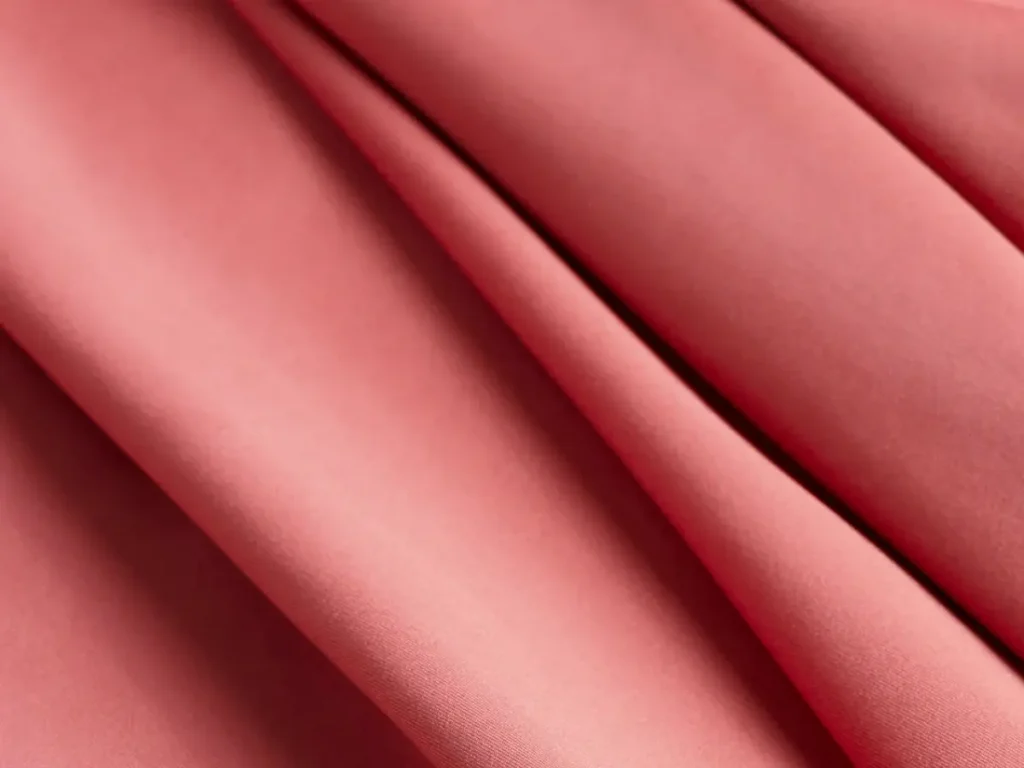
Performance Fabric
Performance fabric is better suited for activewear and athleisure styles that need lighter feel, better breathability, and easier wear in movement-focused settings.
- the activewear looks good but feels too hot in real use
- the product is visually sporty but not comfortable enough for movement
- the brand wants crossover activewear, but the fabric still behaves like a basic knit
- the top works in photos, but not in repeated daily wear
- the collection needs a more movement-oriented option without becoming too technical or hard to sell
Best For
- active T-shirts
- workout tops
- athleisure tops
- training layers
- movement-oriented sets
Why Brands Choose It
- lighter wearing feel
- better breathability
- more suitable for movement-led categories
- supports active and athleisure positioning
- helps the product feel more purpose-built
Why Modaknits Fits
Your internal Modaknits positioning ties product development to movement-friendly, urban active, and daily-use knitwear logic, and internal product architecture includes activewear as a clear product direction.
Printing and Branding Options
A good garment is only part of the final product. For many brands, what makes the product sellable is how clearly the logo, artwork, label, and finishing details support the brand.
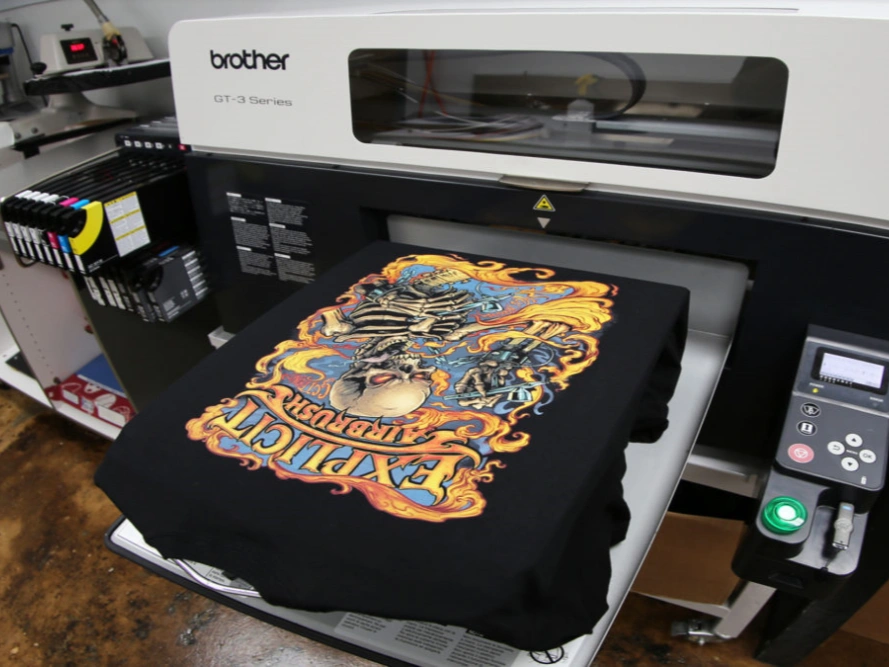
DTG Printing
DTG is one of the clearest current strengths in the Modaknits print structure. It works especially well when a brand needs detailed artwork, lower-volume flexibility, and a cleaner path for custom T-shirts and hoodies.
- the print loses detail after production
- smaller brands cannot meet large print minimums
- gradients and fine-line artwork do not translate well
- test launches become too risky because print setup is too rigid
- the brand wants visual expression, but not a crude or overly heavy result
Best For
- graphic T-shirts
- logo T-shirts
- custom hoodies
- creator merchandise
- low-volume branded launches
Why Brands Choose It
- handles detail better than many basic print methods
- works well for multi-color artwork
- supports smaller-batch customization
- useful for testing graphics before larger volume
- strong fit for branded basics and creator-led collections
Embroidery
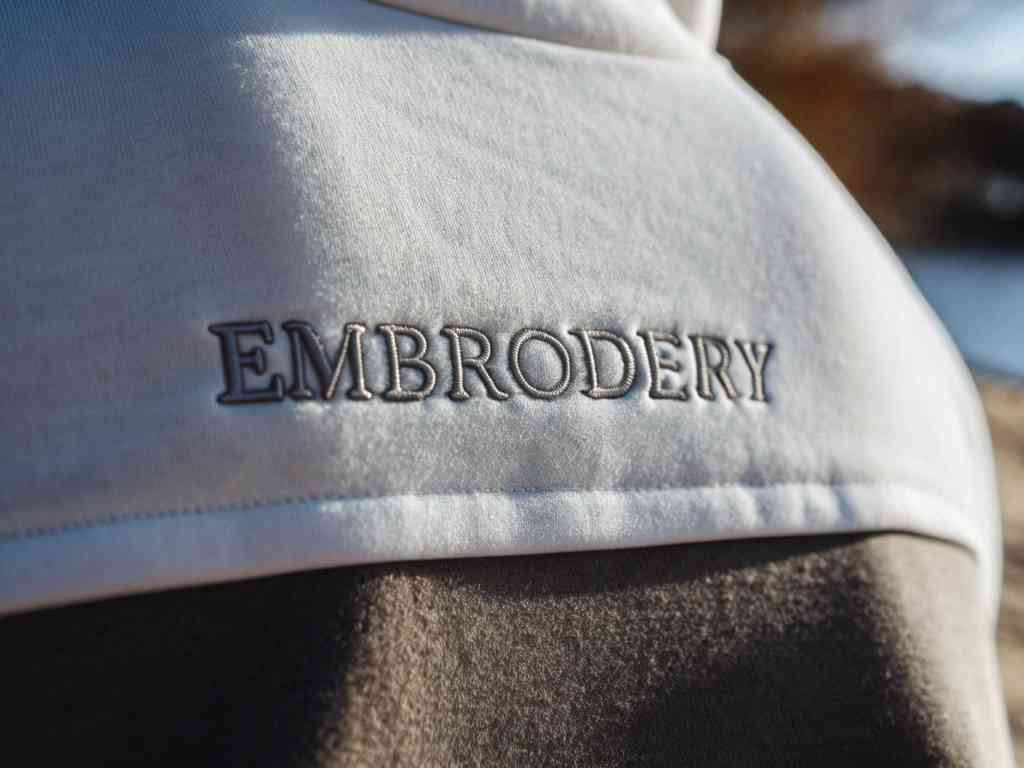
Embroidery is the stronger choice when the brand wants a cleaner, more understated, and more premium logo expression on hoodies, sweatshirts, and selected T-shirts.
- the garment looks too plain without brand identity
- printed logos feel too flat for premium basics
- the logo application looks cheap on thicker products
- the brand wants something more lasting than a simple surface print
- small logo programs need more texture and finish
Best For
- logo hoodies
- crewneck sweatshirts
- premium casual basics
- small chest logos
- private-label essentials
Why Brands Choose It
- gives the logo more texture and depth
- fits well with minimal branding
- works especially well on heavier garments
- supports a more elevated casual look
- helps basics feel more finished without overdesigning them
Heat Transfer
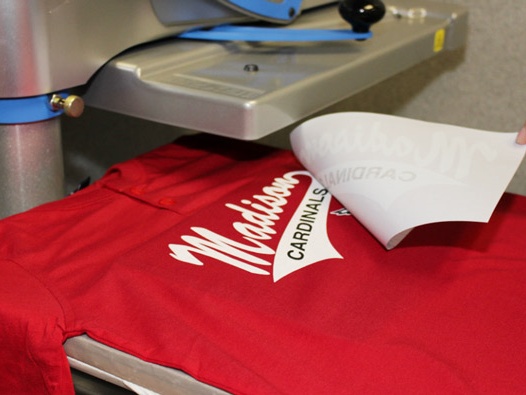
Heat transfer is useful when the brand needs flexible logo placement, smaller custom runs, or practical branding on garments where a clean application matters more than large artwork expression.
- the logo needs to sit in a precise position
- embroidery is too heavy for the garment or design
- the brand needs a practical solution for smaller-batch branding
- certain placements are harder to execute cleanly with other methods
- the garment needs light branding without changing the overall feel too much
Best For
- chest logos
- sleeve logos
- activewear branding
- small-batch logo applications
- secondary placement details
Why Brands Choose It
- flexible for placement control
- suitable for smaller branded runs
- useful when embroidery is not the right fit
- cleaner for certain logo applications
- practical for simple, controlled branding programs
Private Neck Labels and Brand Tags
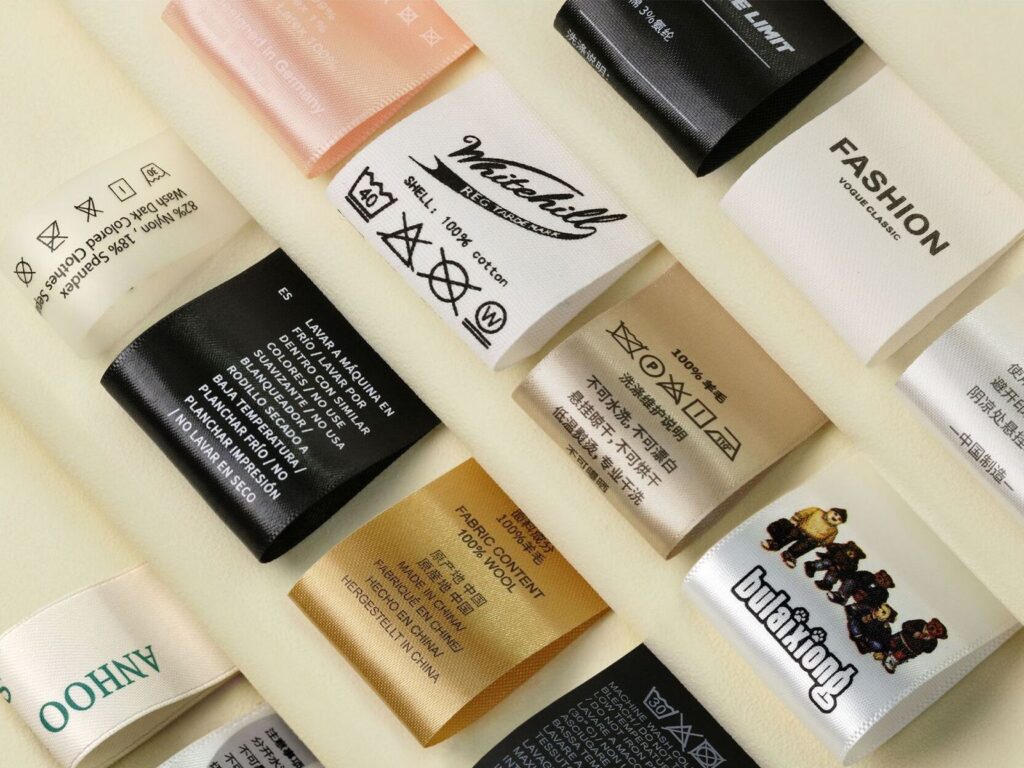
For many B2B customers, the garment does not feel complete until the internal label and tag system reflects the brand properly.
- the product still feels like a blank after production
- customers see generic labeling instead of brand identity
- the garment looks unfinished in packaging and unboxing
- the brand wants a more retail-ready product, not only a customized outer surface
- repeat orders become harder to standardize without label logic
Best For
- private-label T-shirts
- hoodies and sweatshirts
- essentials collections
- DTC brand programs
- reorder-focused basic products
Why Brands Choose It
- makes the product feel more complete
- improves brand consistency
- supports a more professional presentation
- useful for ongoing reorder programs
- strengthens the product during unboxing and retail display
Common Print and Branding Placements
| Placement | Typical Use | Best For | Notes |
|---|---|---|---|
| Front Chest | small logo or minimal graphic | hoodies, sweatshirts, basic tees | clean and versatile |
| Full Front | larger graphic or statement art | graphic tees, creator drops | good for higher visual impact |
| Back Print | artwork, slogan, large logo | tees, hoodies, event styles | useful for brand expression |
| Front + Back | logo plus supporting graphic | branded collections | stronger identity, higher complexity |
| Sleeve Placement | logo or accent detail | hoodies, long sleeves, activewear | useful for secondary branding |
| Neck / Label Area | private label detail | retail-ready garments | important for brand finish |
Useful Artwork Guidance for Faster Sampling
| Item | Recommended Direction |
|---|---|
| Artwork File | PNG preferred |
| Resolution | 300dpi |
| Color Mode | sRGB |
| Background | transparent background recommended |
| Print Area Example | front or back print area can be defined in advance |
| Print Side Options | front / back / both |
| Development Benefit | cleaner communication and faster sample setup |
Color and Finish Options for T-Shirts, Hoodies, Sweatshirts, and Activewear
For apparel brands, color choice is not only about preference. It also shapes product positioning. A heavyweight tee in black feels different from the same tee in stone or vintage wash. A hoodie in charcoal builds a different mood than one in bright seasonal color. An activewear set in low-saturation tones often sells differently from one built around louder contrast.

Solid Color Programs
Solid colors are the cleanest starting point for many brands. They simplify launch planning, photography, and reordering.
- basics
- blanks
- logo products
- multi-color first runs
- repeat reorder programs
Advantages
- easier to match across a collection
- simpler for first development
- safer for stable core products
- clearer for reorder planning

Garment-Dyed Direction
Garment-dyed styles are useful when the product needs a softer, more lived-in visual feel compared with standard solid-color basics.
- premium tees
- casualwear lines
- washed-color essentials
- mature brand aesthetics
Advantages
- softer visual depth
- more developed feel than basic solids
- strong fit for lifestyle-driven collections
- good for premium casual positioning

Washed and Vintage-Look Direction
Washed and vintage-style finishes help turn a standard tee or hoodie into something with more character. This works well when a brand wants a slightly worn-in appearance without changing the overall product structure too much.
- graphic T-shirts
- oversized tees
- washed hoodies
- creator collections
- casual street-lifestyle crossover products
Advantages
- stronger visual personality
- useful for graphic product programs
- helps standard basics feel more distinct
- can improve storytelling in content and merchandising

Seasonal Accent Colors
Some brands want a stable neutral base with one or two seasonal colors added for freshness. This is often a safer model than launching a full color-heavy range.
- new collections
- limited drops
- creator launches
- test styles
- holiday or themed capsules
Advantages
- keeps inventory more manageable
- allows testing without overcommitting
- adds freshness without rebuilding the whole range
- useful for brand storytelling and timed launches
| Product Type | Safer Starting Colors | Better Expansion Colors | Finish Direction |
|---|---|---|---|
| Basic Cotton T-shirt | Black, White, Charcoal | Stone, Oatmeal, Sage | solid or garment-dyed |
| Heavyweight Tee | Black, White, Stone | Mocha, Charcoal, washed tones | solid, vintage, garment-dyed |
| Hoodie | Black, Charcoal, Oatmeal | Sage, Mocha, seasonal darks | solid or washed |
| Sweatshirt | Charcoal, Black, Stone | Oatmeal, muted tones | solid or washed |
| Activewear | Black, Charcoal, deep neutrals | low-saturation seasonal tones | solid performance color direction |
| Graphic Tee | White, Black, washed black | vintage tones, faded neutrals | washed or vintage-look |
Size, Fit, and Pattern Stability for Repeatable Product Lines
In-House Pattern Support
A better fit usually starts with a better pattern process. Modaknits supports product development with dedicated pattern-making capacity, which is especially important for T-shirts, hoodies, bottoms, and activewear pieces that may need to be reordered later.
- improves first sample logic
- helps reduce unnecessary fit revisions
- supports cleaner grading work
- makes repeat development more manageable
Sample-to-Bulk Continuity
- lowers mismatch risk
- reduces production surprises
- helps keep branded products more reliable
- makes future reorders easier
Shrinkage and Fabric Response Control
- protects final garment measurement
- helps maintain fit after wash
- reduces inconsistency across batches
- important for basics and repeat items
Better Reorder Stability
- helps build long-term product lines
- reduces risk of negative customer feedback
- supports stronger replenishment programs
- useful for brands growing from small runs into ongoing restocks
| Area | What It Means | Why It Matters for Brands |
|---|---|---|
| Pattern Development | shape is built from a clearer technical base | stronger first sample and easier revision |
| Fit Logic | silhouette and balance stay more controlled | useful for core T-shirts, hoodies, leggings, activewear |
| Size Grading | measurements move more consistently across sizes | important for customer confidence and returns control |
| Sample-to-Bulk Connection | approved details are better carried into production | lowers mismatch risk |
| Shrinkage Awareness | fabric behavior is checked more carefully | helps maintain final size accuracy |
| Reorder Stability | same product is easier to repeat later | essential for bestselling basics and long-term programs |
How Fit Stability Is Built into the Development Path
| Stage | What Is Checked | Output |
|---|---|---|
| Design Brief | target fit, measurements, style direction, use case | clearer technical target |
| Pattern Setup | first pattern logic is established | workable first shape |
| Sample Review | fit, length, width, balance, comfort, logo position | corrected sample direction |
| Fabric Response Review | shrinkage and material behavior are checked | safer production preparation |
| Production Handoff | approved style details move into manufacturing | smoother sample-to-bulk transfer |
| Reorder Stage | the same style is repeated with more stable reference | stronger continuity for repeat sales |
Quality Control Built for Sample Accuracy, Bulk Stability, and Repeat Orders
Fabric Inspection Before Production
Fabric quality affects almost everything that comes later: hand feel, drape, shrinkage response, color appearance, print result, and final fit.
- reduces the risk of weak or unstable fabric entering production
- helps keep the approved product direction more consistent
- especially important for knitted basics and repeat styles
- supports more reliable bulk planning
Suggested Bullet Points
- fabric checked before cutting
- more controlled start to production
- helpful for repeatable core items
- lowers avoidable quality risk early
Shrinkage and Wash-Response Awareness
For knitted garments, shrinkage is not a small issue. It affects measurement, shape, and customer satisfaction after wear and wash.
- helps protect final garment measurement
- supports better fit consistency
- reduces mismatch between sample expectation and bulk result
- important for T-shirts, hoodies, sweatshirts, and bottoms
Suggested Bullet Points
- shrinkage-related control is part of the process
- useful for fit-sensitive basics
- supports reorder stability
- helps protect long-term product consistency
Cutting and Construction Consistency
Clean cutting and stable sewing are what turn an approved sample into a more dependable bulk order.
- improves measurement consistency
- supports cleaner silhouette and balance
- helps reduce variation between pieces
- especially useful for repeatable product lines
Suggested Bullet Points
- automatic cutting support in the factory system
- more stable production flow
- cleaner base for sewing accuracy
- better for scaling from test run to larger order
Final Inspection Before Shipment
Final inspection is the last checkpoint before goods leave the factory. This is where visible issues, packing problems, and shipment-readiness need to be confirmed.
- reduces avoidable shipment issues
- helps protect brand reputation
- useful for multi-size and multi-color orders
- supports cleaner delivery to overseas customers
Suggested Bullet Points
- final quality review before dispatch
- helps control visible defects
- improves shipment readiness
- reduces risk at the delivery stage
Quality Inspection Stages
| Stage | What Is Checked | Why It Matters |
|---|---|---|
| Fabric Inspection | fabric surface, base quality, consistency | protects the product from the start |
| Shrinkage Control | fabric response and measurement impact | helps stabilize fit |
| Cutting Stage | panel accuracy and cutting consistency | supports measurement control |
| Sewing Stage | workmanship, seam cleanliness, construction consistency | affects durability and appearance |
| Branding Check | print, embroidery, label placement | affects brand presentation |
| Final Inspection | overall appearance, finishing, packing readiness | reduces shipment risk |
Production Capacity and Lead Time That Support Both Testing and Growth
Many brands do not need maximum volume on day one.
They need the right starting structure.
That usually means:
- fast sample development
- low MOQ for testing
- clear small-order support
- reasonable bulk lead time
- enough factory capacity to support future growth
MOQ, Sampling, and Lead Time Table
| Item | Modaknits Capability | Why It Matters |
|---|---|---|
| Sampling Lead Time | 3–5 days for suitable products | helps brands move faster at the start |
| Fast-Start Small Order | 1–20 pcs in suitable scenarios | useful for quick testing and creator-led launches |
| Low MOQ Production | from 10 pcs | lowers first-order risk |
| Small-Batch Production | suitable for market testing and early launches | reduces inventory pressure |
| Bulk Production Lead Time | commonly 15–30 days depending on order complexity | supports launch and reorder planning |
| Product Focus | T-shirts, hoodies, sweatshirts, sweatpants, yoga pants, leggings, activewear | shows where capability is strongest |
How Order Volume Can Grow with Modaknits
| Stage | Typical Quantity | What Modaknits Supports | Main Goal |
|---|---|---|---|
| Sample | 1 sample | pattern, sourcing, sample making, fit review | confirm the product direction |
| Test Run | 10–50 pcs | low-risk launch support | validate demand |
| Small Production | 100–500 pcs | early stable production | improve reorder confidence |
| Bulk Production | 1,000+ pcs | larger manufacturing support | scale a proven style |
| Expanded Volume | 5,000+ pcs | broader production planning within the factory system | support ongoing growth |
Shipping and Logistics Support for Faster Launch and Restock Planning
For many apparel brands, delivery timing matters almost as much as production timing.
Express Shipping
Express shipping is often the best option for urgent samples, small-batch launches, or faster restocks.
Typical Timing: 3–5 days. Best For:
- sample delivery
- urgent replenishment
- smaller test orders
- time-sensitive launch support
Why Brands Choose It:
- faster arrival
- useful for tight schedules
- practical for quick product review
- helps reduce waiting time before launch

Air Shipping
Air shipping offers a middle path between speed and shipment size. It is useful when the order is larger than express-friendly volume but still needs faster delivery than sea freight.
Typical Timing: 5–8 days.
Best For:
- moderate-size production orders
- launch inventory
- faster commercial delivery
- replenishment with tighter time pressure
Why Brands Choose It:
- faster than sea freight
- more practical for growing order sizes
- useful for seasonal timing
- helps balance speed and volume

Sea Shipping
Sea shipping is generally the more economical choice for larger orders when the brand has enough lead time in its delivery plan.
Typical Timing: 20–30 days.
Best For:
- larger bulk production
- warehouse replenishment
- cost-conscious volume shipping
- long-range planning orders
Why Brands Choose It:
- better freight efficiency for larger orders
- useful for planned restocks
- suitable for ongoing core programs
- helps manage landed cost over larger volume
How the Delivery Flow Can Be Presented
| Stage | What Happens | Why It Matters |
|---|---|---|
| Order Ready | goods are packed and prepared for dispatch | reduces shipment confusion |
| Shipping Method Confirmed | express, air, or sea is selected based on timing and order size | matches delivery plan to business need |
| Dispatch | shipment leaves after arrangement is complete | starts delivery timeline |
| Tracking Shared | customer receives shipment tracking information | improves visibility |
| In Transit | goods move through carrier and customs process | helps planning on receiving side |
| Delivery | goods arrive at final address, warehouse, or multiple destinations | completes the launch or restock cycle |
A Clear Custom Development Process from Idea to Shipment
A strong factory page should not stop at product categories and production capacity. It should also show how the work actually moves forward.
For growing brands, the development process matters because delays usually come from missing information, unclear fit direction, late material decisions, or weak handoff between sample approval and production. A clearer process reduces those risks and makes the first project easier to manage.
That is especially important for product categories like T-shirts, hoodies, sweatshirts, sweatpants, yoga pants, leggings, and activewear, where a style often starts as a sample, then becomes a small test order, then turns into a repeat program later.
How Custom Development Works with Modaknits
| Comparison Area | Oneier | Typical Pet Product Supplier |
|---|---|---|
| Company Type | Direct manufacturer established in 2007 with 18+ years experience in neoprene products | Trading company or factory relying on outsourced production |
| Material Control | Stable access to neoprene production (SBR / SCR / CR), consistent thickness and lamination | Materials sourced from different vendors, quality may vary between batches |
| Neoprene Expertise | Deep experience in neoprene structure, thickness selection, and product matching | Limited understanding, often using generic materials |
| Product Development Capability | In-house R&D team + sample workshop, supports full custom development | Mostly catalog-based products with limited modification |
| Sampling Speed | 5–7 days (standard), 7–15 days (custom designs) | 10–25 days depending on outsourcing |
| MOQ Flexibility | Starts from 100 pcs per design, suitable for product testing | Usually 500–1000 pcs or higher |
| Production Lead Time | 25–30 days with structured planning | 30–45+ days with less predictable scheduling |
| Production Stability | Consistent structure, materials, and quality across repeat orders | Higher variation between batches |
| Quality Control System | 100% inspection before shipment with multi-stage checks | Partial inspection or random quality checks |
| Comfort & Safety Focus | Material and structure selected based on real pet usage (comfort, pressure distribution, durability) | Often focused on appearance and cost rather than real usage |
| Hardware & Reinforcement | Strong stitching, reinforced stress points, reliable hardware selection | May use lower-grade hardware or inconsistent reinforcement |
| Customization Depth | Full customization: structure, material, function, accessories, branding | Limited customization, mostly surface-level changes |
| Product Range Capability | Supports full product lines (harness, leash, collar, toys, travel products, accessories) | Often limited to single product categories |
| Collection Development | Strong ability to build matching product sets with consistent branding | Difficult to maintain consistency across multiple SKUs |
| Branding Capability | Supports multiple logo methods with consistent positioning and durability | Logo application may vary between batches |
| Communication Efficiency | Direct communication with fluent English team via email, WhatsApp, video | Communication may be indirect or slower |
| Project Management | Clear workflow from concept → sample → production → shipment | Less structured process, higher risk of miscommunication |
| Repeat Order Efficiency | Faster and more stable once specifications are confirmed | Often requires re-confirmation and adjustments each time |
| Logistics Support | Supports EXW, FOB, DAP, DDP with global shipping experience | Limited shipping coordination support |
| Payment Flexibility | Multiple payment options (T/T, PayPal, credit card, Alibaba, etc.) | Fewer payment options available |
| Scalability | Easy transition from small trial orders to large-scale production | Scaling may require switching suppliers |
| Risk Level for New Products | Lower risk due to structured development and material control | Higher risk due to inconsistent materials and processes |
| Long-Term Cooperation Value | Built for repeat orders, product expansion, and brand growth | Often focused on one-time order execution |
Representative Project Cases
The examples below are representative project scenarios based on the kinds of products, order paths, and service needs Modaknits is built to support. They are presented without customer names or confidential order details. Many brands do not need a dramatic factory story. They need to know whether the factory has handled projects that look similar to theirs.
Growing Creator Brand Launching Graphic Cotton T-Shirts
Creator-led apparel launch focused on graphic T-shirts.
- a fast first sample
- low-risk launch quantity
- print-ready cotton T-shirt base
- ability to test before moving into a larger order
- a product that could be restocked if the launch performed well
What Modaknits Supported
- fast sample development for a suitable cotton T-shirt style
- DTG-based graphic customization support
- small-batch start for market testing
- front / back print planning
- label and packaging coordination for a more finished brand presentation
Why It Was a Good Fit
This type of project matches one of the strongest Modaknits capability paths:
sample fast → launch small → review market response → reorder stronger styles
Good Products for This Type of Case
- basic cotton T-shirt
- heavyweight graphic tee
- oversized graphic tee
- logo hoodie follow-up program
Activewear Brand Developing Leggings and Matching Tops
Growing athleisure or yoga brand building a more stable product line.
- fit development support
- stretch fabric direction
- size and comfort review
- small-batch testing before scale-up
- a factory that could continue after the first launch
What Modaknits Supported
- development support for activewear-related styles
- pattern and sample coordination
- fabric and fit review during the sample stage
- smaller-volume testing before larger production
- production path that could continue into repeat orders later
Why It Was a Good Fit
Activewear is one of the categories where sample accuracy and fit stability matter more than average. This is where Modaknits’ sample rooms, pattern support, and production continuity become more valuable.
Good Products for This Type of Case
- yoga pants
- high-waist leggings
- fitted active tops
- matching activewear sets
Blank Apparel Brand Building a Reorderable Hoodie Program
Brand building blank or logo-ready essentials with long-term reorder potential.
- hoodie fabric and silhouette control
- embroidery or logo-ready development
- multiple color planning
- stable repeat production
- a supplier that could support small start quantities and later volume growth
What Modaknits Supported
- hoodie and sweatshirt manufacturing support
- branding methods such as embroidery and logo application
- low-MOQ start for early launch
- repeat-order structure for stronger styles
- scalable production path when the product line expanded
Why It Was a Good Fit
This type of program depends on consistency. Once the hoodie fit and fabric are approved, the brand needs the same product to remain commercially dependable over time. That is where Modaknits is better matched than a one-off, sample-only supplier.
Good Products for This Type of Case
- pullover hoodie
- zip hoodie
- oversized hoodie
- classic sweatshirt
- matching sweatpants
Which Kind of Brand Usually Fits Each Project Path
| Brand Type | Product Focus | Main Need | Why Modaknits Fits |
|---|---|---|---|
| Creator / content-led brand | graphic tees, logo hoodies | fast launch and low-risk testing | fast sampling + small-batch start |
| Activewear brand | leggings, yoga pants, fitted activewear | fit and fabric development | pattern and sample support |
| Blank / essentials brand | tees, hoodies, sweatshirts | reorder stability | continuity from sample to repeat production |
| Growing DTC basics brand | cotton tees, sweatshirts, casual bottoms | start small, scale later | low MOQ + broader production support |
Frequently Asked Questions
Modaknits supports flexible starting quantities depending on the product and order type. For suitable projects, fast-start small orders can begin from 1–20 pcs, and low-MOQ production can start from 10 pcs. This is especially useful for market testing, creator launches, and early-stage brand development.
For suitable styles, especially core knitted basics such as cotton T-shirts, sampling can be completed in around 3–5 days. More complex styles, special materials, or added branding details may require additional time.
Modaknits is strongest in T-shirts, hoodies, sweatshirts, sweatpants, yoga pants, leggings, and activewear. The company is especially well suited for knitted basics, sports casual products, and reorder-friendly product lines that can begin with sampling and small-batch production, then grow into stable repeat orders later.
Yes. Modaknits is well suited to brands that want to start with a lower-risk path: sample first, then a smaller batch, then a larger order after demand is validated. This makes the factory a strong fit for startups, growing DTC brands, creator labels, and blank apparel programs.
Yes. Modaknits can support customization across fabric direction, weight, fit development, printing methods, embroidery, labels, tags, and packaging. This is especially useful for brands that want to build a more complete private-label product rather than buying standard blanks with limited adjustments.
Modaknits supports a more connected development and production process through sample rooms, pattern support, fabric inspection, shrinkage-related control, standardized workflow, and final inspection before shipment. This helps reduce the gap between the approved sample and the bulk order, which is especially important for products such as T-shirts, hoodies, sweatshirts, leggings, and other repeatable core styles.
Yes. Modaknits is structured to support both the early stage and later growth stage of a product line. The factory base includes 4 factories, 18 production lines, around 100,000 pcs per month, and 50,000–80,000 pcs of additional capacity room.
Modaknits currently supports branding methods such as DTG printing, embroidery, heat transfer, logo placement support, neck label development, tags, and packaging support. These methods are especially suitable for graphic tees, logo hoodies, private-label basics, and smaller branded runs that need a more complete finished look.
Common shipping options include express shipping in around 3–5 days, air shipping in around 5–8 days, and sea shipping in around 20–30 days. Modaknits can also support dropshipping, multi-address shipment, small-batch restock delivery, and coordination with overseas warehouse delivery logic depending on the order arrangement.
Communication can be handled through email, WeChat, WhatsApp, voice calls, and video calls. The sales team communicates in fluent English, which helps make sample review, fit revisions, production updates, and shipment planning smoother for overseas customers.
Yes. Factory visits are supported. This is especially useful for brands planning long-term cooperation or reviewing production ability before scaling orders.
Modaknits supports several common payment methods, including PayPal, credit card, T/T, third-party payment, Alibaba, and Alipay. For standard bulk orders, the usual payment structure is 30% deposit and 70% before shipment, which gives customers a clearer and more manageable production process.
Start with a Sample. Build the Product Step by Step. Scale When Ready.
fast sample development, flexible starting quantities, stable reorder support, and enough production capacity to grow after the product proves itself.
- 3–5 day sampling for suitable styles
- Low MOQ from 10 pcs
- Fast-start support from 1–20 pcs in suitable scenarios
- 4 factories and 18 production lines
- Approx. 100,000 pcs/month capacity
- T-shirts, hoodies, sweatshirts, sweatpants, yoga pants, leggings, and activewear

