
 Skip to content
 How Waist, Hip, and Overall Proportion Define the Right Fit
Fit in everyday pants should be judged by how the garment works on the body, not by the size label alone.
A pair of pants can be the “correct size” on paper and still feel wrong in real use if the waist sits poorly, the hips pull, or the overall proportion creates tension during movement.
For everyday urban wear, the right fit should support comfort, structure, and repeat wear. It should feel stable through sitting, walking, commuting, and long hours without looking extreme, restrictive, or overly loose.
A good fit in everyday pants is not about tightness or sharpness alone.
It is about how the pants align with the body’s real structure, how they distribute pressure, and how they stay comfortable through normal daily use.
Fit and size are related, but they are not the same thing.
Size is the numerical or labeled measurement the brand assigns to the garment. Fit is how that garment actually behaves on the body. A person may choose the correct waist size and still find that the hips feel tight, the rise sits awkwardly, or the leg shape creates imbalance.
This distinction matters because many users assume sizing solves fit automatically. It does not. Size tells you where to start. Fit tells you whether the pants actually work.
That is why everyday pants should never be judged by label alone. A usable size must still produce a balanced fit across the waist, hips, seat, and overall silhouette.


A good everyday fit should balance comfort, structure, and freedom of movement at the same time.
Comfort matters because pants are worn for hours, often across mixed settings. Structure matters because the garment should still look stable and intentional in casual public use. Movement matters because daily life includes sitting, standing, walking, commuting, and repeated posture changes.
If one of these areas is missing, fit quality usually drops. Pants that are comfortable but shapeless may feel unreliable. Pants that look sharp but restrict movement are less wearable over time.
The strongest fit is therefore not the closest or the loosest. It is the one that supports the body naturally while preserving calm visual order.
Everyday pants work best when the fit is balanced rather than pushed toward either tightness or excess volume.
Extreme fits often reduce usability. Very slim fits can create pressure, limit movement, and make long wear tiring. Very oversized fits can add drag, excess fabric, and lower versatility across commuting or casual social settings.
Everyday urban wear rewards moderation because daily use is repetitive. The pants need to remain comfortable, easy to style, and physically manageable across many ordinary situations.
A balanced fit does not mean generic. It means the proportions are controlled enough to stay wearable and stable over time. That is what makes the fit useful, not just visible.

Waist fit is one of the clearest indicators of whether pants are truly wearable.
If the waist is wrong, the rest of the garment usually becomes harder to trust. Everyday pants should stay secure without pressure, slipping, or constant adjustment.
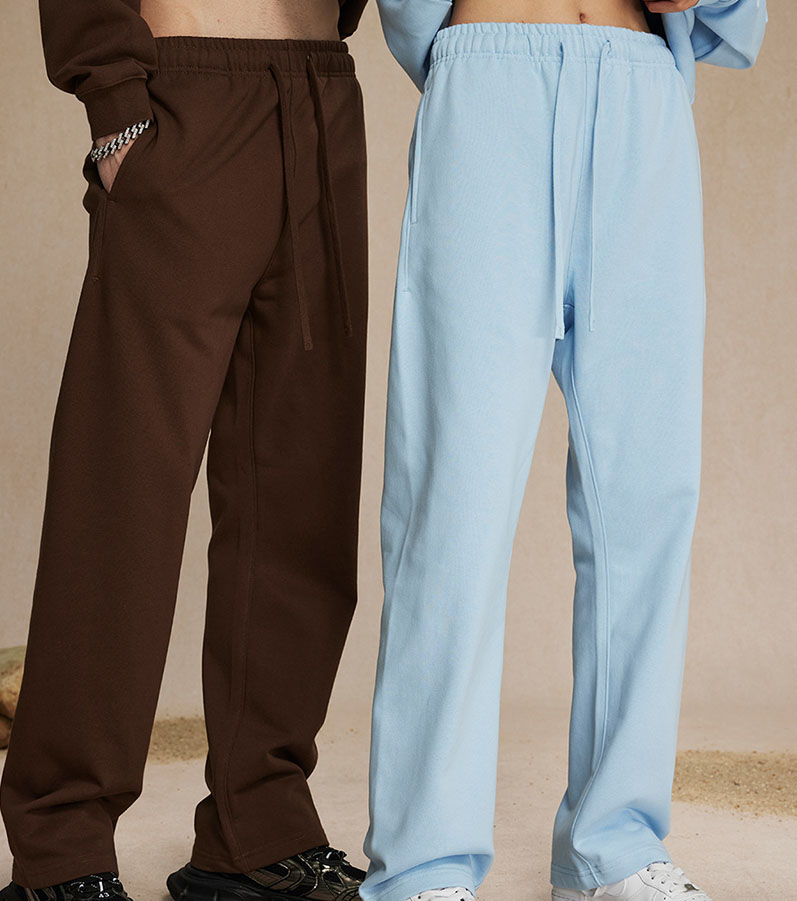
The correct waist fit should feel secure without feeling tight.
A well-fitted waist stays in place during standing, sitting, and walking without digging into the body. It should hold the pants steadily enough that the wearer does not need to pull them up repeatedly, but it should not create pressure that becomes noticeable after long wear.
This distinction matters because many people confuse tightness with proper fit. A waistband that feels “held in” at first may become uncomfortable later, especially during sitting or after a full day.
Good waist tension should feel calm rather than forceful. The pants should stay where they belong without making the waist the most noticeable part of the experience.
Waist fit should always be judged together with where the rise is designed to sit on the body.
Some pants are meant to sit closer to the natural waist. Others are designed for a mid-rise or slightly lower position. The correct fit depends on whether the garment is sitting where it was intended to sit, not where the wearer assumes all pants should land.
This matters because a waist can feel wrong when the real issue is rise mismatch. A pant worn too high may feel restrictive. The same pant worn too low may feel unstable or create pulling through the seat and hips.
Fit therefore starts with position. Before judging tightness, it is necessary to confirm that the waistband is sitting at its proper point on the body.
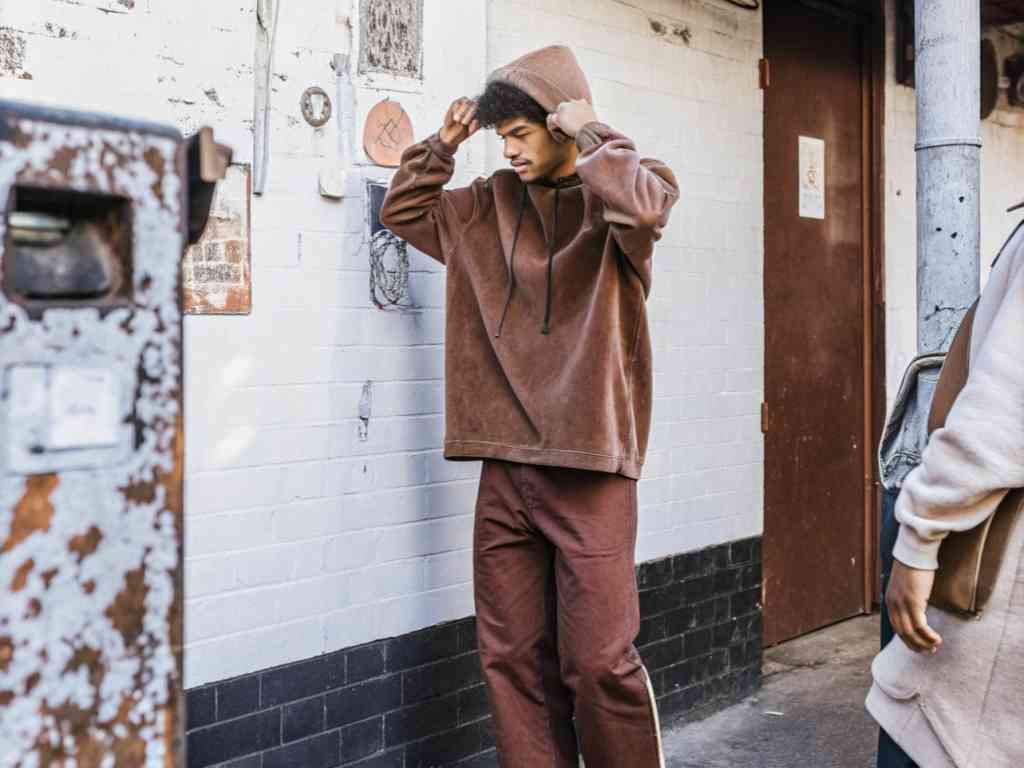
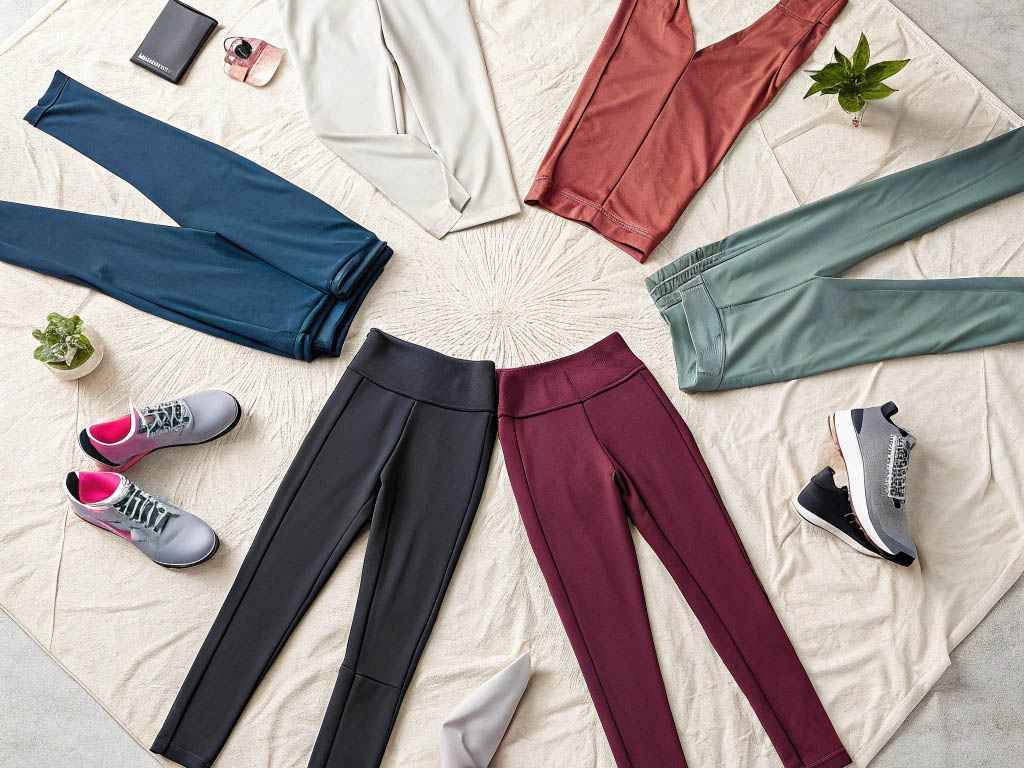
Poor waist fit usually reveals itself through slipping, digging, or visible distortion at the waistband.
Slipping means the waistband lacks enough hold and forces repeated adjustment. Digging means the pressure is too high and will likely become worse during long wear. Folding or buckling at the waist often suggests the structure is not sitting cleanly against the body, which can point to size mismatch, rise mismatch, or poor proportion between waist and hips.
These signs are useful because they appear early. They help users identify problems before long wear makes them more obvious.
A good waist should sit flat, stay stable, and remain low-pressure through movement. If any of those conditions fail, the fit is already compromised.
Hip and seat fit often determine whether pants feel natural or physically demanding.
A waistband may seem acceptable at first, but if the hips and seat are too tight, too loose, or poorly shaped, the pants will become uncomfortable quickly during normal daily use.
The hips and seat should provide enough room for movement without introducing unnecessary fabric bulk.
This area needs functional ease because sitting, walking, and bending all place pressure on the seat and upper hip zone. If the cut is too close, the pants may pull or feel restrictive. If there is too much room, the garment may sag, shift, or lose visual control.
The best hip and seat fit is controlled rather than dramatic. It should allow the body to move naturally while keeping the garment visually stable.
This matters especially in everyday pants, where movement happens constantly. The fit should support routine body motion without making the upper half of the pant feel heavy or unresolved.
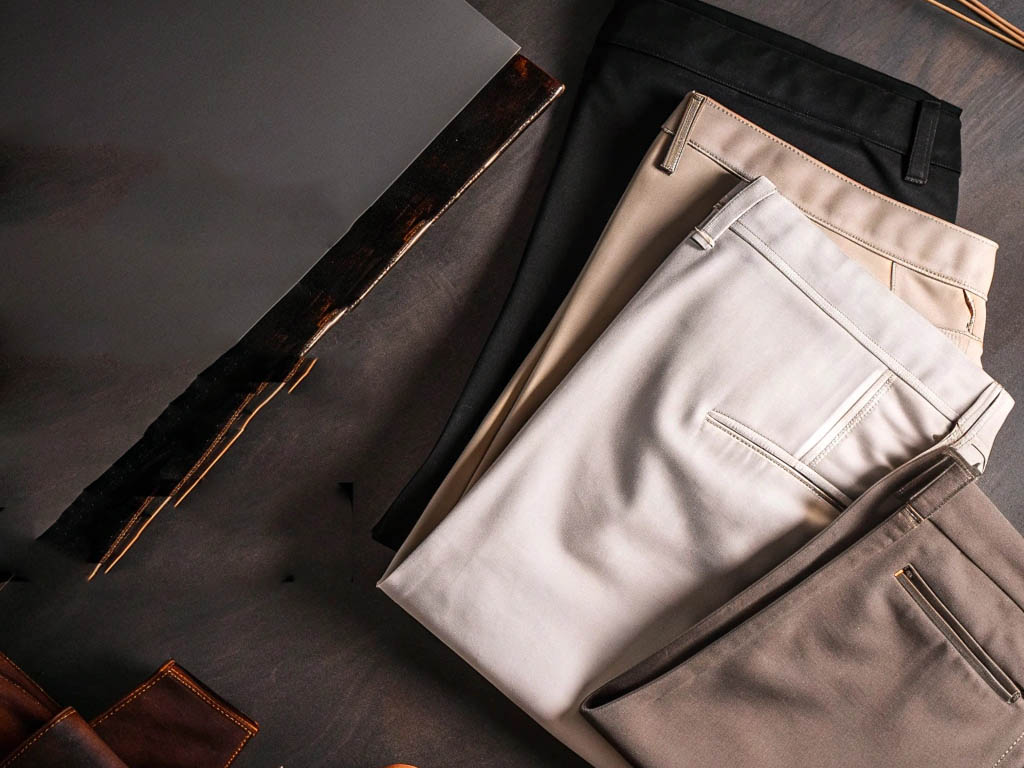
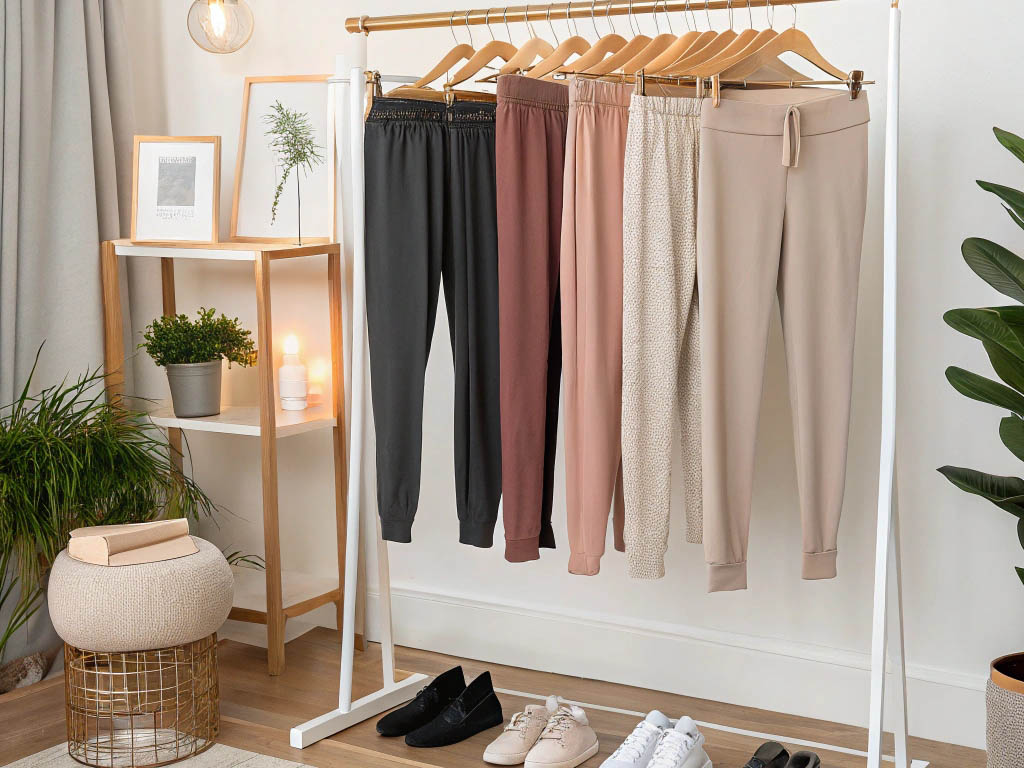
Pulling, strain lines, and sagging are all signs that the hip and seat fit is out of balance.
Pulling often means the area is too tight and the fabric is being forced across the body. Excess wrinkling can indicate tension, poor shaping, or mismatch in how the garment meets the wearer’s proportions. Sagging usually means there is too much space or not enough structural support in the seat.
These signs matter because the seat is one of the most movement-exposed zones in pants. If the balance is wrong here, discomfort tends to increase quickly through sitting and repeated transitions.
A well-fitted seat should sit cleanly without stress or collapse. The fabric should look settled, not strained or empty.
Hip fit strongly influences overall comfort because it affects movement, pressure, and garment stability all at once.
When the hips are too tight, almost every motion becomes less natural. When they are too loose, the pants often shift and lose their line. The seat and hip area also interact directly with the waistband, which means problems here often create problems above and below.
This is why hip fit cannot be treated as secondary. It is often the area that decides whether pants remain comfortable after several hours or become tiring in normal use.
A strong everyday fit usually feels balanced through the hips before it feels perfect anywhere else. If the hip area is wrong, the rest of the fit rarely stays convincing.

Waist fit and hip fit should never be judged in isolation.
Pants succeed when the relationship between these two zones is balanced. Many fit problems happen not because one area is wrong alone, but because the waist and hips are mismatched relative to each other.
The waist and hips must be evaluated together because they function as one connected fit system.
A waistband cannot sit correctly if the hip area is pulling too hard beneath it. In the same way, hips cannot feel truly comfortable if the waistband is forcing the garment into the wrong position. These zones work together mechanically, and a problem in one often changes how the other behaves.
This is why size choice based on waist alone is often unreliable. A pant may technically close at the waist and still fail across the hips and seat. It may also fit the hips well and still feel unstable if the waist lacks support.
Everyday pants need balance across both zones. The correct fit should feel coherent from top to upper hip rather than accurate in only one measurement.
Common fit failures often come from mismatch between waist size and hip volume rather than from one simple sizing error.
A tight waist with loose hips often means the cut does not match the wearer’s body proportion. A comfortable waist with tight hips may suggest the overall size is too small or the fit type is too narrow through the seat. A loose waist with balanced hips may mean the pant is too large overall or designed for a different waist–hip ratio.
These mismatch patterns matter because they explain why many people feel “between sizes” when the real issue is cut, not just size.
The more precisely users can identify the mismatch, the easier it becomes to decide whether they should change size or change fit type entirely.
When waist and hips do not align, the better solution is not always a different size.
Sometimes sizing up or down will solve the problem. But in many cases, the real answer is a different fit block or cut. A person may need more room through the hips without increasing the waist too much. Another person may need a straighter shape rather than simply a smaller size.
This distinction is important because repeated sizing changes can create new fit problems instead of solving the original one.
A useful rule is simple: if changing size improves one area but worsens another, the issue is probably fit type rather than size alone. That is when users should shift from “bigger or smaller” to “different shape.”
Choosing the right size should begin with measurement, but it should not end there.
A good size selection process combines chart reading, body proportion awareness, and an understanding that sizing is never perfectly universal across brands.
The best size choice starts with real-body measurements, not guesswork or habit.
Size charts are useful only when they are compared to actual waist and hip measurements taken on the body. Habitual size selection often fails because different brands build pants to different standards, rises, and fit assumptions.
This is why the chart should be treated as a starting framework rather than a promise. It helps narrow the likely size range, but it does not replace evaluating how the garment is intended to sit and how much ease it includes.
Users make better sizing decisions when they compare their own body numbers to the garment system rather than assuming consistency across all brands and categories.
Sizing up or down should be based on pressure balance and intended use, not on vanity or habit.
Sizing up can help when the waist is acceptable but the hips, seat, or thighs feel too restricted. Sizing down may help when the waistband slips, the seat collapses, or excess fabric reduces stability. But neither direction is automatically correct.
The more useful question is what problem the size change is solving. If going up relieves tension without creating too much looseness, it may be the better option. If going down improves control without adding pressure, it may make sense.
A size change is justified when it improves the full wear experience, not when it only satisfies the label expectation.
Sizing consistency varies because brands use different fit blocks, rise assumptions, grading systems, and target wear experiences.
A size medium or size 32 in one brand may not behave like the same size in another. Even when the waist number appears similar, the hip allowance, seat depth, thigh width, and overall proportion may differ significantly.
This matters because users often blame their body when the real issue is brand variation. A mismatch does not necessarily mean the wearer chose badly. It may simply mean the brand’s fit logic is built for a different proportion or styling direction.
That is why everyday pants should be chosen with brand-specific judgment. Consistency should be verified, not assumed.
Fit types help describe how pants are shaped, but they should be judged by use rather than by trend language.
The most useful fit category is the one that supports daily wear, body comfort, and long-term repeat use without creating unnecessary visual or physical strain.
The main everyday pant fit types differ in how they distribute space from waist to hem.
Slim fits stay closer to the body and usually reduce excess volume. Straight fits keep a more even line through the leg and often feel stable and adaptable. Relaxed fits add more room through the seat and leg for ease and movement. Tapered fits usually allow some room above while narrowing toward the ankle for a more controlled lower silhouette.
These categories are useful, but only when they are understood functionally. They are not quality signals by themselves. Each one changes comfort, movement, and styling in different ways.
The practical question is not which fit sounds best, but which one supports the wearer’s body and routine most effectively.
Each fit type changes comfort mainly by changing pressure distribution and movement space.
Slim fits can feel efficient and clean, but they may reduce comfort if the wearer needs more room through the hips or thighs. Straight fits often provide balanced everyday usability because they avoid both restriction and excess. Relaxed fits can improve body ease, especially for long wear, but too much extra volume may reduce control. Tapered fits can work well when the upper block allows enough room and the narrowing does not create lower-leg tension.
Comfort should therefore be judged through how the fit behaves in motion, not just how it looks while standing.
The stronger fit type is the one that stays easy through the wearer’s actual routine, not the one that looks most current in isolation.
Fit should be chosen according to daily use patterns, not short-term trend pressure.
A highly trend-driven silhouette may feel appealing visually and still become impractical if it restricts movement, reduces versatility, or feels too exaggerated for frequent wear. Everyday pants need a longer logic. They should remain easy to repeat across work-adjacent, casual, commuting, and leisure settings.
This is why use case matters more than trend language. A person who sits, walks, commutes, and wears one pair for long hours may need balance more than fashion drama.
The best fit is the one that supports repeated real-life use without creating friction in comfort or styling.
Body proportion matters because fit is relational.
The goal is not to label bodies rigidly, but to understand how different waist–hip relationships and body lines influence which pant shapes are likely to feel stable and comfortable.
Hip width affects fit choice because it changes how the pant needs to distribute space from waist to seat.
Wearers with broader hips often need more room through the upper block even if the waist remains relatively defined. Wearers with narrower hips may find that some cuts feel loose or unstable through the seat if the pant is designed with more hip allowance.
This does not mean one body requires one single fit. It means the waist–hip relationship becomes more important when selecting size and cut.
The better fit is the one that allows the hips to move comfortably without forcing the waist to compensate for poor proportion matching.
Straight and curved body lines often respond differently to the same pant block.
Straighter body lines may work well in cuts that keep a more even shape from waist to hip. More curved body lines may need greater differentiation between waist and seat allowance so the garment can sit correctly without pulling or gaping.
This matters because many sizing problems are really proportion problems. The size may be close, but the garment’s shape may not match the body’s line.
A better fit comes from respecting body geometry rather than forcing every body into the same pattern assumption.
Body proportion affects fit selection because fit is about relationship, not isolated measurement.
Waist size alone cannot predict whether a pant will sit well across the hips, thighs, and seat. The same is true in reverse. A balanced choice depends on how the entire upper-body-to-lower-body proportion works with the garment’s shape.
This is why some users feel comfortable in straight fits, others in relaxed upper blocks, and others in more tapered or controlled lines. The correct answer depends on how the body distributes space and movement needs.
When body proportion is understood clearly, fit selection becomes more rational. The question shifts from “Which fit is best?” to “Which fit is best for this structure and this daily use?”
Many users choose the right labeled size and still end up with pants that feel wrong.
This usually happens because they evaluate only one measurement, overlook proportion, or mistake tightness for precision.
Choosing pants based only on waist measurement is one of the most common causes of fit failure.
The waist matters, but it is only one part of the upper-block fit system. A waistband can measure correctly while the hips pull, the seat strains, or the overall rise sits poorly.
This is why waist-only sizing often creates false confidence. The number looks right, but the garment still behaves badly on the body.
Everyday pants should be evaluated through waist, hips, seat, and movement together. A correct waist alone is not enough.
Ignoring hip and thigh proportion often leads to discomfort even when the pants technically fit.
The garment may close and still feel restrictive during walking, sitting, or bending. This happens because the body needs room not only to exist inside the pants, but to move naturally inside them.
Hip and thigh proportion matter especially in everyday wear, where repeated movement exposes tightness faster than a static try-on does.
A practical fit should always leave enough functional ease in these zones to prevent pressure, friction, and long-hour fatigue.
Tightness is often mistaken for proper fit because it can look controlled in the first few minutes.
A close fit may seem neat and structured at first, but if it creates pressure, restricts movement, or becomes tiring after sitting, it is not actually correct.
This mistake is common because people often judge pants visually before they judge them physically. In everyday use, however, discomfort always becomes more important than first-look sharpness.
A good fit should feel settled, not compressed. The pants should stay controlled without asking the body to tolerate constant tension.
A useful fit checklist should be simple enough to repeat and specific enough to trust.
The best way to judge everyday pants is through three checks: waist stability, hip-and-movement performance, and overall long-wear balance.
1.Waist stability and comfort check
2.Hip and movement check
3.Overall balance and long-wear comfort check
We’ll get back to you within 24 hours. Attach your logo/design if needed.
💡 1 . Share your logo, fabric, and quantity for T-shirts, hoodies, and more.
📐 2. We’ll prepare samples for your approval.
🚚 3. Bulk production starts after deposit.
✅ We value your privacy. Your information is 100% safe and confidential.
📦 Need help? Chat with us via WhatsApp anytime!

Note: Your email information will be kept strictly confidential.
Note: Your email information will be kept strictly confidential.
Request a quote, discuss MOQ, lead time, fabrics & QC.
Visit our brand store: Modaknitswear
Retail orders (and dropshipping options) are available on Modaknitswear.