
 Skip to content
 Standards, Functionality, and Long-Term Wardrobe Value
Everyday pants in modern urban wear are defined by function before style.
They are not simply any pair of bottoms worn often. They are pants that can support movement, stay comfortable across long hours, adapt to multiple city settings, and remain easy to repeat without visual or physical fatigue.
For MODAKNITS, that standard aligns with its broader product logic: fabric development, urban knit engineering, cross-scenario wear, and long-term stability over short-term novelty.
In modern apparel, “pants” is a broad product category, but “everyday pants” is a narrower functional category.
The distinction matters because not every pant-shaped garment is suitable for daily urban wear. The useful question is not only what pants are, but what kind of pants remain practical, stable, and repeatable in real city use.
In modern apparel, pants are lower-body garments built with a defined waist, separated legs, and enough structure for standing, walking, and repeated daily use.
That definition sounds basic, but it is useful because it separates pants from looser lounge-only categories or more specialized performance bottoms.
In everyday urban wear, pants are expected to do more than cover the body. They must support movement, hold shape reasonably well, and fit into normal public settings without feeling overly technical or overly relaxed.
This is why modern pants are judged through performance as much as silhouette. The garment should deliver comfort, breathability, and usability while still appearing stable and intentional.
For a brand centered on modern basics and cross-scenario urban dressing, pants qualify as everyday pieces only when they function beyond category labels and work inside real routines.


Pants differ from jeans, sweatpants, and trousers because “pants” is the broad class, while the others are more specific constructions with different use assumptions.
Jeans are usually defined by denim structure and a more rigid durability profile. Sweatpants prioritize softness and ease, often with a more relaxed athletic or lounge association. Trousers usually imply a cleaner, more refined line and often a more formal visual expectation.
Everyday pants sit in a more functional middle zone.
They are judged less by tradition and more by usability. A good pair of everyday pants can borrow comfort from sweatpants, stability from trousers, and durability logic from jeans without becoming locked into any one of those categories.
That middle position is why they matter in urban wardrobes. The goal is not strict style identity, but practical balance across repeated use, comfort, and social adaptability.
“Everyday pants” is a functional category because it describes how a garment performs across routine use, not how it looks in one aesthetic lane.
A pair of pants becomes “everyday” when it can handle commuting, sitting, walking, transitions in temperature, repeat washing, and multiple social settings without becoming inconvenient or visually difficult.
That means the category is defined by reliability, not by whether the pants look minimalist, sporty, or refined.
This distinction matters because many garments look versatile at first but fail under actual use. Some are too specialized. Some are comfortable but unstable. Some are clean-looking but physically restrictive.
Everyday pants should solve these tensions rather than fall into them. In modern urban wear, the category exists to reduce wardrobe friction through comfort, structure, and cross-scene usability.
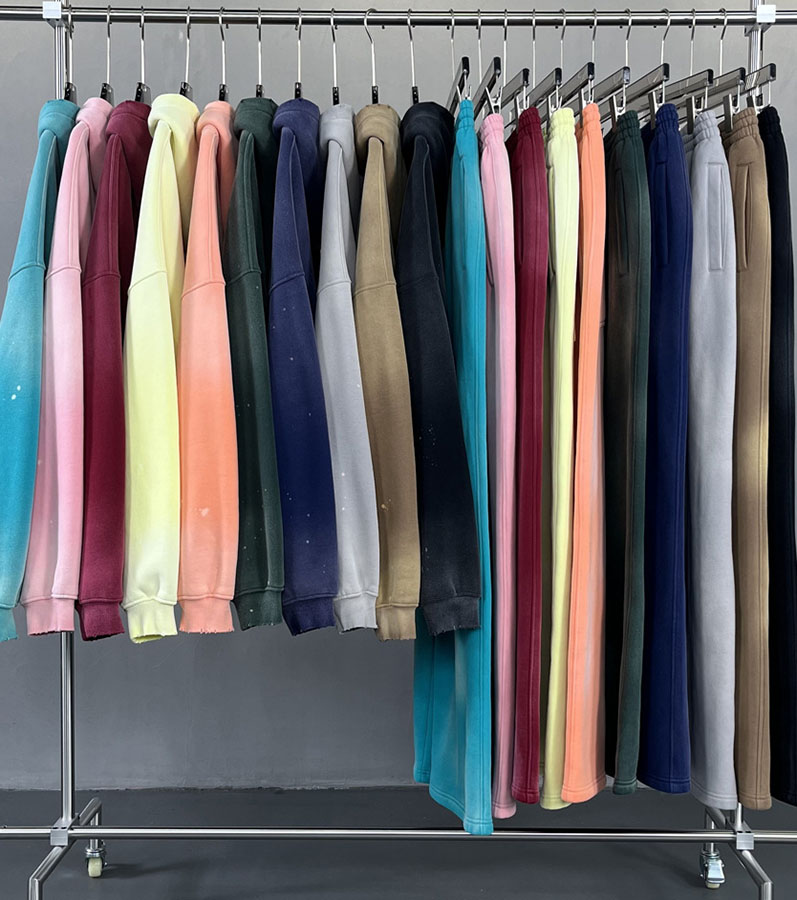
Daily urban wear places very specific demands on pants.
They must move easily, remain comfortable over long hours, and adjust to changing environments without asking for constant management. Everyday usability is therefore the first real test of whether pants belong in a modern city wardrobe.

Everyday pants must support unrestricted movement and stable comfort across the full rhythm of city life.
Urban wear includes commuting, walking, sitting, carrying items, climbing stairs, and remaining dressed for long stretches of time.
Pants that feel fine for a short try-on can still fail if they pull at the waist, restrict the thigh or knee, or become tiring after hours of wear. Mobility is therefore not a secondary feature. It is central to daily use.
This expectation fits directly with MODAKNITS’ urban engineering logic, which emphasizes freedom of movement, comfortable structure, and products built around real action lines rather than static presentation.
Everyday pants should remain comfortable across indoor–outdoor transitions rather than perform well in only one fixed condition.
Modern city life involves temperature shifts, seating changes, climate-controlled interiors, and movement between transit, work, and casual environments.
Pants that trap too much heat, feel too rigid when sitting, or become uncomfortable as conditions shift are weaker candidates for daily use.
This is why breathability, fabric balance, and climate responsiveness matter so much. Urban wear must support several conditions in the same day, not just one stable environment.
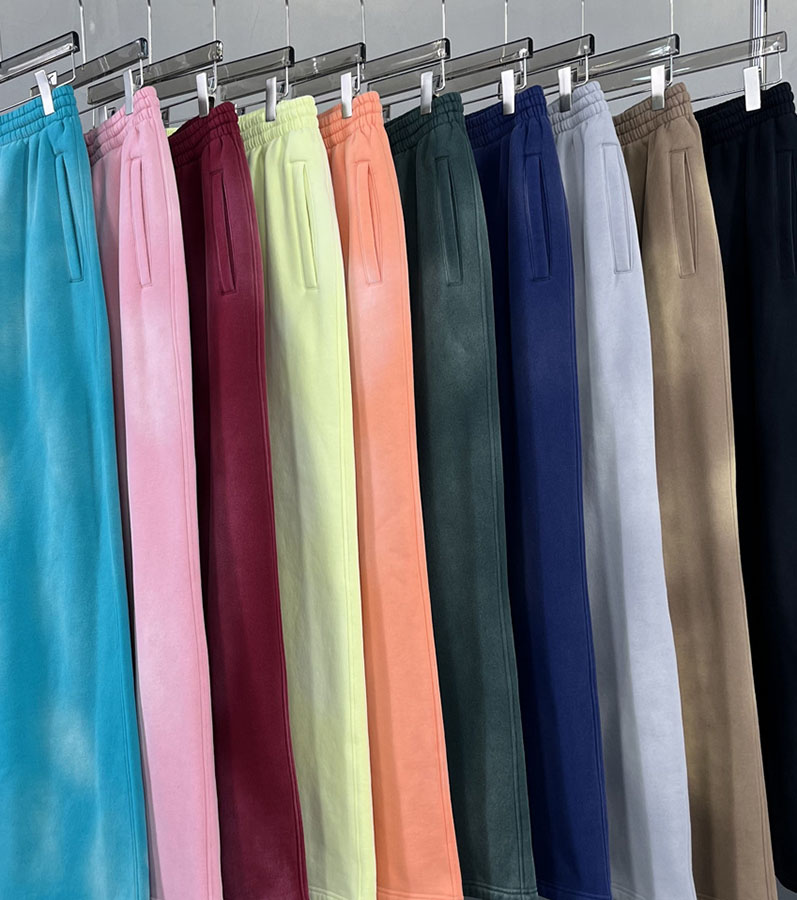
A true everyday pant should be easy to wear, easy to maintain, and easy to repeat without becoming burdensome.
Daily-use garments succeed when they do not ask for excessive care or styling effort.
Pants that wrinkle too easily, lose shape quickly, require delicate management, or feel hard to pair tend to fall out of regular use even if they look good at first.
Ease is not a minor convenience. It is part of the garment’s practical value. Pants work best when they reduce daily friction instead of adding another layer of decision-making.
High-quality everyday pants are defined by performance over time, not by first impression alone.
Fabric, construction, and aging behavior all matter because daily wear exposes weaknesses quickly. Quality is strongest when the pants stay comfortable, stable, and visually reliable after repeated use.
High-quality everyday pants begin with fabric that can balance durability, breathability, and recovery at the same time.
Durability matters because the pants will face frequent wear and repeated washing. Breathability matters because daily urban use includes long hours, movement, and temperature shifts.
Recovery matters because the garment must return from stretching, sitting, and motion without becoming bagged out or visibly tired too early.
These three factors should work together. If one is missing, everyday reliability usually drops.
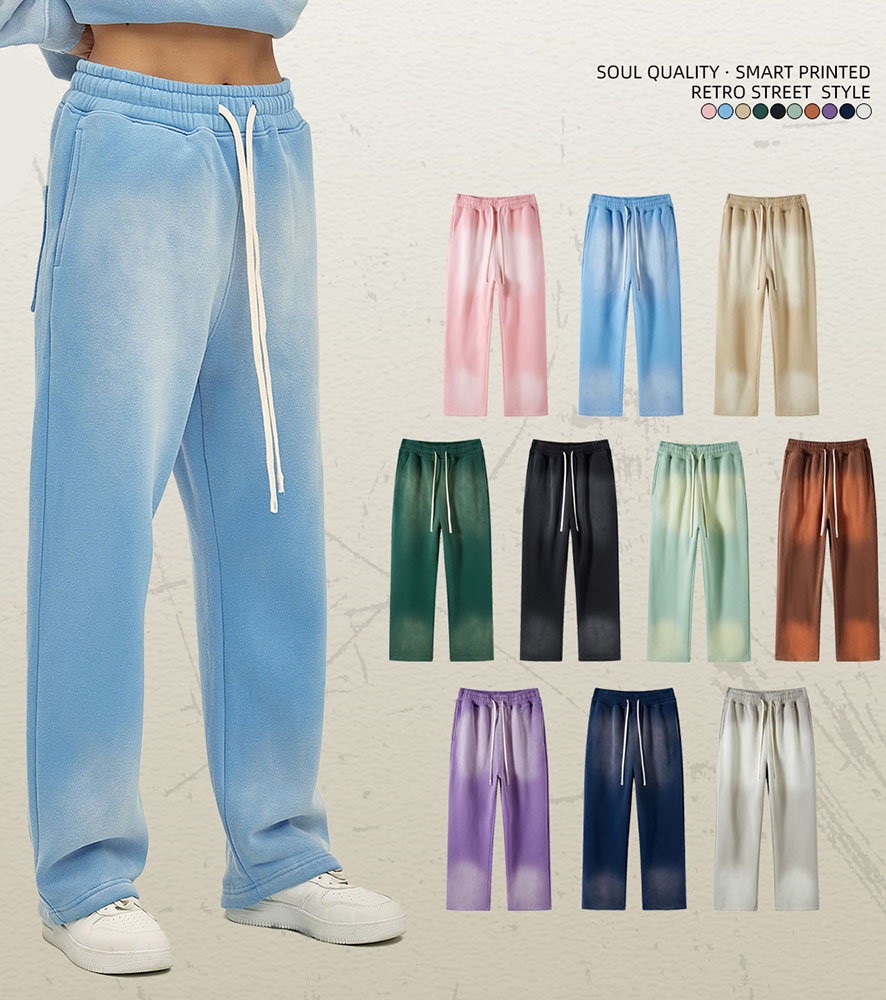
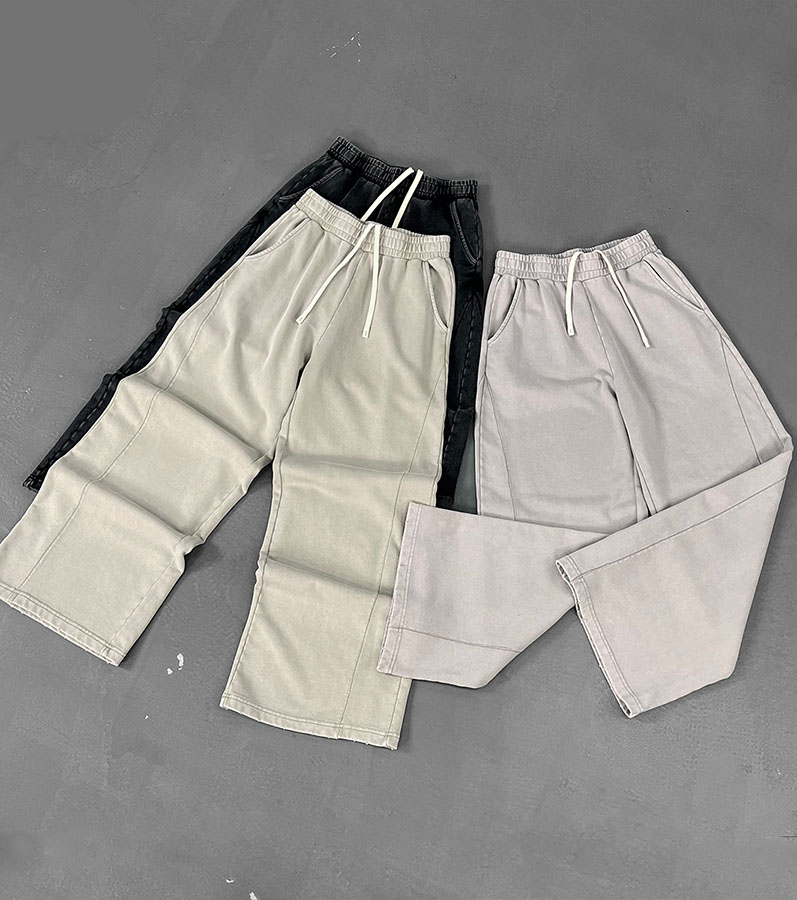
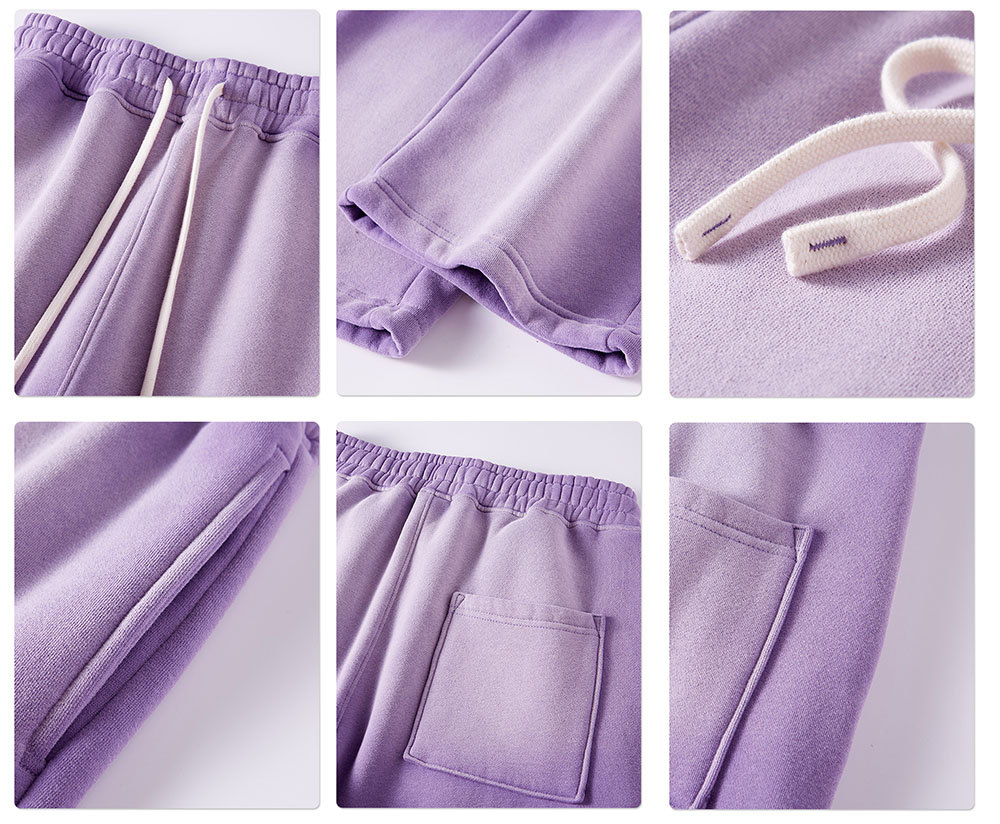
Construction quality determines whether fabric performance can actually hold up in daily use.
A strong fabric still needs stable seams, balanced shaping, and consistent assembly.
Otherwise the pants may twist, pull unevenly, lose panel balance, or feel structurally unreliable even if the material itself is good.
Everyday pants are especially sensitive to these issues because they are worn often and judged under ordinary movement rather than occasional styling. Construction is what turns material potential into real-world reliability.
The clearest quality test is how everyday pants behave after repeated wear, washing, and ordinary city use.
Long-term wear reveals what short-term fitting cannot.
Good pants should maintain shape, preserve enough surface stability, and avoid early sagging, twisting, or fatigue. Aging does not have to mean no change at all.
It means the garment stays usable and visually coherent rather than declining sharply after a limited number of wears. That is the real difference between short-term appeal and lasting wardrobe value.
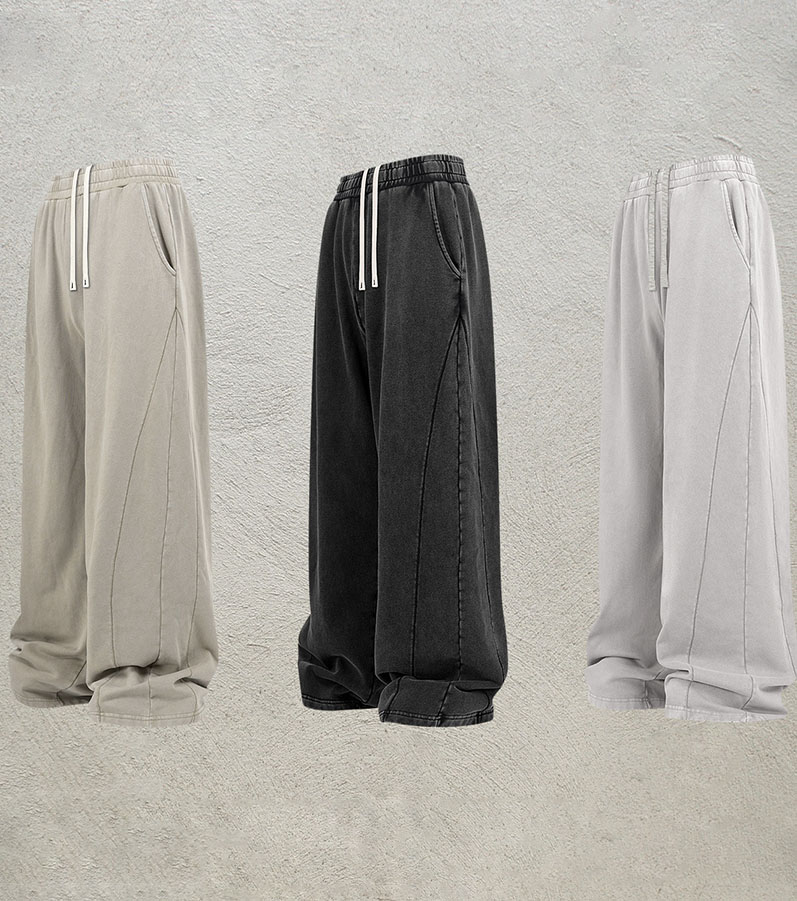
Practicality in everyday pants comes from design choices that reduce friction in use.
Storage, waist behavior, and fit structure all affect whether the garment feels easy or demanding over the course of a day. Good design should support real routines without drawing attention to itself.
Pocket design is practical only when it supports daily carrying needs without distorting the garment.
In city wear, people regularly carry phones, wallets, keys, transit items, or compact essentials.
Pants become more useful when pockets are deep enough, well placed, and structurally stable enough to hold these items without dragging the silhouette out of balance.
Poor pocket design either limits utility or makes the garment feel cluttered and unstable. The goal is not technical overload. It is usable, quiet function that supports routine life.
A good everyday waistband should balance comfort with enough stability to keep the pants secure through long wear.
If the waist is too soft, the pants can shift, sag, or feel imprecise. If it is too rigid, comfort drops over time, especially during sitting, commuting, or long days of wear.
The best waist construction usually avoids both extremes. It should feel stable without creating pressure or forcing the wearer to adjust constantly.
Everyday use rewards controlled support more than dramatic tailoring or purely lounge-like softness.
Practical fit means enough room to move freely without creating unnecessary volume or loss of line.
Everyday pants should allow bending, sitting, walking, and long wear without pulling at stress points.
At the same time, too much excess fabric can reduce polish, complicate pairing, or make the garment feel less adaptable across settings.
This is why fit should be judged through controlled ease rather than through simple “slim” or “relaxed” labels. The strongest fit is comfortable but still visually stable.
Everyday pants do not need to be formally refined, but they do need to appear socially usable.
In casual urban life, the strongest pants are the ones that look clean, versatile, and calm enough to move across ordinary encounters without feeling either overdressed or underconsidered.
Everyday pants should look clean and composed without becoming too formal for casual life.
A clean appearance supports broader usability because the pants can move more easily between errands, commuting, casual work contexts, and relaxed social situations.
But if the garment becomes too tailored or too dress-oriented, it may lose the easy repeatability that defines real daily wear.
The right balance is presentable without stiffness. The pants should look intentional, but not demanding.
Neutral design increases the usefulness of everyday pants because it reduces pairing difficulty across the wardrobe.
The more visually neutral the pants are, the more easily they can work with knitwear, tees, hoodies, overshirts, or lightweight outerwear.
Neutrality here does not mean dullness. It means the design avoids unnecessary details that narrow the pant to one aesthetic lane or one specific use case.
Everyday pants should simplify outfit building rather than becoming the obstacle inside it.
The strongest everyday pants hold a visual balance between relaxed comfort and refined structure.
If pants lean too far toward softness, they may feel unstable or too casual for many city situations. If they lean too far toward structure, they may lose comfort and repeatability.
The modern urban sweet spot is usually between those extremes: calm enough for frequent wear, but clean enough to feel intentional in public.
That is what allows the same pair to move across more than one scenario without visual friction.
Versatility is not a bonus feature for everyday pants.
It is one of the category’s core requirements. Pants qualify as urban staples when they can move across different situations with minimal friction in comfort, styling, and perceived appropriateness.
Everyday pants should work across commuting, work-adjacent settings, and casual environments without feeling misplaced in any of them.
That does not mean the garment must be equally perfect for every context. It means it should remain usable and coherent across the most common ones.
Commuting demands comfort and movement. Work-adjacent settings require a certain level of visual control. Casual environments reward ease and low effort.
A strong everyday pant stays functional and believable across all three.
Travel suitability is a strong indicator of whether pants are truly dependable for everyday urban use.
Travel exposes many weaknesses at once: sitting for long periods, changing temperatures, repeated wear, packing pressure, and reduced tolerance for high-maintenance garments.
Pants that perform well here are usually good candidates for daily life more broadly.
If a garment remains comfortable, easy to manage, and visually stable during long-duration wear, it has already passed a demanding real-world test.
Multi-scene adaptability is a core requirement because modern urban wardrobes are expected to solve more than one problem at a time.
People increasingly want fewer garments that do more.
Pants that only work in one narrow situation create wardrobe friction. By contrast, pants that can shift between casual, business-casual, travel, and light-activity contexts offer higher functional value.
That is one of the clearest signs that a pair belongs in the everyday category rather than a specialized one.
A reliable wardrobe staple earns its place through repeat use over time.
Everyday pants should not only work today. They should remain relevant, easy to style, and worth keeping in rotation across months and years.
Timeless everyday pants usually offer more long-term value than trend-driven versions because they stay usable after the novelty period ends.
A trend-driven pant may attract attention quickly, but it often becomes harder to wear repeatedly or across different scenarios.
Timeless design does not mean generic design. It means the garment avoids overly specific details that shorten its useful life in the wardrobe.
Long-term value usually comes from stable relevance, not from temporary visual impact.
A true wardrobe staple is a pant you can wear often without boredom, friction, or complicated outfit planning.
Repeatability depends on comfort, neutrality, and stable visual behavior.
If the pants are easy to pair and continue to feel good through normal daily use, they naturally stay in rotation. If they are too demanding in care, too narrow in style, or physically inconsistent, they lose value quickly no matter how attractive they looked at first.
That is why repeat wear is one of the clearest tests of staple value.
Long-term wardrobe value is strongest when the pants deliver high cost-per-wear efficiency and real value density.
Value density means the garment gives the wearer more usefulness, comfort, stability, and scenario range relative to what it costs.
Cost-per-wear improves when the pants survive repeated use, remain easy to wear often, and do not drop out of rotation early.
A good everyday pant should justify itself not through novelty, but through sustained usefulness.
Many pants are labeled as everyday pieces but fail when exposed to real-life routines.
The failure usually comes from imbalance: too much specialization, too much softness, too much rigidity, or a mismatch between fabric and actual use. Understanding these mistakes helps define the category more clearly.
Many pants fail as everyday options because they are too specialized to move across ordinary urban scenarios.
Some are too technical and visibly sport-driven. Others are too tailored and context-bound. Some rely on details that make them hard to pair or wear casually.
In each case, the problem is the same: the pants cannot adapt well enough to varied daily life.
Everyday pants should reduce wardrobe narrowing, not create it.
Pants often fail when they offer comfort without enough structure, or structure without enough comfort.
Too much softness can lead to sagging, weak lines, and reduced social adaptability. Too much structure can lead to pressure, reduced mobility, and lower repeat use.
Everyday wear requires a middle condition where the pants feel easy on the body but still maintain enough line to remain broadly usable.
That balance is what separates a true staple from a category-specific compromise.
Fabric and fit mismatches are a common reason pants look suitable in theory but fail in repeated use.
A fabric may be breathable but too unstable. A fit may look clean but restrict movement. A soft material may pair poorly with a cut that needs more recovery or structure.
These mismatches often become visible only after several wears, when the pants start to bag, pull, overheat, or lose line.
That is why everyday pants should not be judged through isolated features alone. Fabric, fit, construction, and use context have to work together.
A strong evaluation framework should be simple enough to repeat and specific enough to trust.
The best way to identify true everyday pants is to test them through three connected standards: function, quality, and long-term versatility.
If all three hold, the pants are likely built for real urban use rather than only for first impression.
1.Functionality check (movement, comfort, usability)
2.Quality and durability check
3.Versatility and long-term value check
We’ll get back to you within 24 hours. Attach your logo/design if needed.
💡 1 . Share your logo, fabric, and quantity for T-shirts, hoodies, and more.
📐 2. We’ll prepare samples for your approval.
🚚 3. Bulk production starts after deposit.
✅ We value your privacy. Your information is 100% safe and confidential.
📦 Need help? Chat with us via WhatsApp anytime!

Note: Your email information will be kept strictly confidential.
Note: Your email information will be kept strictly confidential.
Request a quote, discuss MOQ, lead time, fabrics & QC.
Visit our brand store: Modaknitswear

Retail orders (and dropshipping options) are available on Modaknitswear.