
 Skip to content
 Zip up hoodies work best in situations where comfort, layering, and quick adjustment matter at the same time. Their front zipper makes them more adaptable than many other casual garments, especially in routines that include movement, changing temperatures, and mixed indoor–outdoor conditions.
This page explains the real-life situations where zip up hoodies are most useful. The goal is to show when zipper-based hoodies offer practical advantages in everyday wear.
Zip up hoodies fit modern daily life because urban routines often require clothing that is easy to adjust, easy to layer, and easy to repeat. They are especially useful when the day includes movement, transitions, and casual dress expectations.
A good zip hoodie works not because it is dramatic, but because it solves ordinary comfort problems with very little effort.
Zip up hoodies suit modern urban lifestyles because daily city routines usually combine movement, casual dress, and changing environments.
People move between streets, transit, indoor spaces, errands, and low-pressure social settings, often in the same outfit.
In that context, a garment that can open, close, and layer easily becomes highly practical. The zip hoodie works well because it offers warmth and softness without locking the wearer into one fixed condition.
This makes it especially useful in everyday city dressing. It feels casual enough for repeated wear, but functional enough to handle the small adjustments urban life often requires.
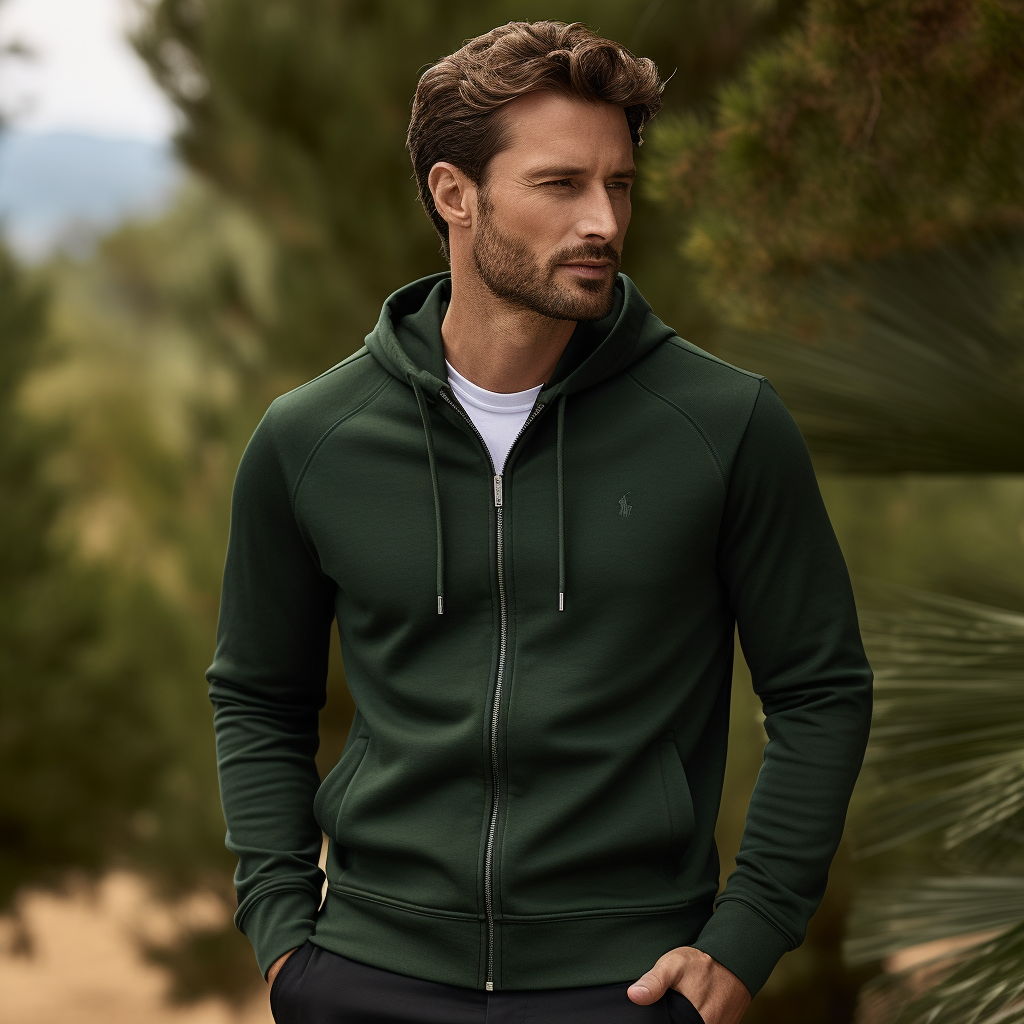

Zip up hoodies are popular because they are convenience-focused garments. The front zipper allows the wearer to change ventilation, remove the hoodie quickly, or wear it open over another layer without much effort.
That matters in daily activity because comfort usually depends on small changes, not major outfit changes. A garment that can be adjusted in seconds becomes easier to trust throughout the day.
This is one of the clearest reasons zip hoodies remain useful. They reduce friction in daily dressing and make casual comfort easier to manage during ordinary routines.
Zip up hoodies work because they stay useful across different everyday environments.
A wearer can move from home to transit, from outdoors to indoors, and from activity to rest without needing a completely different garment.
The zipper gives the hoodie more than one wearing mode. It can act like a light jacket, a soft mid-layer, or an open casual top depending on the situation.
That flexibility is a major reason the category remains practical. Clothing that works across multiple ordinary environments usually becomes more valuable than clothing that performs well in only one narrow setting.
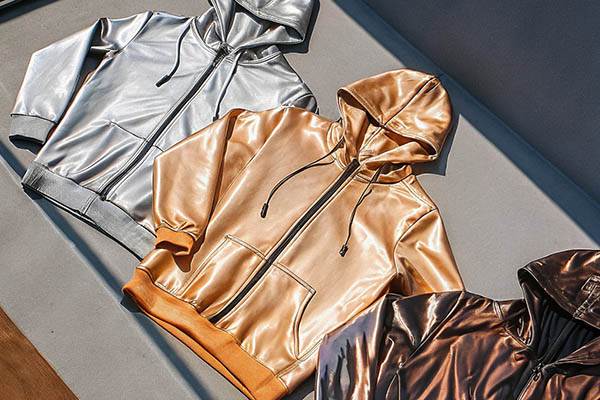
Zip up hoodies are most comfortable when the setting is casual, the climate is moderate, and the day includes some movement or temperature change. They work best in routines where comfort matters but complete informality still feels appropriate.
In these situations, the hoodie becomes a practical solution rather than just a casual preference.

Zip up hoodies work especially well during casual daily routines and errands because those situations usually call for comfort, easy layering, and low-effort dressing.
A person may leave home, walk outdoors, enter stores, carry small items, and repeat short transitions through the day.
A zip hoodie supports that pattern well because it is easy to put on, easy to remove, and easy to regulate. It does not ask for much styling effort, yet still feels more complete than a basic top alone.
This makes it a strong everyday garment. It works best when the routine is informal, practical, and shaped by repeated small movements rather than one fixed environment.
Zip up hoodies also work well in relaxed social environments where casual dress is normal and physical comfort matters.
These settings may include meeting friends, visiting cafés, low-pressure gatherings, casual campus use, or informal travel days.
In those situations, the hoodie feels natural because it balances ease and presentability. It does not feel overly dressed, but it still provides enough structure to feel like a complete layer.
That is why zip hoodies often remain in regular use. They can move from practical routine wear into relaxed social use without needing to be replaced by something more formal.
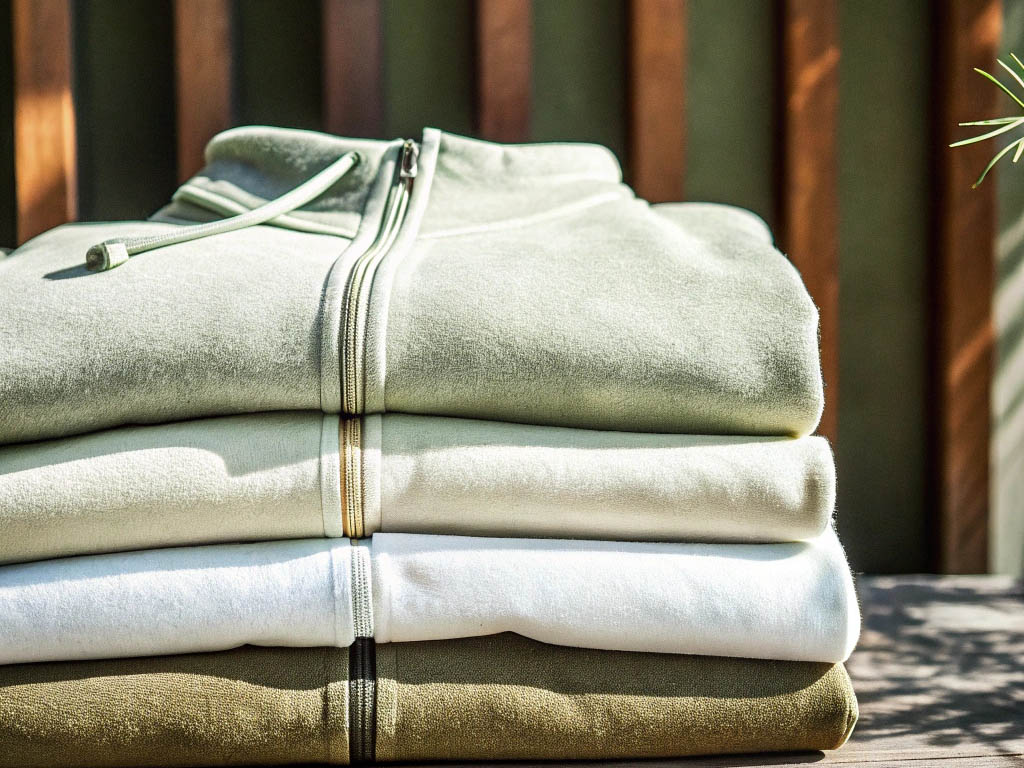
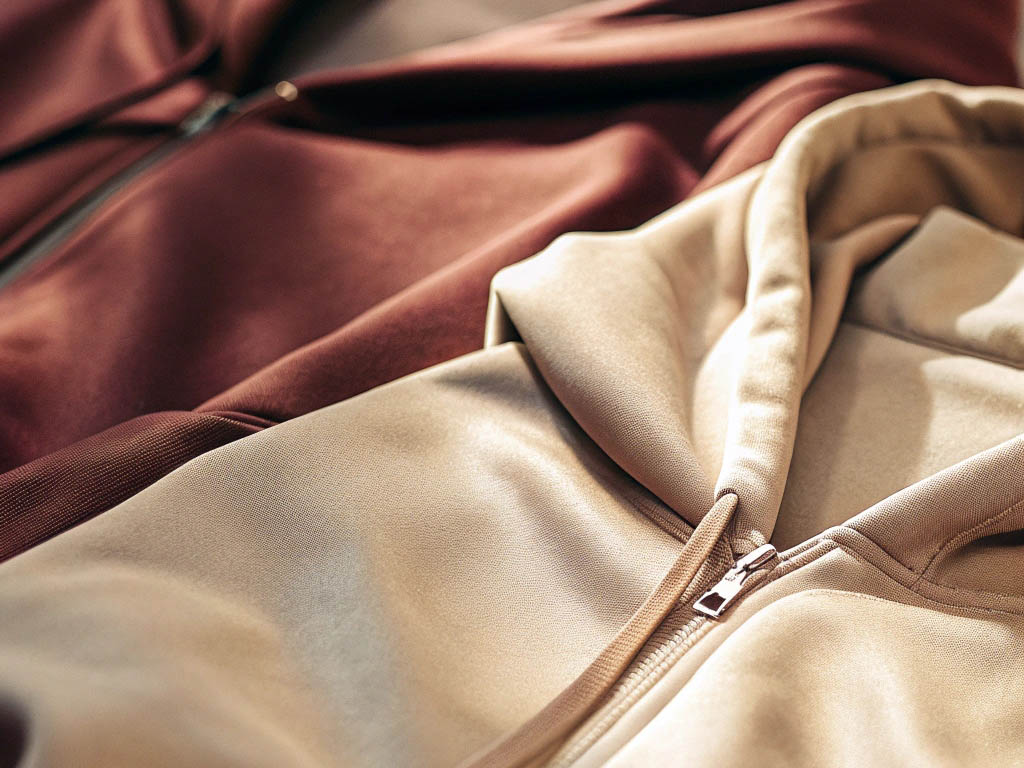
Zip up hoodies are especially useful during home-to-city transitions because those moments often involve quick shifts in temperature, activity, and social setting.
A wearer may go from indoor comfort to outdoor walking and then into a public casual environment within a short time.
The hoodie works well in that transition because it feels easy at home but still practical outside. The zipper allows fast adjustment without forcing the wearer to stop and fully change clothes.
This is one of the category’s strongest real-life advantages. It supports movement between private comfort and public everyday use with very little effort.
Zip up hoodies are especially well suited to commuting and travel because they perform well during movement, waiting, layering, and repeated environmental change. Their value becomes very clear when the wearer has to stay in the same garment across several stages of a trip.
The zipper makes this easier by giving the hoodie more control than a pullover.
Adjustable ventilation is one of the strongest reasons zip hoodies work well during commuting.
A commute often includes walking, transit, waiting, and entering warmer indoor spaces in a short period of time.
A zip hoodie allows the wearer to respond quickly by opening the front rather than removing the garment entirely. This is especially useful when the temperature shift is noticeable but not large enough to justify taking the hoodie off.
That makes the garment more adaptable than a fixed pullover. In commuting use, small comfort adjustments often matter more than maximum insulation.


Zip hoodies work well during transit because they layer easily over light tops and under jackets or coats.
This makes them useful when travel conditions are mixed or when the wearer needs a garment that can respond to changes without becoming bulky.
The front-opening structure also makes the hoodie easier to manage while sitting, walking, carrying a bag, or adjusting layers in public spaces.
That is why zip hoodies are often strong transit garments. They support practical layering without becoming too rigid or too difficult to remove once the wearer changes environments.
Comfort during long travel hours is another major reason zip hoodies remain useful.
Travel often means long periods of sitting, waiting, walking, and repeating those motions without many opportunities to fully change clothing.
A zip hoodie performs well here because it is soft enough for extended wear and flexible enough to adapt when conditions change. It can stay zipped for warmth, opened for airflow, or layered under heavier pieces when needed.
This kind of long-duration comfort makes the garment dependable. A good travel layer is one that stays manageable over time, and zip hoodies often fit that role well.

Zip up hoodies work particularly well inside layered outfit systems. Their front-opening design makes them easier to combine with other pieces than many closed-front casual garments.
This makes them useful as middle layers in weather that requires more than one garment but less than full winter protection.
Zip hoodies are effective mid-layer garments because they sit comfortably between a base layer and an outer layer. They add warmth and softness without fully replacing the function of a jacket or coat.
This makes them useful when the wearer needs both comfort and adaptability. The hoodie provides a casual inner layer, while the outer garment handles stronger weather exposure.
A strong mid-layer should not feel too bulky or too thin. Zip hoodies work well here because they can function as a bridge between indoor comfort and outdoor practicality.
Zip hoodies layer especially well under lightweight jackets because this combination stays flexible and easy to move in. Denim jackets, work jackets, overshirts, bombers, and light outer shells often pair well with hoodies in daily use.
The hoodie adds warmth and casual softness, while the jacket adds shape and mild weather protection. The wearer can remove the jacket and still remain comfortably dressed.
This kind of layering is especially practical in transitional seasons. It gives the wearer more control without building too much weight into the outfit.
Zip hoodies also work under heavier coats when the weather becomes colder and the wearer needs more insulation. In this setup, the hoodie adds an inner layer of warmth and comfort while the coat handles wind and lower outdoor temperatures.
The zip hoodie remains useful because it can still be adjusted once the coat is removed indoors. That makes the full outfit easier to manage through temperature changes.
This layering system works best when the hoodie is not excessively bulky. A well-balanced zip hoodie adds comfort and thermal support without making the outerwear feel too tight or overloaded.
Zip up hoodies are most comfortable in conditions where light to moderate insulation is useful and where layering or airflow control still matters. They are not extreme-weather garments by default. Their best performance usually happens in moderate, transitional, and mildly cool conditions.
This is where their flexibility becomes most useful.
Mild and transitional weather is one of the best environments for zip hoodies because the garment can respond to changing conditions without needing to be removed constantly. Cool mornings, warmer afternoons, light wind, and mixed indoor–outdoor movement all suit the hoodie well.
The zipper adds even more value in these conditions because it allows quick regulation of warmth and airflow. That makes the hoodie more practical than a garment that stays thermally fixed once worn.
This is why zip hoodies are often strongest in spring, autumn, and other variable-weather periods. Their usefulness comes from balance, not from extreme insulation.
Cool mornings and evenings are especially good times for zip hoodies because these periods usually require light warmth rather than heavy outerwear. A hoodie can provide enough coverage to stay comfortable without feeling too serious or too substantial.
This works well for early commutes, evening walks, light outdoor waiting, and casual use after sunset. The garment feels protective enough for the cooler air, but still easy to open or remove later.
That makes it a dependable solution for the edges of the day. In many daily routines, those are exactly the times when the hoodie becomes most useful.
Zip hoodies can also work well indoors when the temperature is moderate rather than hot. In offices, homes, cafés, classrooms, and travel spaces, the garment can remain useful if the wearer needs light warmth but not strong insulation.
The zipper helps here because the hoodie can stay partly open without being removed entirely. That makes it easier to keep on across longer indoor periods.
A hoodie that works in moderate indoor conditions usually becomes more repeatable. This is one reason zip hoodies remain useful beyond outdoor wear alone.
Zip up hoodies are practical, but they still have clear limits. Some environments require more formality, less insulation, or a different kind of garment structure than a hoodie can provide.
Recognizing these limits helps define when the hoodie is useful and when another garment makes more sense.
Zip hoodies are less suitable in highly formal environments because the garment’s casual construction usually conflicts with the expectations of the setting. Even a clean and well-made hoodie still carries the visual language of relaxed daily wear.
In formal environments, the issue is not always physical comfort. It is whether the garment fits the dress expectations of the space. A hoodie usually signals informality when the setting is asking for structure and polish.
That makes it less practical in those contexts. A garment is only fully useful when it suits both the body and the environment.
Zip hoodies are also less suitable in extremely hot climates because their fabric weight, coverage, and hooded construction usually provide more heat retention than the environment requires. Even when worn open, the garment still adds warmth and mass.
This reduces its usefulness in high heat, strong sun, and heavy humidity. The zipper can improve airflow, but it does not remove the base thermal effect of the fabric.
That is why zip hoodies work better in moderate and transitional conditions. In extremely hot climates, lighter and less insulating garments usually perform better.
Zip hoodies are less suitable when the situation requires professional attire because the garment usually communicates casualness rather than workplace formality. Even in modern dress codes, there are environments where a hoodie still feels less appropriate than a cleaner knit layer, structured jacket, or collared garment.
The limitation here is social and contextual rather than purely physical. A hoodie may still feel comfortable, but it does not always serve the role the situation demands.
This matters because practicality includes appropriateness. A garment that feels wrong for the setting becomes less useful, even if it is easy to wear.
Zip hoodies are especially valuable in flexible daily schedules because they adapt well to unpredictability. Many people move through the day without one stable environment, one stable activity level, or one stable temperature.
A garment that can handle those shifts becomes easier to rely on.
Zip hoodies perform well when the wearer moves repeatedly between indoor and outdoor spaces. This may happen during commuting, errands, campus life, travel, or casual city routines.
The garment remains useful because the zipper allows quick adjustment without the inconvenience of constant removal. The hoodie can stay closed outside and then open partially once the environment changes.
This kind of adaptability matters because modern daily life often includes many small transitions rather than one fixed condition. Zip hoodies are effective because they respond to those transitions naturally.
Temperature adjustment during daily movement is one of the clearest strengths of a zip hoodie. Daily life often involves small increases in body heat through walking, carrying, standing, and repeating minor physical tasks.
A zip hoodie can adapt to that by releasing heat gradually instead of forcing the wearer to take it off entirely. This makes the garment especially useful in routines that are active without being athletic.
That is an important distinction. The hoodie works best when the body needs adjustable comfort, not extreme performance-specific cooling.
Zip hoodies remain practical because they stay comfortable across many casual situations. A single day may include time at home, travel, short outdoor exposure, social errands, waiting, walking, and low-pressure indoor activity.
A garment that can stay useful across all of those moments becomes highly dependable. The hoodie does this through softness, layering ease, and front-opening control.
This is one of the strongest reasons for its popularity. It does not need one perfect setting to work well. It performs by staying reliable across many ordinary ones.
Zip hoodies are highly useful, but they are not the best answer in every situation. Some environments demand less warmth, more visual polish, or more movement-specific performance than the hoodie can provide.
Understanding those cases helps clarify the hoodie’s real strengths.
Other garments are usually more suitable in extremely warm environments because they provide less insulation and less physical weight. A hoodie, even when unzipped, still creates more heat retention than a lighter top.
This makes short-sleeve or lighter long-sleeve layers more practical in those conditions. The hoodie stops being flexible and starts becoming excessive.
That does not make the garment weak. It simply means the environment no longer matches its design purpose.
Other garments are also more suitable in highly formal social events because those occasions usually call for more polished visual structure than a hoodie can provide. Even a simple zip hoodie still communicates casualness.
The problem is not whether the hoodie is comfortable. It is whether the garment aligns with the social expectations of the event. Formal settings often require clothing that signals more intention, refinement, or ceremony.
In those cases, other garments perform better because they fit the occasion more clearly.
High-performance athletic activities usually call for garments built specifically for heat release, stretch, and motion management. A zip hoodie may support light movement, but it is not usually designed for sustained athletic output.
The fabric may be too warm, the silhouette too casual, and the structure too general-purpose for more intense exercise. That makes performance tops, technical outer layers, or activewear better suited to those conditions.
The hoodie works best in casual movement, not high-output training. That boundary helps clarify where its practicality really belongs.
A zip hoodie fits the situation when activity, temperature, formality, and layering needs all align with what the garment does well. The easiest way to judge that is through a simple sequence rather than through habit alone.
A good decision framework helps identify when the hoodie is truly useful and when another garment may work better.
1.Activity suitability check
2.Environmental comfort check
3.Social formality check
4.Layering compatibility check
We’ll get back to you within 24 hours. Attach your logo/design if needed.
💡 1 . Share your logo, fabric, and quantity for T-shirts, hoodies, and more.
📐 2. We’ll prepare samples for your approval.
🚚 3. Bulk production starts after deposit.
✅ We value your privacy. Your information is 100% safe and confidential.
📦 Need help? Chat with us via WhatsApp anytime!

Note: Your email information will be kept strictly confidential.
Note: Your email information will be kept strictly confidential.
Request a quote, discuss MOQ, lead time, fabrics & QC.
Visit our brand store: Modaknitswear
Retail orders (and dropshipping options) are available on Modaknitswear.