
 Skip to content
 A zip up hoodie is defined by its full-length front zipper, which separates the front of the garment and changes how it functions in daily wear. This construction gives it a different practical role from a pullover hoodie, even when both share similar fabric, hood, and casual silhouette. In modern casual wardrobes, the zip up hoodie is valued less for novelty and more for flexibility.
This page explains the structural identity of the zip up hoodie, how it differs from other hoodie types, and why its design remains useful in everyday clothing systems.
A zip up hoodie is first defined by its front-opening construction. The zipper is not a minor detail.
It is the structural feature that changes how the garment is worn, adjusted, and layered.
A zip up hoodie is identified by its full-length front zipper, which runs from the hem to the neckline and creates an opening through the center of the garment.
This zipper changes the hoodie from a fixed pullover form into an adjustable layer. The result is a garment that can be fully closed, partially opened, or worn completely open depending on comfort and setting.
This construction affects not only function, but also the visual structure of the hoodie. The zipper line becomes part of the garment’s design language, giving the front a more segmented and practical appearance.
A hoodie without this full front closure may share some design traits, but it does not belong to the zip up category in the same structural sense.

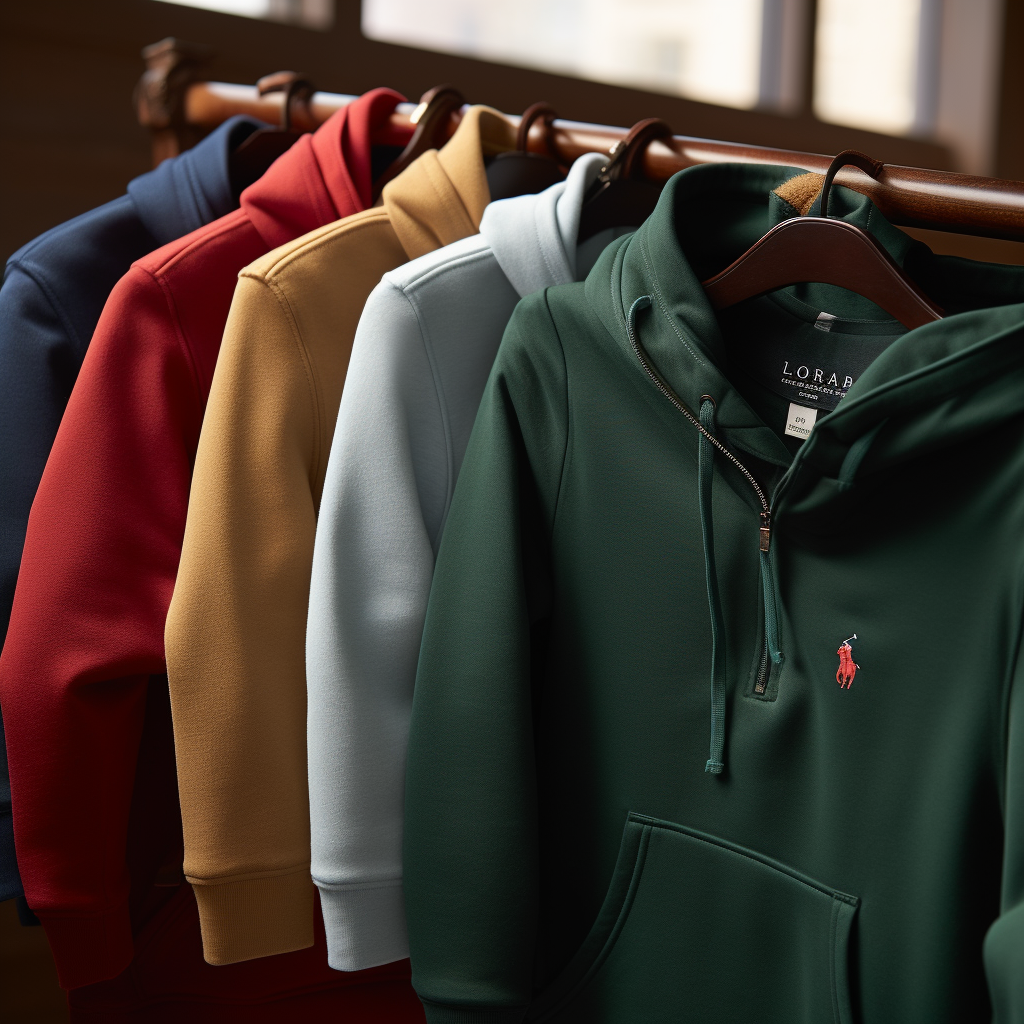
A zip up hoodie differs from a pullover because the zipper separates the front into two panels instead of one continuous surface.
This split changes how the garment hangs, moves, and layers over clothing underneath. It also changes how the front is visually read, since the zipper interrupts what would otherwise be a single uninterrupted chest area.
This panel separation is one of the clearest category markers because it affects both function and silhouette. In practical terms, it allows the hoodie to open and close quickly. In design terms, it creates a more modular front structure.
A well-defined zip up hoodie should therefore be understood as a hooded layer built around divided front construction rather than a closed-over-the-head form.
A zip up hoodie remains a hooded sweatshirt at its base, but the zipper adds a functional system that changes how the garment is used.
It still includes the core elements associated with hoodies, such as a hood, long sleeves, knit body, and casual comfort-oriented structure. What makes it distinct is that these familiar features are combined with front-opening utility.
The garment keeps the softness and informality of a sweatshirt, while gaining the practical control of a zip-front layer. This combination is why the zip up hoodie occupies a specific place in casual wardrobes.
It is not simply a sweatshirt with hardware added. It is a hooded garment whose structure and function are defined by that opening mechanism.

The main difference between a zip up hoodie and a pullover hoodie is structural, but that structural difference changes wear behavior in clear ways.
One is designed to open at the front. The other is designed to be pulled over the head. That distinction affects convenience, layering, and daily use.

The central difference is that a zip up hoodie uses a front closure, while a pullover hoodie depends on a fixed one-piece front.
This difference changes the garment’s whole logic. A zip up hoodie can be opened, adjusted, and removed without disturbing what is worn underneath.
A pullover hoodie offers a more continuous front body, but it lacks that adjustable access. Structurally, the zip up is closer to a light casual jacket in use, while the pullover remains closer to a sweatshirt in behavior.
The correct way to judge the difference is not by appearance alone, but by how each garment operates. The zip up is built around controlled opening. The pullover is built around enclosed simplicity.
A zip up hoodie is usually easier to put on and remove because the garment does not need to pass fully over the head each time.
This becomes useful in situations where layering, temperature shifts, or repeated on-and-off wear are common. The wearer can open the garment fully, slip it on like a light outer layer, and remove it without disrupting hair, accessories, or underlayers.
A pullover hoodie may feel simpler in construction, but it is less efficient in this respect. The difference matters most in real daily use, where convenience is often more important than theoretical simplicity.
The zip up hoodie offers a more flexible entry and exit process, which is one of its clearest functional advantages.
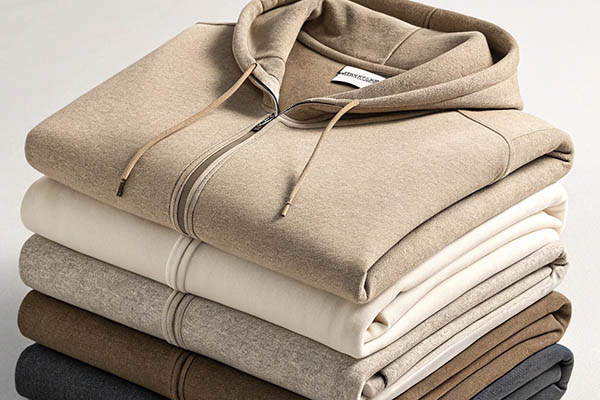

Daily usability differs because a zip up hoodie offers more control during wear.
It can function as a closed garment in cooler moments, a half-open layer in changing indoor conditions, or a fully open casual layer when warmth is less necessary. A pullover hoodie cannot adapt in the same way without being removed entirely.
This makes the zip up more versatile in routines that include commuting, walking, indoor transitions, or variable temperatures. The practical difference is not abstract. It affects how often the garment is adjusted and how easily it fits into layered outfits.
A zip up hoodie is generally more flexible for active daily use, while a pullover often feels more static once worn.
Zip up hoodies are defined by a small set of structural features that determine how the garment works.
These features are not decorative additions. They are the core elements that shape function, comfort, and category identity.
The full zipper closure system is the defining design feature because it determines how the hoodie opens, closes, and adapts to use.
A good zipper should run cleanly through the front, move smoothly, and sit flat enough that the garment front remains stable when closed. This feature controls more than access. It also affects how the hoodie layers and how much ventilation it can provide during wear.
In category terms, the full zipper is what makes the garment a zip up hoodie rather than a pullover or half-zip variation. A weak zipper system limits practical value quickly.
A strong one supports repeated adjustment without disrupting the hoodie’s shape or comfort.


The hood remains a core feature because the garment still belongs to the hoodie category, not just to zip-front knit outerwear.
A well-constructed hood should provide shape, coverage, and reasonable adjustability without collapsing into the neckline awkwardly. Drawcords may support that function, but the more important point is whether the hood sits in a stable and usable way when worn up or left down.
In zip up hoodies, the hood also has to relate well to the zipper line and neckline opening. If the hood is too flat, too heavy, or poorly shaped, the garment becomes less balanced in both appearance and use.
Good hood construction supports identity and function at the same time.
Front pockets are common on zip up hoodies because they support the garment’s everyday practical role.
These may appear as split kangaroo-style pockets divided by the zipper or as separate hand pockets positioned on each side of the front body. Their function is straightforward: hand comfort, light carry use, and casual convenience.
In a well-designed zip up hoodie, the pockets should not interfere with zipper performance or distort the front structure excessively. They should feel integrated into the garment’s use pattern rather than added for appearance alone.
Because zip up hoodies are often worn in transit, daily movement, and layered situations, functional pocket design contributes directly to category value.

The zip up hoodie remains useful because its zipper makes the garment easier to manage across normal daily situations.
It supports adjustment, layering, and quick changes without asking the wearer to fully remove the piece each time.
That is why its practicality remains one of its strongest category traits.
A zip up hoodie works well in daily life because it allows quick temperature adjustment without complete removal.
The wearer can close it fully in colder outdoor conditions, open it partially during light movement, or leave it fully open indoors. This makes the garment particularly useful in routines where comfort needs change throughout the day.
The zipper acts as a direct ventilation control system, which a pullover hoodie does not provide in the same way. This practical flexibility is one reason the zip up hoodie remains common in everyday wardrobes.
A garment that can respond quickly to small temperature changes becomes easier to repeat in real life than one that stays fixed once worn.
Zip up hoodies layer well because they can be worn open or closed over T-shirts, under jackets, or between lighter and heavier garments without much friction.
The front opening allows the wearer to show what is underneath or keep layers separated more clearly. This makes the garment especially useful in casual outfits built around changing temperatures or variable activity.
A pullover hoodie can still be layered, but the zip up is easier to manage because it behaves more like a light mid-layer. The wearer gains more control over volume, exposure, and comfort.
This makes the zip up hoodie especially effective in transitional dressing where outfit flexibility matters more than a fixed silhouette.
Zip up hoodies are convenient because they reduce the effort involved in ordinary wear.
They are easier to put on before leaving, easier to remove when conditions change, and easier to adjust while moving through indoor and outdoor spaces. This convenience becomes especially noticeable during commuting, errands, travel, or any routine that includes frequent small transitions.
The garment does not ask the wearer to stop and fully reset their outfit each time conditions change. Instead, it allows small, practical responses.
That kind of low-friction use is one of the reasons zip up hoodies remain dependable daily garments. Their value comes from repeated ease rather than from dramatic design difference.
Zip up hoodies fit casual settings because they combine comfort with a slightly more structured front appearance than pullovers.
They still read as informal, but they offer a cleaner and more adjustable layer in everyday social use. This makes them especially useful where relaxed dress is normal.
Zip up hoodies work well in casual clothing culture because they belong to the group of garments people wear when comfort and informality are both expected.
They are common in environments shaped by everyday movement, social flexibility, and low dress pressure. The hood, knit body, and soft structure keep the garment relaxed, while the zipper gives it a slightly more organized front.
This makes it easy to wear in places where a full jacket might feel excessive and a simpler top might feel too exposed or incomplete. The zip up hoodie fits because it reflects the priorities of casual culture: comfort, practicality, and low visual stress.
A zip up hoodie often feels balanced because it sits between the softness of a sweatshirt and the organization of a light zip-front layer.
This makes it useful in casual social settings where the wearer wants to look settled rather than overly relaxed or overly prepared. The zipper creates visual structure through the center front, which can make the garment read slightly cleaner than a pullover without making it formal.
That balance is one of the category’s strengths. It allows the hoodie to remain easy and familiar while still giving the outfit a more defined front shape. This is especially useful in situations where casual appearance should still feel reasonably composed.
Zip up hoodies remain appropriate in everyday social situations because they can adapt to different levels of casual interaction.
They work for meeting friends, running errands, casual travel, campus settings, low-pressure gatherings, and other environments where relaxed clothing is acceptable. Their practical adjustability also helps in social situations that move between indoors and outdoors. The garment can stay on without becoming visually rigid or physically inconvenient.
This kind of flexibility is what gives the zip up hoodie broad social usability. It does not need to dominate the outfit. It only needs to feel comfortable, functional, and naturally placed inside the setting.
The zipper changes how the hoodie functions across environments and conditions. Instead of behaving like a single fixed layer, the garment becomes adjustable in real time.
This expands its usefulness across movement, weather shifts, and different levels of indoor comfort.
One of the clearest advantages of a zip up hoodie is adjustable ventilation. As the body warms during walking, commuting, or light activity, the wearer can open the zipper to release heat without removing the garment entirely.
This makes the hoodie more responsive than a pullover, which tends to remain either fully on or fully off. Adjustable ventilation matters because most daily routines involve small changes in physical output rather than one stable condition.
A garment that can adapt to those shifts becomes easier to wear longer. In this sense, the zipper does not only change access. It changes how the garment participates in body comfort during movement.
Zip up hoodies remain useful across temperatures because they can function in several ways inside one outfit system.
In cooler conditions, they can close fully and act as a warming mid-layer. In moderate conditions, they can stay partly open and reduce heat buildup. In milder moments, they can work as an open casual layer over a basic top. This range of use is one of the reasons the category remains practical.
The wearer gets more than one mode from the same garment. This makes zip up hoodies especially effective in climates or routines where conditions shift enough that fixed garments become less efficient.
Zip up hoodies adapt well to indoor and outdoor environments because the wearer can respond to enclosure, airflow, and temperature without fully changing clothes.
This matters in daily life, where people often move between streets, transit, offices, cafés, and other mixed environments within short periods.
A fully closed hoodie may work outside, while a partly open version may feel better once indoors. That kind of controlled adjustment is one of the category’s strongest practical qualities.
The garment remains familiar and comfortable, but it becomes more responsive than a pullover. A zip up hoodie is therefore especially useful where frequent small transitions are part of normal use.
Zip up hoodies remain staple garments because their design solves recurring everyday problems in a simple way.
They are easy to use, easy to layer, and easy to repeat across seasons and casual routines.
Their value comes from sustained practicality rather than temporary style attention.
The zip up hoodie remains relevant because its design solves a stable need: a casual layer that can open, close, and adapt quickly. This kind of practicality does not depend on trend cycles.
It depends on repeat usefulness. A full front zipper, hood, and soft body create a garment that feels familiar across years because the core problem it solves does not disappear.
People still move through variable temperatures, still need easy layers, and still value comfort in casual dressing. That is why the design remains timeless. It is not timeless because it avoids change completely.
It is timeless because the structural logic continues to make sense.
Zip up hoodies remain staples because they fit easily into everyday clothing systems.
They work with T-shirts, sweatpants, jeans, cargos, shorts, casual jackets, and sneakers without requiring a specialized wardrobe around them. This compatibility increases repeat use, which is one of the clearest signs of staple value.
A garment becomes essential not by being the most dramatic item, but by being one that can integrate into many ordinary combinations without losing its function. The zip up hoodie does this well because it behaves like a flexible casual layer rather than a fixed statement piece.
That broad compatibility is central to its long-term value.
Zip up hoodies remain dependable because they can operate in more than one season and in more than one type of environment.
They are useful in mild cold, cool mornings, indoor transitions, travel routines, and layered casual dressing across the year. Their value increases because they do not belong only to one narrow weather window. The zipper helps extend this usefulness by giving the garment more than one comfort mode.
A reliable wardrobe staple is usually one that responds well to ordinary variation. The zip up hoodie does that through adjustability rather than through technical complexity.
Its continued popularity comes from being repeatedly useful in normal life.
Zip up hoodies work best where layering, movement, and changing comfort needs are common.
Their structure is most useful when the wearer benefits from being able to adjust coverage quickly.
That makes them especially effective in transitional and urban routines.
Zip up hoodies are especially useful in transitional weather because those conditions rarely stay stable enough for a fixed garment to feel right all day.
Cool mornings, warmer afternoons, light wind, and mixed indoor-outdoor movement all favor clothing that can be adjusted in small ways. The zipper makes the hoodie practical in these situations because the wearer can change airflow and coverage without removing the layer.
A pullover can still provide warmth, but it offers less control once on the body. Transitional weather is therefore one of the clearest cases where the zip up hoodie’s structure becomes meaningfully more useful than simpler alternatives.
Commuting and travel favor zip up hoodies because these routines involve repeated transitions, waiting periods, temperature changes, and variable movement.
The garment can be closed in transit, opened indoors, removed quickly when needed, and layered under outerwear without much inconvenience. This practical control matters because travel clothing often works best when it can respond to small changes without demanding full outfit resets.
The zip up hoodie fits this need well. It is casual enough for comfort, but structured enough to function like an easy-access layer. That makes it especially effective in airports, trains, campus routes, daily commutes, and other movement-heavy settings.
Casual urban environments suit zip up hoodies because city routines often combine walking, layering, short indoor stays, and social flexibility.
People move between streets, transportation, shops, workplaces, and low-pressure social spaces, often within a single day. A zip up hoodie supports that pattern because it can adapt without becoming either too formal or too static. It provides warmth, easy access, and moderate structure while remaining firmly casual. This makes it one of the most practical garments for urban daily use.
Its value comes from how naturally it fits repeated movement and changing conditions without demanding much attention from the wearer.
A well-designed zip up hoodie can be recognized by reviewing its zipper quality, hood structure, functional features, and daily usability in order.
The category is simple, but its effectiveness depends on execution.
A good evaluation focuses on whether the design supports repeat use clearly and reliably.
1.Zipper construction quality check
2.Hood structure check
3.Practical functionality check
4.Everyday usability check
A zip up hoodie is defined by its full-length front zipper and divided front construction.
The zipper changes the garment from a fixed pullover form into an adjustable casual layer.
Compared with a pullover hoodie, a zip up is easier to put on, remove, ventilate, and layer.
Its key features are the full zipper, hood structure, and practical front pockets.
The main practical benefits are quick temperature adjustment, easy layering, and daily convenience.
Zip up hoodies work especially well in casual settings, urban routines, travel, and transitional weather.
They remain wardrobe staples because their design is simple, adaptable, and repeatedly useful.
A strong evaluation framework checks zipper quality, hood shape, practical function, and repeat everyday usability.
We’ll get back to you within 24 hours. Attach your logo/design if needed.
💡 1 . Share your logo, fabric, and quantity for T-shirts, hoodies, and more.
📐 2. We’ll prepare samples for your approval.
🚚 3. Bulk production starts after deposit.
✅ We value your privacy. Your information is 100% safe and confidential.
📦 Need help? Chat with us via WhatsApp anytime!

Note: Your email information will be kept strictly confidential.
Note: Your email information will be kept strictly confidential.
Request a quote, discuss MOQ, lead time, fabrics & QC.
Visit our brand store: Modaknitswear
Retail orders (and dropshipping options) are available on Modaknitswear.