
 Skip to content
 Design Standards, Versatility, and Long-Term Reliability
Graphic hoodies depend on fit because silhouette determines both visual impact and daily wear comfort. In streetwear, the hoodie is not only a casual layer. It is also a shape-driven garment, so proportions affect how the graphic reads and how the body moves inside the piece.
This page explains how hoodie fit, sizing, and structural balance influence comfort and graphic presentation. The goal is to help readers judge whether a graphic hoodie feels intentional, wearable, and visually stable over time.
Fit matters because it defines the hoodie’s silhouette before the graphic is even noticed. A graphic can strengthen identity, but the garment still depends on proportion, structure, and body balance to look correct.
In streetwear, a well-fitted hoodie creates presence without making the wearer look restricted or visually overwhelmed.
Fit is the foundation of hoodie silhouette because the garment’s shape is established by how it sits on the shoulders, chest, sleeves, and hem.
Before a viewer notices the print, they register the hoodie’s overall volume and line. A graphic hoodie with poor fit may have a strong design but still appear unstable or awkward on the body. In streetwear, silhouette matters because it creates the garment’s attitude as much as the graphic does.
A balanced fit allows the hoodie to look deliberate rather than accidental. The correct judgment is not whether the hoodie is slim or oversized in isolation. It is whether the fit creates a clear, controlled shape that supports both comfort and visual identity.


Graphic hoodies rely on balanced proportions because the visual design needs a stable garment shape to read clearly.
If the body is too narrow, too long, too wide, or too collapsed, the graphic may look distorted or misplaced even when the print itself is well made. Streetwear silhouettes often allow more room than traditional casualwear, but that room still needs order.
The shoulders, torso width, and garment length must relate to each other in a controlled way. This is consistent with the broader apparel principle that comfort, structure, and function should work together rather than be treated separately.
A strong graphic hoodie uses proportion to support both the silhouette and the design surface.
Fit shapes visual presence because the hoodie’s size and volume determine how forcefully it appears in an outfit.
A more structured fit can make the garment feel cleaner and more controlled. A roomier fit can create stronger streetwear presence, but only when the volume is intentional. Visual presence does not come from size alone.
It comes from how the hoodie occupies space around the body without losing proportion. A graphic hoodie should feel composed enough to carry the design and relaxed enough to remain wearable.
The best judgment standard is whether the fit makes the graphic feel integrated into a full silhouette rather than floating on a garment that lacks shape.
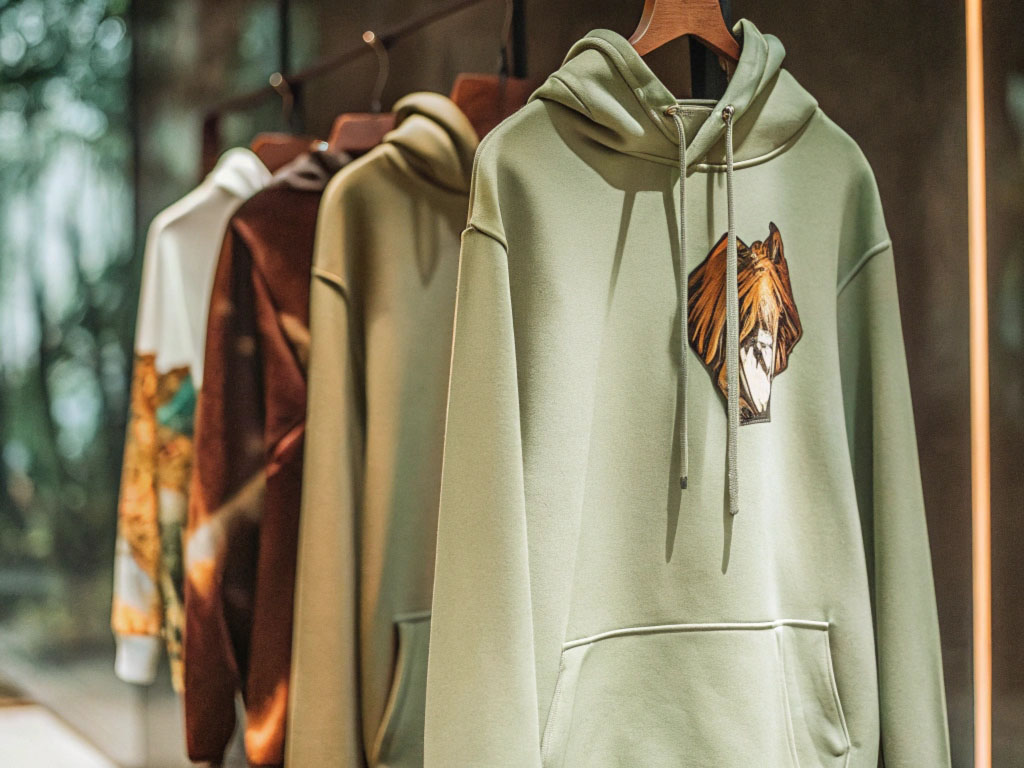
Graphic hoodies usually appear in a few main fit categories, and each one creates a different streetwear effect.
These categories are useful because they help readers separate designed silhouette from random sizing.
The right fit is the one that matches both the visual intent and the wearer’s daily use.

Oversized streetwear hoodies create stronger visual presence because they use extra volume as part of the garment’s identity.
This fit often includes dropped shoulders, wider sleeves, more body width, and a looser drape through the torso. In graphic hoodies, oversized fits can make large graphics feel more natural because the garment offers a broader visual field.
The risk is imbalance. Oversized design works only when the added volume is distributed with control. If the hoodie becomes too long, too collapsed, or too wide without structure, the silhouette can lose clarity. The correct way to judge oversized fit is to ask whether the proportions look designed.
Good oversized hoodies feel deliberate. Poor ones often look like ordinary hoodies worn at the wrong size.
Oversized streetwear hoodies create stronger visual presence because they use extra volume as part of the garment’s identity.
This fit often includes dropped shoulders, wider sleeves, more body width, and a looser drape through the torso. In graphic hoodies, oversized fits can make large graphics feel more natural because the garment offers a broader visual field.
The risk is imbalance. Oversized design works only when the added volume is distributed with control. If the hoodie becomes too long, too collapsed, or too wide without structure, the silhouette can lose clarity. The correct way to judge oversized fit is to ask whether the proportions look designed.
Good oversized hoodies feel deliberate. Poor ones often look like ordinary hoodies worn at the wrong size.
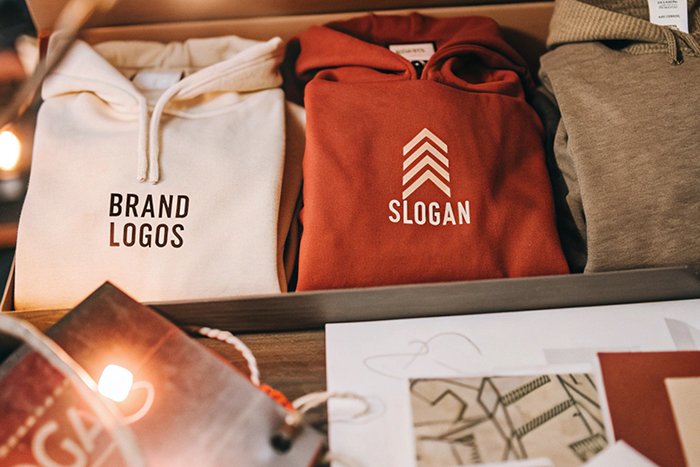
Standard fit hoodies remain useful because they offer straightforward comfort and easier everyday versatility.
This fit usually follows the body more closely than relaxed or oversized styles, while still allowing enough room for layering and normal movement.
In graphic hoodies, standard fit works well when the design is smaller, cleaner, or intended for broad daily wear rather than strong silhouette expression. The advantage is predictability. The garment is easier to judge, easier to size, and often easier to repeat in everyday casual settings.
The limitation is that standard fit may feel less distinctly streetwear-driven unless the graphic or fabric carries more identity. A strong standard fit should feel clear and comfortable, not tight or generic.
Choosing the right size matters because hoodie fit should come from design intent, not guesswork.
Many people confuse “oversized” with simply buying larger, but those are not the same thing.
The correct size is the one that preserves the hoodie’s intended proportions while maintaining comfort and graphic clarity.
Understanding hoodie size charts is important because proper sizing starts with measurements, not labels alone.
Size names such as small, medium, or large are not consistent across all brands, especially in streetwear where silhouettes vary by design. A size chart usually gives chest width, body length, and sleeve length, which are more useful than letter size on its own.
For graphic hoodies, these dimensions matter because they affect both comfort and how the design sits on the body. The correct way to use a size chart is to compare garment measurements with a hoodie that already fits well, not only with body measurements in isolation.
This helps distinguish between intentional room and accidental oversizing.
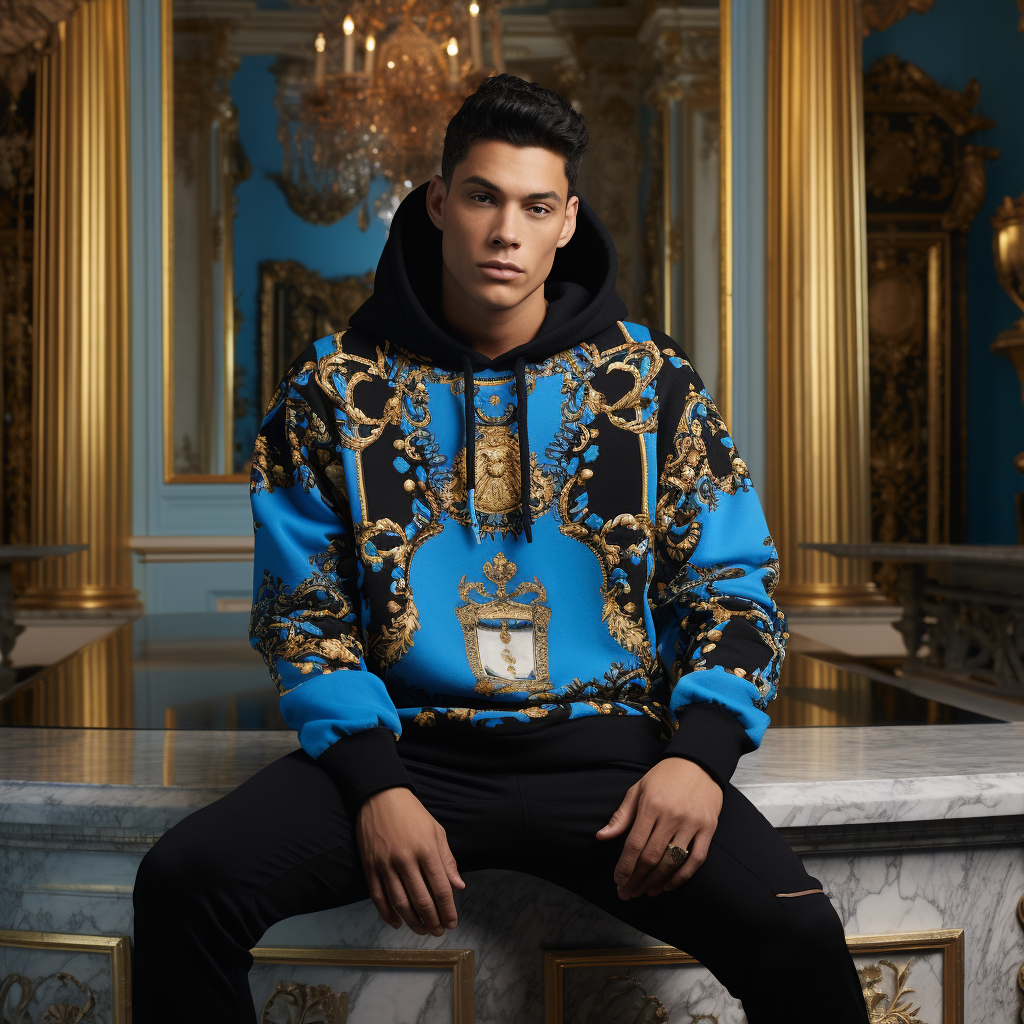
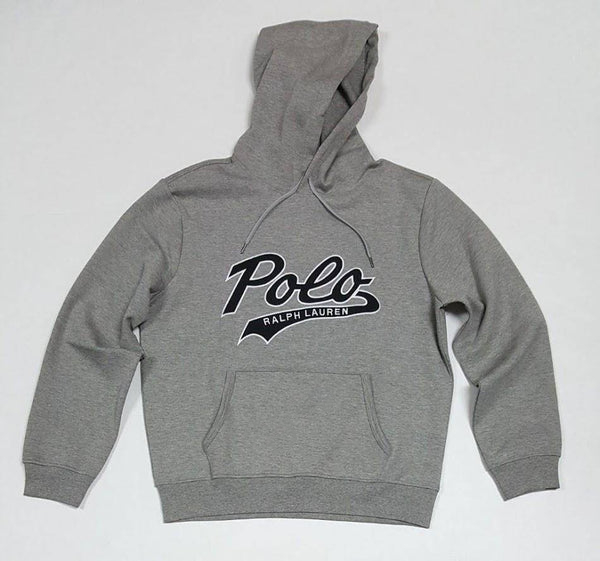
Designed fit and sizing up are different because one is built into the garment pattern and the other is a workaround.
A hoodie that is designed to be oversized usually adjusts shoulder drop, body width, sleeve volume, and length in a coordinated way. Simply buying a larger standard-fit hoodie often increases some dimensions without improving proportion.
This can make the garment feel too long, too loose in the wrong places, or less stable for graphic presentation. The correct judgment is to check whether the hoodie still looks balanced when worn. A good designed fit preserves silhouette logic.
Sizing up may increase space, but it does not automatically create a better streetwear shape.
An incorrect hoodie size usually shows itself through imbalance rather than simple discomfort alone.
If the shoulder seam falls too far down without design intent, the sleeves cover too much hand space, or the body length extends lower than the silhouette can support, the size is likely wrong.
A size that is too small creates different problems. The chest may feel restricted, the hem may ride up, and the graphic may stretch across the torso in a way that changes its shape. The best judgment standard is whether the hoodie looks composed and feels easy through normal movement.
A correct size should support the intended silhouette without looking forced in either direction.
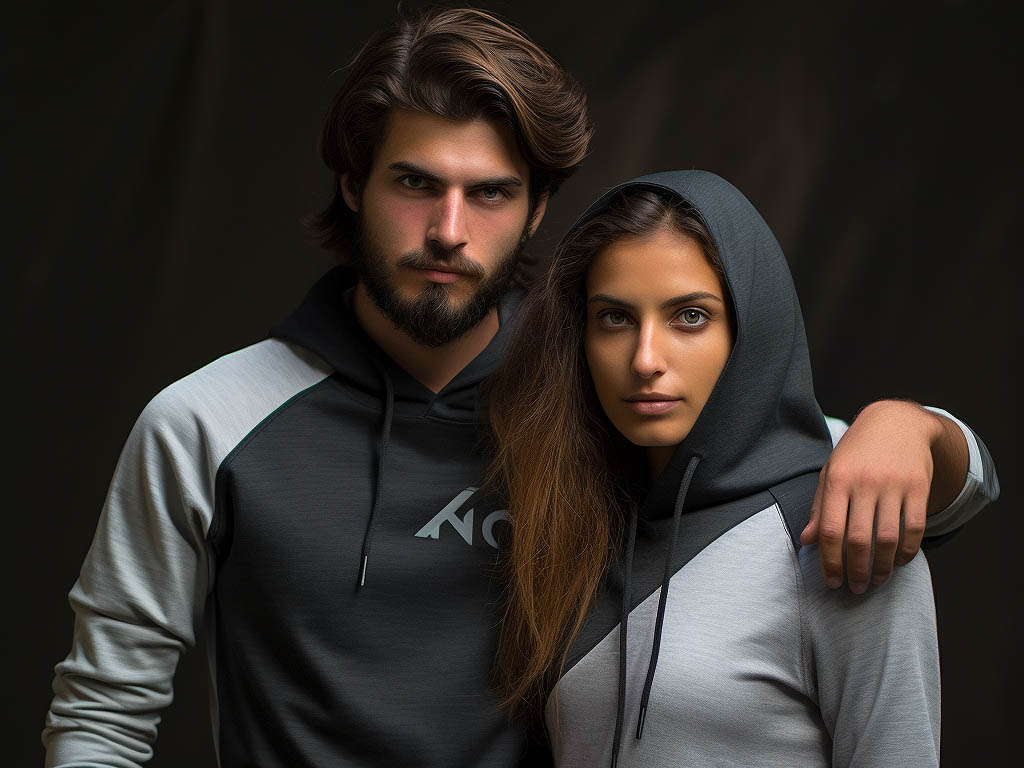
Shoulder and body proportion are the main structural anchors of hoodie fit.
If these areas are correct, the rest of the garment usually reads more clearly.
If they are wrong, even a strong fabric or graphic can appear unbalanced.
Shoulder seam placement matters because it controls where the hoodie begins visually on the body. In a standard or relaxed fit, the seam usually sits close to the natural shoulder edge or drops slightly beyond it.
In an oversized hoodie, the shoulder seam may drop more clearly, but it should still look intentional and consistent with the garment’s volume. When the shoulder seam falls too low without enough supporting width or sleeve structure, the hoodie can appear collapsed. When it sits too high, the garment may feel restricted and visually tense.
The shoulder is one of the most important judgment points because it sets the frame for both the silhouette and the graphic area on the chest and upper back.
Chest and torso allowance determine whether a hoodie feels wearable and visually balanced. Allowance refers to the extra space built into the garment beyond the body itself.
In graphic hoodies, this space matters because the chest panel often serves as the main graphic surface. If the torso is too close to the body, the print may distort during movement and the hoodie may feel less comfortable through the day. If the torso is too wide without structure, the garment can lose shape and the graphic may appear to float.
The correct amount of allowance depends on fit style, but in all cases the torso should feel calm, stable, and easy rather than tight or uncontrolled.
Sleeve length matters because a hoodie should support arm movement without looking or feeling cumbersome.
A correct sleeve usually extends to the wrist with enough room for bending, reaching, and natural daily motion. In oversized fits, sleeves may run longer, but they still need cuff control and proportional relation to the body. If sleeves are too short, the hoodie can feel undersized and restricted. If sleeves are too long without structure, the garment may lose clarity and become inconvenient in use.
Mobility is the key judgment point. Good sleeve design should allow comfortable movement through commuting, lifting, and casual activity without pulling heavily at the shoulder or torso.
Freedom of movement matters because graphic hoodies are everyday garments, not static display pieces.
A hoodie should support the body through ordinary urban activity without becoming restrictive, bulky, or unstable.
The best fit allows ease of movement while still preserving shape and graphic readability.
Flexibility during walking and commuting is one of the clearest tests of real hoodie comfort.
A graphic hoodie should allow the body to move naturally through daily actions such as walking, sitting, carrying a bag, or layering over other clothes. This matters especially in urban apparel, where comfort and movement are part of the garment’s functional value. The hoodie should not twist heavily, ride up too easily, or create tension across the upper body during ordinary motion. A good fit provides enough room for movement while keeping the garment visually composed.
The correct judgment is whether the hoodie still feels easy and stable after wearing it through actual daily activity, not only when standing still.
Comfortable arm movement is essential because hoodies are worn in active casual situations where reaching, lifting, and repeated upper-body motion are normal. The shoulder, armhole, chest width, and sleeve design all affect whether movement feels easy or blocked.
A hoodie that looks good but restricts arm motion is not well resolved. This is especially relevant in garments expected to work across commuting, leisure, and light activity, where comfort should remain consistent across scenarios. The correct judgment is whether the hoodie lets the arms move freely without excessive pulling at the chest or underarm.
Strong fit allows motion without turning the hoodie into an oversized or unstable shape.
Balanced looseness is important because hoodie comfort usually depends on space, but that space still needs structure. A garment that is too close to the body can limit movement and increase tension on the graphic surface. A garment that is too loose can feel heavy, unstable, or visually messy.
The strongest graphic hoodies usually create controlled ease. They give the body room without making the silhouette lose form. This reflects a broader product principle in which comfort and structure should be engineered together rather than treated as opposites.
The correct fit feels relaxed enough for all-day wear but still stable enough to hold shape, graphics, and proportion.
Comfort in a graphic hoodie should be judged over time, not only at first try-on.
A hoodie may feel acceptable for a few minutes but become heavy, stiff, or irritating after hours of wear.
Good comfort means the garment continues to feel balanced, supportive, and easy throughout the day.
Balanced weight and structure are central to long-hour comfort because the hoodie must feel substantial enough to hold shape without becoming tiring to wear.
A garment that is too light may feel unstable and lose its silhouette. A garment that is too heavy may become burdensome after extended use. The best graphic hoodies manage this balance through fabric development, structural control, and an understanding of daily wear expectations. Weight should support the hoodie’s drape and graphic surface, while structure should preserve shape without stiffness.
The correct judgment is whether the hoodie still feels easy after sitting, walking, and moving in it for long periods.
Comfortable interior feel matters because the inside of the hoodie is in constant contact with the body.
Even a visually strong hoodie becomes less usable if the interior feels rough, abrasive, or poorly finished. Interior comfort often depends on fabric quality, knit construction, and how well the garment balances softness with durability. In graphic hoodies, this matters even more because the wearer often uses the garment for relaxed, repeated, long-duration use.
The correct judgment is not whether the inside feels artificially soft at first touch. It is whether the interior remains comfortable, breathable, and non-irritating through extended wear and repeated washing.
Maintaining comfort during extended wear is the real test of hoodie quality because streetwear garments often stay on the body for many hours.
A graphic hoodie should remain comfortable through changes in posture, temperature, and activity level. This means the fit cannot depend only on standing still in a fitting room. It must work while sitting, walking, commuting, and layering. Long-term comfort is supported by the interaction of fabric, structure, and proportion, not by one isolated feature.
The correct judgment is whether the hoodie continues to feel easy and stable later in the day. If comfort declines quickly, the fit or material balance is usually weak.
Fit influences how the graphic is seen because the hoodie’s shape determines the size, tension, and stability of the design surface.
A graphic can only read clearly when the garment holds it correctly.
Good fit supports visibility without stretching, collapsing, or fragmenting the artwork.
Fit affects graphic readability because the print is displayed across a living surface rather than a flat panel.
If the hoodie is too tight, the graphic may stretch and widen unnaturally. If it is too loose and unstable, the design may fold, curve, or lose its visual center. Readability depends on the chest and torso area remaining calm enough for the artwork to stay legible. This is why fit should be judged together with graphic design rather than as a separate decision.
A good graphic hoodie allows the artwork to appear clear in normal posture and movement. The best standard is whether the graphic still reads correctly when the hoodie is actually worn.
Oversized silhouettes often work well with large graphics because the garment provides more visual surface and stronger streetwear scale. Large back prints and broad chest graphics usually feel more natural on roomier fits than on narrow ones. However, oversized fit does not automatically improve graphic presentation.
The hoodie still needs enough structure that the print area remains readable rather than overly folded or shapeless. If the body is too collapsed or too long, the large graphic may lose impact.
The correct judgment is whether the silhouette gives the artwork room while still protecting its clarity. Good oversized fit amplifies the graphic. Poor oversized fit can weaken it.
Balanced fit supports graphic clarity because it keeps the hoodie stable enough for the design to remain visible and proportionate.
This usually means the shoulders are aligned, the torso has enough allowance, and the garment does not pull or sag excessively across the graphic area. A balanced fit does not need to be tight or slim. It simply needs to preserve the intended shape of the design surface. This is especially important in garments where visual identity and everyday usability are expected to coexist.
The correct evaluation is whether the hoodie makes the graphic look composed without sacrificing comfort or mobility.
Fit mistakes are predictable because graphic hoodies depend on a few clear structural relationships.
When those relationships fail, the garment often looks unbalanced before the wearer can fully explain why.
Recognizing these mistakes helps separate intentional design from poor execution.
Excessively oversized silhouettes usually fail because they replace controlled volume with unstructured excess. Streetwear allows generous fit, but the garment still needs proportion.
If the hoodie becomes too wide, too long, or too dropped at the shoulder, the silhouette can lose visual tension and begin to look accidental. This also affects the graphic. A design that should feel strong may start to look lost on the body. Oversized fit works only when the added volume is distributed with discipline. The correct judgment is whether the hoodie still has a readable shape.
If the garment appears collapsed rather than deliberate, the problem is not that it is oversized. The problem is that it is oversized without balance.
Tight fits distort graphics because the print surface is forced to stretch across the body rather than rest on it. This can make logos widen, typography curve, and illustrations lose their intended proportions.
Tightness also reduces comfort by increasing tension at the chest, shoulders, and underarms. In graphic hoodies, this is especially noticeable because the design area is often central to the garment’s identity. A hoodie should not depend on body strain to present its visual message.
The correct judgment is whether the graphic remains stable when the wearer moves naturally. If the design pulls open or changes shape significantly, the fit is too close for the graphic to perform well.
Length imbalance affects hoodie proportions because body length has to relate correctly to width, sleeve shape, and hem behavior.
A hoodie that is too long can look stretched downward and weaken the silhouette. A hoodie that is too short relative to its width may look boxy in an unresolved way unless that shape is intentionally designed.
Length also affects how the graphic is positioned on the torso. If the body length is wrong, the artwork may sit too high, too low, or too disconnected from the overall shape. The correct judgment is whether the hoodie’s vertical proportion feels aligned with the rest of the garment. Strong fit depends on balanced length, not just correct width.
Graphic hoodie fit is easier to judge when the evaluation follows a consistent order.
Instead of relying on taste alone, it is better to review shoulders, torso balance, mobility, and graphic stability one by one.
This creates a more reliable standard for judging both silhouette and comfort.
1.Shoulder alignment check
2.Chest and torso balance check
A chest and torso balance check asks whether the hoodie has enough allowance for comfort without losing shape.
Look at how the body hangs from the shoulders, how the side seams fall, and whether the front graphic area remains calm. The torso should feel easy but not empty. A balanced hoodie should not cling, pull, or exaggerate body tension.
It also should not balloon outward without purpose. This check is especially useful because the torso determines both comfort and the quality of the graphic presentation.
If the body width feels proportionate and stable, the hoodie usually performs better in both movement and appearance.
3.Mobility and comfort check
4.Graphic presentation stability check
Fit determines both the streetwear silhouette and the comfort of a graphic hoodie.
Graphic hoodies need balanced proportions because the design depends on a stable garment shape.
Relaxed, oversized, and standard fits each work differently; the correct one depends on design intent and use.
Buying a larger size is not the same as wearing a hoodie designed to be oversized.
Shoulder placement, torso allowance, and sleeve balance are the main structural fit anchors.
Good hoodie fit should support walking, commuting, reaching, and long-hour wear without restriction.
Graphic readability depends on fit because prints distort when the body area is too tight or too unstable.
Common fit failures include excessive oversizing, tight chest tension, and poor body length balance.
A strong fit evaluation checks shoulders, torso balance, mobility, and graphic stability in that order.
We’ll get back to you within 24 hours. Attach your logo/design if needed.
💡 1 . Share your logo, fabric, and quantity for T-shirts, hoodies, and more.
📐 2. We’ll prepare samples for your approval.
🚚 3. Bulk production starts after deposit.
✅ We value your privacy. Your information is 100% safe and confidential.
📦 Need help? Chat with us via WhatsApp anytime!
Note: Your email information will be kept strictly confidential.
Note: Your email information will be kept strictly confidential.
Request a quote, discuss MOQ, lead time, fabrics & QC.
Visit our brand store: Modaknitswear
Retail orders (and dropshipping options) are available on Modaknitswear.