
 Skip to content
 Graphic hoodies are defined by their integration of visual elements that transform a standard hoodie into a recognizable streetwear piece.
This distinction relies on intentional design choices, including imagery, typography, and placement.
Understanding these elements allows one to evaluate whether a hoodie carries authentic streetwear identity or functions as a casual basic.
Graphic elements became central to streetwear culture because they convey identity and social signaling.
Hoodies, as everyday garments, became the canvas for visual expression.
Recognizing this history helps contextualize why graphics influence the cultural and aesthetic value of streetwear today.
Graphic clothing emerged from urban subcultures where apparel served as an identifier for groups, music scenes, and skate or hip-hop communities.
Hoodies, originally functional for warmth and mobility, became expressive tools when adorned with logos, artwork, or messages.
Judging authenticity requires examining whether the graphics reference cultural narratives or are generic designs without context.
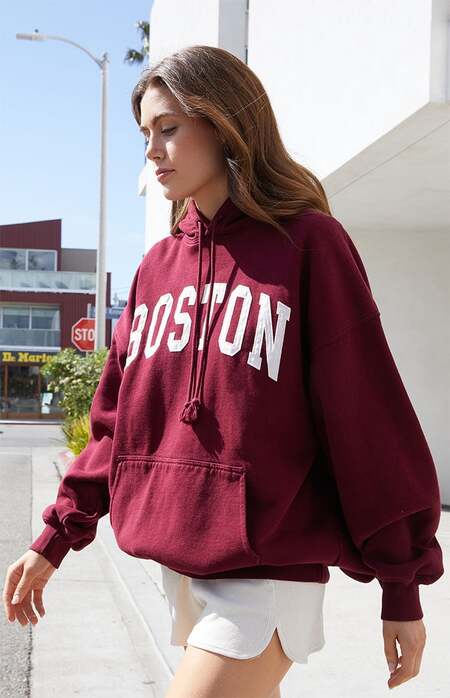
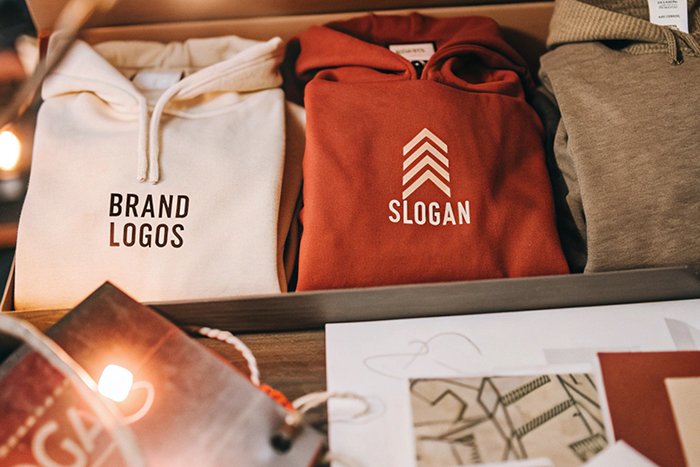
Graphics communicate a brand’s presence in streetwear, serving as visual shorthand for ethos and heritage.
A well-integrated logo or signature design signals consistency in brand language.
To assess this, verify if the graphic aligns with known brand motifs, repeats selectively across collections, and maintains coherence with other apparel items.
Hoodies with graphics evolved into symbols of group affiliation, aesthetic preference, and identity.
Cultural relevance emerges when graphics are both recognizable and meaningful to community insiders.
Evaluating symbolic weight involves checking historical reference, frequency of use in media or streetwear contexts, and adoption by influential figures.
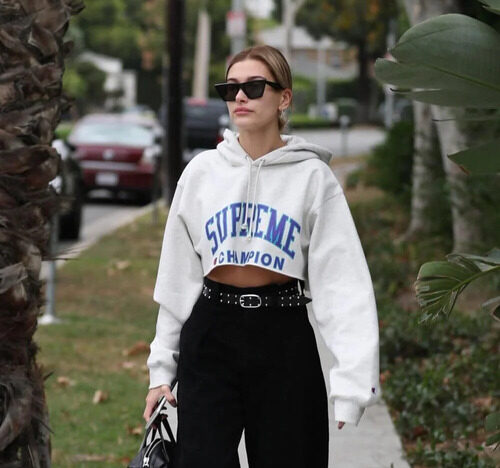
A graphic hoodie is defined by its intentional visual elements, differentiating it from a plain hoodie.
The combination of material, structure, and applied graphics defines its category.
This distinction is key to assessing both aesthetic and cultural value.
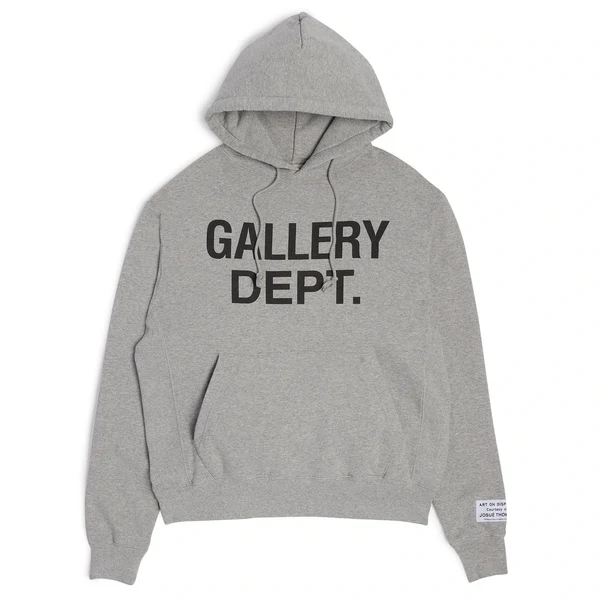
Graphics are typically printed, embroidered, or otherwise affixed to the fabric.
High-quality methods maintain texture, color fidelity, and durability.
Judging a hoodie requires examining the technique, ensuring it does not distort over time, and confirming alignment with the garment’s structure.
Where the graphic appears—chest, back, sleeves, or multi-location—affects the hoodie’s identity.
Placement guides perception and visual hierarchy.
Assess by observing symmetry, prominence, and whether the positioning supports the overall design narrative rather than creating visual clutter.
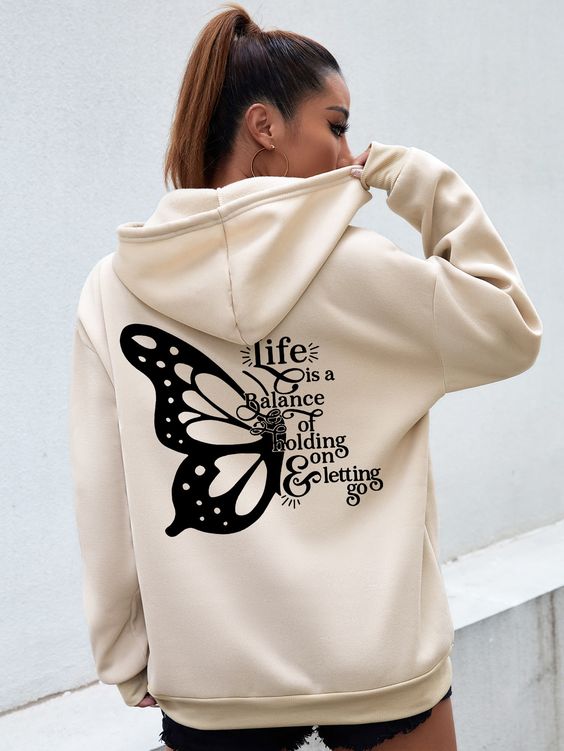
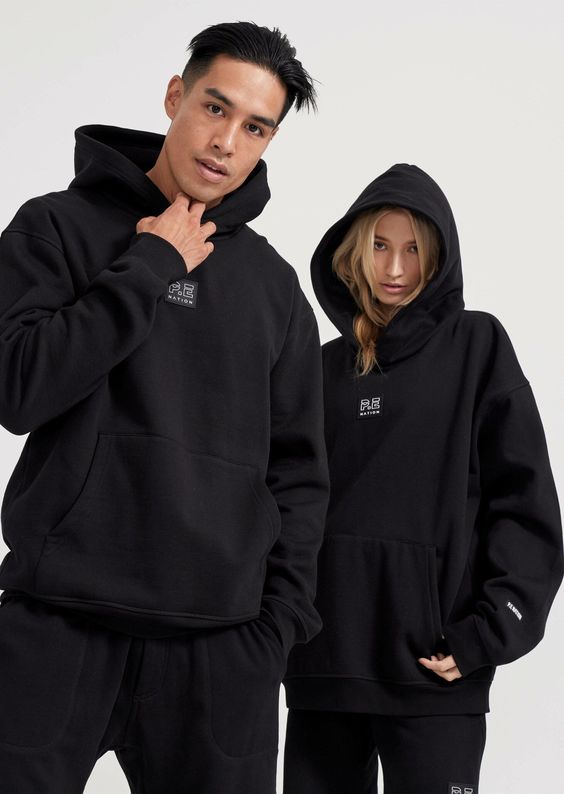
Graphics convey narrative through imagery, symbolism, or typography.
Effective storytelling balances clarity and subtlety, providing recognizable motifs without overwhelming the base garment.
Evaluate by analyzing coherence between graphic style, theme, and intended cultural or stylistic reference.
Modern streetwear utilizes distinct graphic categories, each impacting visual perception and wearability.
Recognizing these types helps users evaluate design intent and consistency with streetwear norms.
Logo graphics reinforce brand identity and act as status indicators.
Judging quality involves checking clarity, correct proportion, and integration with garment scale.
Logos should feel intentional and not merely decorative.


Artwork-based graphics express narrative or aesthetic depth.
Evaluate based on detail fidelity, stylistic coherence, and relevance to brand or cultural motifs.
Good illustration balances visibility and subtlety without overwhelming garment structure.
Text graphics convey messages, slogans, or statements.
Assess readability, font consistency, and integration with overall design.
Effective typography enhances identity without appearing like a random label or casual print.

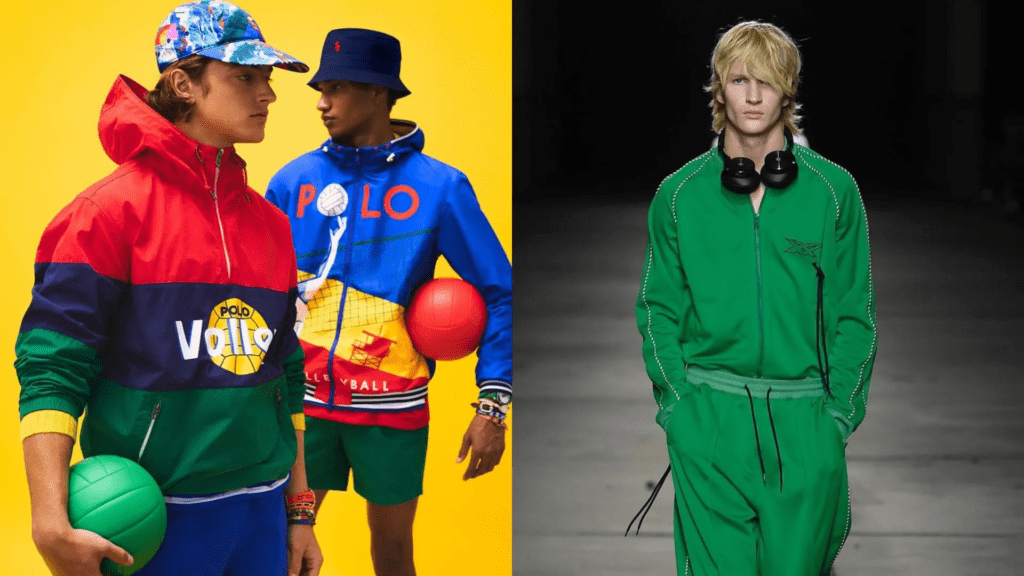
Combination graphics layer logos, text, and imagery.
Evaluation focuses on balance, hierarchy, and visual restraint.
Multi-element designs should maintain clarity and avoid competing elements that reduce coherence.
Graphic placement directly affects perceived structure, wearability, and cultural alignment.
Judging hoodies requires attention to how graphics distribute visual weight across the garment.
Chest graphics provide immediate visual impact and serve as primary identifiers.
Evaluate proportion to chest width, alignment with seams, and visibility when worn.
Oversized or off-center prints can disrupt balance.
Back graphics contribute to narrative and surprise elements.
Assess clarity from distance, integration with hood and shoulder lines, and symmetry.
Large back graphics should complement rather than dominate the garment.
Sleeve graphics add subtle detail and motion interaction.
Evaluate whether text, stripes, or motifs follow sleeve contours and do not distort during movement.
Proper integration enhances dynamic visual appeal.
Graphics across multiple areas require coordination.
Assess consistency in scale, color palette, and hierarchy.
Check that cumulative visual weight remains balanced and avoids cluttering the hoodie’s overall design.
Effective graphic hoodies maintain visual order to prevent clutter and support wearability.
Good design balances size, contrast, and integration.
Scale management ensures graphics fit garment proportions.
Evaluate by comparing print size to hoodie dimensions and wearer visibility.
Graphics should neither dominate nor appear insignificant.
Color contrast influences readability and style perception.
Judging contrast involves assessing harmony with base color, avoiding excessive brightness, and ensuring long-term wearability.
Graphics must respect seams, folds, and fabric behavior.
Assess alignment with structural lines and stretch points to ensure integrity during wear.
Proper integration enhances aesthetic longevity.
Everyday-appropriate hoodies prioritize versatility and subtlety in graphic design.
Evaluating wearability requires understanding visual impact in casual settings.
Smaller or singular graphics increase outfit adaptability.
Check if graphics draw attention without overwhelming ensembles.
Minimal designs support multiple styling contexts.
Moderate-size graphics with restrained colors suit daily wear.
Assess legibility, integration, and tone alignment with casual activities.
Proper balance ensures wearer comfort and social appropriateness.
Excessively complex or bright designs reduce wearability.
Evaluate whether the hoodie maintains social and aesthetic appropriateness in varied casual contexts.
Loud designs are often restricted to statement or trend-driven scenarios.
Hoodies function as tools of identity expression in informal environments.
Evaluating social suitability focuses on communication through graphics.
Graphics convey wearer personality or group affiliation.
Judging expression involves determining cultural resonance and readability without dominating social interaction.
Individuality arises when graphics reflect aesthetic choices aligned with subcultural norms.
Evaluate by checking distinctiveness and consistency with streetwear motifs, avoiding generic or mass-market appearances.
Some environments tolerate bold or playful graphics, while others reward subtlety.
Assess context appropriateness by considering location, audience, and dress norms.
Longevity in streetwear depends on timeless design, brand identity, and restrained execution.
Evaluate using principles that transcend trends.
Effective long-term graphics prioritize simplicity, legibility, and cultural resonance.
Check consistency over multiple seasons and adaptability with other wardrobe items.
Visual motifs or logos that consistently appear across collections strengthen recognition.
Evaluate if graphics become identifiers rather than transient fashion statements.
Graphics that balance creativity and restraint endure style fluctuations.
Judging involves comparing color, scale, and placement against evolving trends to assess durability of appeal.
A systematic approach ensures consistent assessment of design quality, cultural alignment, and wearability.
1.Graphic clarity and visual hierarchy check
2.Graphic placement balance check
3.Wearability and visual restraint check
4.Long-term aesthetic relevance check
We’ll get back to you within 24 hours. Attach your logo/design if needed.
💡 1 . Share your logo, fabric, and quantity for T-shirts, hoodies, and more.
📐 2. We’ll prepare samples for your approval.
🚚 3. Bulk production starts after deposit.
✅ We value your privacy. Your information is 100% safe and confidential.
📦 Need help? Chat with us via WhatsApp anytime!
Note: Your email information will be kept strictly confidential.
Note: Your email information will be kept strictly confidential.
Request a quote, discuss MOQ, lead time, fabrics & QC.
Visit our brand store: Modaknitswear
Retail orders (and dropshipping options) are available on Modaknitswear.