
 Skip to content
 Choosing the Right Hoodie Fit and Size for Balanced Everyday Wear
The fit and size of a hoodie determine both comfort and visual balance.
Even in relaxed casual garments, proportion, shoulder alignment, and length influence how a hoodie sits on the body.
Understanding how fit interacts with body shape and sizing helps ensure a hoodie remains comfortable and structurally balanced during everyday wear.
Hoodies are designed to be comfortable, but comfort does not require uncontrolled looseness.
Fit determines how fabric drapes on the body and how easily the garment supports movement.
A balanced fit maintains both comfort and a stable silhouette.
Comfortable clothing should allow movement without becoming excessively loose.
When a hoodie is too wide or oversized beyond its intended design, the fabric may bunch, sag, or shift during movement. This reduces both comfort and visual clarity.
Balanced fit allows the body to move naturally while keeping the garment structured.

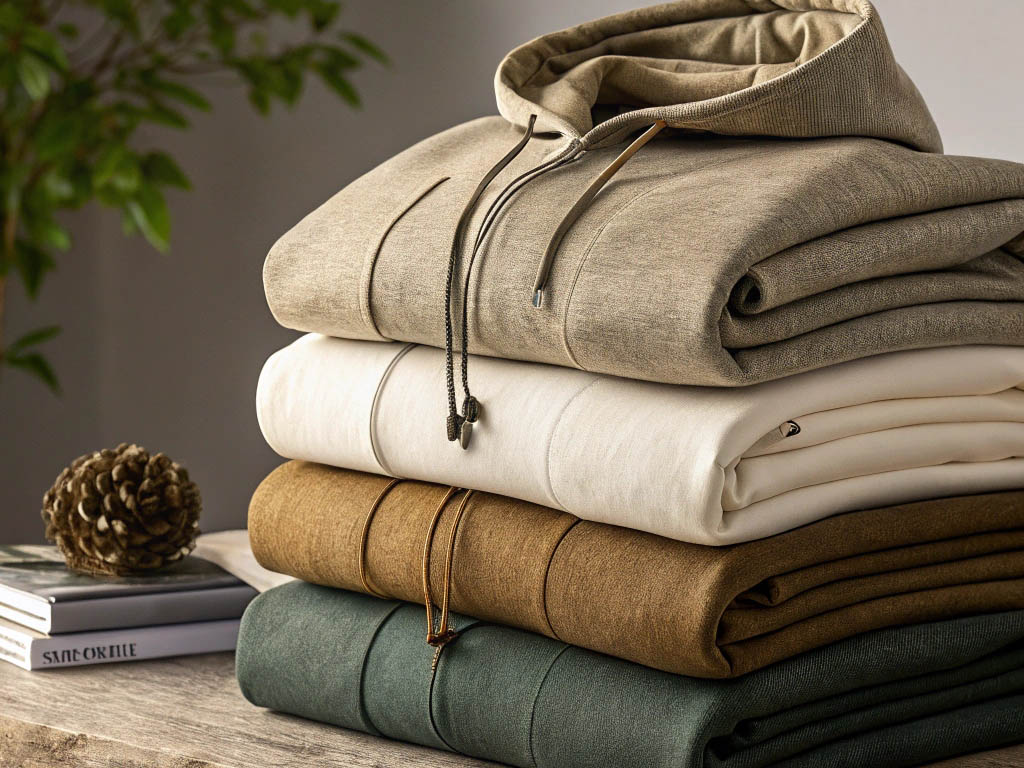
Proportion determines how a hoodie appears when worn.
The relationship between shoulder width, chest allowance, and garment length creates the overall silhouette. When these elements remain balanced, the hoodie maintains a controlled shape.
Proper proportion prevents the garment from appearing shapeless.
Correct sizing supports both comfort and garment performance.
Hoodies that match the wearer’s body dimensions allow natural movement without excessive fabric or restriction. Proper sizing also helps maintain the intended silhouette designed by the manufacturer.
Accurate size selection improves daily usability.

The shoulders and chest form the primary structural anchor points of hoodie fit.
These areas determine how the garment rests on the body and how fabric distributes across the torso.
Proper alignment ensures stability and mobility.s.
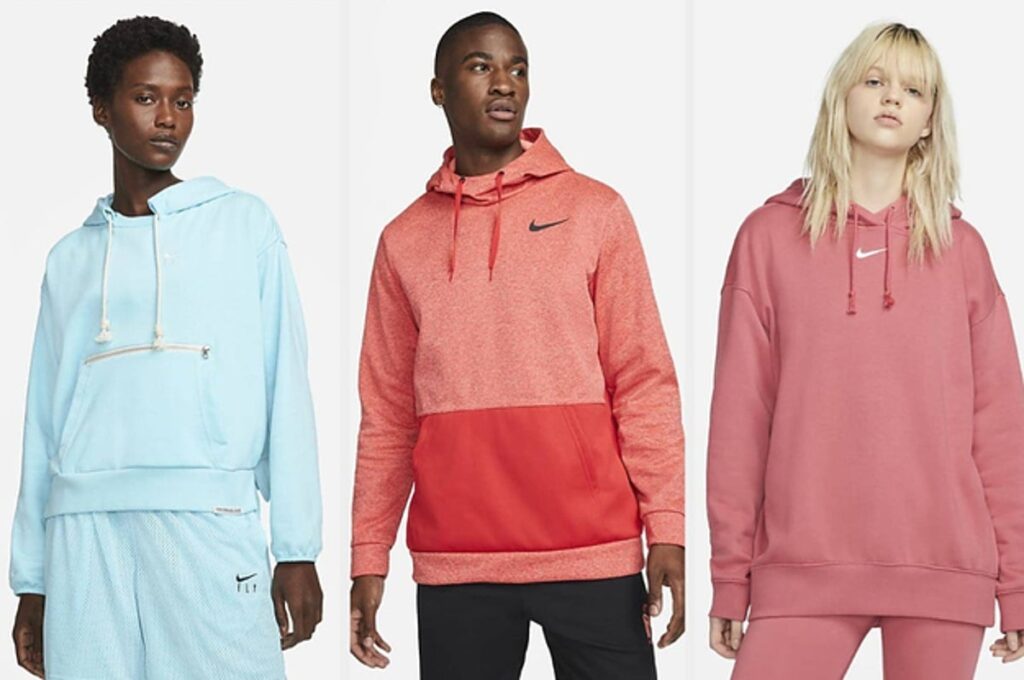
Shoulder seams indicate whether a hoodie fits correctly across the upper body.
Ideally, the seam should align close to the natural edge of the shoulder. When the seam extends too far outward, the garment may appear oversized and lose structural balance.
Correct shoulder alignment stabilizes the overall silhouette.
The chest area requires sufficient space for movement and comfort.
Hoodies should allow the torso to move freely without pulling across the chest or arms. At the same time, excessive width can cause the garment to appear bulky.
Balanced chest allowance supports both mobility and shape.


Upper-body structure influences the hoodie’s overall appearance.
When shoulder alignment and chest allowance are balanced, the hoodie maintains a smooth drape across the torso. This prevents fabric bunching or distortion during movement.
A clean upper-body silhouette improves everyday wearability.
Garment length influences overall body proportion.
The relationship between hoodie length and the wearer’s torso determines visual balance and mobility.
Proper length supports both comfort and silhouette clarity.
Hoodie hems typically fall around the upper hip area.
This placement allows natural movement while maintaining proportional balance between the upper and lower body. A hem positioned too high may appear short, while one positioned too low can disrupt body proportions.
Balanced hem placement improves overall fit.
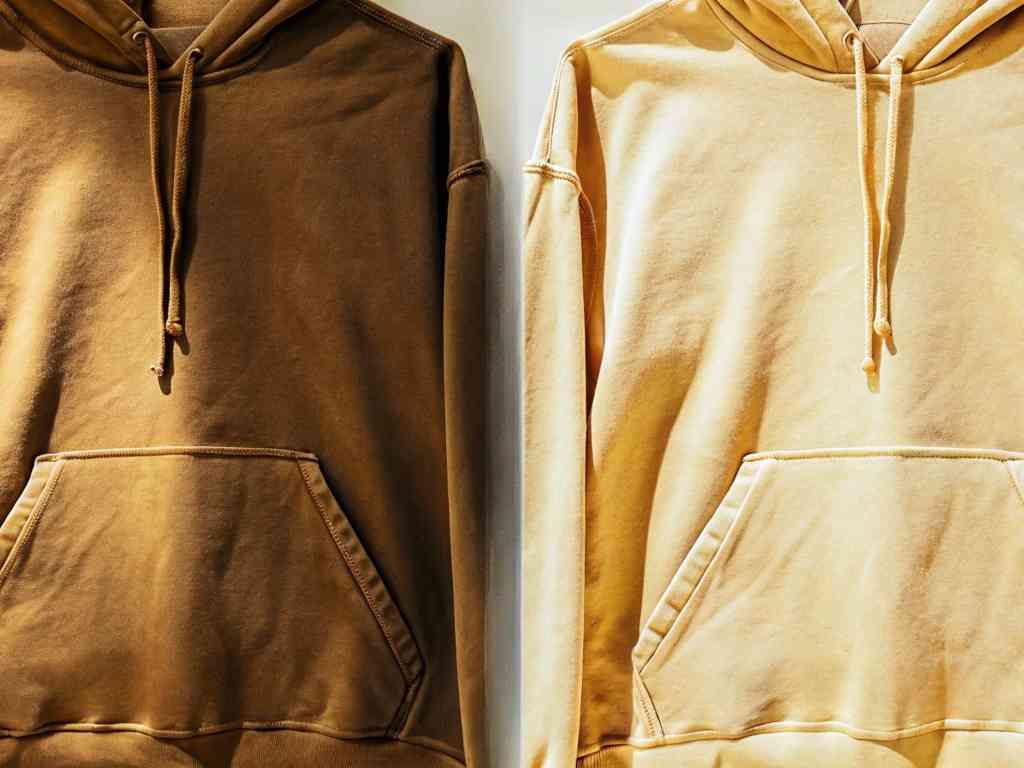
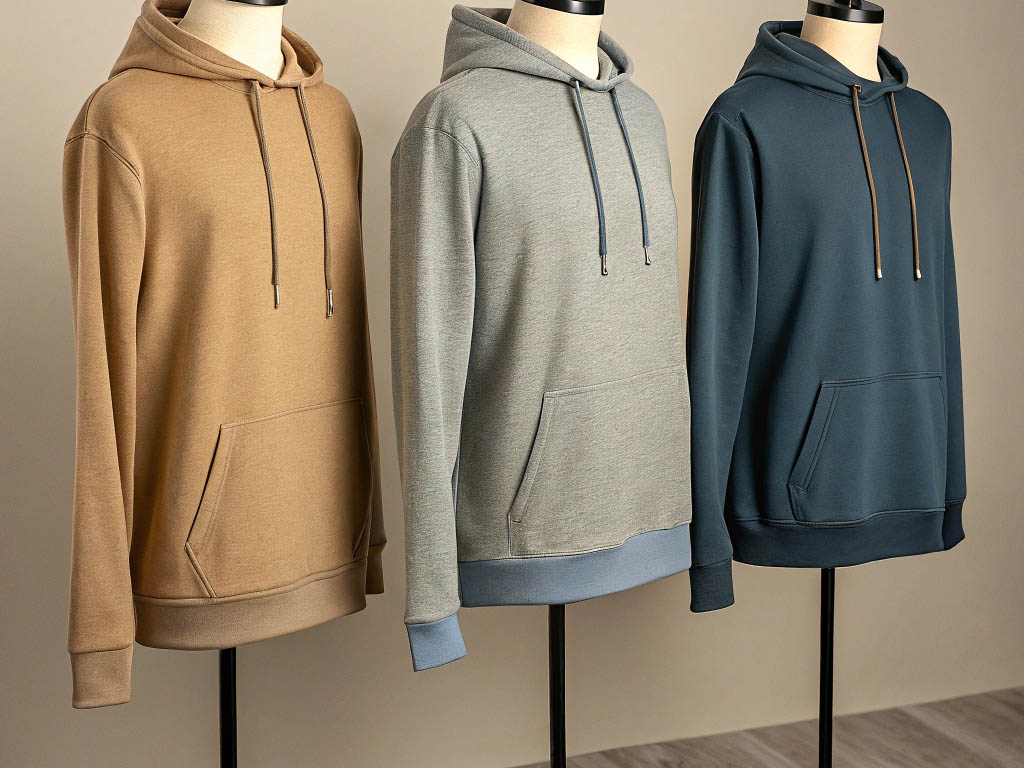
Moderate length improves daily usability.
A hoodie that sits comfortably around the hips allows flexibility when sitting, walking, or layering with other garments.
Balanced length supports both comfort and mobility.
Extreme garment length may disrupt silhouette stability.
Excessively long hoodies may appear disproportionate, while very short designs may expose the waist during movement.
Maintaining moderate length helps preserve visual balance.

Selecting the correct size requires understanding both measurements and intended fit.
Different brands may design hoodies with slightly different proportions.
Careful sizing evaluation helps avoid fit problems.
Size charts provide the most reliable reference for garment dimensions.
Measurements such as chest width, shoulder width, and garment length help determine how the hoodie will fit relative to body size.
Using these measurements improves size accuracy.
Hoodies are typically designed with specific fit intentions.
Some garments are intended to fit closely, while others are designed to appear relaxed. Choosing a size outside the intended range may distort the original silhouette.
Understanding the intended fit helps guide sizing decisions.
Certain visual indicators reveal incorrect sizing.
Excessively tight sleeves, restricted chest movement, or overly long shoulders suggest poor sizing alignment.
Recognizing these indicators helps avoid uncomfortable garments.
Modern hoodies are produced in several general fit categories.
These categories determine the amount of room within the garment.
Understanding them helps clarify sizing expectations.
Standard fit hoodies follow balanced proportions.
They provide moderate space around the chest and torso without appearing overly loose or tight.
This fit works well for everyday wear.
Relaxed fits increase room within the garment.
These hoodies provide additional chest and body space, improving comfort during movement while maintaining controlled proportions.
Relaxed fits emphasize comfort without extreme looseness.
Oversized hoodies intentionally expand garment dimensions.
They feature wider shoulders, longer sleeves, and increased body width compared with standard fits.
Oversized silhouettes emphasize loose structure as a design choice.
Body frame influences how garments appear when worn.
Hoodies interact differently with narrow, athletic, or broader frames.
Understanding this interaction helps evaluate fit objectively.
Individuals with narrower frames may experience looser drape in hoodies.
Relaxed silhouettes often create a balanced appearance by adding moderate volume to the upper body.
Balanced proportions maintain silhouette clarity.
Broader shoulders or muscular builds require adequate garment width.
Hoodies with appropriate chest allowance prevent tightness and support natural movement.
Balanced width ensures comfort and structural stability.
Body proportion influences fit more than overall size labels.
Two individuals with the same size may have different shoulder width or torso length. Evaluating garment proportions helps determine correct fit more accurately than relying on size labels alone.
Proportion-based evaluation improves sizing accuracy.
Relaxed fits work well across many body shapes.
Their moderate looseness supports comfort without losing structural balance.
This adaptability explains their popularity.
Relaxed silhouettes reduce fabric tension.
Additional room in the chest and torso allows greater freedom of movement during everyday activities.
This improves comfort during extended wear.
Relaxed fits adapt well to various body shapes.
They provide enough space to accommodate different torso widths while maintaining a controlled silhouette.
This flexibility increases fit compatibility.
Garments that are too tight restrict movement.
Relaxed fits reduce pressure around the shoulders and chest, improving mobility during daily tasks.
Comfort improves when fit avoids unnecessary restriction.
Certain fit issues occur frequently when selecting hoodies.
These problems usually result from incorrect sizing or poorly balanced garment design.
Recognizing them helps prevent ill-fitting clothing.
Shoulder seams that extend far beyond the natural shoulder line indicate excessive width.
This may cause the garment to appear oversized unintentionally.
Proper seam alignment maintains silhouette stability.
Too much torso width can remove structural balance.
When fabric hangs excessively from the body, the hoodie may appear shapeless and lose visual clarity.
Balanced width improves garment appearance.
Improper garment length may disrupt body proportions.
Hoodies that extend too far below the hips or end above the waist can appear disproportionate.
Balanced length helps maintain silhouette harmony.
Evaluating hoodie fit requires observing several key structural indicators.
These checks help determine whether the garment maintains comfort and proportion.
A systematic evaluation improves fit assessment.
1.Shoulder placement check
2.Chest and width balance check
3.Length proportion check
4.Overall silhouette stability check
Shoulder seams align near the natural shoulder edge
Chest area allows comfortable movement
Hoodie length falls around the hips
Fabric drapes smoothly without excessive bulk
Sleeves allow full arm movement
Garment maintains silhouette during activity
Fit remains comfortable during extended wear
The correct hoodie fit balances comfort with structural proportion.
Proper shoulder alignment, moderate chest allowance, and balanced length help maintain both mobility and visual stability.
Evaluating fit through shoulder placement, width balance, and length proportion ensures a hoodie remains comfortable and wearable for everyday use.
We’ll get back to you within 24 hours. Attach your logo/design if needed.
💡 1 . Share your logo, fabric, and quantity for T-shirts, hoodies, and more.
📐 2. We’ll prepare samples for your approval.
🚚 3. Bulk production starts after deposit.
✅ We value your privacy. Your information is 100% safe and confidential.
📦 Need help? Chat with us via WhatsApp anytime!

Note: Your email information will be kept strictly confidential.
Note: Your email information will be kept strictly confidential.
Request a quote, discuss MOQ, lead time, fabrics & QC.
Visit our brand store: Modaknitswear

Retail orders (and dropshipping options) are available on Modaknitswear.