
 Skip to content
 Use Scenarios, Comfort Windows, and Practical Limits
Drop shoulder T-shirts are not designed to be universal daily solutions. They are context-sensitive garments that work well only within specific comfort windows, activity levels, and social settings.
This page explains when drop shoulder T-shirts genuinely support everyday wear, and when they quietly work against it.
Everyday wear is often misunderstood as visual repetition rather than functional repeatability.
Drop shoulder T-shirts highlight why everyday use must be judged by context stability, not trend acceptance.
This section reframes “Can I wear this every day?” into a more accurate judgment question.
Everyday wear means a garment can be worn repeatedly across real daily conditions without friction.
This includes long wear duration, varied posture, light movement, and casual social exposure. A T-shirt qualifies as everyday wear only if it maintains comfort, visual coherence, and functional ease across these repeated uses.
Drop shoulder T-shirts meet this requirement only in environments where structure is not constantly tested.
To judge everyday suitability, observe whether the shirt feels stable after several hours, whether the shoulder line shifts during routine movement, and whether the silhouette still looks intentional at day’s end.
If the garment requires frequent adjustment or feels visually sloppy after normal use, it does not truly support everyday wear, regardless of initial comfort.

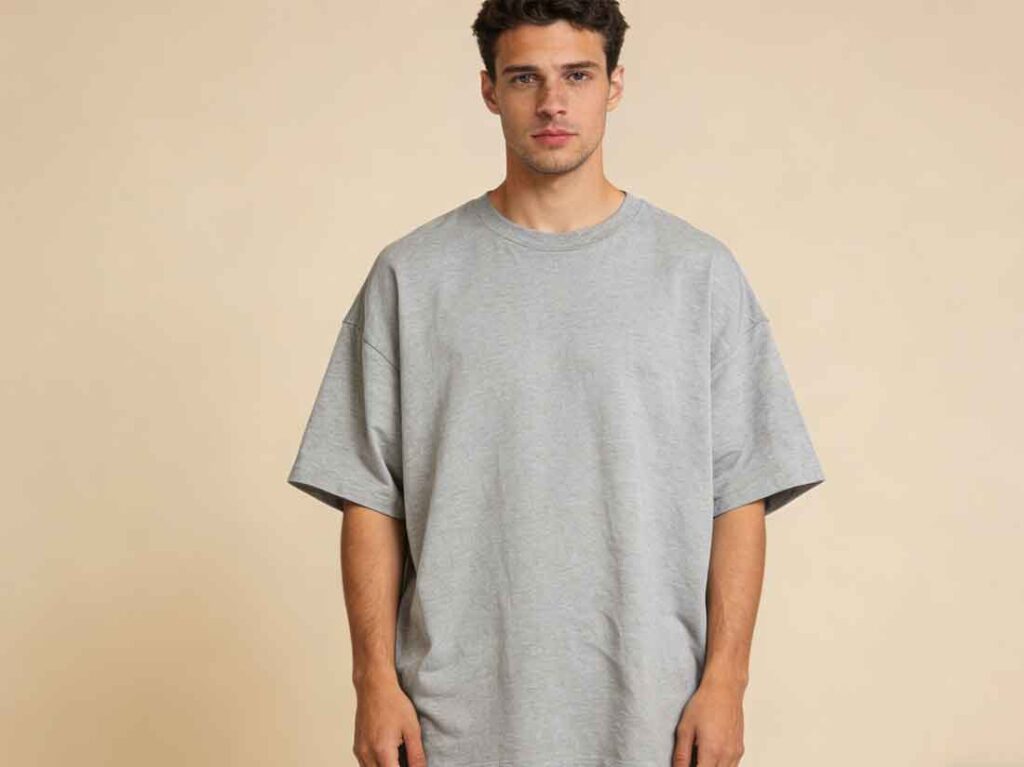
Drop shoulder comfort depends on context alignment, not inherent superiority.
The lowered shoulder seam reduces tension but also removes structural guidance. This creates ease in relaxed settings but introduces instability when posture changes frequently or tasks demand precision.
To evaluate comfort accurately, consider where your body spends most of the day: seated, walking casually, or moving with purpose. Drop shoulder designs feel most comfortable when the body remains in neutral, low-demand positions.
When the environment requires upright posture or controlled motion, the same looseness can feel inefficient or distracting. Comfort here is conditional, not universal.
Trend visibility does not equal functional appropriateness.
Drop shoulder T-shirts gained popularity due to relaxed aesthetics, not because they outperform other fits across all daily scenarios. Their success depends on environments that tolerate visual looseness and reward ease over sharpness.
To judge correctly, ignore how often you see the style online and focus on where you physically spend your time. If your daily context values clarity, structure, or authority, drop shoulder silhouettes may conflict with those expectations.
Context—not trend cycles—determines whether the fit actually works.

Drop shoulder T-shirts perform best within a narrow but consistent set of daily scenarios.
These are environments where comfort continuity matters more than visual precision.
This section defines where drop shoulder designs naturally align with everyday life.

Drop shoulder T-shirts work best in routines with minimal performance expectations.
This includes home-based work, errands, casual commuting, and unstructured daytime movement. In these settings, relaxed shoulder placement supports ease without being visually questioned.
To judge fit, note whether your routine involves few formal interactions and minimal physical strain. If your day allows clothing to fade into the background rather than signal intent, drop shoulder construction remains supportive rather than distracting.
Flexible schedules reduce the cost of visual looseness.
Drop shoulder silhouettes assume that timing, posture, and social encounters are not rigid. This fit performs well when daily transitions are gradual and environments are forgiving.
Evaluate whether your day allows outfit flexibility without consequence. If small shifts in appearance do not alter how you are perceived or treated, drop shoulder tees remain functionally appropriate.


Unstructured time minimizes the need for silhouette discipline.
Without strict expectations for alignment or sharpness, the relaxed shoulder drop enhances physical ease.
To assess suitability, ask whether your day is defined by personal pacing rather than external schedules.
When structure is low, the garment’s looseness reads as intentional ease rather than neglect.
Social acceptability determines whether comfort translates into confidence.
Drop shoulder T-shirts succeed socially when looseness aligns with shared expectations.
This section clarifies where the fit feels socially natural.
Drop shoulder T-shirts fit well in socially neutral environments.
Coffee shops, casual meals, neighborhood walks, and informal gatherings tolerate relaxed silhouettes. In these spaces, ease signals approachability rather than disengagement.
Judge appropriateness by observing others’ dress norms. If precision is rare and comfort is common, drop shoulder fits integrate smoothly.
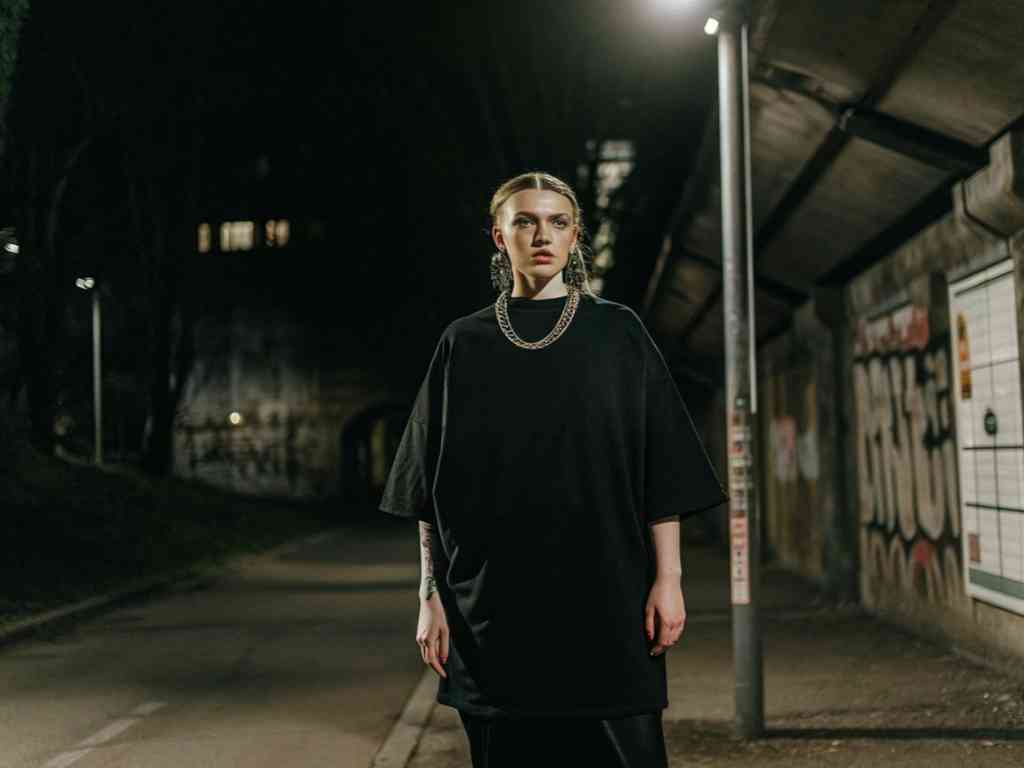

Ease works when it appears chosen, not accidental.
Drop shoulder T-shirts communicate intention when paired with consistency—clean fabric, stable length, and proportionate volume.
To judge this, check whether the garment holds its shape and whether the looseness looks designed rather than worn out. Intentional ease depends on overall garment discipline.
Relaxed social energy rewards visual softness.
In low-stakes interactions, softened structure reduces formality barriers.
Assess whether your social setting values comfort signaling over authority signaling. When ease is the social currency, drop shoulder fits support interaction rather than undermine it.

Comfort is not a momentary feeling but a time-based experience.
Drop shoulder designs change how comfort accumulates over hours.
This section explains that mechanism.
Drop shoulder T-shirts reduce localized tension during long wear.
By lowering the seam, shoulder pressure decreases, especially in seated positions.
Judge extended comfort by noting whether you feel shoulder fatigue after several hours. If the garment remains unnoticeable, it is supporting extended wear.
Lower seam placement redistributes weight.
This reduces friction at the shoulder joint during relaxed movement.
To verify benefit, compare how your shoulders feel at the end of the day versus structured fits. Reduced tension indicates alignment with long-duration comfort needs.
The design assumes natural, unforced motion.
Drop shoulder fits feel better as movement becomes fluid rather than precise.
If your daily motion is smooth and repetitive, comfort compounds rather than degrades.
Activity intensity defines structural requirements.
Drop shoulder T-shirts are optimized for low-demand activity.
This section sets clear boundaries.
Drop shoulder construction supports light movement only.
Walking, sitting, and casual transitions are ideal. Task-focused activity demands stability the fit does not prioritize.
Judge by observing whether your tasks require arm precision or repeated reach. If yes, looseness may hinder efficiency.
Low demand allows looseness to remain neutral.
Without strain, the garment does not shift excessively.
Evaluate whether your day includes sustained physical output. If not, the fit remains appropriate.
Loose shoulders reduce control.
During active tasks, the garment can pull, twist, or feel unstable.
If clothing distraction affects focus, the fit is mismatched.
Knowing when not to wear something builds confidence faster than knowing when to wear it.
Drop shoulder T-shirts fail quietly in certain settings.
This section defines them clearly.
Authority requires structural clarity.
Drop shoulder silhouettes soften lines and reduce visual command.
If authority or professionalism is expected, the fit works against perception.
Some casual settings still demand precision.
Creative offices or curated spaces often expect clean lines.
Judge by observing baseline sharpness. If structure is common, looseness stands out negatively.
Lack of structure can signal disengagement.
In contexts that value intent, relaxed shoulders may appear careless.
If perception matters, avoid the fit.
Fit comparison only matters within specific scenarios.
No silhouette is universally superior.
This section compares based on daily use.
Regular fits provide balance.
Drop shoulder offers ease but sacrifices structure.
Choose based on whether your routine values comfort or clarity more.
Oversized amplifies looseness everywhere.
Drop shoulder relaxes only the shoulder line.
Judge based on tolerance for volume.
Daily demands should dictate fit choice.
Comfort-heavy days suit drop shoulder.
Mixed-demand days benefit from regular fits.
Most dissatisfaction comes from misalignment, not poor design.
Drop shoulder misuse follows predictable patterns.
This section prevents them.
Default use ignores context.
What feels good once may fail daily.
Rotate fits based on environment.
Social friction accumulates quietly.
Misreading setting expectations causes discomfort later.
Context awareness matters more than preference.
Comfort does not equal suitability.
Appropriateness is situational.
Judge beyond sensation.
Simple filters reduce decision fatigue.
This framework offers repeatable checks.
Use it daily.
1.Activity intensity check
2.Social formality check
3.Wear-duration comfort check
Clear boundaries improve judgment speed.
This map locks in placement.
Use it as reference.
1.Best-fit everyday scenarios
2.Acceptable but limited-use scenarios
3.Clear “avoid” scenarios
My activities are low intensity
My environment tolerates relaxed silhouettes
I do not need visual authority
My schedule is flexible
I will wear it for extended time
My movement is unstructured
Social expectations are casual
Comfort matters more than sharpness
Drop shoulder T-shirts are context tools, not defaults
Comfort depends on activity and posture stability
Social tolerance determines visual success
Long wear favors relaxed construction
High-demand days require structure
Fit choice should change day to day
We’ll get back to you within 24 hours. Attach your logo/design if needed.
💡 1 . Share your logo, fabric, and quantity for T-shirts, hoodies, and more.
📐 2. We’ll prepare samples for your approval.
🚚 3. Bulk production starts after deposit.
✅ We value your privacy. Your information is 100% safe and confidential.
📦 Need help? Chat with us via WhatsApp anytime!

Note: Your email information will be kept strictly confidential.
Note: Your email information will be kept strictly confidential.
Request a quote, discuss MOQ, lead time, fabrics & QC.
Visit our brand store: Modaknitswear
Retail orders (and dropshipping options) are available on Modaknitswear.