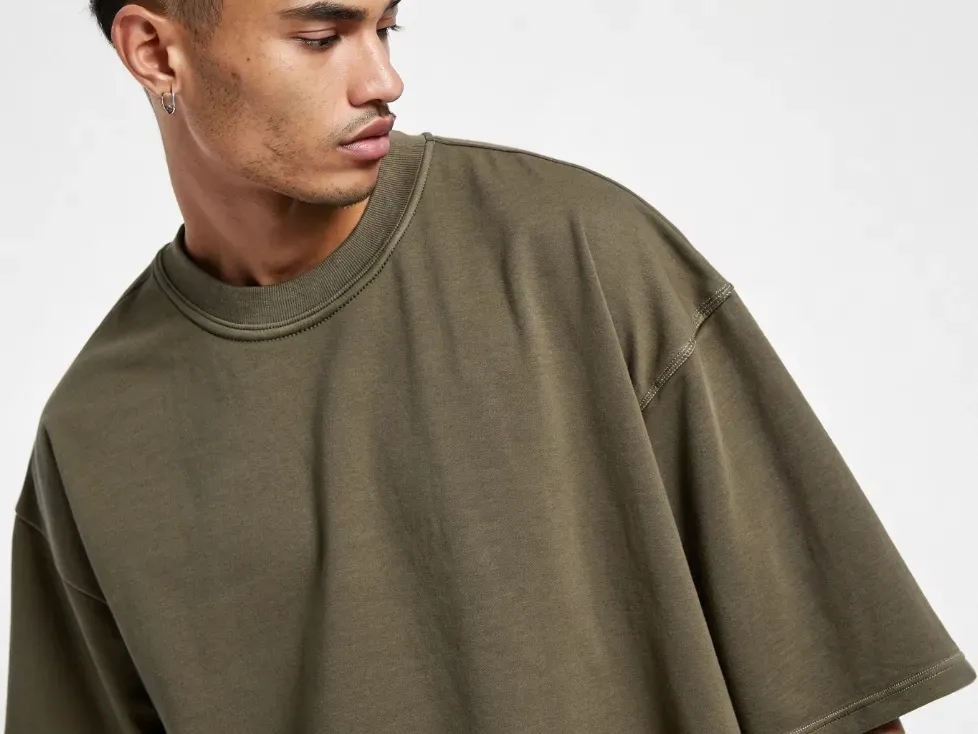
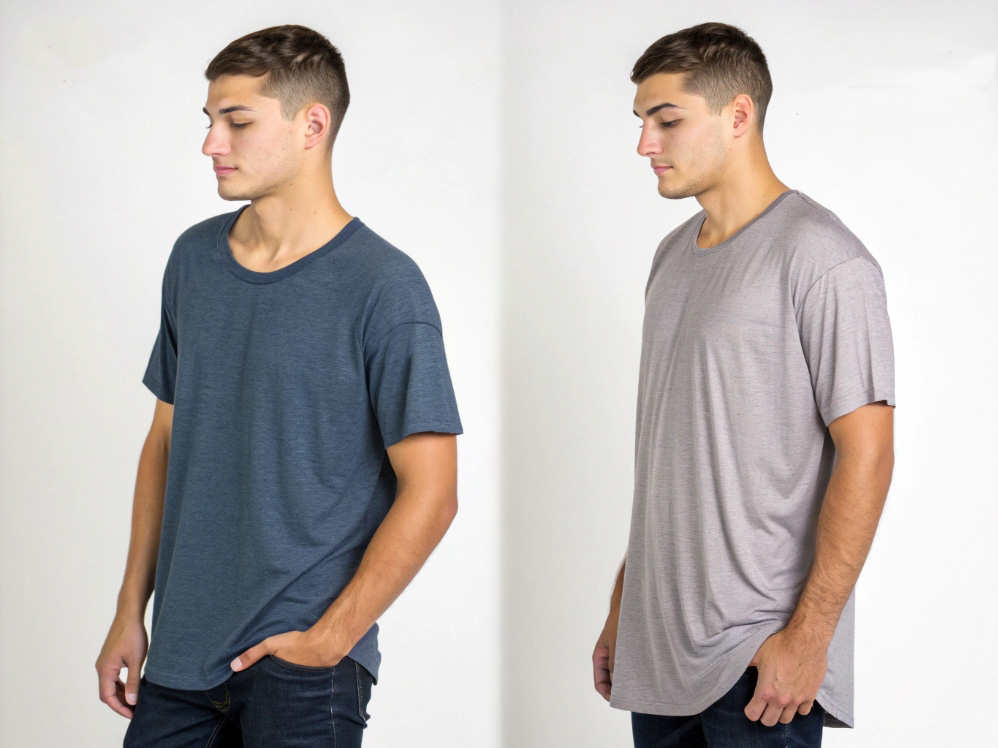
Why Fabric Is the Primary Visual Driver in Drop Shoulder T-Shirts
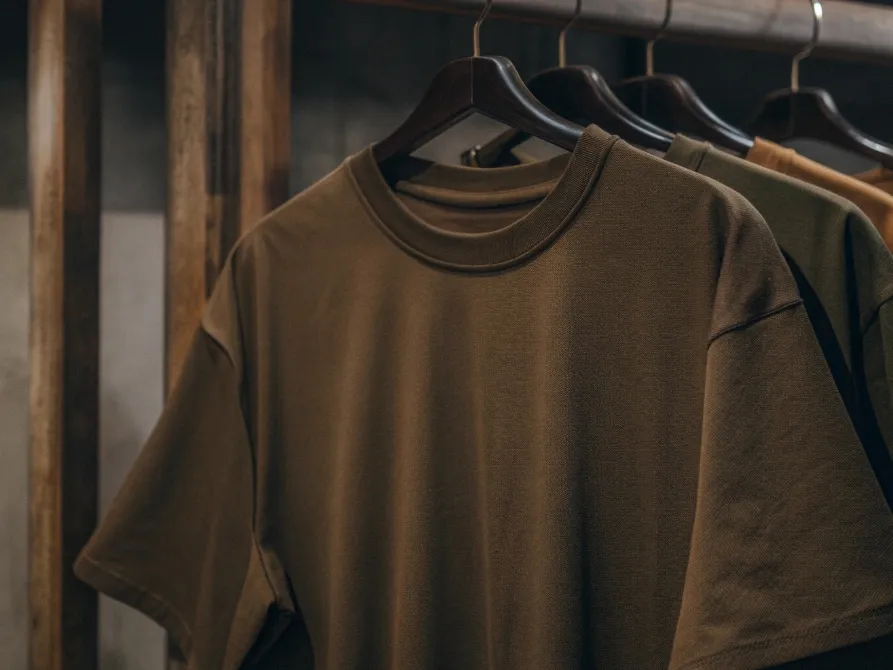
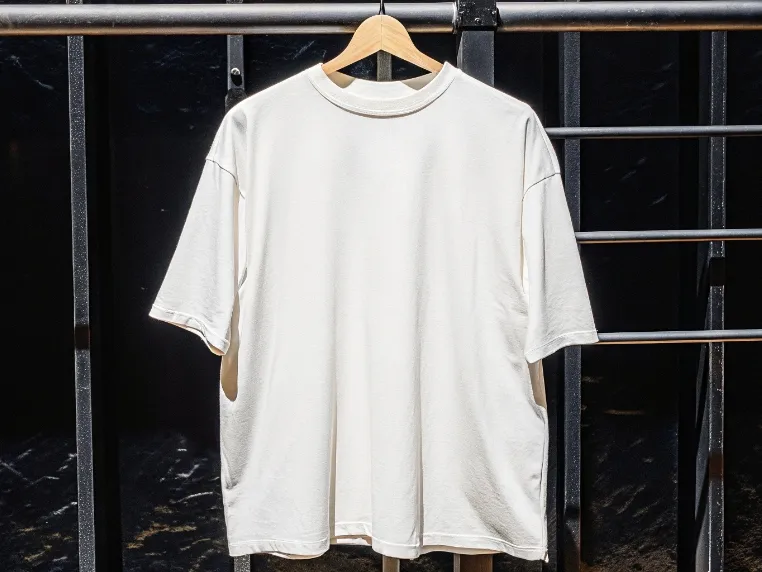
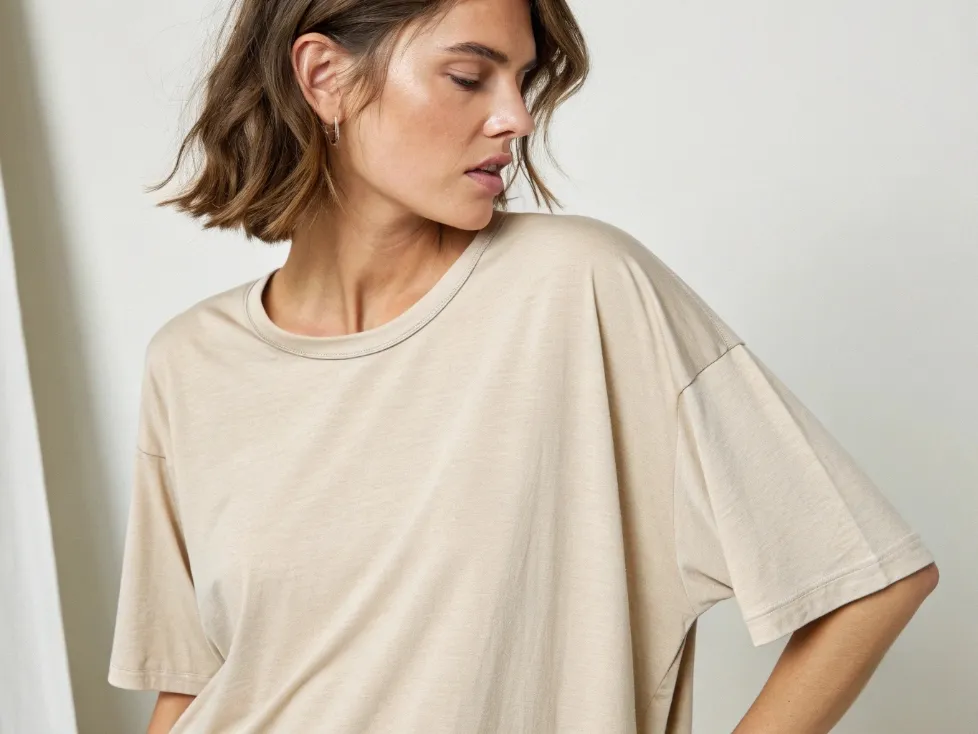
In drop shoulder designs, fabric does more visual work than in standard T-shirts.
This section defines why cut alone is insufficient and where fabric choice overrides pattern quality.
Why cut alone does not determine the final look
In drop shoulder T-shirts, pattern sets potential, but fabric determines execution.
A well-designed drop shoulder pattern only defines seam placement and volume allowance. If the fabric cannot support that structure, the intended silhouette never appears.
This is why identical patterns can look refined in one fabric and careless in another.
Drop shoulder as a fabric-dependent silhouette
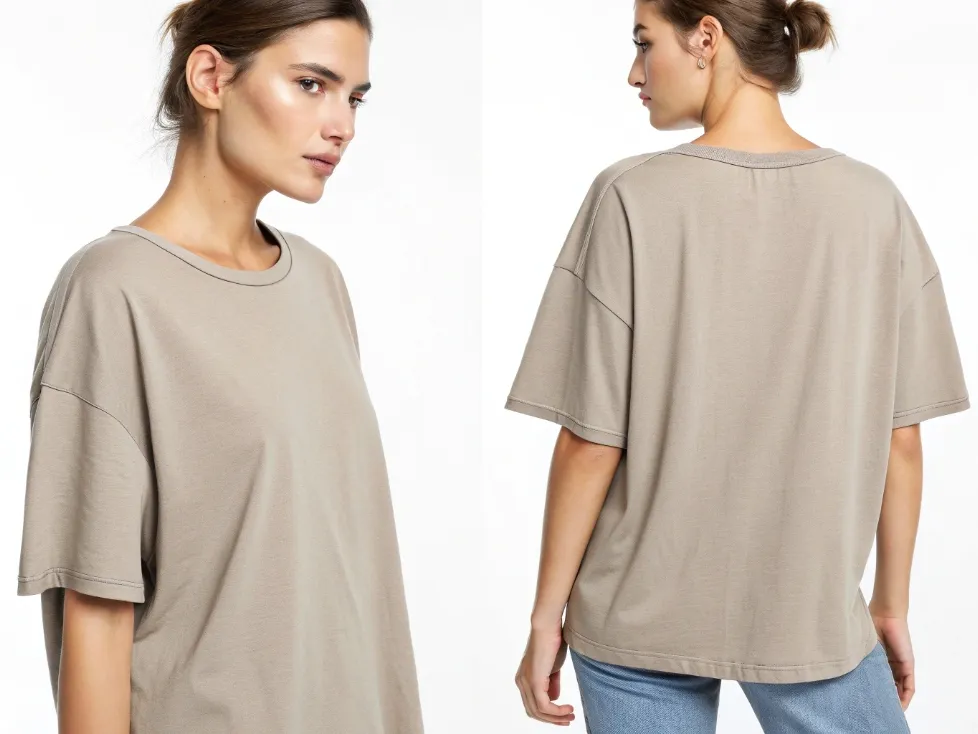
Drop shoulder silhouettes rely on fabric to hold visual balance after structure is reduced.
Lowered shoulder seams remove a natural support point. Fabric must compensate by maintaining controlled fall, surface discipline, and consistent behavior.
Without this support, the silhouette collapses regardless of pattern accuracy.
When fabric choice undermines an otherwise good pattern
Fabric undermines a pattern when it exaggerates gravity instead of managing it.
Overly soft, unstable, or poorly recovering fabrics pull the garment downward and outward.
This turns intentional looseness into visual fatigue, even if the underlying pattern is sound.
How Fabric Weight Controls Shape and Visual Authority
Fabric Weight and Visual Presence
Fabric weight is the most immediate factor influencing how a drop shoulder T-shirt reads visually.
Different weight ranges create fundamentally different silhouettes.
Lightweight fabrics: softness vs loss of structure
Lightweight fabrics prioritize softness but sacrifice silhouette clarity.
They tend to cling, ripple, or collapse under their own drape, especially around dropped shoulders and sleeves.
Visually, this weakens shoulder definition and makes the garment appear less intentional.
Midweight fabrics: balance, control, and everyday modernity
Midweight fabrics offer the most balanced visual outcome for drop shoulder designs.
They provide enough mass to define lines while remaining flexible enough to drape cleanly.
This balance supports modern, controlled silhouettes without visual stiffness.
Heavyweight fabrics: sharp lines, volume, and visual density
Heavyweight fabrics emphasize structure and visual authority.
They create crisp edges, pronounced volume, and strong silhouette presence.
However, excessive weight can exaggerate bulk and make the garment feel rigid if not carefully engineered.
How Fabric Drape Defines the Drop Shoulder Silhouette
Drape Behavior & Silhouette Control
Drape determines how fabric responds to gravity once structural support is reduced.
This behavior directly shapes how the drop shoulder is perceived.
1.Fluid drape vs controlled fall
Controlled fall preserves silhouette; fluid drape dissolves it.
Fluid drape allows fabric to flow freely, often blurring shoulder lines and body edges. Controlled fall limits excessive movement while still allowing natural hang.
Drop shoulder designs require controlled fall to remain visually intentional.
2.Vertical vs horizontal fabric behavior
Vertical stability matters more than horizontal softness.
Fabrics that stretch or relax horizontally widen the silhouette unpredictably. Fabrics that maintain vertical integrity keep shoulder drop and body width visually stable.
Modern drop shoulder looks depend on vertical discipline.
3.How drape affects shoulder drop perception
Drape determines whether shoulder drop looks designed or accidental.
If fabric collapses at the shoulder seam, the drop appears excessive and uncontrolled.
When drape is managed, the shoulder drop reads as deliberate and balanced.
Why Fabric Construction Changes the Look
Fabric Structure & Surface Character
Beyond weight and drape, internal fabric structure and surface character define visual refinement.
Knit density and loop structure
Higher knit density improves edge definition and silhouette stability.
Loose loop structures allow distortion and surface movement. Dense knits resist deformation and maintain cleaner outlines.
Drop shoulder designs benefit from density that supports volume without stiffness.
Surface texture: smooth, dry, compact, or relaxed
Surface character influences perceived sharpness or softness.
Smooth, compact surfaces appear more modern and controlled. Dry or textured surfaces appear more casual.
Surface choice should align with the intended visual direction of the garment.
Structure vs collapse: maintaining intentional volume
Intentional volume requires resistance to collapse.
When fabric lacks internal structure, volume becomes visual slack.
Structure ensures that looseness reads as design, not wear.
Why Some Drop Shoulder T-Shirts Lose Their Look Over Time
Fabric Recovery & Shape Retention
A garment’s visual success must persist beyond initial wear.
Recovery determines whether the silhouette survives time and use.
Recovery after wear and wash
Good recovery allows fabric to return to its original geometry.
Fabrics that stretch and fail to recover permanently alter shoulder drop and body width.
This leads to visual degradation even if the garment felt fine initially.
How poor recovery distorts drop shoulder proportions
Poor recovery exaggerates the weakest points of the silhouette.
Shoulder seams drift lower, sleeves widen, and body length appears longer.
These changes compound, making the garment look increasingly sloppy.
Long-term silhouette stability as a visual requirement
Visual stability over time is a core requirement, not a bonus.
A drop shoulder T-shirt that only looks good when new fails its purpose.