Skip to content
Not all shirts are created equal — but how do you tell if one is truly high quality, especially before buying in bulk?
A good-quality shirt has a balanced GSM1, tight and clean stitching, durable fabric composition, and colorfastness2 — all of which Tirupur manufacturers inspect during production.
Whether you’re sourcing from India or anywhere else, knowing how to evaluate shirt quality gives you confidence, avoids returns, and strengthens your brand’s reputation. In this article, I’ll break it down using proven practices from leading Tirupur factories.
Key Features of a High-Quality Shirt?
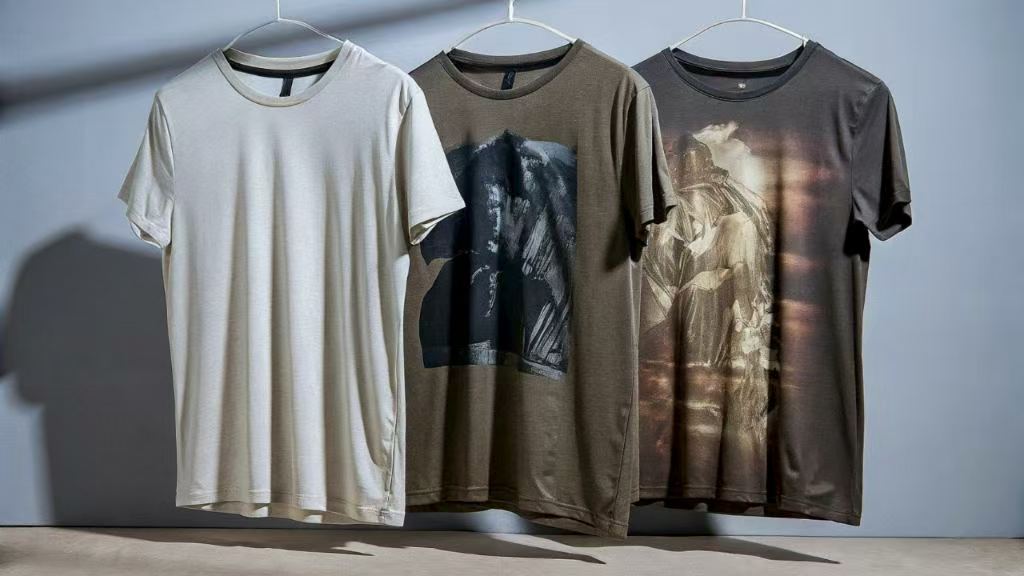
Printed Tees
It starts with what you can feel — and what you can’t see.
High-quality shirts are defined by fabric weight, stitching precision3, fiber quality4, and finish. The signs are often subtle but make a huge difference in wearability and lifespan.
Here’s how to inspect them.
Why Does Fabric GSM Matter in Shirt Quality?
GSM (grams per square meter) indicates fabric thickness and density.
Shirts made with 180–220 GSM fabric feel stronger, hold shape better, and last longer than lightweight (120–140 GSM) shirts.
GSM Quality Guide:
| GSM | Feel | Best For | Durability Level |
|---|---|---|---|
| 120–140 | Light, airy | Promotions, giveaways | Low |
| 160–180 | Midweight | Everyday retail shirts | Medium-High |
| 180–220 | Heavy, premium | Streetwear, branded apparel | High |
Pro Tip: Heavier isn’t always better — but it should match your brand’s style and audience expectations.
How to Check Stitching Density and Thread Strength?
Stitching is often overlooked, but it’s what holds the shirt together.
Tirupur factories typically use twin-needle stitching5, shoulder taping, and 10+ stitches per inch for quality shirts.
How to Inspect:
- Look at hems and necklines — are they evenly stitched?
- Check for double-needle stitch at sleeves and bottom hem
- Gently tug at the seams — weak shirts show separation or thread gaps
- Turn the shirt inside out — check for clean overlocking and no loose threads
Tips from Tirupur Shirt Manufacturers on Quality Checks?
Tirupur’s best manufacturers don’t just rely on feeling — they run actual tests.
From fabric strength to colorfastness, these factories use lab-backed methods to ensure long-lasting performance.
What Tests Do Tirupur Manufacturers Use to Ensure Durability?

High-volume factories run standardized tests either in-house or via third-party labs.
Common Quality Tests in Tirupur:
- Colorfastness to washing and rubbing (using ISO standards)
- Shrinkage % (after washing at 30°C and tumble drying)
- Tear and tensile strength (how much pressure fabric can handle)
- Print adhesion tests (for DTG and screen prints)
- Stitch durability tests (pull tests at stress points)
For export-grade orders, these test results are often included in production reports and shipping documents.
How Do Export-Grade Shirts Differ from Local Market Shirts?
Not all shirts produced in Tirupur meet export standards.
Export-grade shirts are typically made with higher GSM cotton, tighter QC, and consistent sizing — while local-market shirts may skip certain finishings or use downgraded fabric.
Differences at a Glance:
| Feature | Export-Grade Shirt | Local-Market Shirt |
|---|---|---|
| Fabric | Combed cotton, stable GSM | Carded, variable GSM |
| Stitching | Twin-needle, reinforced seams | Loose threads, single-needle |
| Shrinkage Control | Bio-washed or pre-shrunk | Often skipped |
| Labels/Tagging | Customizable, private label | Generic branding |
| Packaging | Export-ready, polybagged | Bulk-packed, loose |
Fabric Types That Define Shirt Quality?
Not all fabrics perform the same — even within cotton.
Understanding the differences between organic, combed, ring-spun, and blended fabrics helps you choose shirts that match your customer’s use case.
Is Organic Cotton More Durable Than Regular Cotton?
Organic cotton has environmental benefits — but how does it perform?
Yes — when grown, processed, and spun properly, organic cotton can be more durable than regular carded cotton, thanks to longer fibers and minimal chemical stress.
Why Organic Cotton Lasts Longer:
- Less chemical processing = stronger fiber structure
- Often sourced from long-staple cotton varieties
- Enzyme/bio-washing helps with shape retention
But be cautious — not all “organic” cotton is truly GOTS certified. Always check supplier credentials.
Do Blended Fabrics (Poly-Cotton, Tri-Blend) Last Longer?
Blends can enhance performance — especially for activewear or budget lines.
Cotton-poly blends (60/40, 65/35) offer better wrinkle resistance, faster drying, and reduced shrinkage. Tri-blends (cotton/poly/rayon) add stretch and softness.
Blend Breakdown:
| Fabric Type | Strength | Comfort | Shrinkage | Best Use |
|---|---|---|---|---|
| 100% Cotton | Medium | High | Medium | Retail basics |
| Cotton-Poly (60/40) | High | Medium | Low | Budget brands |
| Tri-Blend | High | Very High | Low | Fashion/sportswear |
Common Quality Issues to Watch Out For?
Knowing what to avoid helps you shop smarter — or reject poor samples before production starts.
Most quality issues are visible if you know where to look. Some only show up after washing — so pre-production testing is critical.
How to Spot Loose Threads and Weak Seams Before Buying?
Even a great design fails if the shirt falls apart.
Focus on the inside of the shirt. Many quality failures start at overlooked seams, poorly aligned panels, or sloppy finishing.
What to Look For:
- Uneven hems (shirt twists after washing)
- Shoulder seams not aligned left/right
- Thread ends sticking out (not trimmed)
- Neckline gaps or stretched collars
- Puckering near printed areas (poor curing)

Why Do Some Shirts Shrink or Fade After a Few Washes?
Two common reasons: unwashed fabric and cheap dyeing.
Shrinkage usually comes from untreated cotton. Fading comes from pigment dyes or bad curing during screen/DTG printing.
How to Prevent:
- Ask for bio-washed or pre-shrunk fabric
- Confirm reactive dyeing for cotton (lasts longer than pigment dye)
- Avoid air drying shirts in direct sunlight
- Wash inside-out with mild detergent
How to Choose the Right Tirupur Shirt Manufacturer for Quality?
Even in a hub like Tirupur, not all factories operate at the same standard.
Look beyond pricing — focus on the systems, track record, and communication ability of your supplier.
What Certifications Prove That a Tirupur Manufacturer Maintains Standards?
Certifications reduce guesswork and show commitment to compliance.
The top factories in Tirupur carry global certifications that cover fabric safety, ethical labor, and production consistency.
Key Certifications to Ask For:
| Certification | What It Proves |
|---|---|
| GOTS | Organic material & safe processing |
| OEKO-TEX | No harmful chemicals in final garment |
| SA8000 / WRAP | Ethical and fair labor practices |
| ISO 9001 | Strong internal quality control systems |
How to Compare Different Tirupur Manufacturers for Long-Lasting Shirts?
Go beyond their sales pitch — ask for real proof.
Start with a sample. Then evaluate their communication, process transparency, and flexibility with small details.
How to Compare Suppliers:
- Request the same sample spec from 3 factories (e.g. 180 GSM, black tee, 1-color logo)
- Compare:
- Stitching density
- Print clarity
- Neck rib firmness
- Finishing & packing
- Ask follow-up questions:
- Do you perform shrinkage or wash tests?
- Can you show a QC checklist?
- Who handles your finishing and packing?
Conclusion
A good-quality shirt isn’t defined by price alone — it’s in the details. From GSM to stitching to fabric type, quality leaves clues you can see and feel. Tirupur shirt manufacturers, especially export-grade ones, build shirts that last longer because they focus on those small things that most buyers overlook. Learn to spot them, and your brand will stand out.
-
Understanding GSM helps you choose the right fabric thickness for durability and comfort. ↩
-
Colorfastness ensures your shirts maintain their color after washing; discover how to test it. ↩
-
Stitching precision is crucial for durability; explore how it impacts the lifespan of shirts. ↩
-
Fiber quality directly affects comfort and longevity; learn more about its importance. ↩
-
Twin-needle stitching adds strength and durability; find out why it’s preferred in quality shirts. ↩